Skip to content
Resistênciaby Onofriana.pt
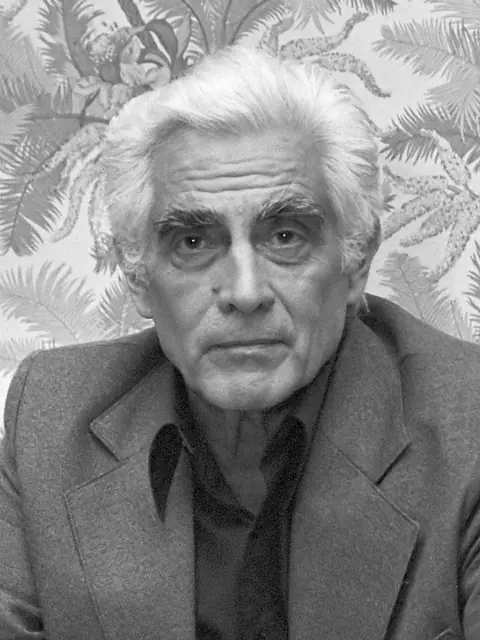
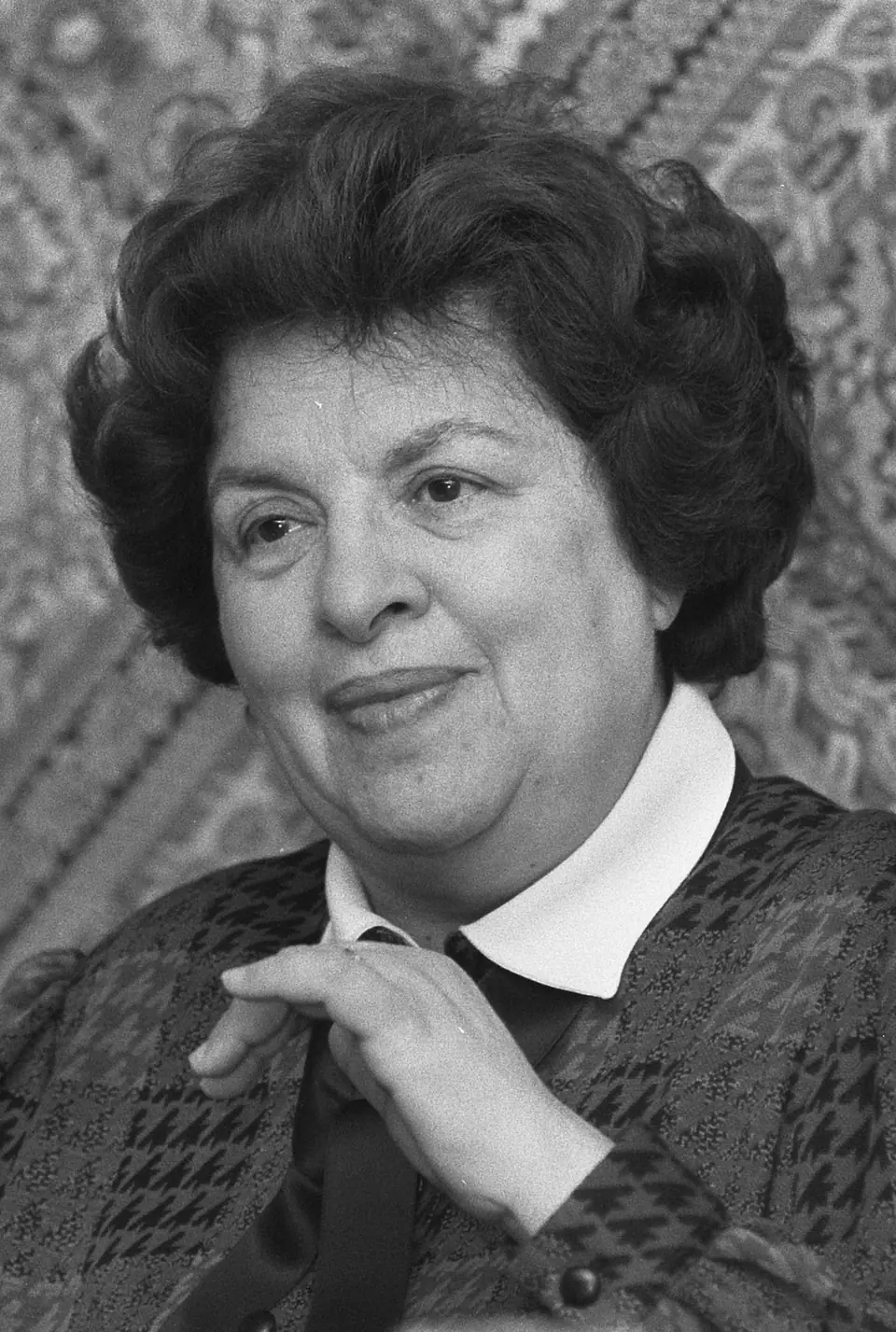
Fotografia a preto e branco de um homem de cabelo escuro ondulado, com fato escuro, camisa clara e gravata às riscas, a olhar de frente.
Claude Truong-Ngoc, CC BY-SA 3.0

People

Mário Soares

Mário Alberto Nobre Lopes Soares

Revolutiongeneral secretary of the Socialist PartyPrime Minister of the First Constitutional Government (1976)
Born
7 December 1924, Lisbon
Died
7 January 2017, Lisbon

General secretary of the PS, he returned from exile on 28 April 1974 and was greeted by a crowd at Santa Apolónia. In 1975 he took on the PCP in the República affair and at the Fonte Luminosa rally; in 1976 he headed the First Constitutional Government.

He was born in Lisbon in 1924.7 In 1974 he was living in exile in France and was general secretary of the Socialist Party (PS), founded the year before.1 On 25 April he was in Bonn, at the invitation of Willy Brandt, and he left for Paris when the SPD told him that a military movement had broken out in Portugal.2

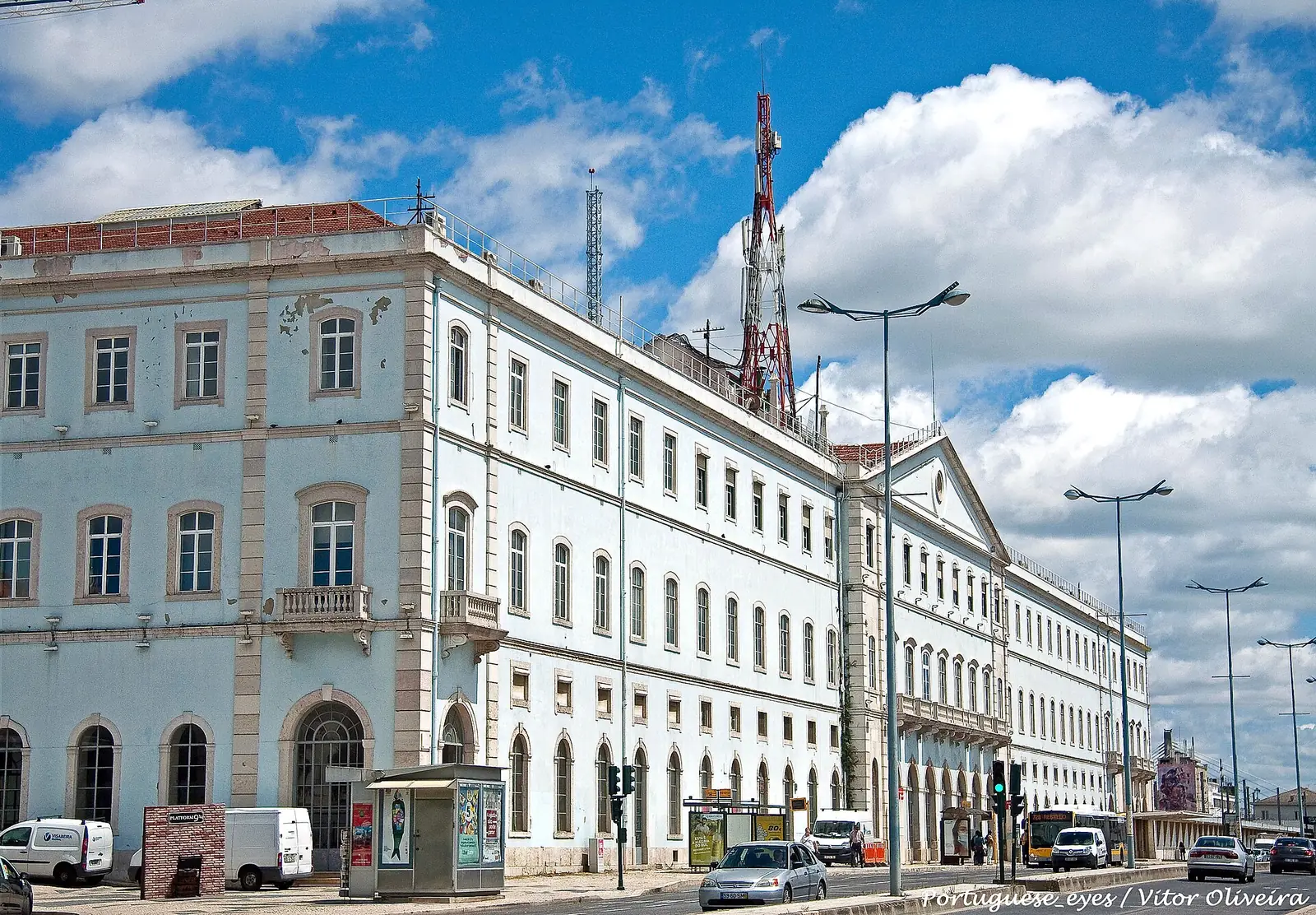
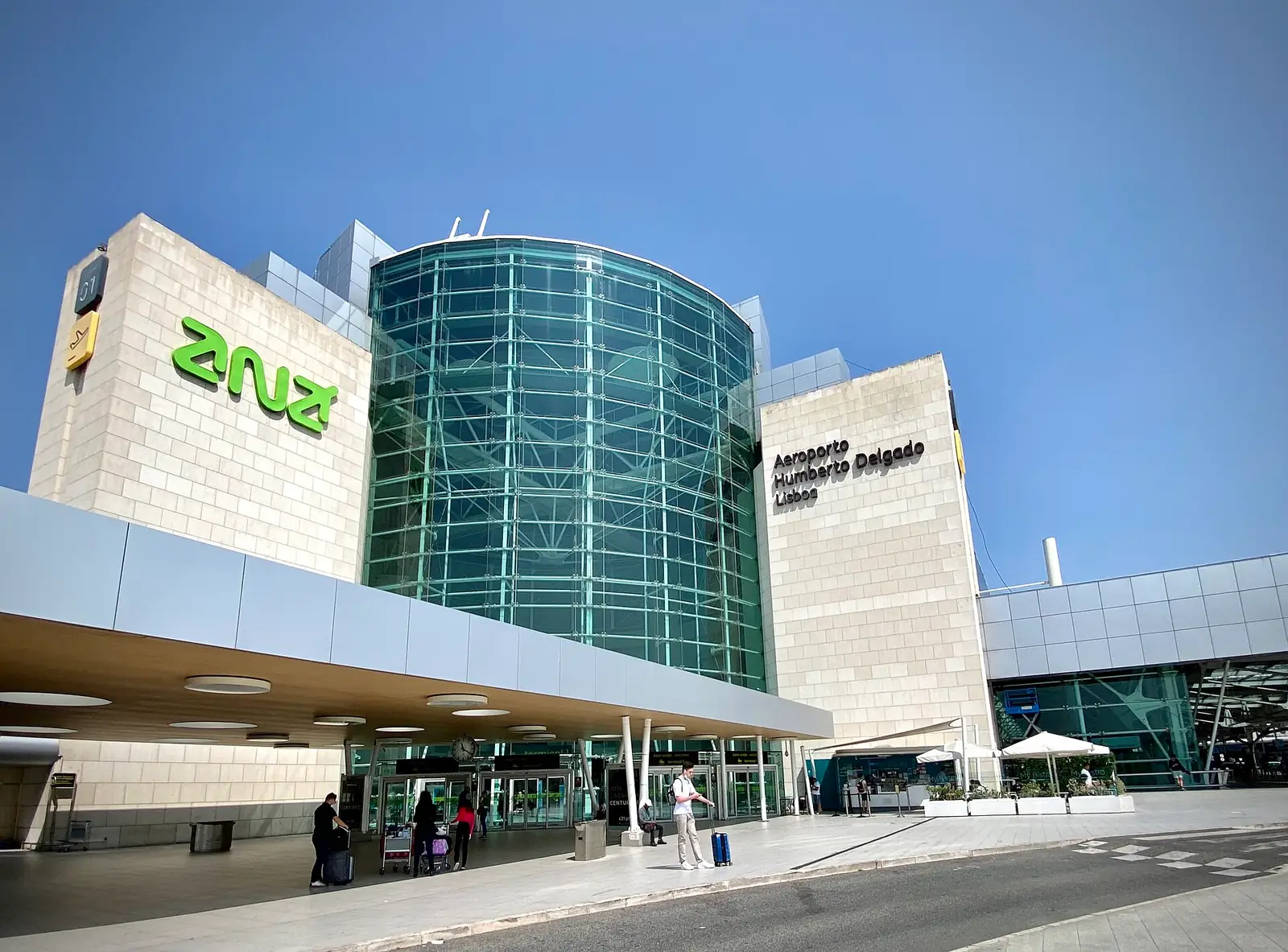
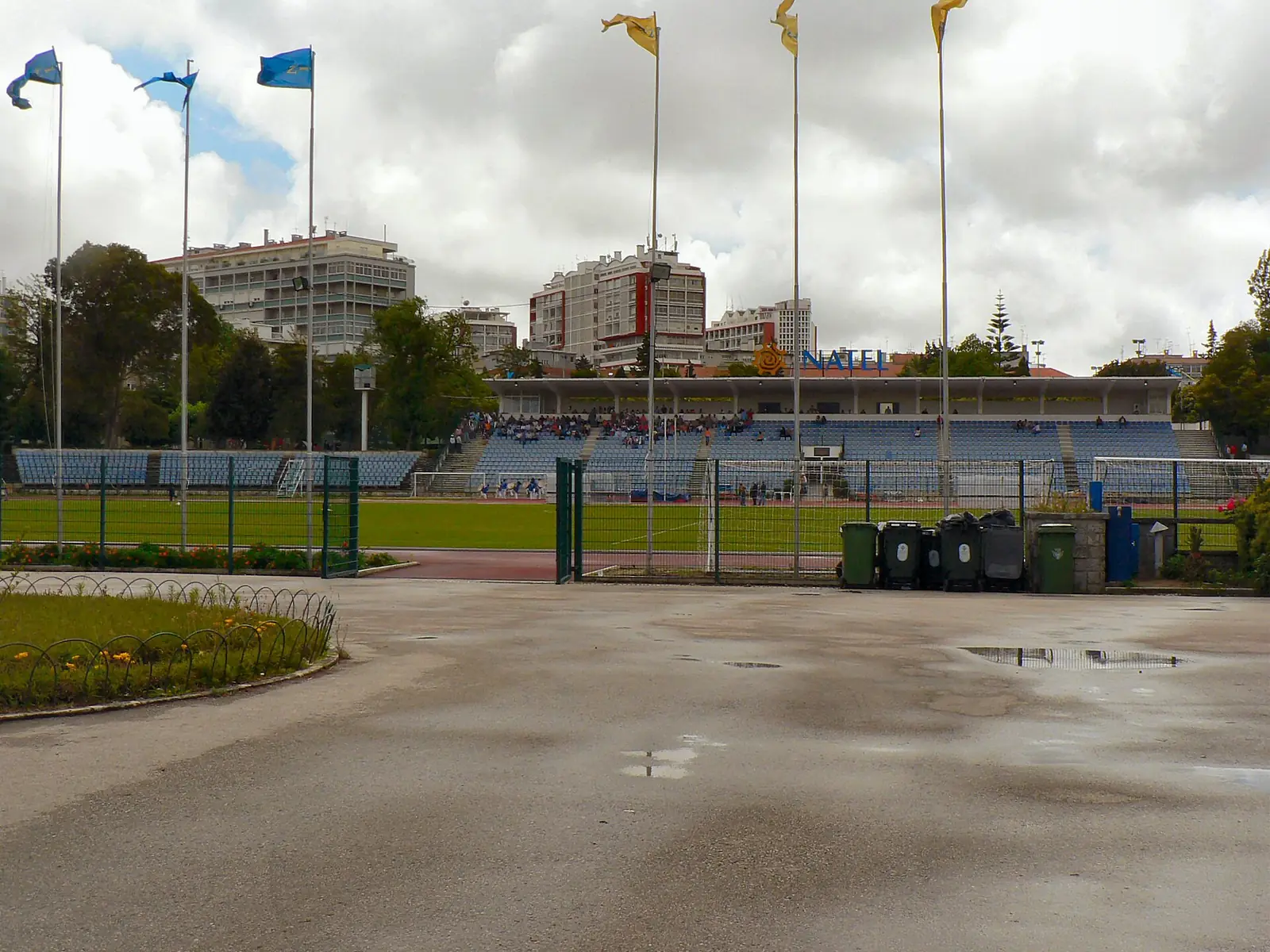
On 28 April he arrived by train at Santa Apolónia Station, with Maria Barroso, also a founder of the PS. A crowd was waiting for him; Soares spoke from a balcony of the station, loudhailer in hand, and went on to the Palácio da Cova da Moura for a meeting with General Spínola.13 Two days later he waited for Álvaro Cunhal a few metres from the plane, at the airport. On May Day (1 May), the two marched from Alameda D. Afonso Henriques to the FNAT stadium, renamed Estádio 1.º de Maio (May Day Stadium), and at the rally Soares embraced Cunhal.1

In May 1975, in the affair of the newspaper República, the PS called a demonstration for the 22nd, accusing the PCP of being behind the crisis. Soares then said through the megaphone: “25 April was made to put an end to a dictatorship, not to come and impose another one on us”.4 On 19 July, at the Fonte Luminosa rally, he directly attacked the PCP, the Prime Minister, Vasco Gonçalves, and the Intersindical.5

The PS won the elections to the Constituent Assembly, on 25 April 1975, and the first parliamentary elections, on 25 April 1976. In July 1976, Soares was sworn in as Prime Minister of the First Constitutional Government.6 He died in Lisbon in 2017.7

From the archives

In other archives

These can only be viewed on each archive’s own website.

Show 4 more

On the walks

Places

In the timeline

  1. 20 Oct 1945

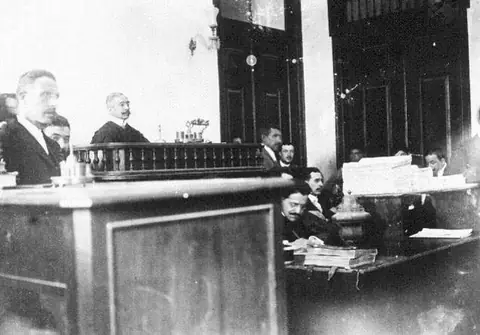
    The Plenary Courts replace the Special Military Courts
  2. 28 Jul 1946

    The MUD Juvenil is formally constituted
  3. 1948

    Maria Barroso removed from the Teatro Nacional D. Maria II
  4. 22 Feb 1949

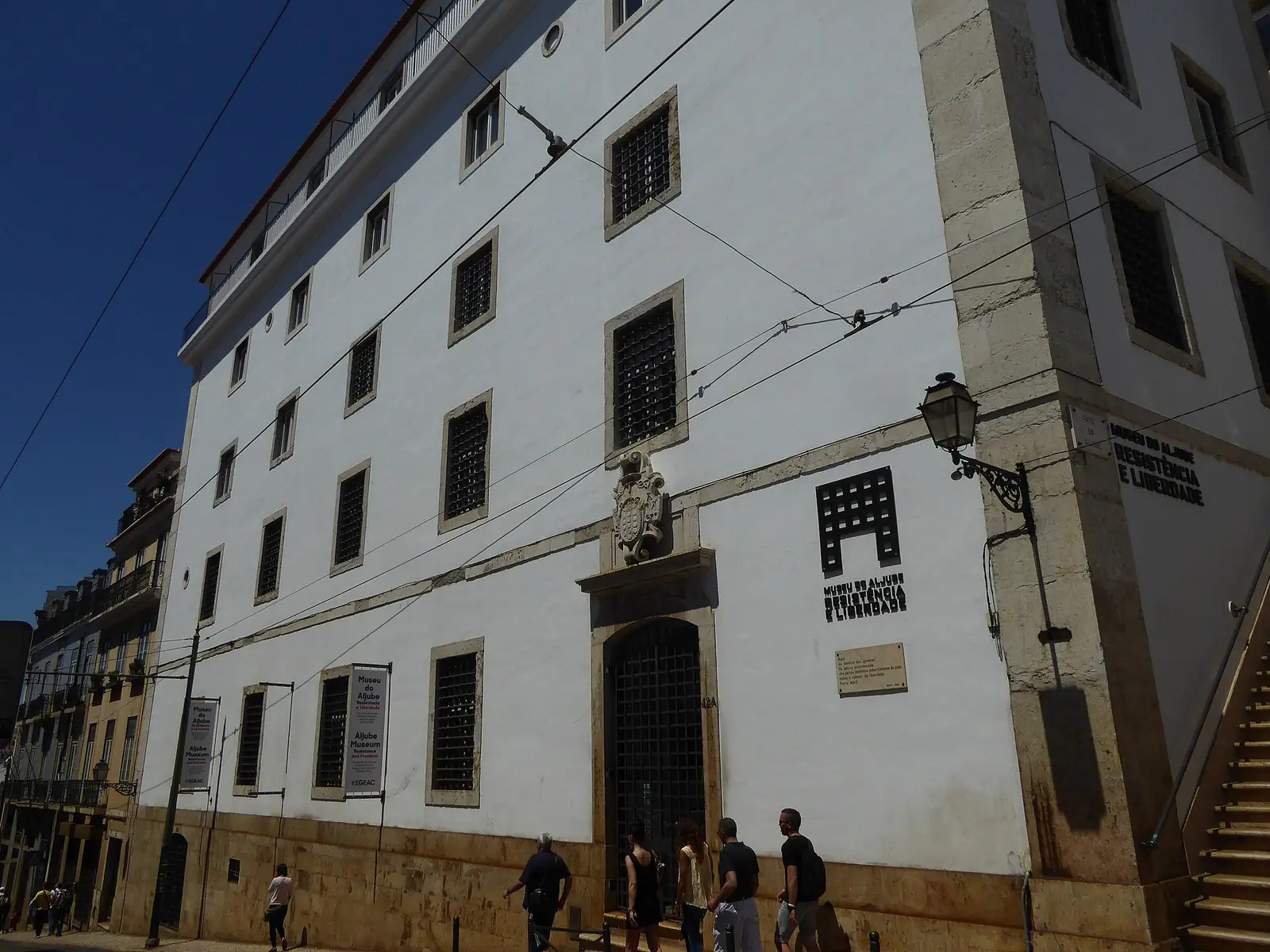
    Mário Soares and Maria Barroso marry by proxy in the Aljube prison
  5. Jan 1963

    The magazine “O Tempo e o Modo” is launched
  6. 10 Dec 1967

    The British press reveals the “Ballet Rose” scandal
  7. 15 May 1969

    The Second Republican Congress of Aveiro
  8. 28 Apr 1974

    Mário Soares chega do exílio a Santa Apolónia
  9. 30 Apr 1974

    Álvaro Cunhal chega do exílio ao aeroporto
  10. 1 May 1974

    Primeiro 1.º de Maio em liberdade
  11. 16 May 1974

    Toma posse o I Governo Provisório, de Palma Carlos
  12. 6 Jul 1974

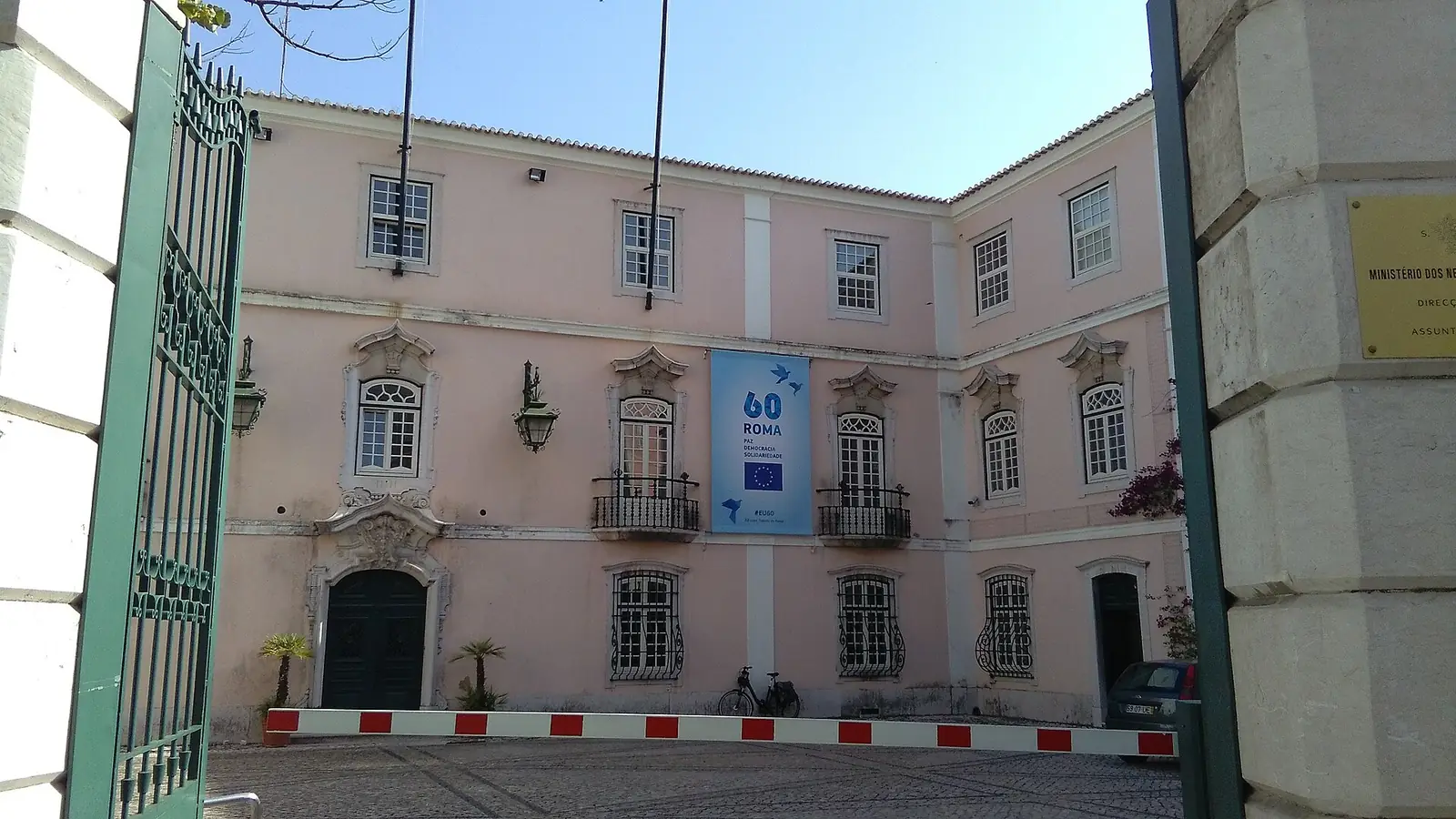
    Decreto-Lei n.º 308/74: as mulheres entram na carreira diplomática
  13. 7 Sep 1974

    Acordo de Lusaka marca a independência de Moçambique para 25 de junho de 1975
  14. 19 May 1975

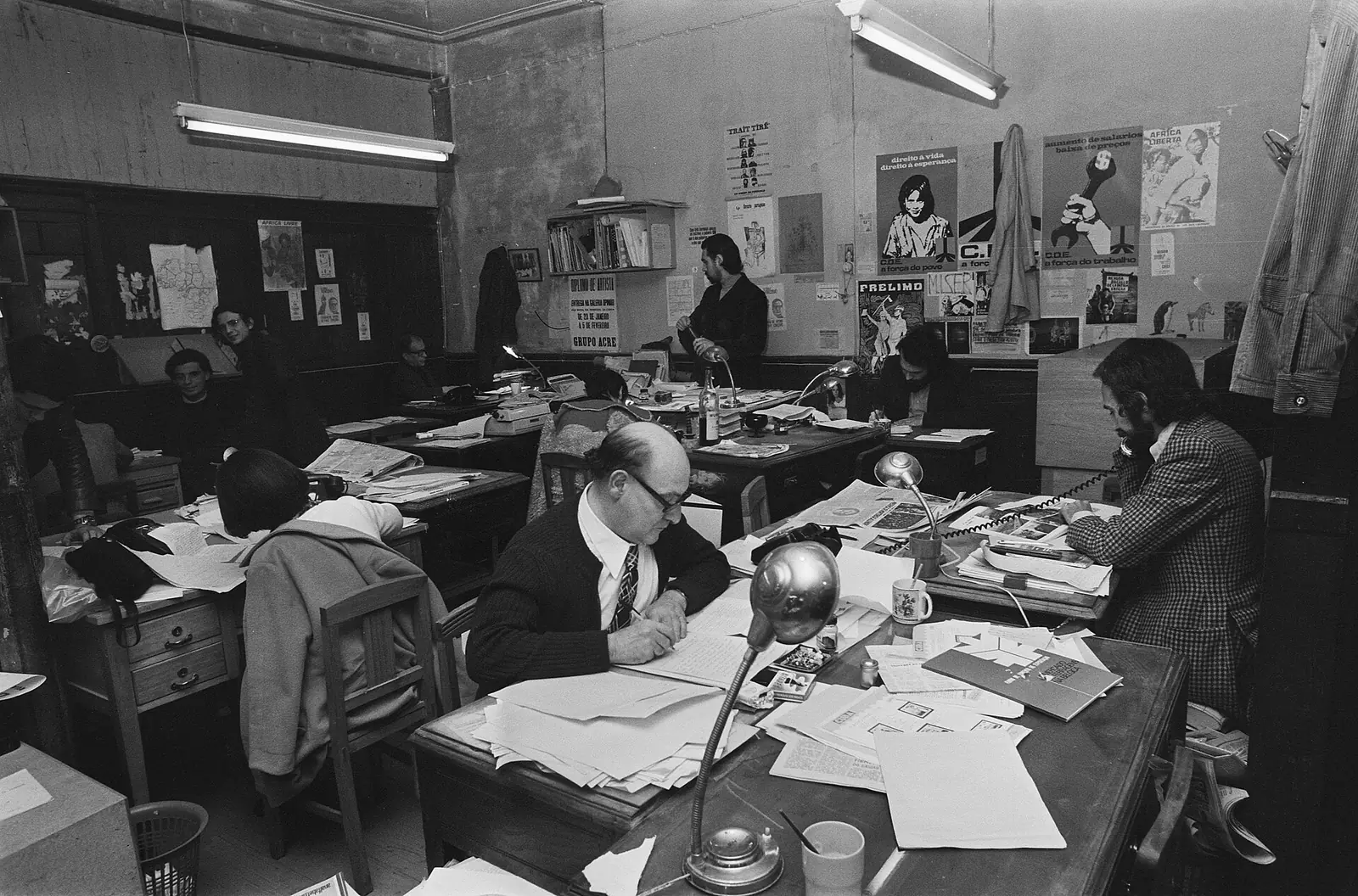
    Começa o «caso República»
  15. 19 Jul 1975

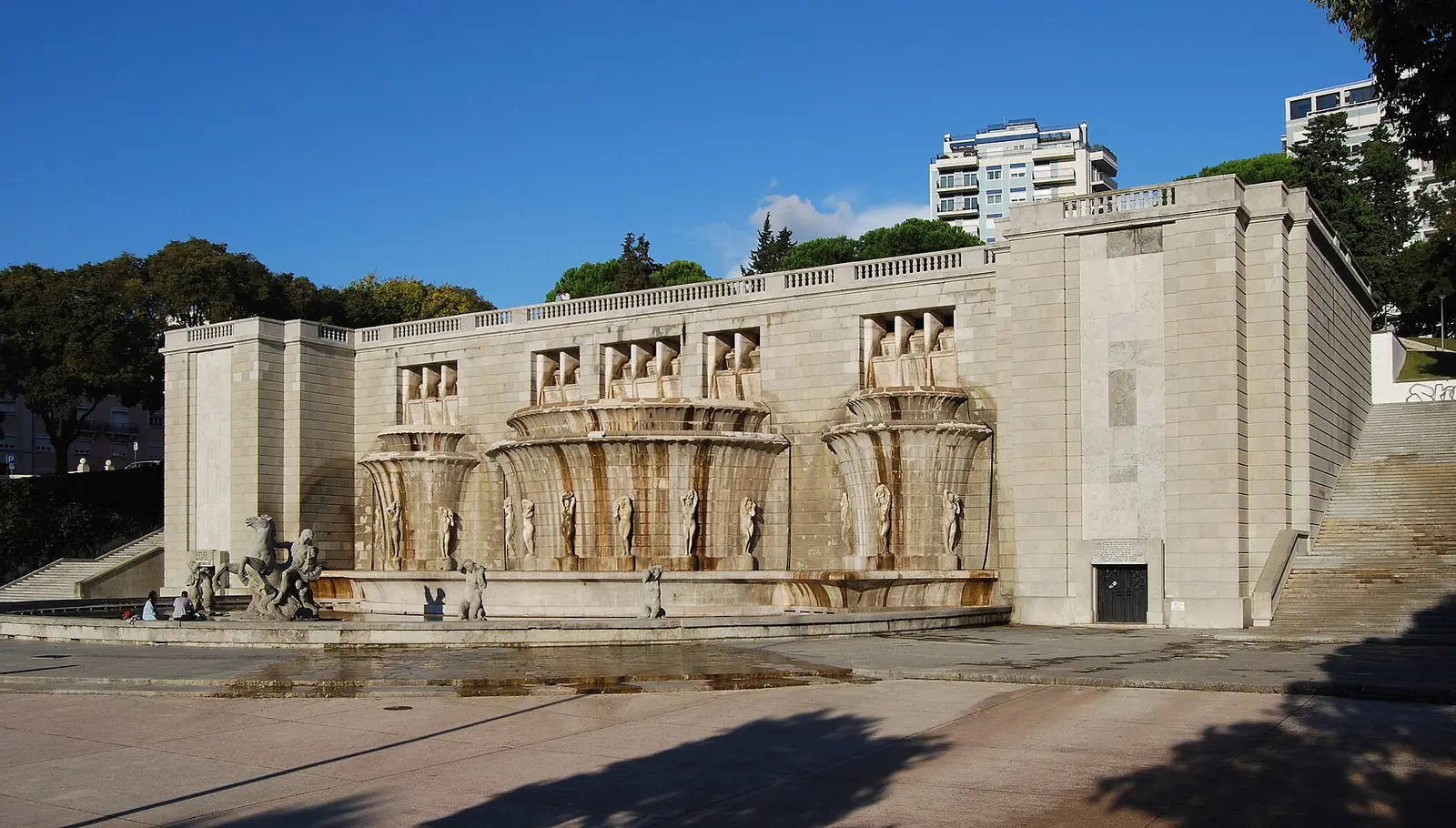
    Comício do PS na Fonte Luminosa
  16. 25 Apr 1976

    Primeiras eleições legislativas
  17. 23 Jul 1976

    Toma posse o I Governo Constitucional, de Mário Soares
  18. 26 Jan 1986

    Pintasilgo, primeira mulher candidata à Presidência da República
  19. 5 Oct 1990

    Humberto Delgado no Panteão Nacional

They crossed paths with him

  • Álvaro Cunhal

    1913–2005

    A communist leader, he was arrested in 1949 and escaped from Peniche Fortress in 1960. General secretary of the PCP, he returned from exile on 30 April 1974 and addressed the crowd at the airport from the top of a Chaimite armoured car.

  • Maria Barroso

    1925–2015

    An actress who recited poetry against the regime, she was an opposition candidate in 1969 and the only woman to speak at the opening of the Aveiro Congress, in 1973. She was at the founding of the Socialist Party and, on 28 April 1974, accompanied Mário Soares on the train that brought him back from exile to Santa Apolónia.

  • António de Spínola

    1910–1996

    A general and author of “Portugal e o Futuro” (Portugal and the Future), he received Marcelo Caetano’s surrender at the Carmo Barracks, presided over the National Salvation Junta and was President of the Republic until he resigned, on 30 September 1974. On 11 March 1975 he fled to Spain.

  • Maria de Lourdes Pintasilgo

    1930–2004

    An engineer and progressive Catholic, from 1970 she prepared what would become the Commission on the Status of Women, was Minister of Social Affairs in 1974–1975 and the only woman to have headed a government in Portugal (1979–1980).

  • Humberto Delgado

    1906–1965

    The “Fearless General” (general sem medo): a man of the regime who went over to the opposition, he stood for the Presidency in 1958, answered “Obviously, I’ll sack him!” (Obviamente, demito-o!) when asked what he would do with Salazar, and drew crowds. The PIDE murdered him in 1965.

  • Maria Lamas

    1893–1983

    A journalist and writer, she edited “Modas e Bordados” (Fashions and Embroidery), chaired the National Council of Portuguese Women until the regime closed it down in 1947, and responded with “As Mulheres do Meu País” (The Women of My Country). She was arrested several times and lived in exile in Paris.

Notes on the sources1
  • The days of birth (7 December 1924) and death (7 January 2017) come only from Wikidata.

Do you know more, or do you have a document? Tell us.

Sources

  1. 1Operação Viragem Histórica. Comissão Comemorativa 50 Anos 25 de Abril — consulted on 2 October 2026
  2. 2Cronologia do 25 de Abril, por Jofre Alves (blogue Abril de Novo, 2010), na Biblioteca Digital do CD25A. Centro de Documentação 25 de Abril – Universidade de Coimbra — consulted on 2 October 2026
  3. 3O regresso dos exilados. Associação 25 de Abril — consulted on 2 October 2026
  4. 4O caso República. Comissão Comemorativa 50 Anos 25 de Abril — consulted on 2 October 2026
  5. 5Escalada de tensão e crise político-militar (julho–agosto de 1975). Comissão Comemorativa 50 Anos 25 de Abril — consulted on 2 October 2026
  6. 6A construção da democracia (1974-1976). Assembleia da República – Comunicar — consulted on 2 October 2026
  7. 7Mário Soares (Q156781). Wikidata — consulted on 2 October 2026