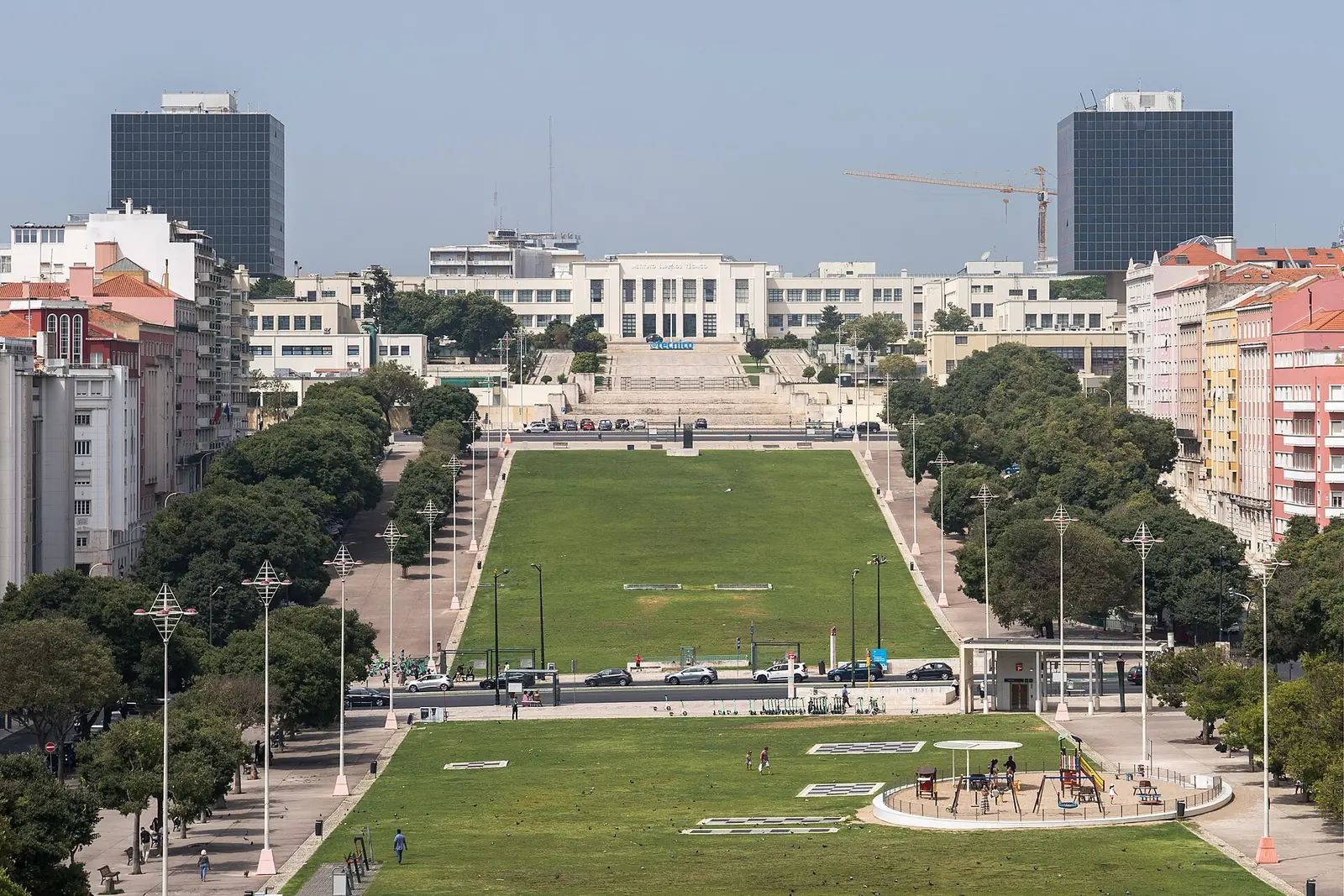
A Fonte Monumental, ou Fonte Luminosa, no topo da Alameda D. Afonso Henriques, em setembro de 2014.Felix König, CC BY 3.0
Areeiro
Alameda D. Afonso Henriques and the Fonte Luminosa
Meeting point for the first May Day in freedom, in 1974. On 19 July 1975, the Socialist Party rally that became one of the decisive moments of the Hot Summer was held here, by the Fonte Luminosa.
Today: Alameda D. Afonso Henriques / the Fonte Monumental (Fonte Luminosa)On one walk
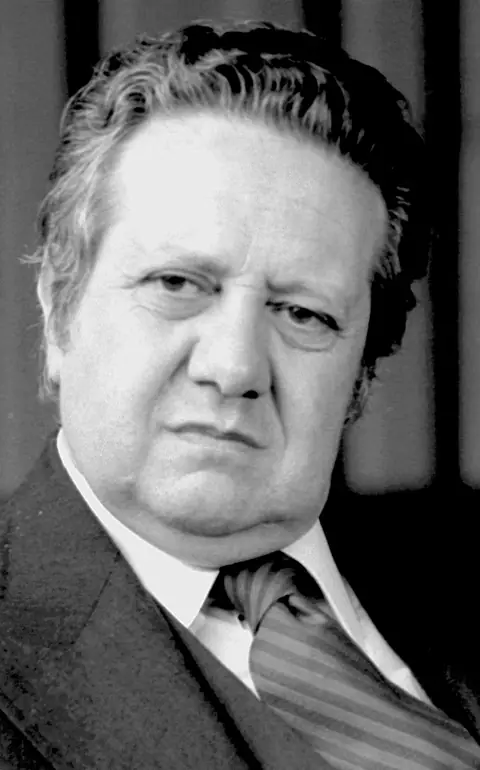
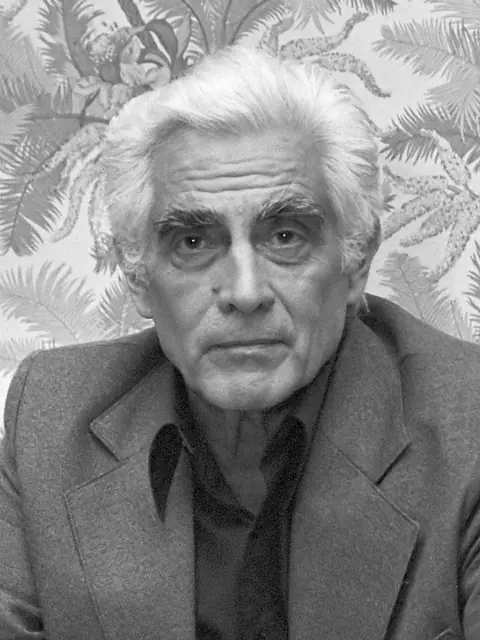
On 27 April 1974, a decree made May Day (1 May) a national holiday — the revolution’s first legal achievement, in the words of the Aljube Museum. Four days later, on the first May Day in freedom, the Alameda D. Afonso Henriques was the meeting point for the Lisbon march.1 From here it went on to the stadium of the National Foundation for Joy at Work (FNAT), which that day was renamed Estádio 1.º de Maio (May Day Stadium), with Mário Soares and Álvaro Cunhal surrounded by thousands of people and under the slogan “Peace, Bread and Freedom” (Paz, Pão e Liberdade). Across the country, some one million people took to the streets.2
A year later, the mood was different. On 10 July 1975, the ministers of the Socialist Party (PS) resigned in protest at the outcome of the case of the newspaper República, and on the 16th those of the Popular Democratic Party (PPD) followed them; the Government fell.4 It was the “weekend of the rupture”: the Continental Operations Command (COPCON) set up an “access operation” to control the arrival of “counter-revolutionaries” at the PS rallies in Porto and Lisbon. On 19 July, by the Fonte Luminosa, Soares launched a direct attack on the Portuguese Communist Party (PCP), the prime minister Vasco Gonçalves and the Intersindical.3 He demanded the resignation of the head of government, and for its turnout and its speeches the Fonte Luminosa rally is considered one of the decisive moments in the struggle over the direction of the revolution.5
In 1951 the Centre for African Studies was set up in the house where the São Toméan poet Alda do Espírito Santo lived: Amílcar Cabral, Mário Pinto de Andrade, Francisco José Tenreiro and others met here to “get to know Africa”, away from the eyes of the PIDE.
Today: Instituto Superior Técnico – University of Lisbon
Pardal Monteiro’s campus was the scene of decisive plenary meetings of the student movement: here the academic mourning of 1962 was suspended, here the PIDE raided the students’ association in 1968, and here it was decided, in 1972, to go en masse to Ribeiro Santos’s funeral.
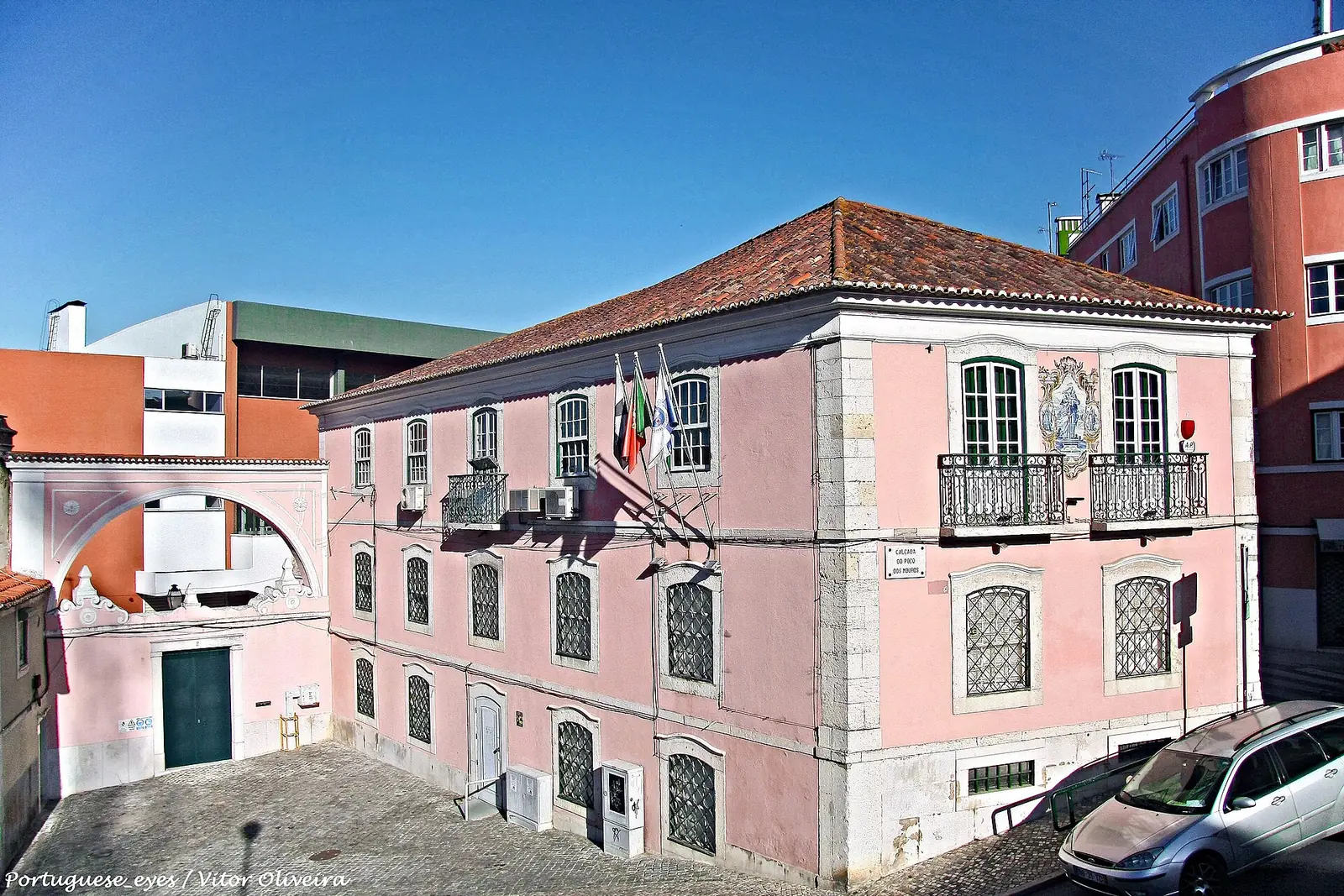
In this republican centre on Calçada de Arroios, while the monarchy still ruled, Maria Veleda set up free evening courses to teach women to read and write; in 1907, the Portuguese Group for Feminist Studies gave classes here to illiterate women.
On 25 April 1974 the general command of the Portuguese Legion — the regime’s militia, created in 1936, with a network of informers and shock troops — stood in Largo da Penha de França. Surrounded by Major Jaime Neves’s column, it surrendered without incident.
RepressionRevolution
Notes on the sources1
The day of the rally: 19 July 1975 (Commemorative Commission for the 50 Years of 25 April, with a dated photograph from the archive of Alfredo Cunha); the RTP page “Memórias da Revolução” (Memories of the Revolution) says 19 June, probably by mistake.
Do you know more, or do you have a document? Tell us.
4O caso República. Comissão Comemorativa 50 Anos 25 de Abril — consulted on 2 October 2026
5Comício do PS na Fonte Luminosa. RTP – Memórias da Revolução (textos de Aniceto Afonso, Carlos Matos Gomes e Maria Inácia Rezola) — consulted on 2 October 2026
Coordinates: OpenStreetMap (Nominatim), consultado a 2 de outubro de 2026.