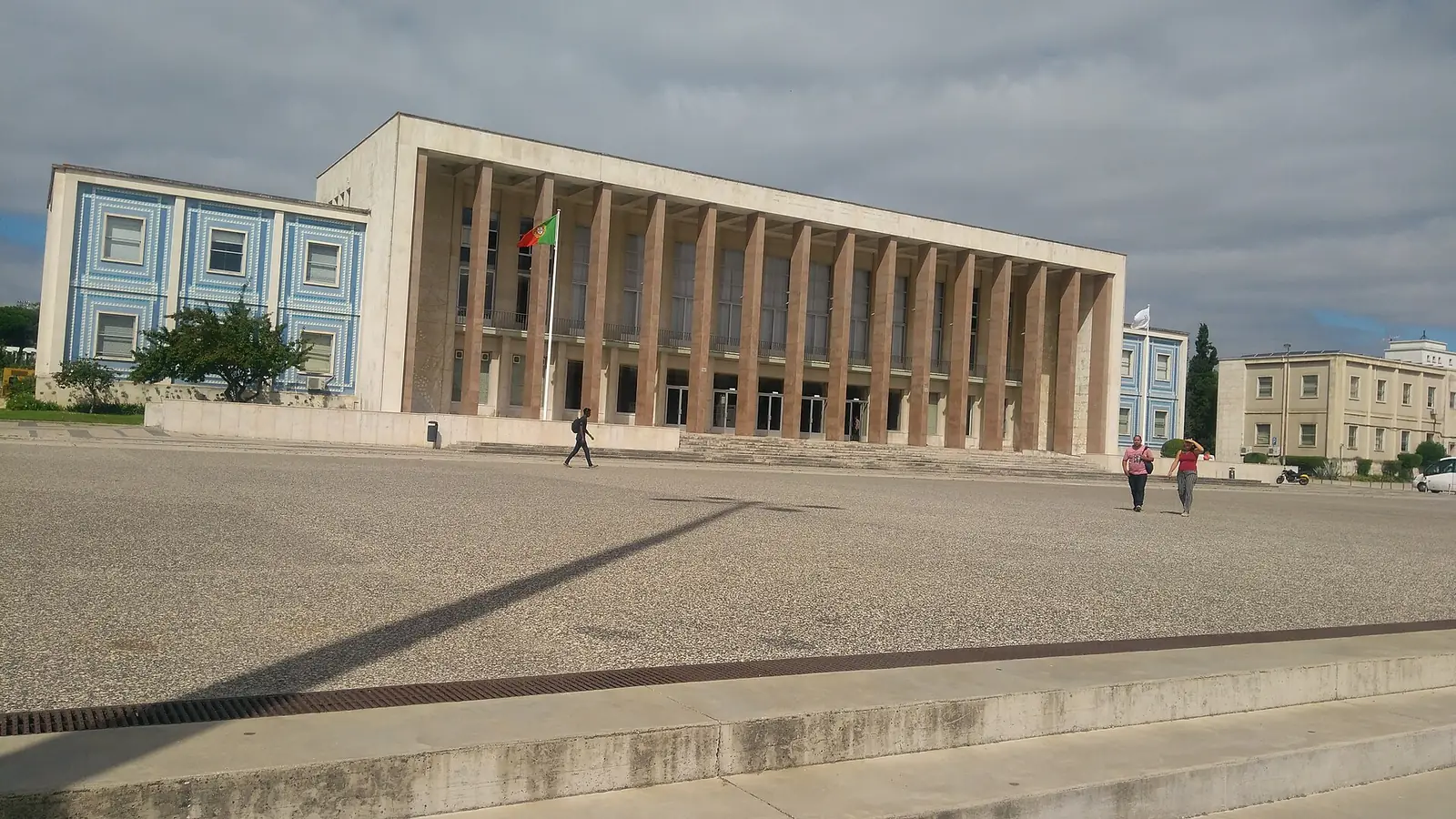
O Estádio 1.º de Maio, do INATEL — o antigo Estádio da FNAT —, em 2007.Paulo Juntas, CC BY-SA 2.5
Alvalade
FNAT Stadium (renamed Estádio 1.º de Maio)
On the first May Day in freedom, a week after the revolution, the Lisbon march ended in a rally at this FNAT stadium, which that day was renamed Estádio 1.º de Maio (May Day Stadium). At the rally, Mário Soares embraced Álvaro Cunhal.
Today: Estádio 1.º de MaioApproximate locationOn one walk
The stadium belonged to the FNAT, the National Foundation for Joy at Work. On 27 April 1974, two days after the revolution, Decree-Law no. 175/74 made May Day (1 May) a compulsory national holiday, with immediate effect.1 It was, in the words of the Aljube Museum, the first legal achievement after the revolution.2
Four days later, there were large demonstrations in at least 78 places, and around a million people took to the streets.1 In Lisbon, the march gathered on the Alameda D. Afonso Henriques and went through the streets to here; that day the FNAT stadium was renamed Estádio 1.º de Maio (May Day Stadium).12 The 25 April Documentation Centre counts around 500,000 people at the Lisbon demonstration.3
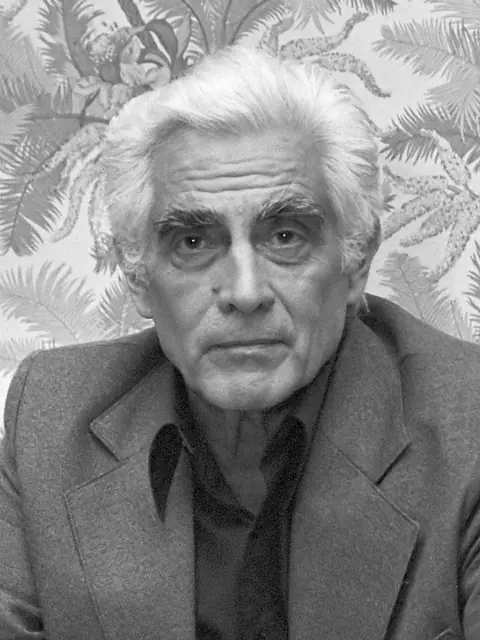
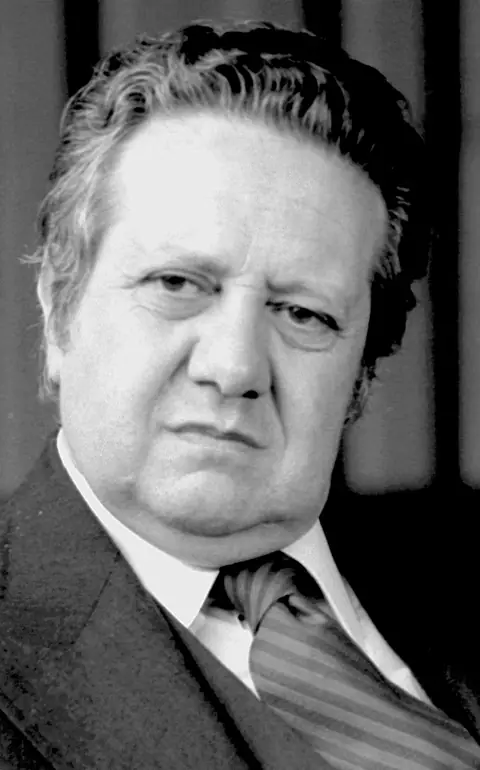
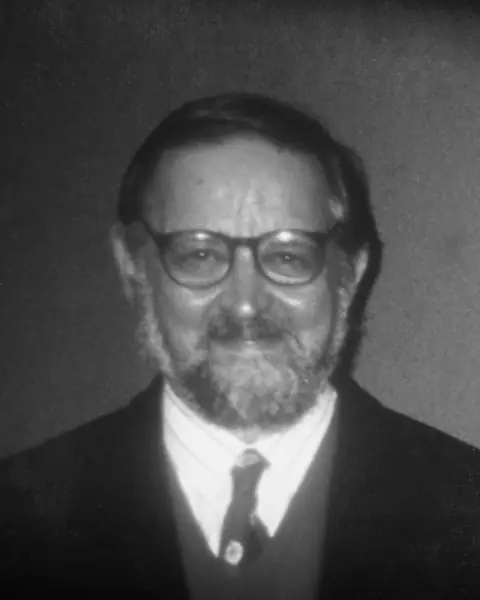
The rally was held under the slogan “Peace, Bread and Freedom” (Paz, Pão e Liberdade). Those who spoke were trade union leaders — Manuel Correia Lopes, Jerónimo Franco, Gomes Peres and José Nunes Lourenço — delegates from foreign organisations and well-known opponents of the deposed regime: Pereira de Moura, for the MDP, the architect Nuno Teotónio Pereira, for the progressive Catholics, and the two leaders who had returned from exile in those days, Mário Soares, of the PS, and Álvaro Cunhal, of the PCP. Soares hailed the Armed Forces and all the parties, “without any exception or any discrimination”, and embraced Cunhal; Cunhal acclaimed the military and the first measures “to liquidate the fascist dictatorship and establish freedom”. The Commemorative Commission for the 50 Years of 25 April calls it the first and last May Day in unity.1
The third chapter of Alfredo Cunha’s film (music by Rodrigo Leão, directed by Miguel Brugo), published by the Commission on 14 February 2024, with photographs from the months that followed the revolution. In the book, this part has a text by Fernando Rosas and includes the rally of the first May Day (1 May) in freedom, at the stadium of the National Foundation for Joy at Work (FNAT).
Original page Licença padrão do YouTube — embed permitido pelo canal oficial da Comissão Comemorativa 50 Anos 25 de Abril
Comissão Comemorativa 50 Anos 25 de Abril, on YouTube. The player only connects to that site when you press “Watch”.
In other archives
These can only be viewed on each archive’s own website.
It was here, on 4 July 1937, that the bomb with which anarchists tried to kill Salazar went off, as he arrived for Mass at the chapel of his friend Josué Trocado. The dictator was unhurt; the police arrested and tortured people who had nothing to do with the case.
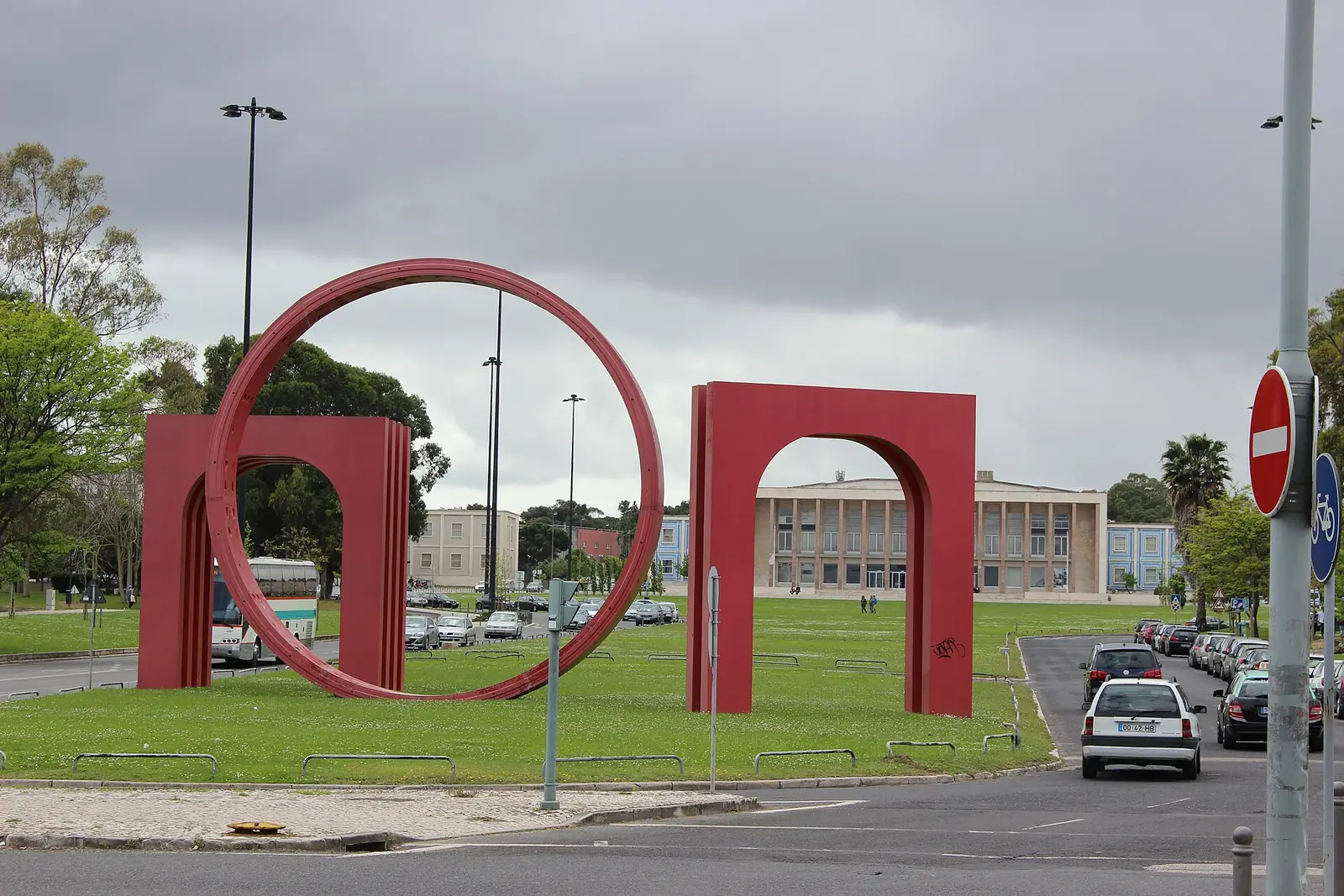
Today: Cidade Universitária – University of Lisbon
The 1962 academic crisis began here: when Students’ Day was banned, on 24 March, the riot police charged the students. At the general assemblies that followed, Isabel do Carmo was the first woman to take the floor.
Today: Instituto Superior Técnico – University of Lisbon
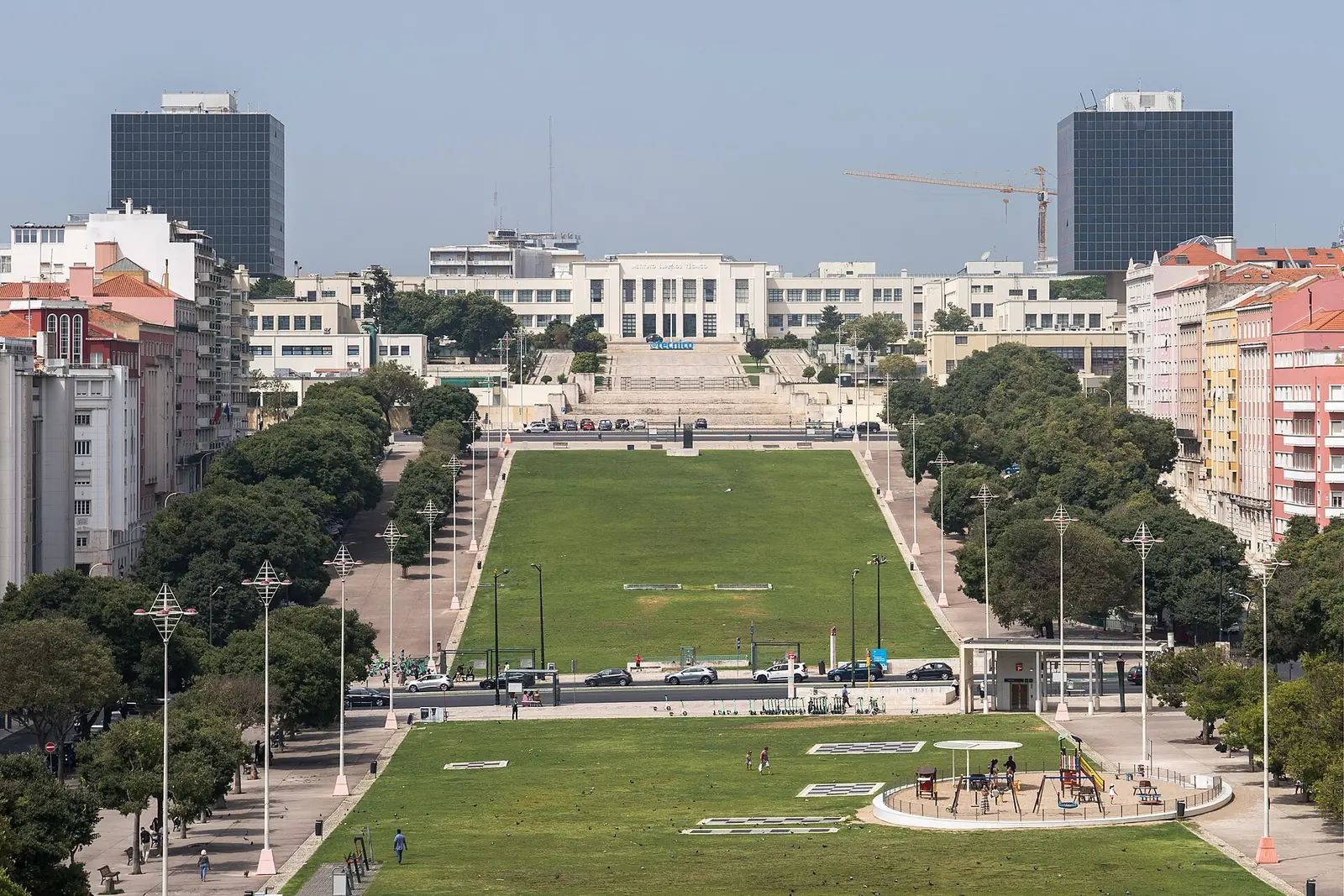
Pardal Monteiro’s campus was the scene of decisive plenary meetings of the student movement: here the academic mourning of 1962 was suspended, here the PIDE raided the students’ association in 1968, and here it was decided, in 1972, to go en masse to Ribeiro Santos’s funeral.
In the 1962 academic crisis, the rector was Marcelo Caetano: from the balcony of the Rectorate he defended the university’s autonomy and, when the government banned Students’ Day again, he resigned. The open ground in front filled with students’ plenary meetings.
StudentsOpposition
Notes on the sources2
The number of people at the Lisbon demonstration: around 500,000, according to the 25 April Documentation Centre (CD25A), which does not say where the estimate comes from.
Who runs the stadium today (the INATEL Foundation, successor to the FNAT?).
Do you know more, or do you have a document? Tell us.