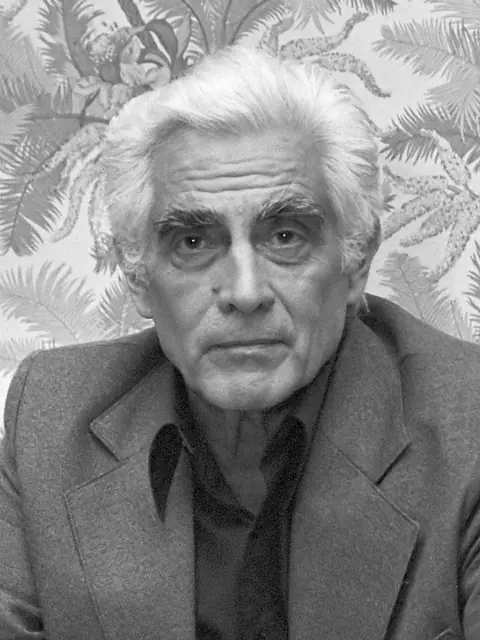
Oppositionactressteacherfounder of the Socialist Partyopposition parliamentary candidate (1969)
Born
2 May 1925, Olhão
Died
7 July 2015, Lisbon
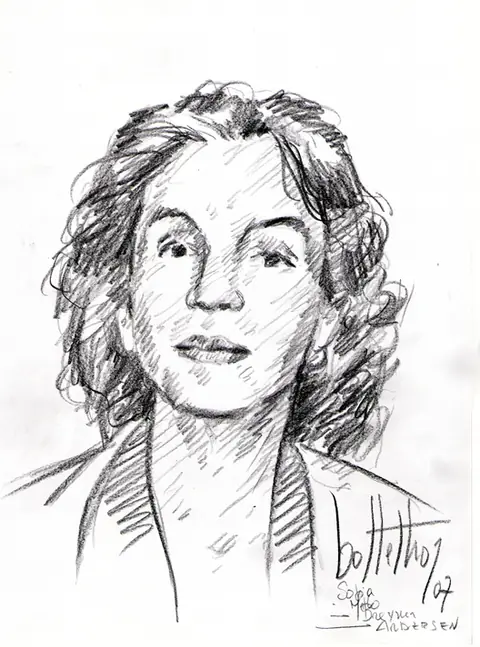
An actress who recited poetry against the regime, she was an opposition candidate in 1969 and the only woman to speak at the opening of the Aveiro Congress, in 1973. She was at the founding of the Socialist Party and, on 28 April 1974, accompanied Mário Soares on the train that brought him back from exile to Santa Apolónia.
She was born in Olhão in 1925.3 She came from a family of democrats and opponents of the dictatorship. She trained in Dramatic Art at the National Conservatory and in History and Philosophy at the Lisbon Faculty of Letters, and was a stage and film actress.2 She gave poetry recitals as an act of activism, often accompanied by Fernando Lopes-Graça’s choir, reciting verse by poets opposed to the regime, among them those of the Novo Cancioneiro (New Songbook).2 Accused of reciting subversive poetry, she was expelled from the National Theatre, barred from acting and questioned by the PIDE.4
In 1949 she married Mário Soares by proxy, while he was imprisoned for political reasons.4 Around that time she was teaching at the Colégio Moderno, until she was banned from teaching in both state and private schools.4 She took part in the presidential campaigns of Norton de Matos and Humberto Delgado.2 In the 1969 elections she stood as an opposition candidate for parliament, on the lists of the Electoral Commission for Democratic Unity (CEUD).24 In 1973 she spoke at the 3rd Congress of the Democratic Opposition, in Aveiro, and was the only woman to speak at the opening session.245 That same year, in Germany, she took part with her husband in the founding of the Socialist Party; she was the only woman present.214
On 28 April 1974 she accompanied Soares on the train that brought him back from exile in France; a photograph kept by the Mário Soares and Maria Barroso Foundation shows the two of them on board. At Santa Apolónia station a crowd was waiting for them. Soares spoke from a balcony of the station, loudhailer in hand, and went on to the Palácio da Cova da Moura for a meeting with General Spínola.1 Maria Barroso died in Lisbon in 2015.3
From the archives
A session held by the foundation on World Poetry Day 2021 about Maria Barroso, a stage and screen actress who recited poetry. The speakers are Isabel Soares, Jorge Silva Melo, José Manuel dos Santos, Manuel Alegre, Maria da Glória Garcia, Rui Vilar and Vasco Vieira de Almeida.
Original page Licença padrão do YouTube — embed permitido pelo canal oficial da Fundação Mário Soares e Maria Barroso
Fundação Mário Soares e Maria Barroso, on YouTube. The player only connects to that site when you press “Watch”.
In other archives
These can only be viewed on each archive’s own website.
General secretary of the PS, he returned from exile on 28 April 1974 and was greeted by a crowd at Santa Apolónia. In 1975 he took on the PCP in the República affair and at the Fonte Luminosa rally; in 1976 he headed the First Constitutional Government.
A general and author of “Portugal e o Futuro” (Portugal and the Future), he received Marcelo Caetano’s surrender at the Carmo Barracks, presided over the National Salvation Junta and was President of the Republic until he resigned, on 30 September 1974. On 11 March 1975 he fled to Spain.
The “Fearless General” (general sem medo): a man of the regime who went over to the opposition, he stood for the Presidency in 1958, answered “Obviously, I’ll sack him!” (Obviamente, demito-o!) when asked what he would do with Salazar, and drew crowds. The PIDE murdered him in 1965.
A poet. She lived in Graça from 1951 until her death, wrote the “Cantata da Paz” (Cantata of Peace) for the São Domingos vigil, helped found the committee for aid to political prisoners and was a deputy in the Constituent Assembly. “This is the dawn I was waiting for” (Esta é a madrugada que eu esperava) is hers.
A communist leader, he was arrested in 1949 and escaped from Peniche Fortress in 1960. General secretary of the PCP, he returned from exile on 30 April 1974 and addressed the crowd at the airport from the top of a Chaimite armoured car.
A poet and publisher, she was the Portuguese writer with the most works censored. Tried at the Plenary Court over the “Antologia de Poesia Portuguesa Erótica e Satírica” (Anthology of Portuguese Erotic and Satirical Poetry), she published “Novas Cartas Portuguesas” (New Portuguese Letters) and opened the Botequim in Graça, where she celebrated 25 April. She later became a deputy.
Notes on the sources3
The place of birth: Olhão, according to Wikidata; Lisbon, according to the Assembly of the Republic’s exhibition. The days of birth (2 May 1925) and death (7 July 2015), and the place of death, come only from Wikidata; the CIG gives only the years, 1925–2015.
Where in France, and on which day, the train on which they returned set out.
When she was expelled from the National Theatre and banned from teaching: the Assembly of the Republic’s exhibition gives no dates.
Do you know more, or do you have a document? Tell us.