The station of homecomings. In 1958, a crowd waited here for Humberto Delgado, and the GNR charged it. On 28 April 1974, Mário Soares and Maria Barroso arrived back from exile, to a jubilant welcome.
Today: Santa Apolónia railway stationThere is a marker at the siteOn one walk
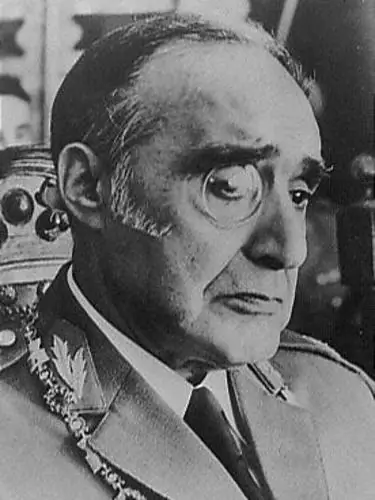
In May 1958, after a crowd had welcomed him in Porto, Humberto Delgado returned to Lisbon by train. People were waiting for him all the way from Santa Apolónia to the Terreiro do Paço, kept at a distance by the GNR cavalry. The PIDE diverted the general’s motorcade to the eastern part of the city, and the Guard chased and beat his supporters across the Terreiro do Paço, the Rossio, the Restauradores and the streets of the Baixa.1 Fifty years later, the City Council unveiled a plaque bearing the general’s likeness in the station.2
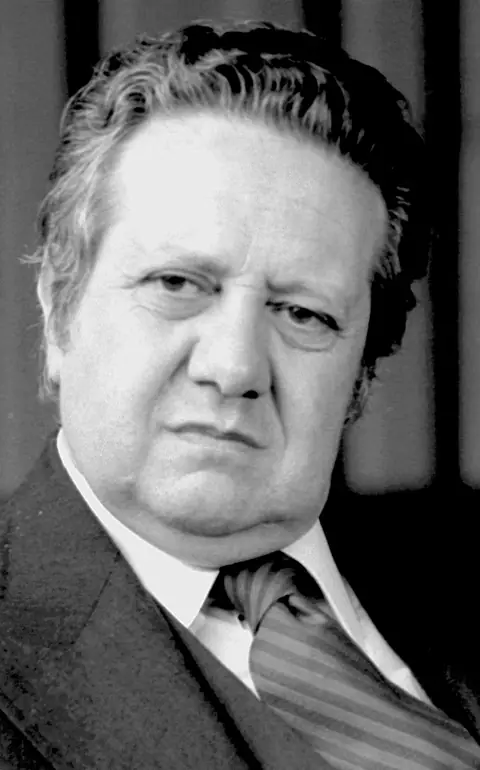
On 25 April 1974, Mário Soares was in Bonn.10 Three days later, on 28 April, he arrived here by train, with Maria Barroso, also a founder of the Socialist Party.39 A crowd was waiting for them; from a balcony of the station, Soares addressed the street with a loudhailer in his hand, and then went on to the Palácio da Cova da Moura to meet General Spínola.9 The Casa Comum photographs show Ramos da Costa and Manuel Tito de Morais on the balcony with them.4
Two days later Álvaro Cunhal arrived, at the airport; on 30 April, the National Salvation Junta authorised the return of all the exiles.3
Fernanda Gonçalves tells how she heard about the revolution while in Aveiro, arrived the next day at Santa Apolónia on a train full of friends and went on to Caxias, where thousands of people were waiting for the political prisoners to come out. She remembers the passage the crowd kept open for the negotiations with the PIDE, inside.
Original page Licença padrão do YouTube — embed permitido pelo canal oficial da Câmara Municipal de Lisboa
Câmara Municipal de Lisboa, on YouTube. The player only connects to that site when you press “Watch”.
In other archives
These can only be viewed on each archive’s own website.
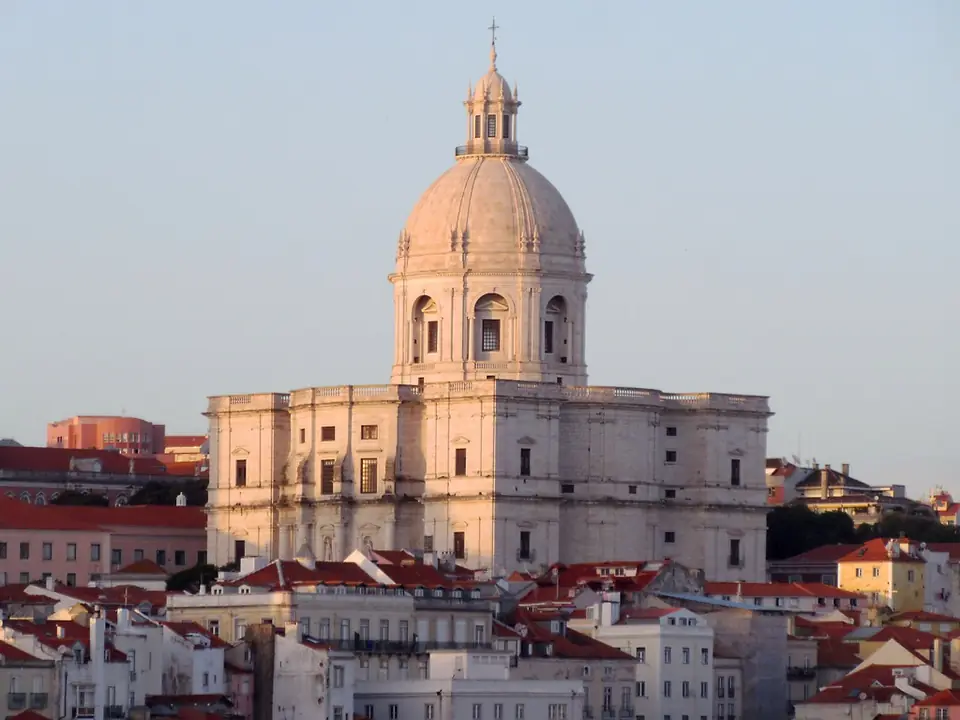
Since 1990 the remains of Humberto Delgado have rested here — the “Fearless General” (General sem Medo), murdered by the PIDE in 1965 together with his secretary, Arajaryr Campos — and, since 2014, those of the poet Sophia de Mello Breyner Andresen.
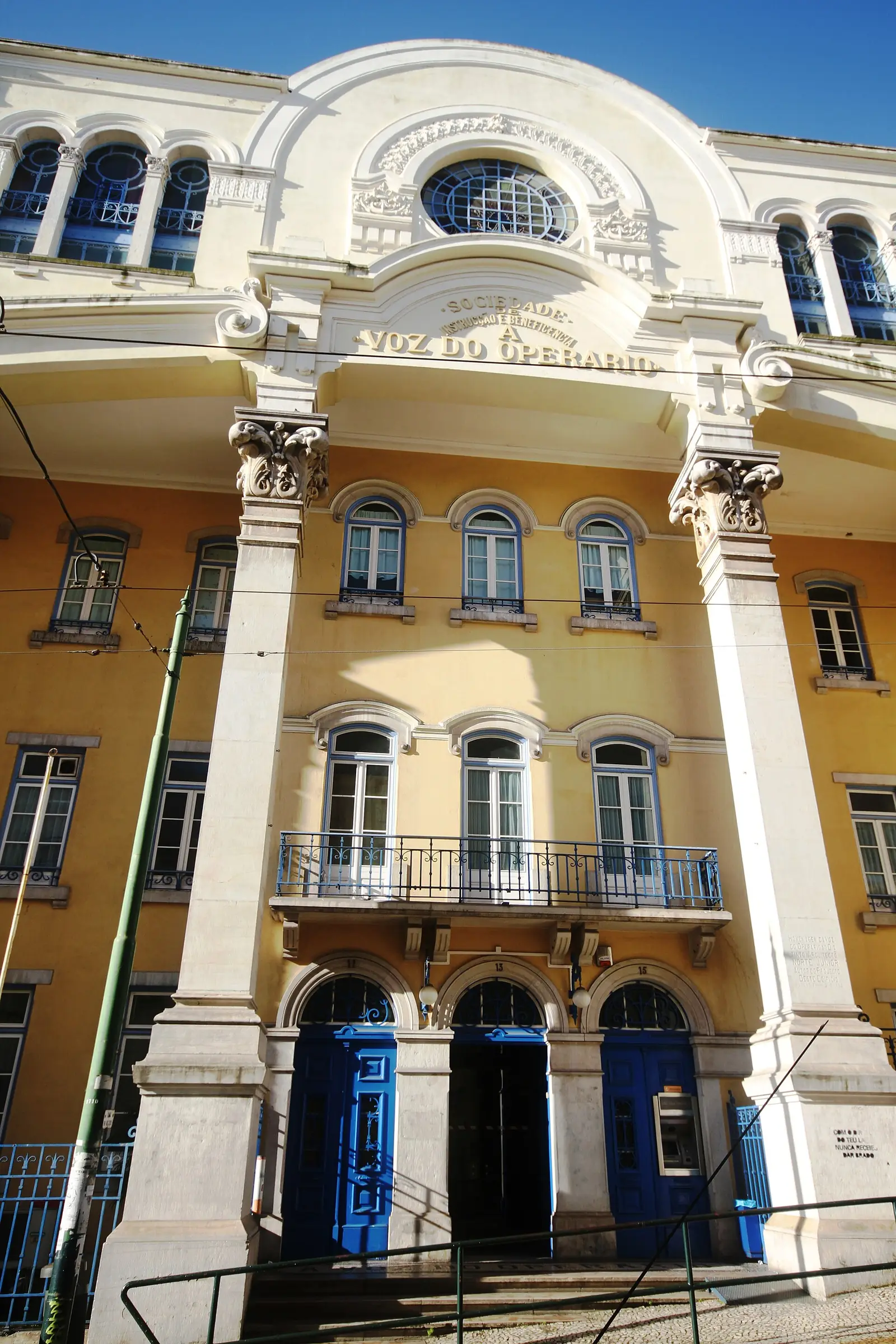
Today: A Voz do Operário Education and Welfare Society
It was born in 1879 as the newspaper of the tobacco workers and became the largest people’s school in Lisbon. In 1949, the opposition held rallies here for the candidacy of Norton de Matos, with Maria Lamas, Isabel Aboim Inglez and Cesina Bermudes.
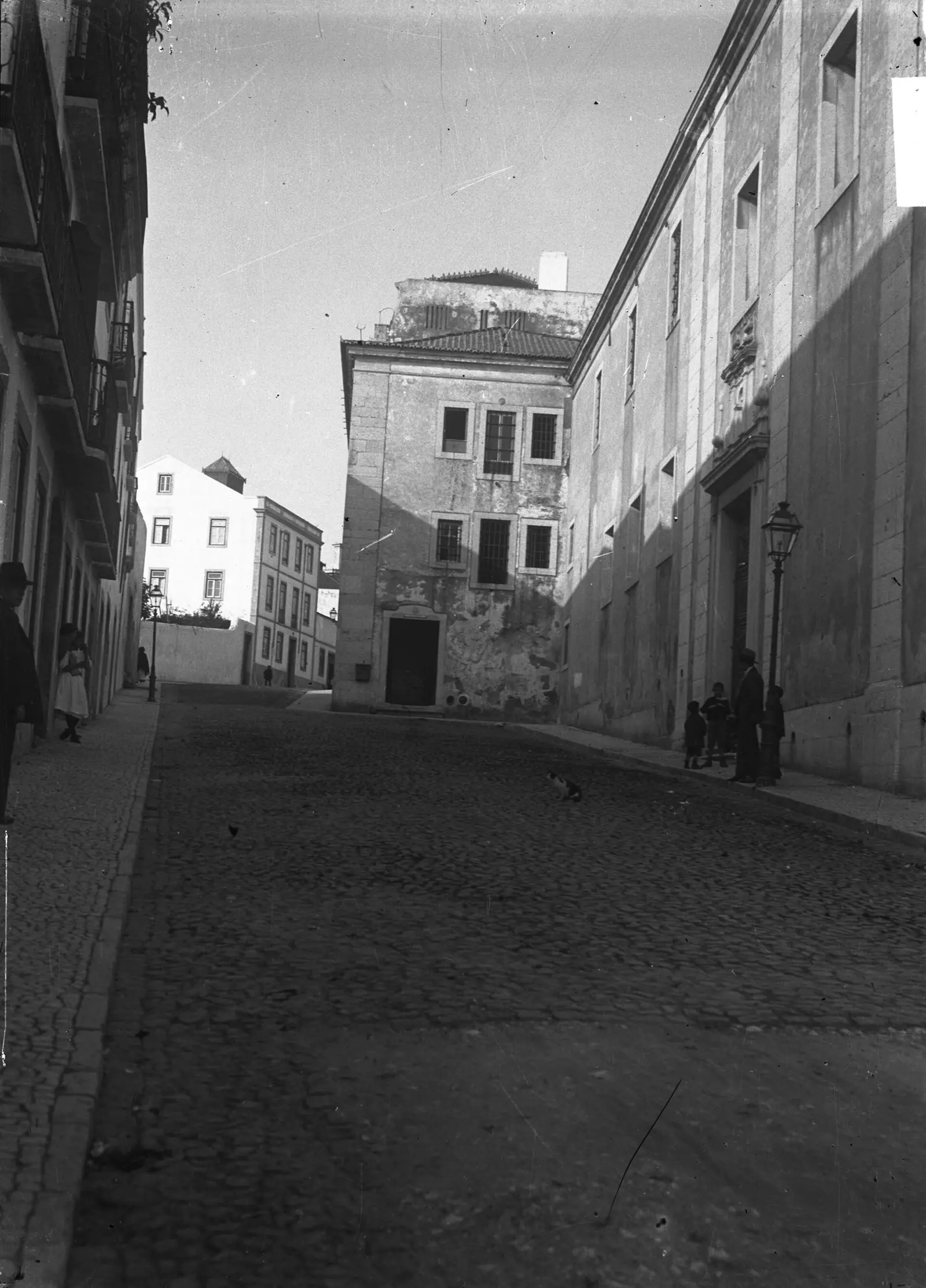
A 16th-century convent turned into a women’s prison. It was mainly a prison for common crimes, but it took in women political prisoners — and served as a punishment for women of the opposition, such as Isabel Aboim Inglez, sent here by the Plenary Court.
Sophia de Mello Breyner Andresen lived on the first floor of no. 57 from 1951 until her death in 2004. A home with its doors open to the opposition, with one side facing the river and the other the lane of the Mónicas women’s prison.
Culture and censorshipOppositionWomen
Notes on the sources3
The day of Delgado’s arrival: 16 May 1958 (“Jornal de Notícias”, 2008; the plaque) or 15 May (“the day after” the Porto rally, according to the Aljube Museum).
The day of Soares’s arrival: 28 April 1974 (most of the Casa Comum photographs) or 27 April (another photograph; a blog).
The exact wording of the 2008 plaque.
Do you know more, or do you have a document? Tell us.





.jpg)