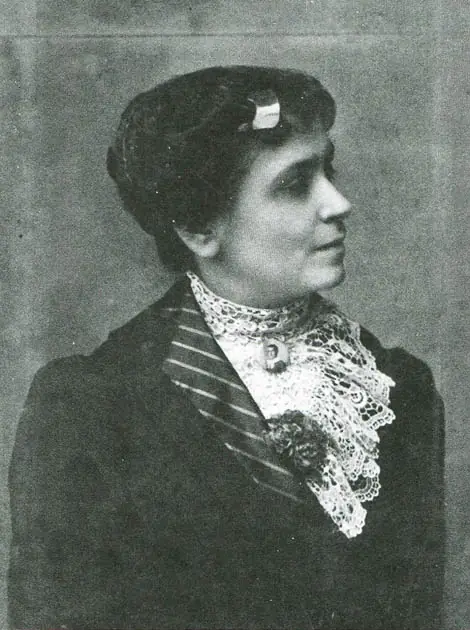
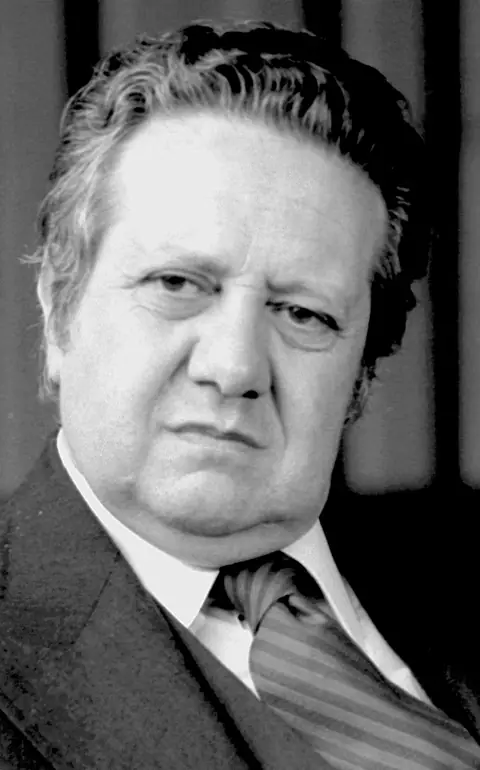
A redação do jornal «República», segundo a legenda do arquivo Anefo, a 11 de fevereiro de 1975 — três meses antes do «caso República». Fotografia de Rob Mieremet.Rob Mieremet / Anefo, CC0 1.0
Misericórdia
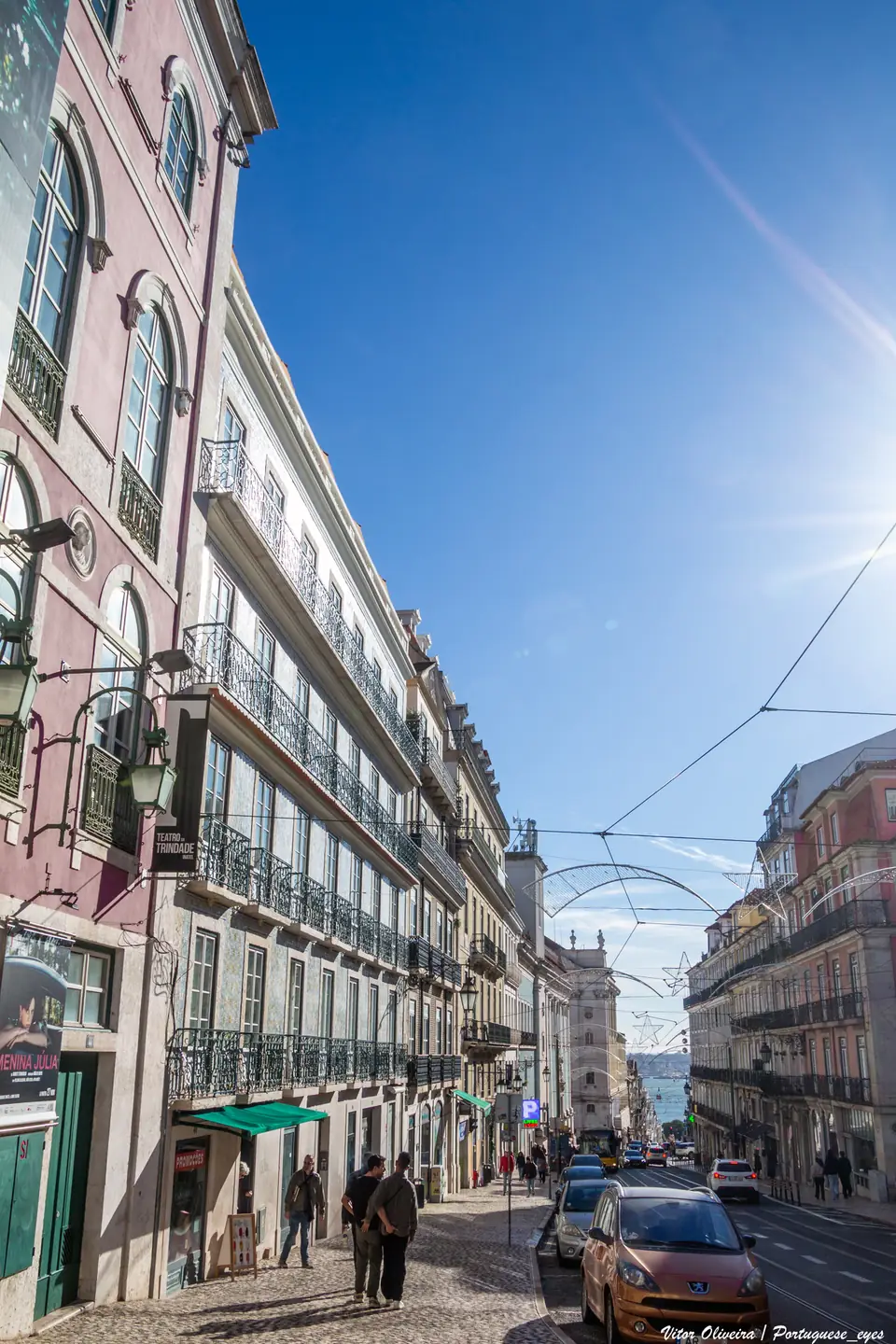
Headquarters of the newspaper República (Rua da Misericórdia)
At no. 116 stood República, the daily of the democratic opposition. It took part in the 25 April conspiracy, came out that day without going through the censors and, in May 1975, gave its name to one of the great crises of the revolution, the “República affair”.
Under the Estado Novo (“New State”), República gave a voice to the democratic opposition.4 It stood at no. 116 Rua da Misericórdia, almost opposite the censorship office, which had been working at no. 125 since 22 September 1969.6 Women of the opposition also wrote for the paper: the memoirs of the suffragist Maria Veleda appeared in its pages in 1950,7 and Helena Neves, banned from teaching after being arrested in 1969, coordinated its supplement Presença da Mulher (Women’s Presence).8Maria Teresa Horta was another of its contributors.9
In mid-April 1974, the journalist Álvaro Guerra, a link between MFA officers and the civilian opposition, secured the cooperation of the paper’s core team: the editor, Raul Rego, and the journalists Álvaro Belo Marques, Carlos Albino, Fernando Assis Pacheco, José Jorge Letria and Vítor Direito.6 It was Carlos Albino whom Álvaro Guerra asked, on 23 April, for a song for the programme Limite on Rádio Renascença; out of that conversation came “Grândola”.2 In the 14:00 edition of the 24th, República published a short note, headed “Limite”, saying that the programme had become “a radio slot that is compulsory listening”.63
On 25 April, Raul Rego refused to send the proofs to the “Prior Examination”, and the paper came out with the headline “The Armed Forces have taken power” (As Forças Armadas tomaram o poder) and a line at the foot of the front page: “This newspaper has not been vetted by any Censorship Commission” (Este jornal não foi visado por qualquer Comissão de Censura).6 At around 11:00, Commander Martins Guerreiro delivered the MFA Programme here, as approved by the drafting committee. It would not be the official version: the text was changed that night, at the Pontinha command post, at a meeting with Generals António de Spínola and Costa Gomes.1 The next day, in this same street, the people wrecked the premises of the newspaper A Época and those of the censorship office.6
A year later, the paper was at the centre of one of the crises of the revolution. On 19 May 1975, the workers’ coordinating committee, made up mainly of print workers, dismissed the editor, Raul Rego, the deputy editor, Vítor Direito, and the managing editor, João Gomes, accusing them of being mouthpieces of the PS. Rego and the journalists who supported him were prevented from leaving; there were clashes at the door, and people chanted “República belongs to the people, not to Moscow” (O República é do povo, não é de Moscovo). In the early hours, the Minister of Social Communication, Correia Jesuíno, ordered the typesetters to be evacuated, the journalists to be freed and the paper to be sealed. On 22 May, at a PS demonstration, Mário Soares said through a loudhailer: “25 April was made to end a dictatorship, not to impose another one on us” (o 25 de Abril foi feito para acabar com uma ditadura e não para nos vir impor outra).4
República came out again on 10 July, edited by a military officer, Colonel Pereira de Carvalho. That day the PS ministers resigned, and on the 16th those of the PPD; the ousted journalists founded the newspaper A Luta (The Struggle) on 25 August.4República ceased publication in January 1976.5
The last headquarters of press censorship, from 22 September 1969 to 25 April 1974, opposite the offices of the newspaper “República”. Newspapers delivered their proofs here for the “blue pencil”; on 26 April the building was stormed by the people.
From 1931 to 1971 this was the home of the “Diário da Manhã” (Morning Daily), the semi-official newspaper of the National Union, the single party of the Estado Novo (“New State”), and then of “Época”. On 26 April 1974 the people wrecked the headquarters of “Época”; since 2001 the building has been the headquarters of the 25 April Association.
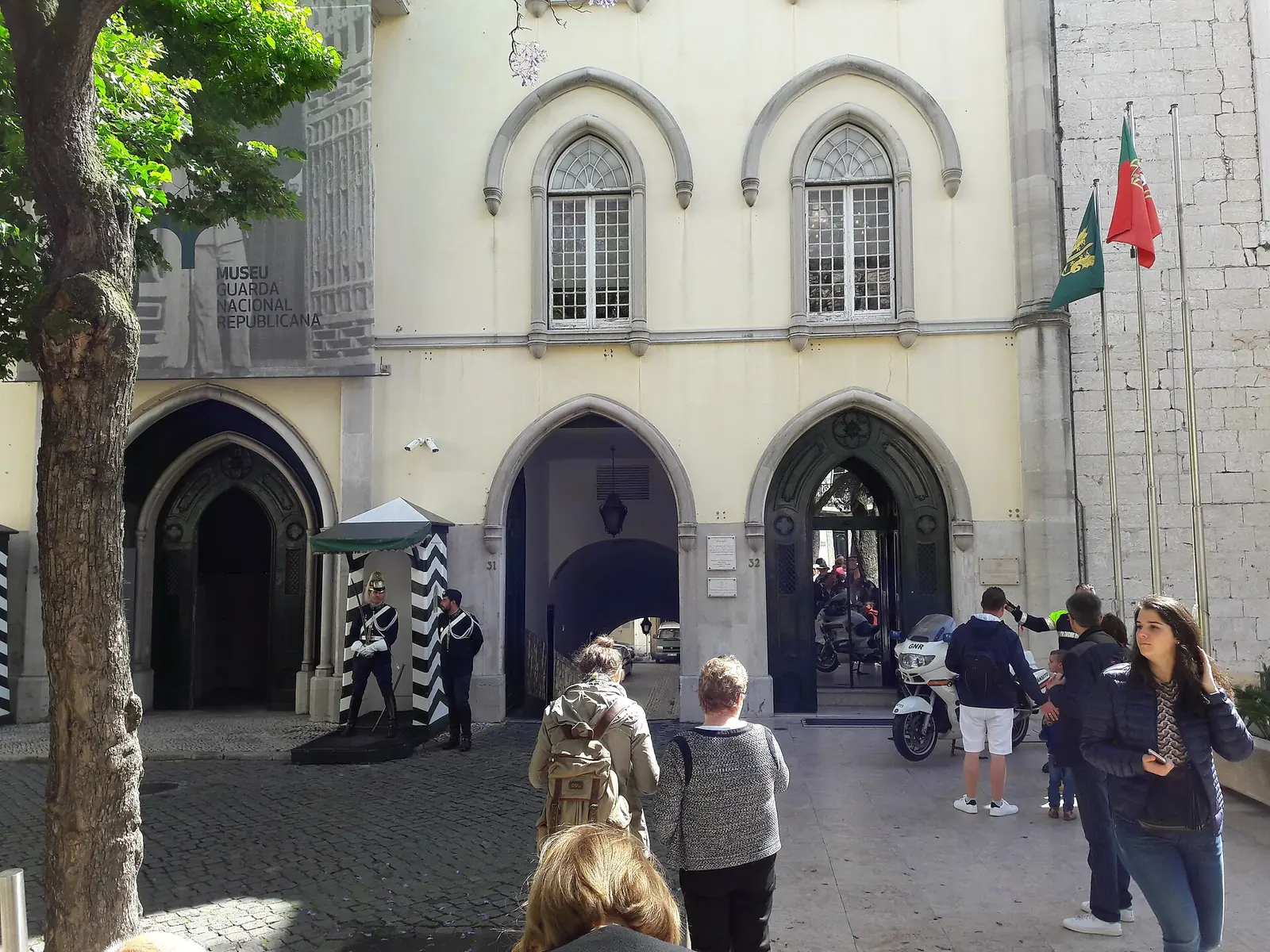
Today: GNR General Command and the National Republican Guard Museum
The most symbolic of the places of April. Marcelo Caetano took refuge in the Carmo Barracks in the early hours of 25 April 1974; surrounded by Salgueiro Maia’s column and by thousands of people, he handed power to General Spínola late in the afternoon.
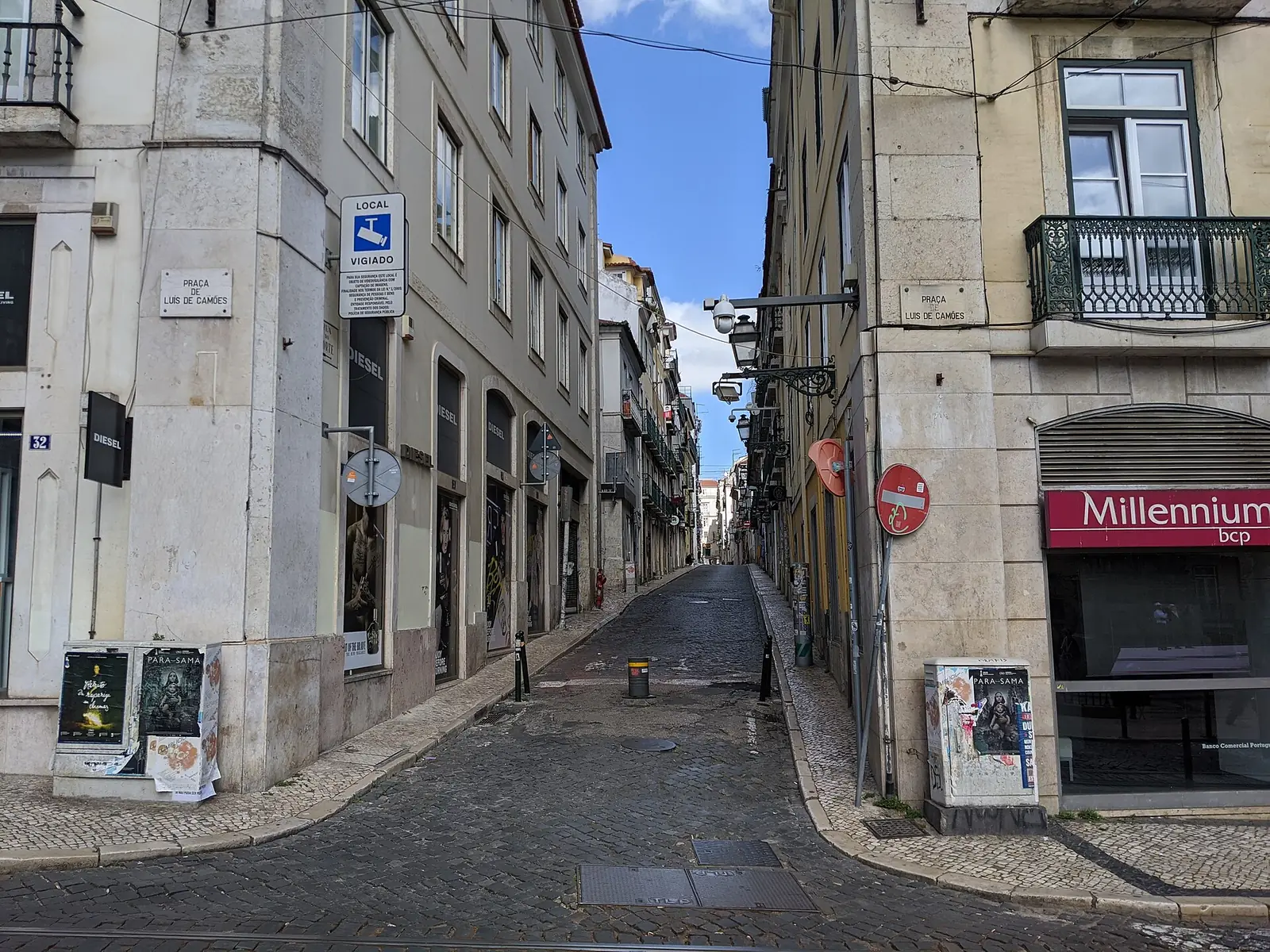
At no. 3 Rua do Norte, on the corner with Praça de Luís de Camões, were the editorial offices of “A Capital”, a republican evening daily. Virgínia Quaresma, the first woman journalist in Portugal, wrote for it and lived just opposite; in 1911, the paper told the story of Carolina Beatriz Ângelo’s fight for the vote.
WomenRepublicCulture and censorship
Notes on the sources2
What the building at no. 116 is today, and whether there is any plaque on it.
Since when República was on Rua da Misericórdia — and so whether the contributions of Maria Veleda (1950) and Helena Neves were already made in this building.
Do you know more, or do you have a document? Tell us.