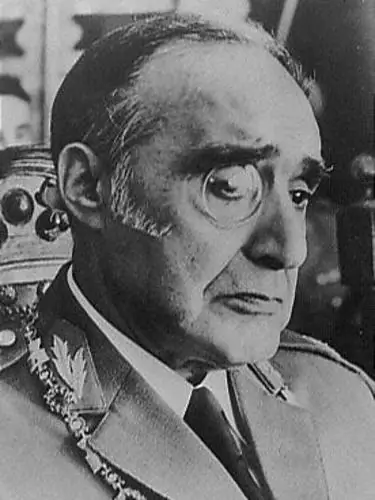
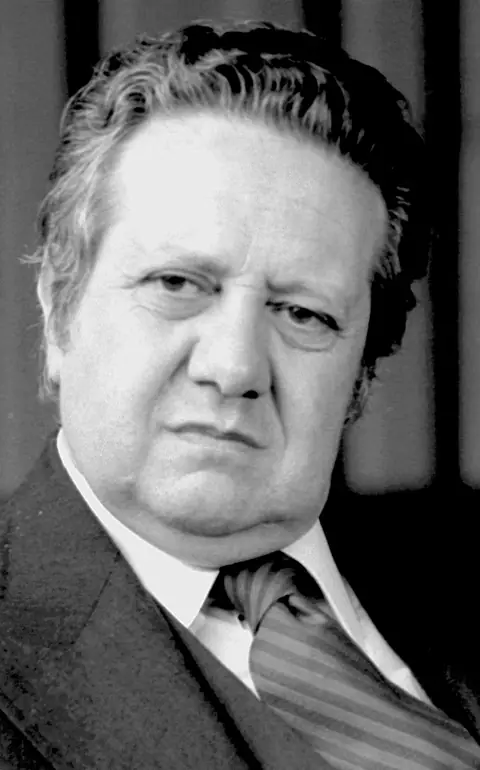
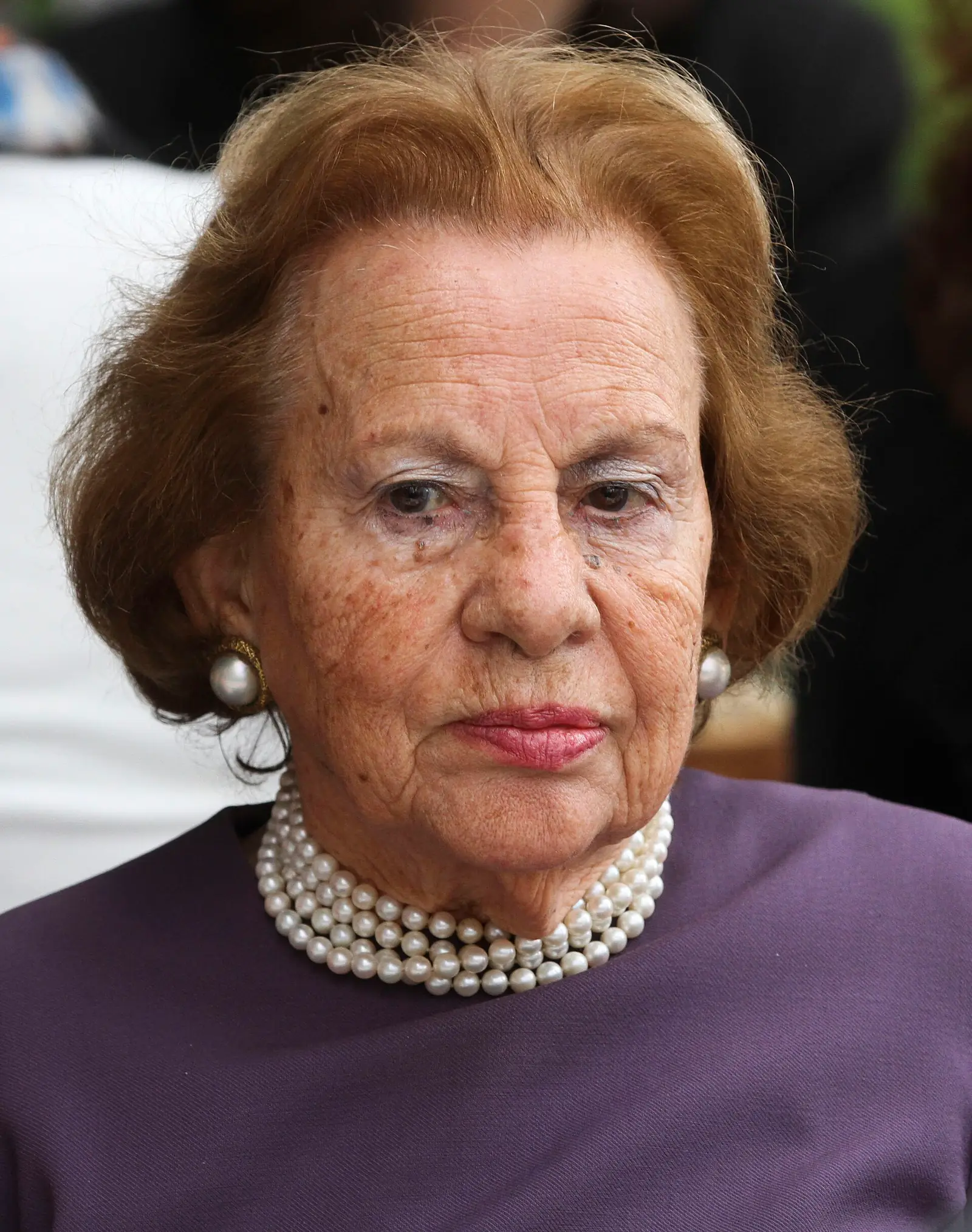
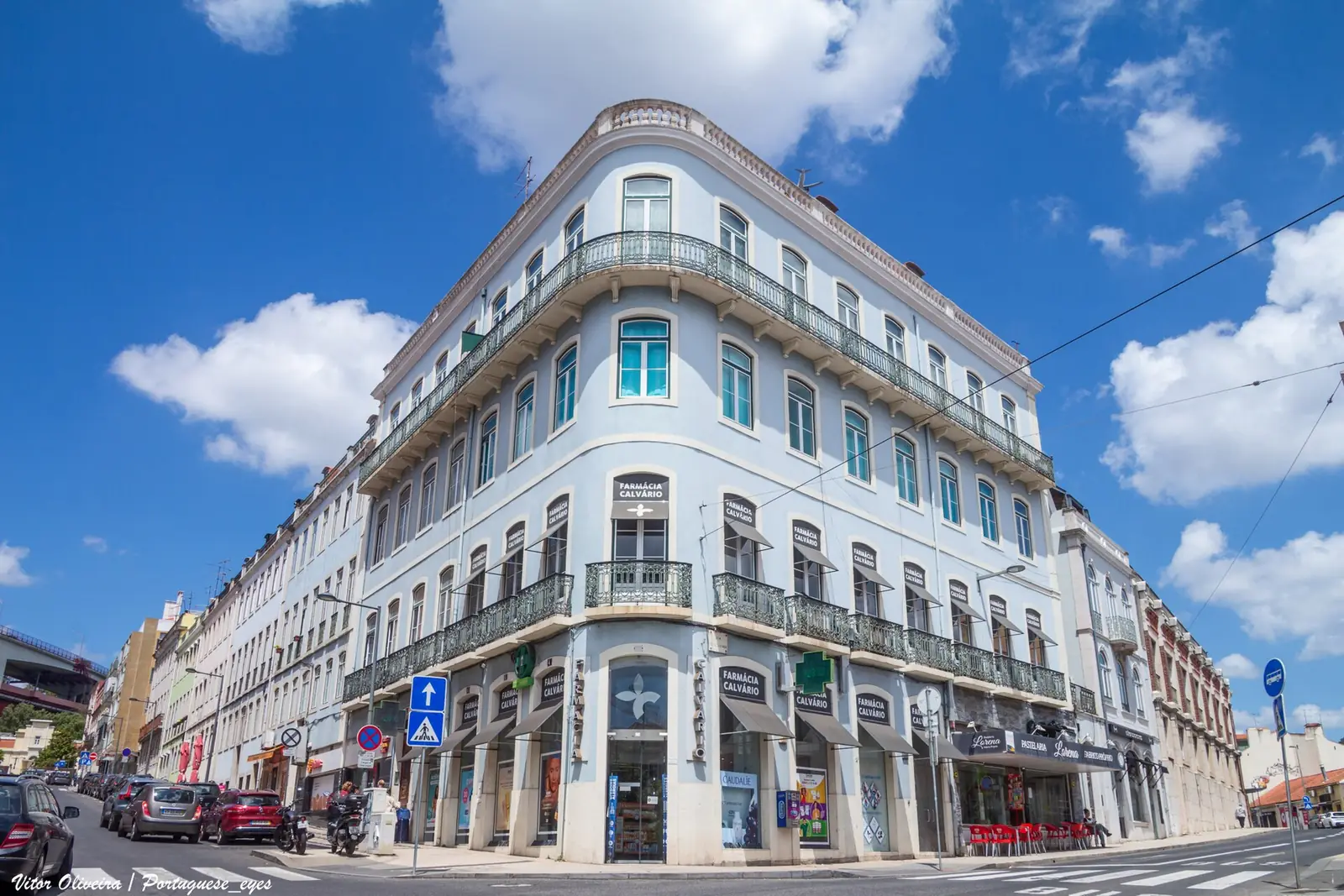
On the night of 26 April 1974, Spínola’s aide-de-camp came here to consult the National Salvation Junta and took from here to Caxias the order to release all the political prisoners. Here Spínola also received Mário Soares, back from exile, and the bankers.
On the morning of 26 April 1974, a force of paratroopers took Caxias Prison. The National Salvation Junta wanted to distinguish between those imprisoned “for ideological reasons” and those accused of common crimes — an idea of General António de Spínola that was hard to put into practice — and the prisoners replied “All of us or none” (ou todos ou ninguém). Faced with the deadlock, Colonel Dias de Lima, Spínola’s aide-de-camp, came to Cova da Moura to consult the Junta. He returned to Caxias at five minutes to midnight, with the news that the prisoners would be released “in their entirety and immediately”.1
The release began at 00:30 on 27 April, before thousands of people. Among those who walked out were the journalists Helena Neves and Elvira Nereu, and Manuela Gil, an office worker sentenced to two years “for alleged participation in the Portuguese workers’ movement”, who had three months of her sentence left to serve.1
On 28 April, Mário Soares, back from exile in France with Maria Barroso, spoke to the crowd from a balcony at Santa Apolónia and went on from there to the Palácio da Cova da Moura, for a meeting with Spínola.2 The next day, Spínola received representatives of the banks here: Miguel Quina, José Manuel de Melo, António Champalimaud and Ricardo Espírito Santo.3
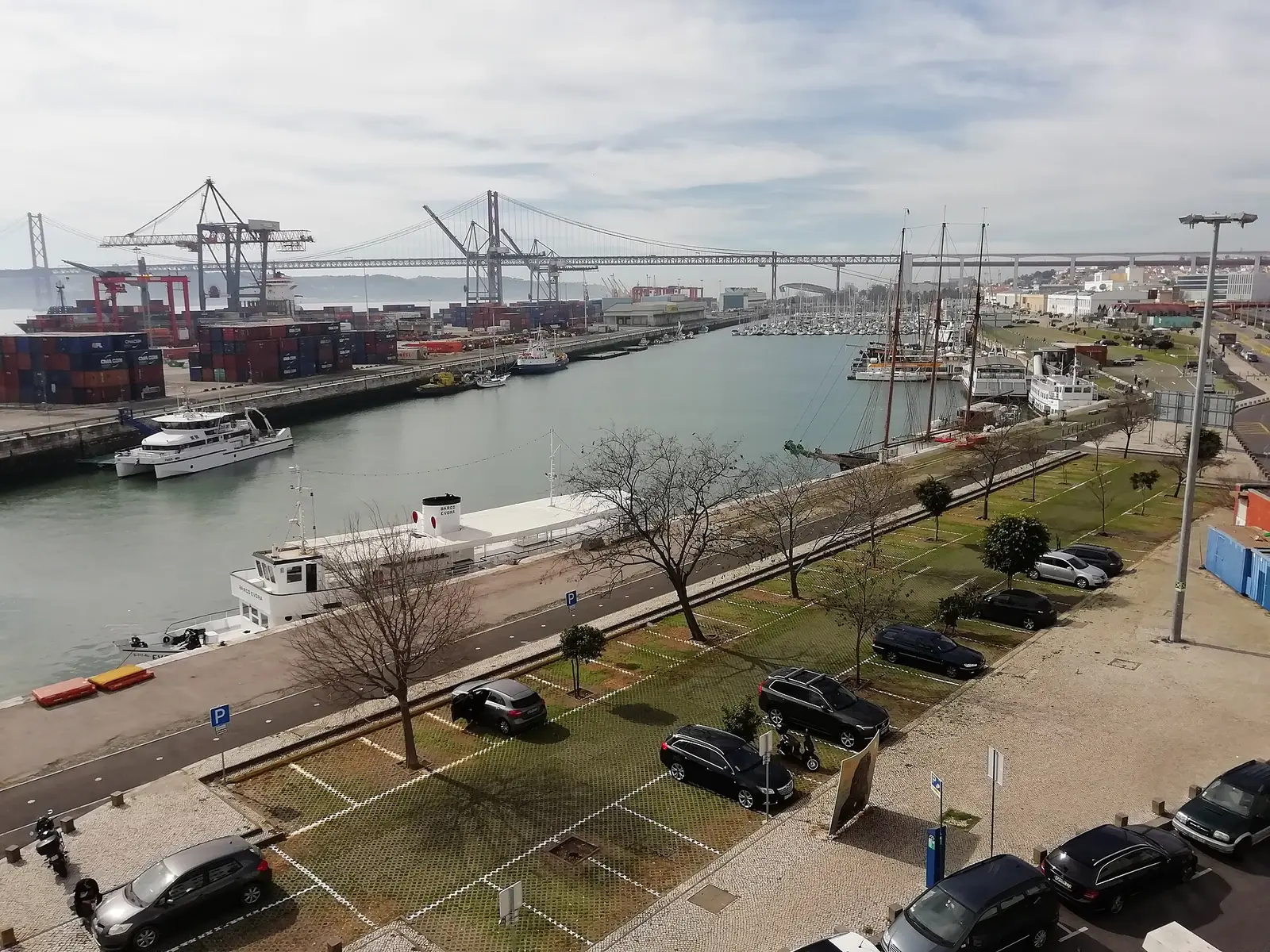
The first action of the ARA, the armed wing of the PCP: on the night of 26 October 1970, explosive charges blew a hole in the freighter “Cunene”, which carried weapons and supplies for the colonial war and was left “flooded and immobilised in the Alcântara dock”.
In this street in Alcântara, then Rua da Creche, PIDE agents shot dead the sculptor and communist leader José Dias Coelho on 19 December 1961. His partner, Margarida Tengarrinha, only learned of his death a week later. The street has borne his name since 1975.
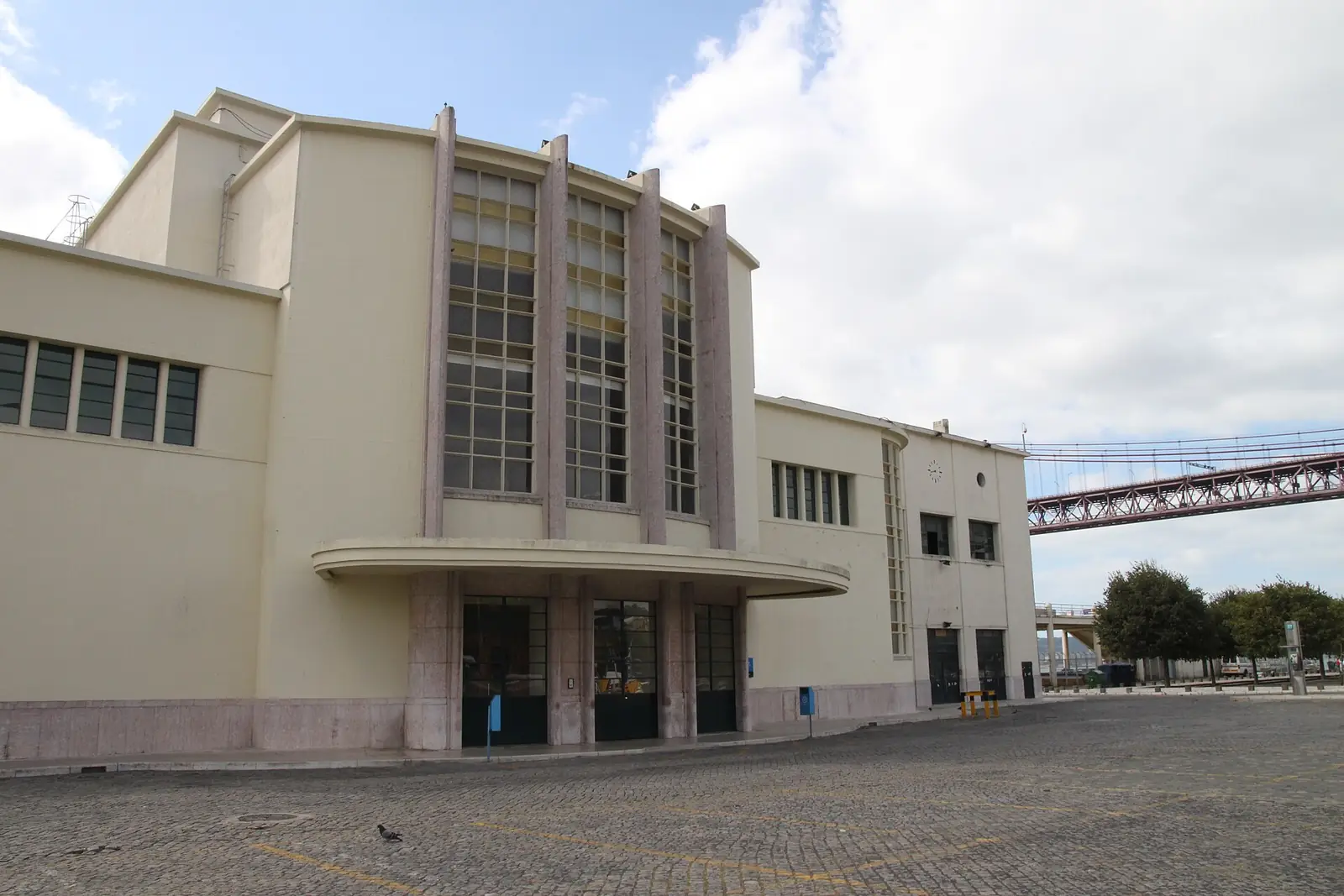
Today: Gare marítima e Centro Interpretativo Murais de Almada nas Gares Marítimas
Inaugurada em 1943 e pintada por Almada Negreiros, foi porta de partida e de chegada do império: daqui e da vizinha Rocha do Conde de Óbidos partiram soldados para a guerra colonial, e aqui se amontoaram, em 1975, os caixotes de quem regressava de África.
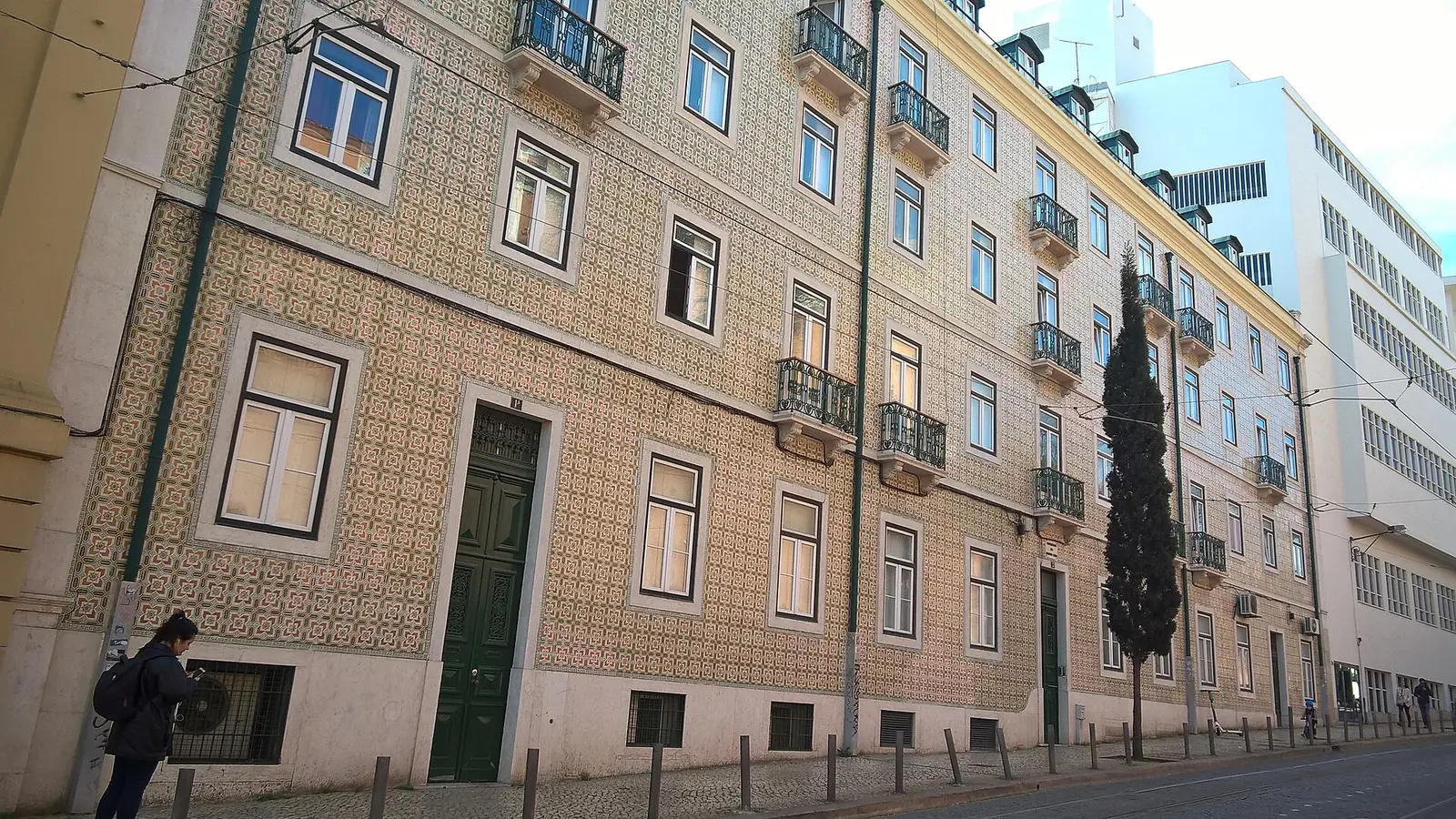
Today: Calçada Ribeiro Santos (formerly Calçada de Santos)
José António Ribeiro Santos, the student killed by the DGS in 1972, lived here; from here his funeral set out, one of the largest demonstrations of the final phase of the dictatorship. The street has borne his name since the first street-naming edict after 25 April.
RepressionStudentsRevolution
Notes on the sources2
Whether the National Salvation Junta had its headquarters here: the sources say only that Colonel Dias de Lima came here to consult it and that Spínola received people here.
The current use of the palace.
Do you know more, or do you have a document? Tell us.