Oppositionsoldier and aviator, Air Force generalfounder of TAPopposition candidate in the 1958 presidential electionexilemurdered by the PIDE
Born
15 May 1906, Boquilobo (Brogueira), Torres Novas
Died
13 February 1965, near Badajoz / Villanueva del Fresno (Spain)
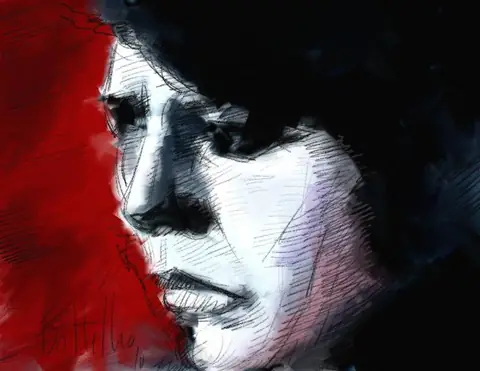
The “Fearless General” (general sem medo): a man of the regime who went over to the opposition, he stood for the Presidency in 1958, answered “Obviously, I’ll sack him!” (Obviamente, demito-o!) when asked what he would do with Salazar, and drew crowds. The PIDE murdered him in 1965.
He was born in Boquilobo, Torres Novas, on 15 May 1906.1 An artillery officer and aviator, he took part in the coup of 28 May 1926 and held prominent posts in the Estado Novo (“New State”), in the Portuguese Legion and in the Portuguese Youth (Mocidade Portuguesa).1 He founded Transportes Aéreos Portugueses in 1945 and was military attaché in Washington.17 From the 1940s onwards his dissent deepened, until in 1958 he emerged as “the Fearless General” (o general sem medo).1
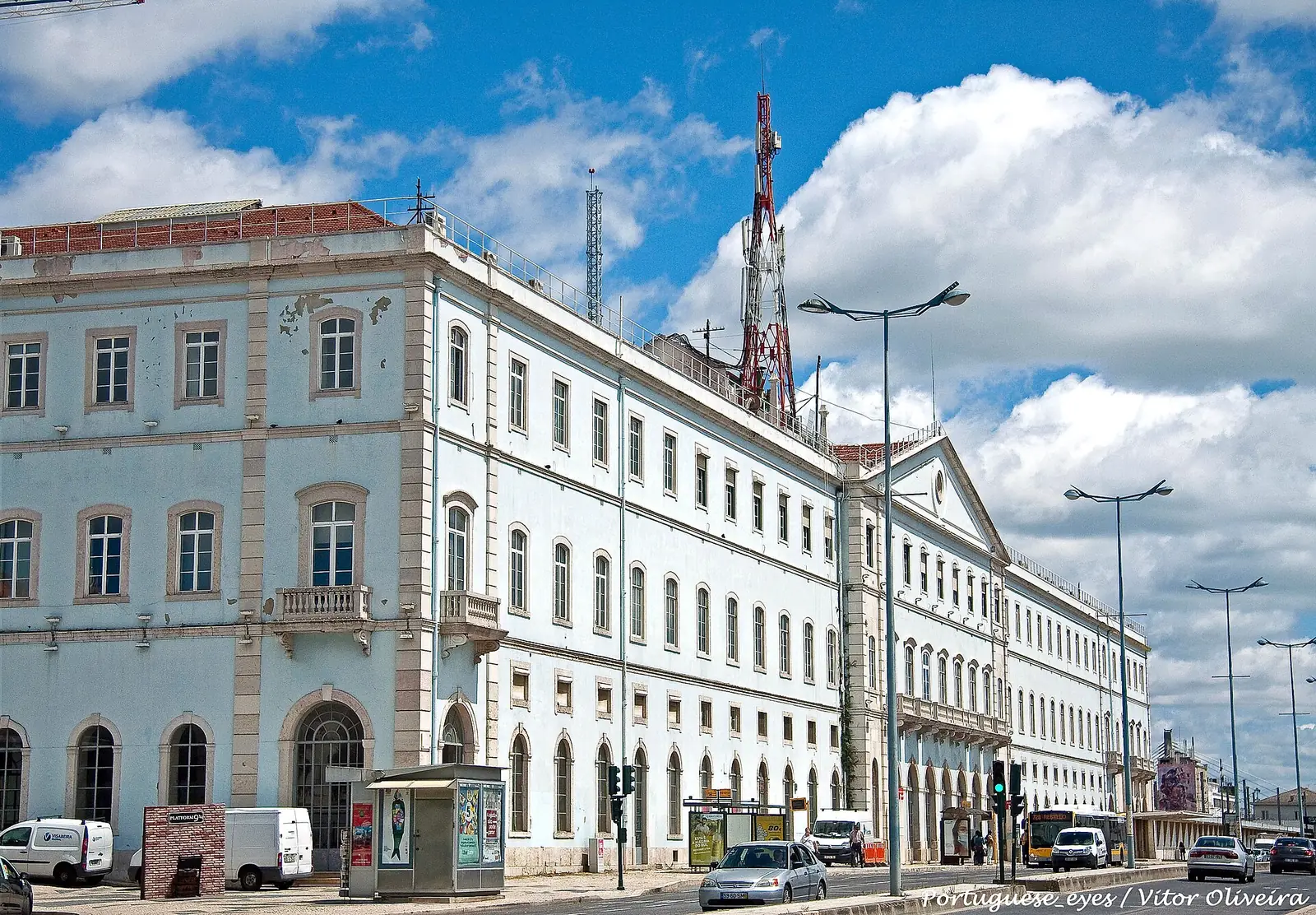
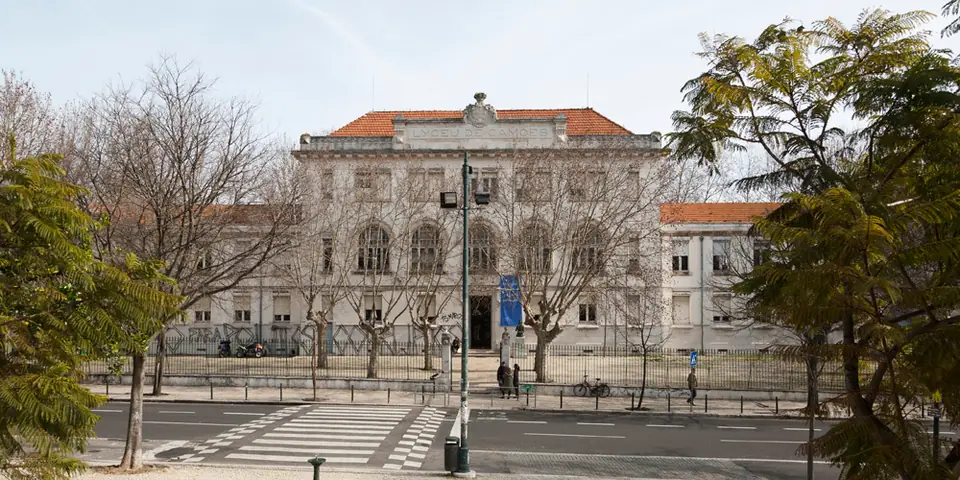
That year he was the opposition candidate in the presidential election, after Arlindo Vicente withdrew in his favour.1 On 10 May, at a press conference at the Café Chave d'Ouro, he was asked what he would do with Salazar if he were elected. He replied: “Obviously, I’ll sack him!” (Obviamente, demito-o!)23 The campaign drew crowds, beginning in Porto, on 14 May.2 In Lisbon, the GNR charged his supporters when he arrived at Santa Apolónia, and the violence was repeated after the rally in the gymnasium of the Liceu Camões, on 18 May.36 The regime resorted to fraud, and on 8 June Américo Tomás was declared elected.1
Dismissed, he sought asylum at the Brazilian Embassy and left for Brazil in April 1959.1 In exile he followed the preparations for the seizure of the liner Santa Maria and, in the last days of 1961, on the eve of the Beja revolt, he entered Portugal clandestinely. In 1963 he passed through Czechoslovakia and Algeria.1
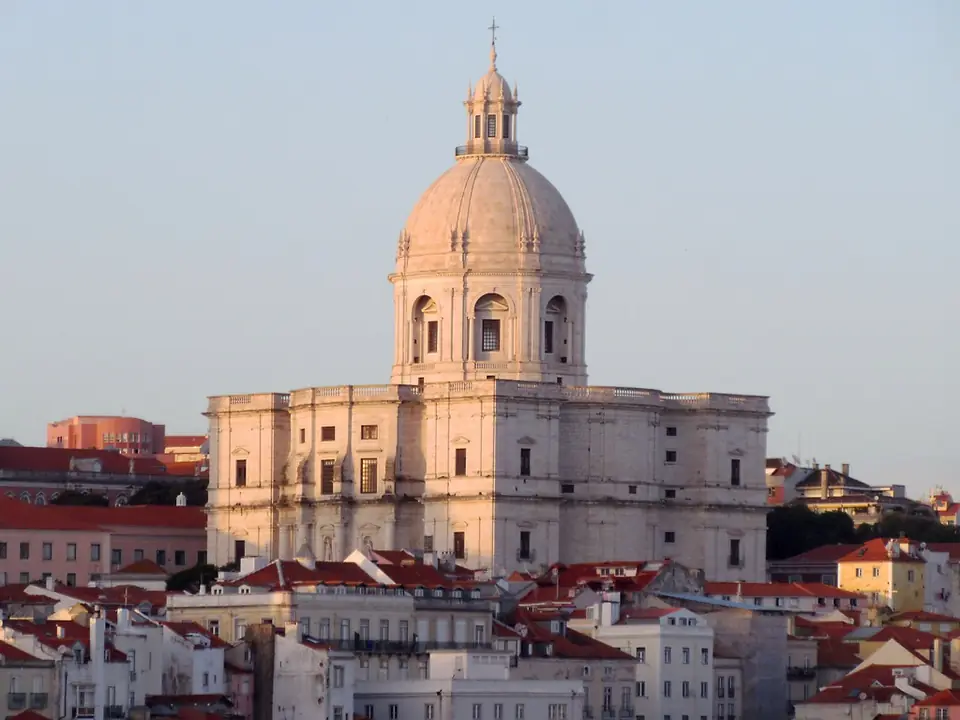
The PIDE lured him into a trap. On 13 February 1965, near Badajoz, a political police squad murdered him, together with his secretary, the Brazilian Arajaryr Campos.15 He was buried in Spain; his remains were moved to Lisbon in 1975 and, on 5 October 1990, to the National Pantheon.789
From the archives
In other archives
These can only be viewed on each archive’s own website.
A Brazilian, Humberto Delgado’s secretary and companion in exile, she was murdered with him by a PIDE squad near Badajoz on 13 February 1965, at the age of 34.
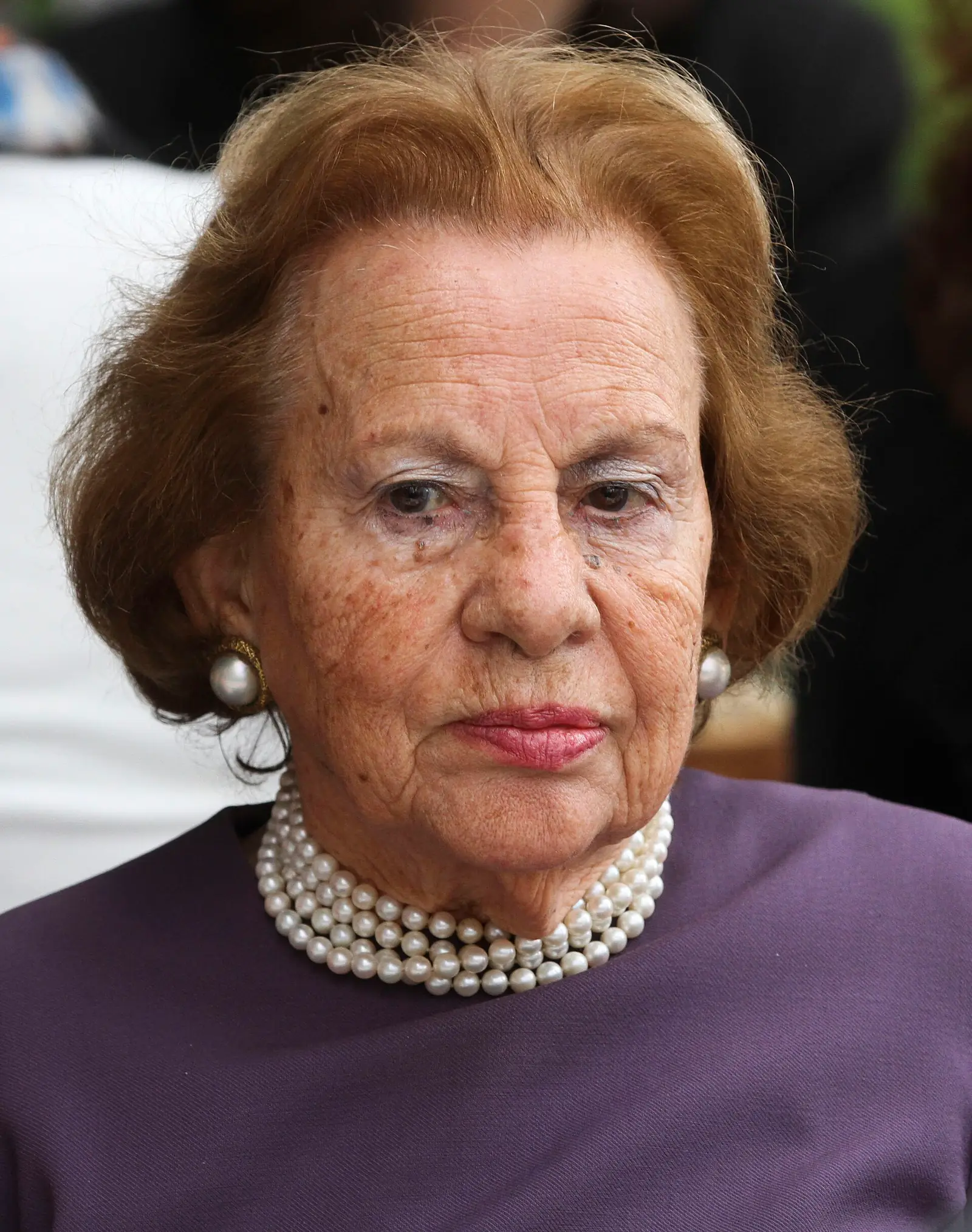
An actress who recited poetry against the regime, she was an opposition candidate in 1969 and the only woman to speak at the opening of the Aveiro Congress, in 1973. She was at the founding of the Socialist Party and, on 28 April 1974, accompanied Mário Soares on the train that brought him back from exile to Santa Apolónia.
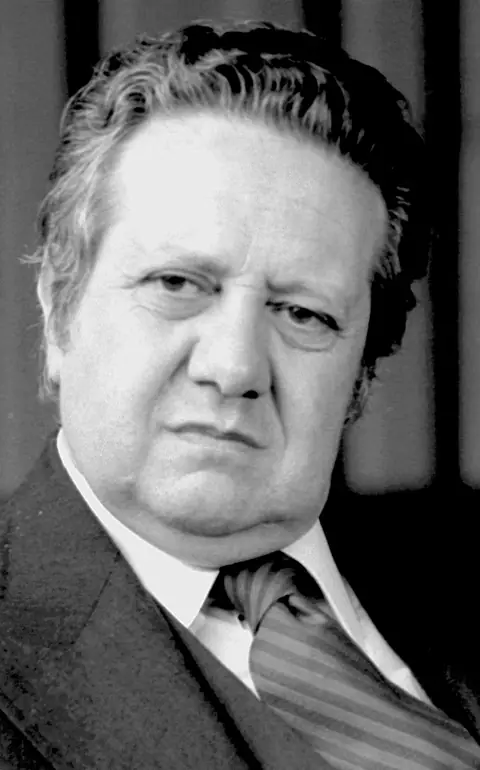
General secretary of the PS, he returned from exile on 28 April 1974 and was greeted by a crowd at Santa Apolónia. In 1975 he took on the PCP in the República affair and at the Fonte Luminosa rally; in 1976 he headed the First Constitutional Government.
A former leader of the Catholic Workers’ Youth, he was the “civilian soul” of the “Revolta da Sé” (Cathedral Revolt), in 1959, and the civilian leader of the Beja revolt, in 1962. He spent 11 years in prison and was tortured.
An underground communist activist, she was arrested in 1959 and sentenced to eight years of major imprisonment plus security measures, which she served in Caxias. A deputy from the Constituent Assembly onwards, she chaired the Parliamentary Committee on the Status of Women from 1983 to 1985.
A poet and publisher, she was the Portuguese writer with the most works censored. Tried at the Plenary Court over the “Antologia de Poesia Portuguesa Erótica e Satírica” (Anthology of Portuguese Erotic and Satirical Poetry), she published “Novas Cartas Portuguesas” (New Portuguese Letters) and opened the Botequim in Graça, where she celebrated 25 April. She later became a deputy.
Notes on the sources3
The place of death: Badajoz (Aljube Museum, 50th Anniversary Commemorative Commission) or near Olivença (National Pantheon; Wikipedia is more precise: Los Almerines, near São Rafael de Olivença). The bodies were not found until April 1965, at Villanueva del Fresno.
The day he arrived at Santa Apolónia: 16 May 1958, the date chosen for the plaque unveiled at the station in 2008, or 15 May, “the day after” Porto, according to the Aljube Museum.
When his dissent began: from the 1940s (Aljube Museum) or in the 1950s (50th Anniversary Commemorative Commission).
Do you know more, or do you have a document? Tell us.





.jpg)