
Women of the resistance
Maria de Lourdes Pintasilgo
Maria de Lourdes Ruivo da Silva Pintasilgo
- Born
- 18 January 1930, Abrantes
- Died
- 10 July 2004, Lisbon
An engineer and progressive Catholic, from 1970 she prepared what would become the Commission on the Status of Women, was Minister of Social Affairs in 1974–1975 and the only woman to have headed a government in Portugal (1979–1980).
She was born in Abrantes on 18 January 1930.2 In 1953 she graduated in Industrial Chemical Engineering from the Instituto Superior Técnico, in a year of 250 students with only three women; she worked at the Nuclear Energy Board and at CUF, which for the first time took on a woman among its senior technical staff. She presided over the Catholic University Women’s Youth (Juventude Universitária Católica Feminina) and over Pax Romana, and founded the Grail movement in Portugal.67
In 1969 she turned down Marcelo Caetano’s invitation to become a deputy, but agreed to be a member (procuradora) of the Corporative Chamber, where she was outvoted on opinions such as the one on press freedom.2 From 1970, at the Ministry of Corporations, she coordinated a working group on policy for women, which in 1973 gave rise to the Commission for Social Policy on Women and, in 1975, to the Commission on the Status of Women.3 In 1974 she wrote the preface to the second edition of Novas Cartas Portuguesas (New Portuguese Letters).7
After 25 April she was Secretary of State for Social Security and Minister of Social Affairs in the Second and Third Provisional Governments, between July 1974 and March 1975; she introduced the principle of universal social benefits.6 She was later ambassador to UNESCO.2
At the invitation of President Ramalho Eanes, she headed the Fifth Constitutional Government, from 1 August 1979 to 3 January 1980 — the first and, to this day, the only woman prime minister of Portugal.5 One of the aides to that government’s Secretary of State for Culture was Maria Velho da Costa.9 She stood for the Presidency of the Republic in 1986 and died in Lisbon on 10 July 2004.1
From the archives
Professor Isabel Allegro de Magalhães talks about the time she shared with Maria de Lourdes Pintasilgo, in a testimony recorded for the exhibition “Maria de Lourdes Pintasilgo. Woman of a New Time” (“Maria de Lourdes Pintasilgo. Mulher de um Tempo Novo”), at the Palácio de Belém (May to October 2022). The same channel has testimonies by Lídia Jorge, Leonor Beleza, Maria Elisa Domingues and others.
Original page Licença padrão do YouTube — embed permitido pelo canal oficial do Museu da Presidência da República
Museu da Presidência da República, on YouTube. The player only connects to that site when you press “Watch”.
In other archives
These can only be viewed on each archive’s own website.
- RTP Arquivos · Video · broadcast on 25 February 1975 · 9 minConferência de Imprensa de Melo AntunesMelo Antunes presents the economic and social policy programme to journalists, with the ministers who drew it up. Among them is Maria de Lourdes Pintasilgo, Minister of Social Affairs, who also speaks.Open in the archive
- RTP Arquivos · Video · broadcast on 20 September 1975 · 45 minSe as Mulheres MandassemMaria Antónia Palla interviews Maria de Lourdes Pintasilgo about being a woman among men in the provisional governments and about discrimination against women at work and in power. Also speaking are Maria João Seixas and other women from the Commission on the Status of Women, the doctor Lígia Monteiro, and women in the street and in the countryside.Open in the archive
- RTP Arquivos · Video · broadcast on 1 August 1979 · 2 minTomada de posse de Maria de Lurdes PintasilgoAt the Palácio da Ajuda, Maria de Lourdes Pintasilgo signs the record of her swearing-in as Prime Minister of the Fifth Constitutional Government and talks about her government’s tasks. President Ramalho Eanes also speaks, and then congratulates her.Open in the archive
On the walks
Places

In the timeline
1970
Pintasilgo leads the first working group on womenMay 1971
Working Group for the Participation of Women in Economic and Social Life1973
The Commission for Social Policy on Women is createdMay 1974
Maria de Lourdes Pintasilgo, secretária de Estado da Segurança Social16 May 1974
Toma posse o I Governo Provisório, de Palma Carlos18 Jul 1974
Maria de Lourdes Pintasilgo, Ministra dos Assuntos Sociais1 Feb 1975
Criada a Comissão da Condição Feminina17 Nov 1977
Decreto-Lei n.º 485/77 institucionaliza a Comissão da Condição Feminina1 Aug 1979
Maria de Lourdes Pintasilgo, primeira mulher primeira-ministra26 Jan 1986
Pintasilgo, primeira mulher candidata à Presidência da República1999
Maria de Belém, Ministra para a Igualdade
They crossed paths with her
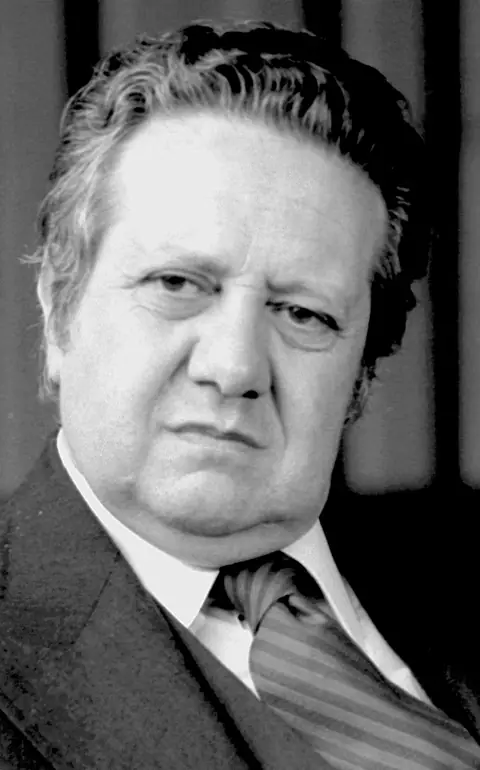
Mário Soares
1924–2017
General secretary of the PS, he returned from exile on 28 April 1974 and was greeted by a crowd at Santa Apolónia. In 1975 he took on the PCP in the República affair and at the Fonte Luminosa rally; in 1976 he headed the First Constitutional Government.
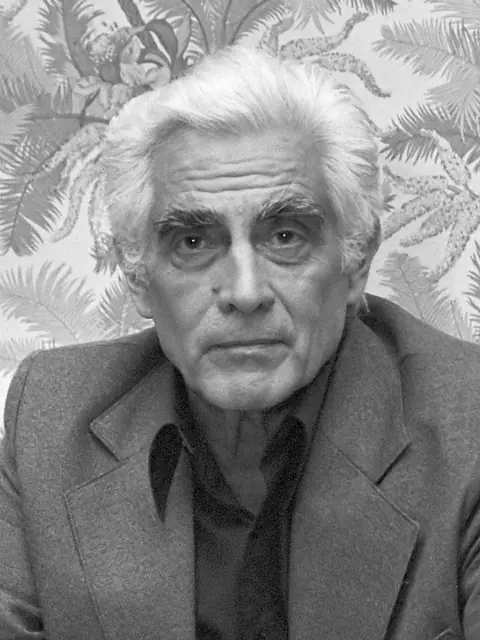
Álvaro Cunhal
1913–2005
A communist leader, he was arrested in 1949 and escaped from Peniche Fortress in 1960. General secretary of the PCP, he returned from exile on 30 April 1974 and addressed the crowd at the airport from the top of a Chaimite armoured car.
Maria Velho da Costa
1938–2020
The novelist of “Maina Mendes” and “Casas Pardas”, she was the one who put to the other two Marias the question that gave rise to “Novas Cartas Portuguesas” (New Portuguese Letters). She received the Camões Prize in 2002.
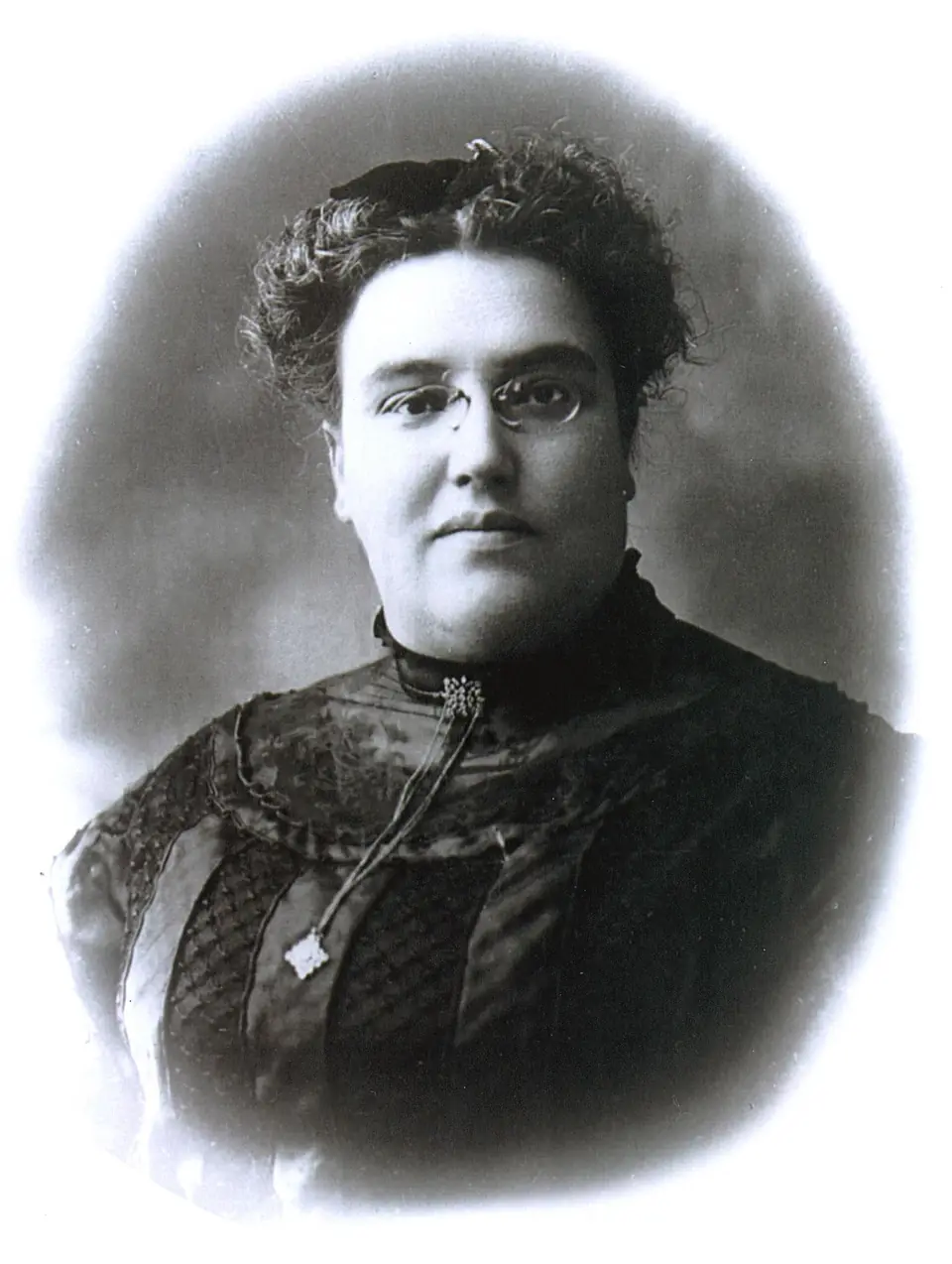
Ana de Castro Osório
1872–1935
A writer, author of what is considered the first Portuguese feminist manifesto (1905), she launched the Republican League of Portuguese Women and founded, with Carolina Beatriz Ângelo, the Feminist Propaganda Association, which advocated the vote for educated women.
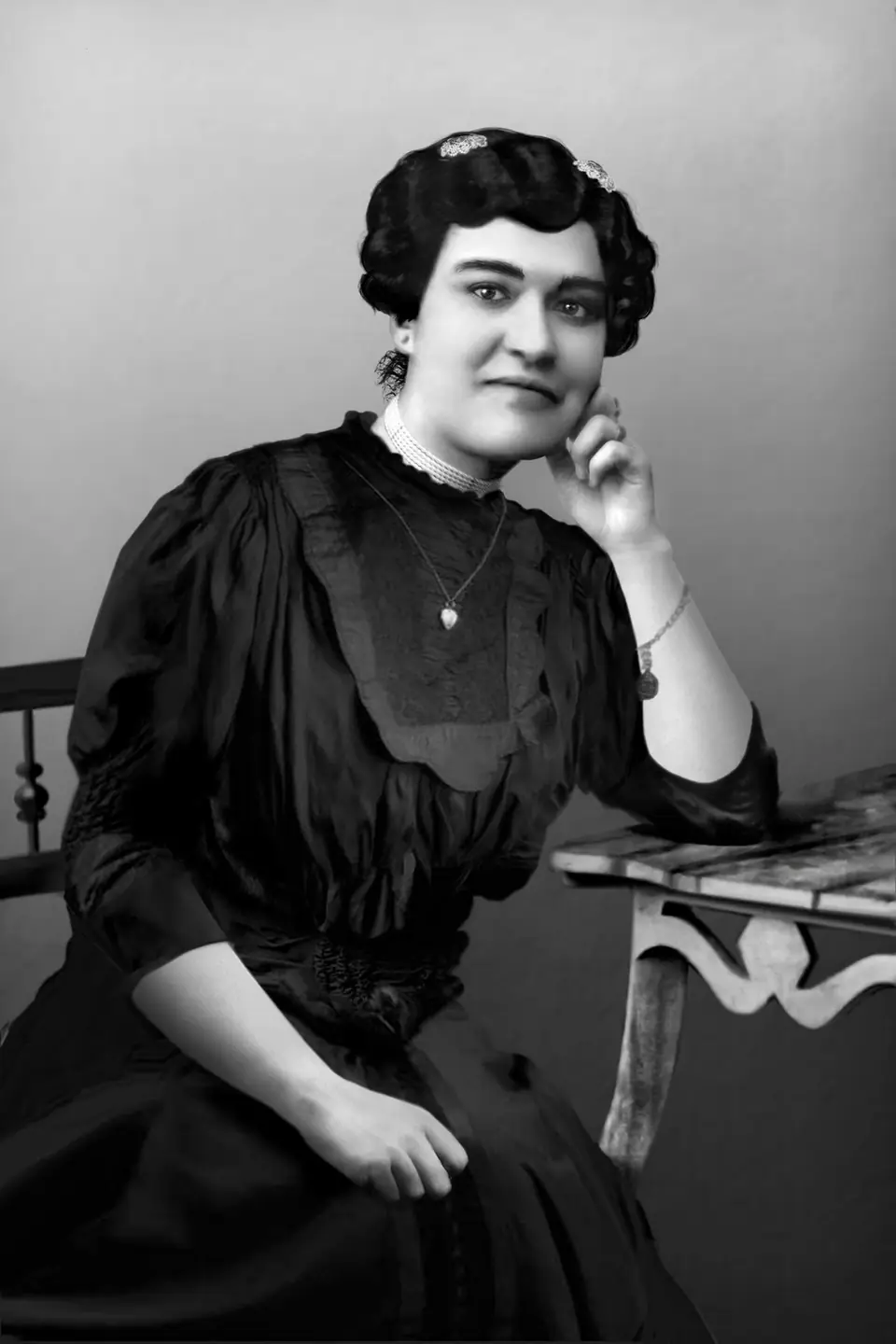
Carolina Beatriz Ângelo
1878–1911
A doctor, the first Portuguese woman surgeon and a suffragist. A widow and “head of household”, she won in court the right to be registered as a voter and, on 28 May 1911, at the Clube Estefânia, became the first woman to vote in Portugal.
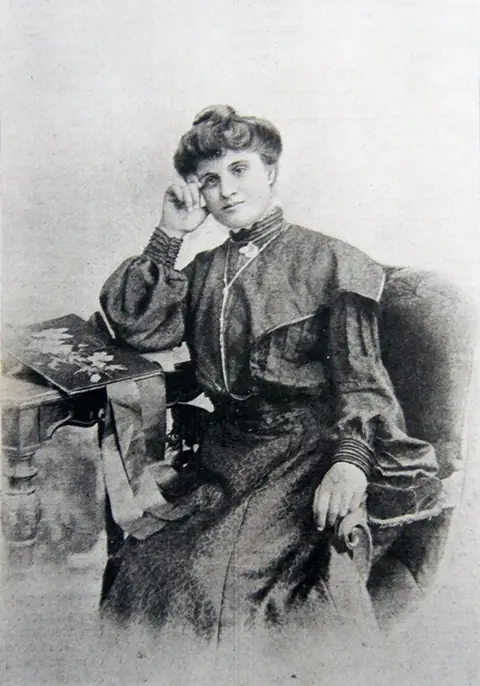
Domitila de Carvalho
1871–1966
The first woman to attend the University of Coimbra, she graduated in Mathematics, Philosophy and Medicine and was a teacher and headmistress of the first girls’ secondary school (liceu). A monarchist and conservative who supported nascent Salazarism, she was one of the first three women deputies, elected in 1934 on the National Union lists.


_(cropped).jpg)
Notes on the sources4
- The date she took over as chair of the Commission for Social Policy on Women (November 1973, according to Wikipedia).
- Whether she was the first woman minister in Portugal, as is often said: neither the Pintasilgo Archive nor Wikipedia states it.
- The exact date she was sworn in as Secretary of State (May 1974).
- A place in Lisbon with a documented address linked to her work in the 1970s (the ministry, the Commission on the Status of Women).
Do you know more, or do you have a document? Tell us.
Sources
- 1Maria de Lourdes Pintasilgo faleceu há quinze anos (julho de 2019). CIG — consulted on 2 October 2026
- 2Mulheres pela Igualdade (biografias). CIG – Comissão para a Cidadania e a Igualdade de Género — consulted on 2 October 2026
- 3História da CIG. Comissão para a Cidadania e a Igualdade de Género (CIG) — consulted on 2 October 2026
- 4Maria de Lourdes Pintasilgo. Wikipédia (português) — consulted on 2 October 2026
- 5V Constitutional Government of Portugal. Wikipédia (inglês) — consulted on 2 October 2026
- 6Maria de Lourdes Ruivo da Silva Matos Pintasilgo – nota biográfica. Arquivo Maria de Lourdes Pintasilgo / Fundação Cuidar o Futuro — consulted on 2 October 2026
- 7Biografia de Maria de Lurdes Pintassilgo. RTP Ensina — consulted on 2 October 2026
- 8Maria de Lourdes Pintasilgo (Q235916). Wikidata — consulted on 2 October 2026
- 9Morreu a escritora Maria Velho da Costa, uma das autoras das Novas Cartas Portuguesas (23/5/2020). Observador — consulted on 2 October 2026