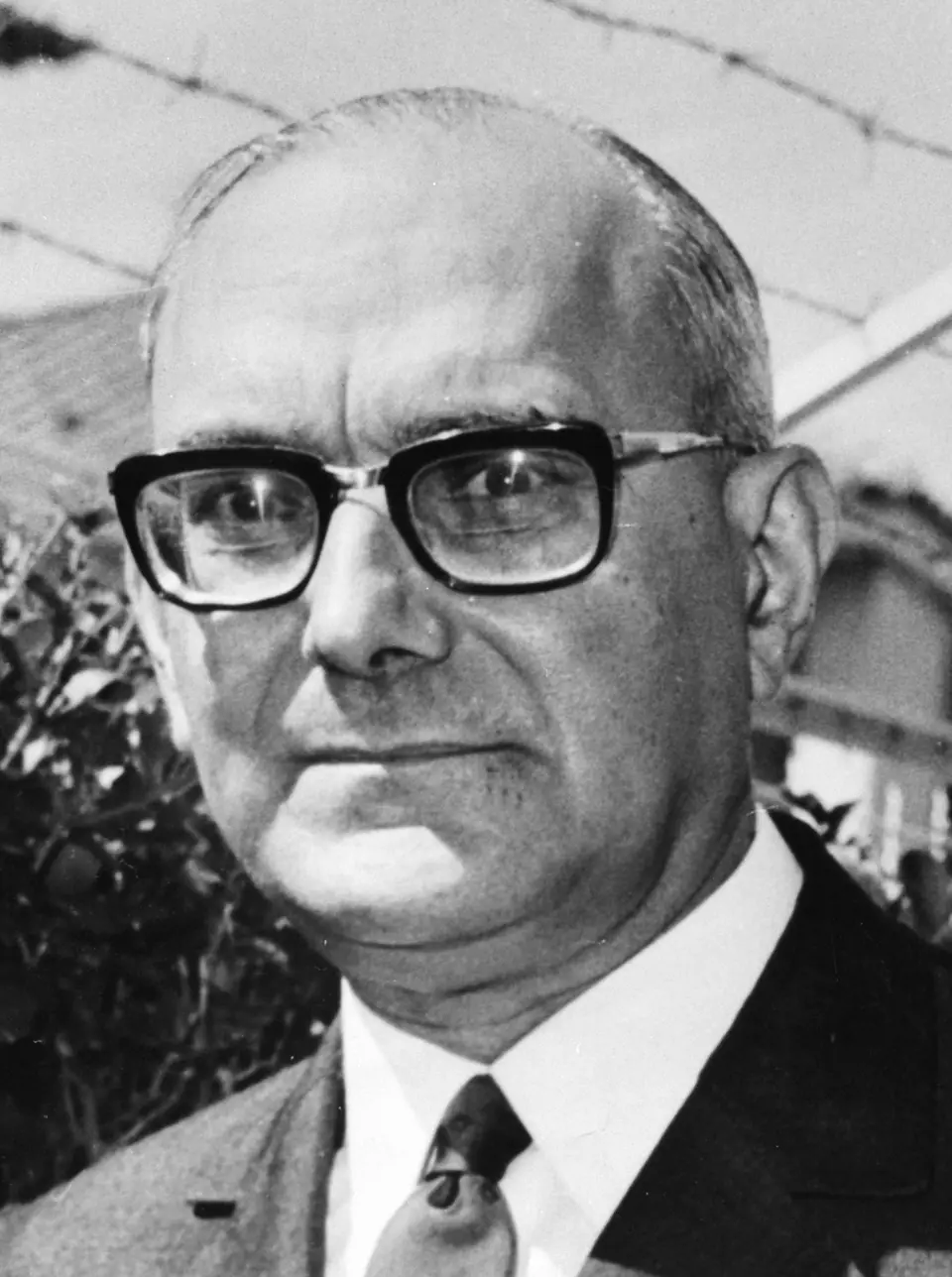
Revolutiongeneralauthor of “Portugal e o Futuro” (Portugal and the Future, 1974)president of the National Salvation JuntaPresident of the Republic (1974)founder of the MDLP
Born
11 April 1910, Estremoz
Died
13 August 1996, Lisbon
A general and author of “Portugal e o Futuro” (Portugal and the Future), he received Marcelo Caetano’s surrender at the Carmo Barracks, presided over the National Salvation Junta and was President of the Republic until he resigned, on 30 September 1974. On 11 March 1975 he fled to Spain.
He was born in Estremoz on 11 April 1910.8 A former governor of Guinea, he was chosen, together with Costa Gomes, as a prestigious leader for the Captains’ Movement at the Óbidos meeting on 1 December 1973: Costa Gomes, who received the most votes, would get the Presidency of the Republic; Spínola, the supreme command of the Armed Forces.3 As Deputy Chief of the Armed Forces General Staff, he published Portugal e o Futuro (Portugal and the Future) on 22 February 1974, which shook relations between the regime and the Armed Forces. Shortly afterwards, he and Costa Gomes were dismissed, on the pretext that they had stayed away from the session in support of the regime at the Palácio de São Bento that became known as the “Rheumatic Brigade” (Brigada do Reumático).2
On 25 April 1974 he declared that he was not involved in the Movement, but was available to take power if the government wanted a peaceful way out.16Marcelo Caetano, besieged in the Carmo Barracks, asked him by telephone to come and receive power, and Otelo Saraiva de Carvalho gave him a mandate on behalf of the captains. He reached the Carmo at around 17:45, in a car surrounded by the cheering crowd, and Salgueiro Maia took him to Caetano.1 On arriving at the Pontinha Command Post, with the members of the government under arrest, he announced: “Gentlemen officers, I must begin by informing you that I have just assumed power at the Carmo Barracks. Now let us get to work”.6
In the early hours of the 26th, flanked by the other members of the National Salvation Junta, he read the Junta’s proclamation live from the RTP studios in Lumiar.61 The Junta appointed him President of the Republic, contrary to what had been agreed with the MFA, which had chosen Costa Gomes.64 On 28 April he received Mário Soares, back from exile, at the Palácio da Cova da Moura.1 He was sworn in on 15 May 1974, at the Palácio de Queluz.4
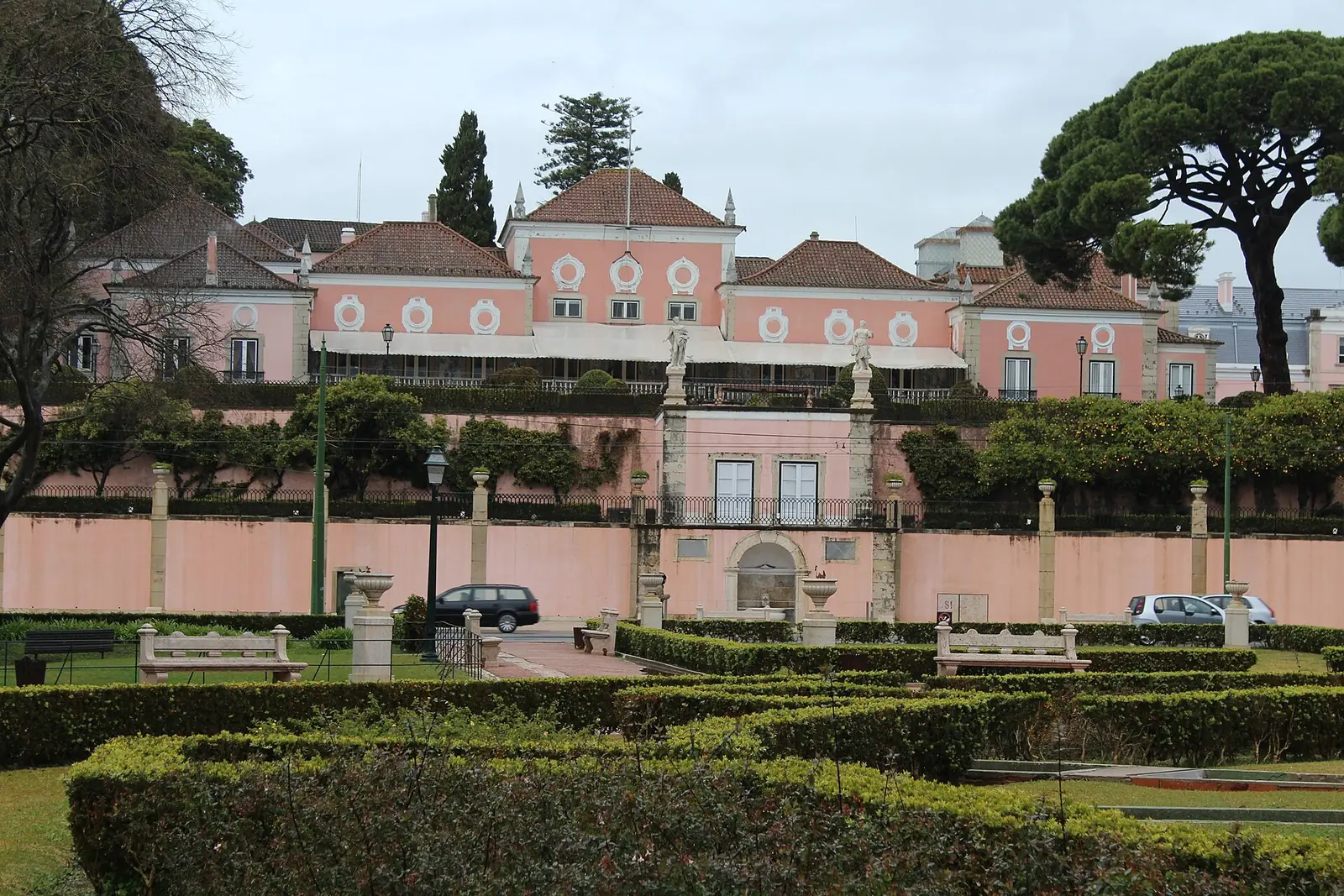
He advocated a controlled democratisation, which was described as “Marcelism without Marcelo” (marcelismo sem Marcelo), and came into conflict with the MFA Coordinating Committee over control of domestic policy and decolonisation.4 In the summer of 1974 he appealed in his speeches to the “silent majority”, and did so again on 10 September at the Palácio de Belém, at the ceremony recognising the independence of Guinea-Bissau.54 The demonstration of support called for 28 September, in Belém, was in the end called off by him and banned by the MFA; between 27 and 29 September he tried several times to declare a state of siege and to dismiss the prime minister, Vasco Gonçalves. On 30 September he announced his resignation from the Presidency on RTP.4
On 11 March 1975, after the failed attack on RAL 1 by troops close to him, he fled by helicopter from Air Base No. 3, at Tancos, with fifteen officers, to the base at Talavera la Real, in Spain.910 He then founded the Democratic Movement for the Liberation of Portugal (MDLP), one of the far-right organisations that, from May 1975, destroyed the offices of left-wing parties and carried out attacks.4 He died in Lisbon on 13 August 1996.8
From the archives
In other archives
These can only be viewed on each archive’s own website.
Chosen by the captains as a prestigious leader, he was a member of the National Salvation Junta, succeeded Spínola as President in September 1974, declared a state of siege on 25 November 1975 and promulgated the 1976 Constitution.
The last head of government of the Estado Novo, he took refuge in the Carmo Barracks in the early hours of 25 April 1974 and, besieged, handed power over to General Spínola. The next day he was taken to Madeira.
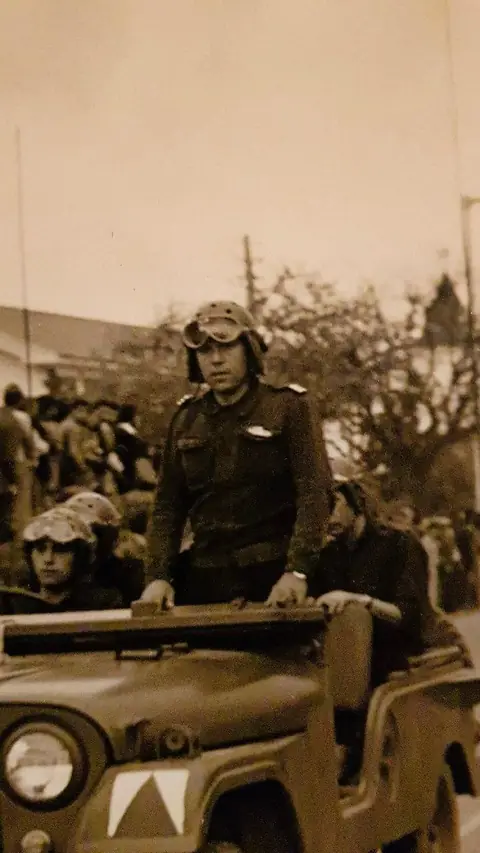
A 29-year-old captain, he commanded the Cavalry Practical School column that occupied the Terreiro do Paço, faced down the regime’s forces without firing a shot and besieged the Carmo Barracks until he obtained Marcelo Caetano’s surrender.
An Artillery major, he drew up the operations plan for 25 April and directed the operations from the clandestine Command Post at Pontinha; he later commanded COPCON and the Lisbon Military Region.
Director of the political police, he warned Marcelo Caetano at 05:00 on 25 April that “the Revolution is out on the streets”. He only surrendered the DGS headquarters on the morning of the 26th, after the agents had killed four people on Rua António Maria Cardoso.
A lieutenant in Salgueiro Maia’s column, he was assaulted on Rua do Arsenal by Brigadier Junqueira dos Reis while trying to negotiate — and responded with a salute. In the afternoon, he brought Spínola’s emissaries to the Carmo.
Notes on the sources3
The time he arrived at the Carmo Barracks on 25 April: at around 17:45 (50th Anniversary Commemorative Commission) or at 18:00 (25 April Association).
The dates and places of birth and death come only from Wikidata.
The full name, António Sebastião Ribeiro de Spínola, which none of the sources on this page gives.
Do you know more, or do you have a document? Tell us.
9Os acontecimentos do 11 de Março de 1975. RTP – Memórias da Revolução (textos de Aniceto Afonso, Carlos Matos Gomes e Maria Inácia Rezola) — consulted on 2 October 2026
10RAL 1 – Lisboa. RTP – Memórias da Revolução (textos de Aniceto Afonso, Carlos Matos Gomes e Maria Inácia Rezola) — consulted on 2 October 2026





.png)