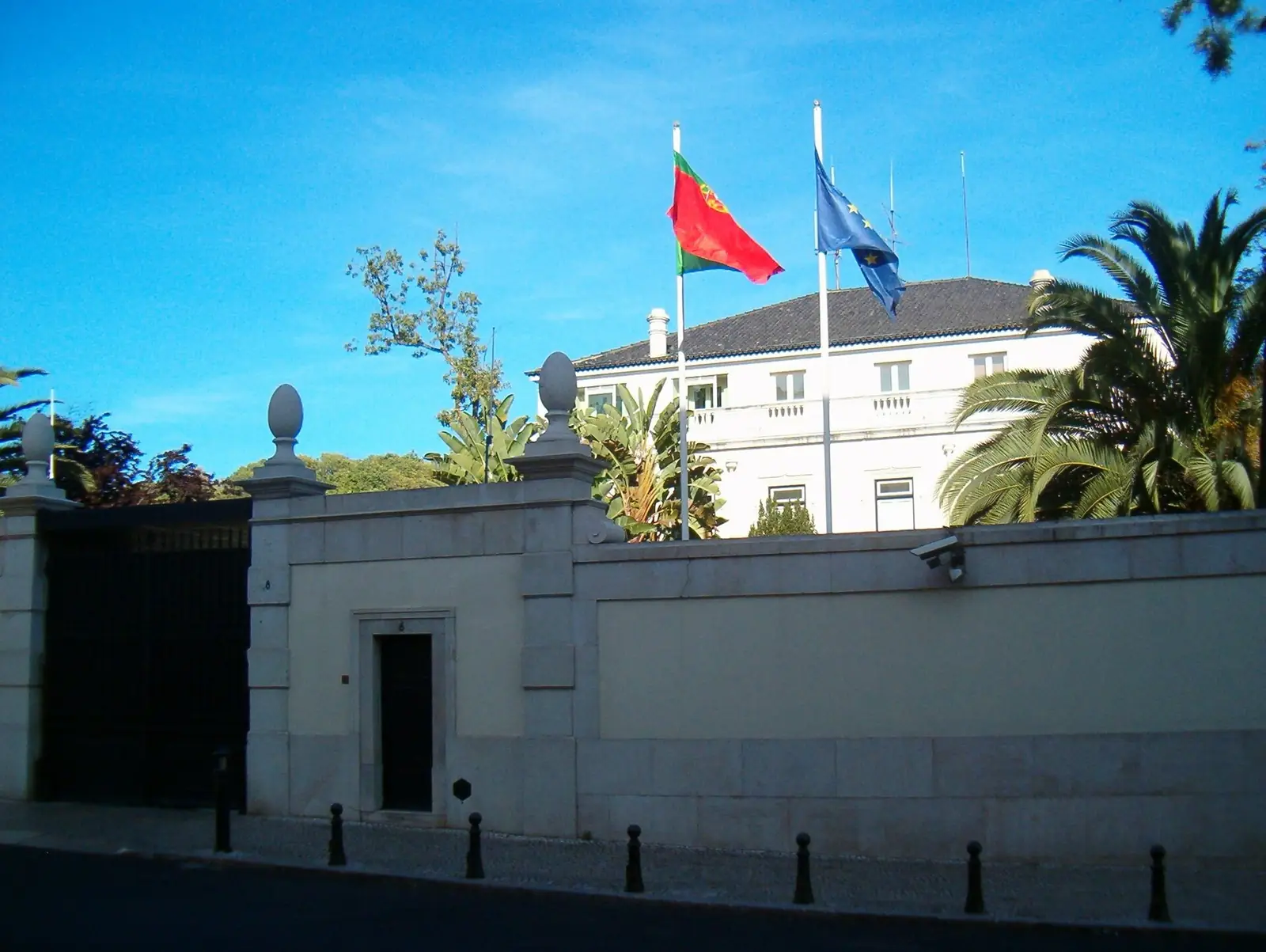
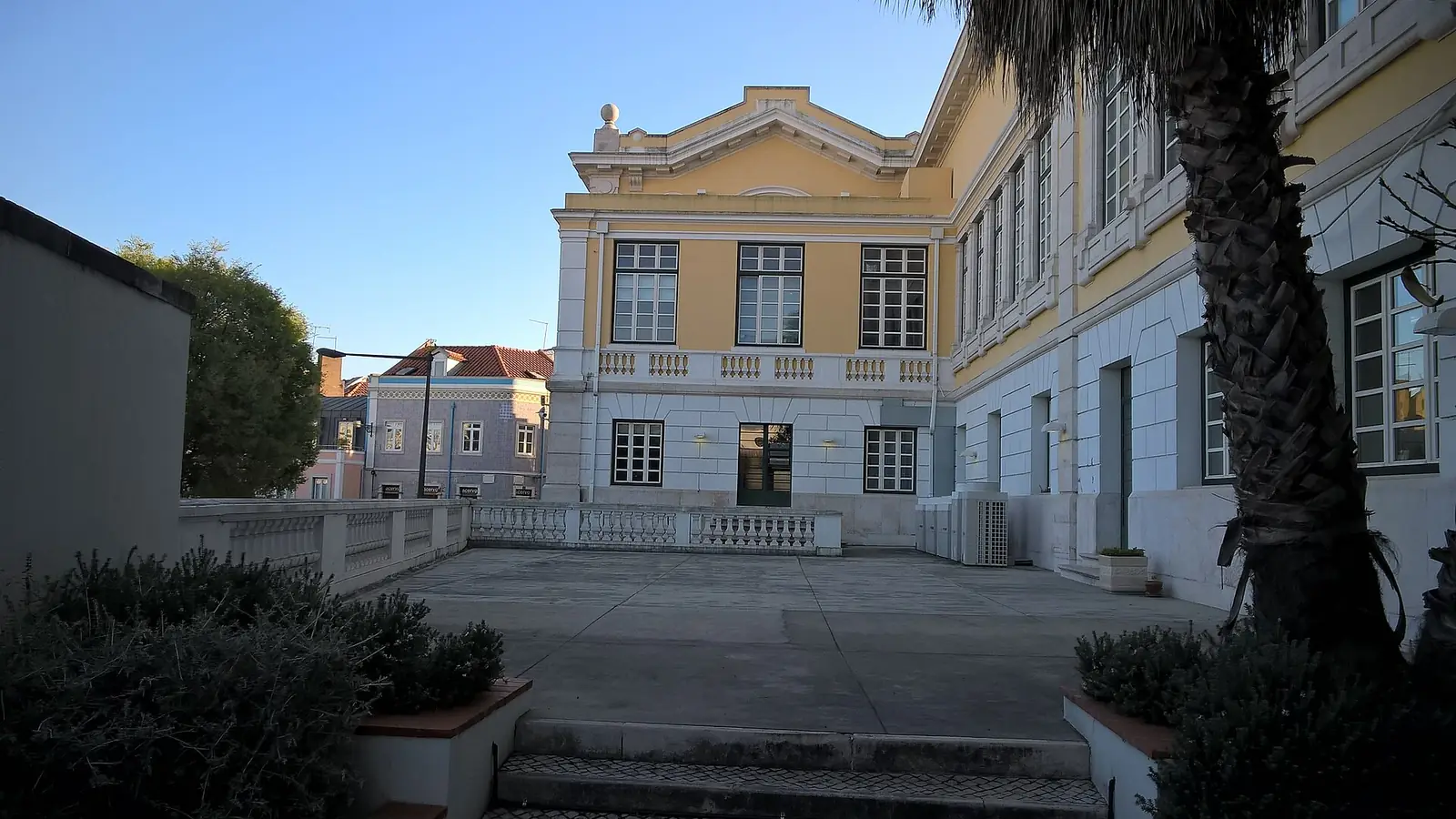
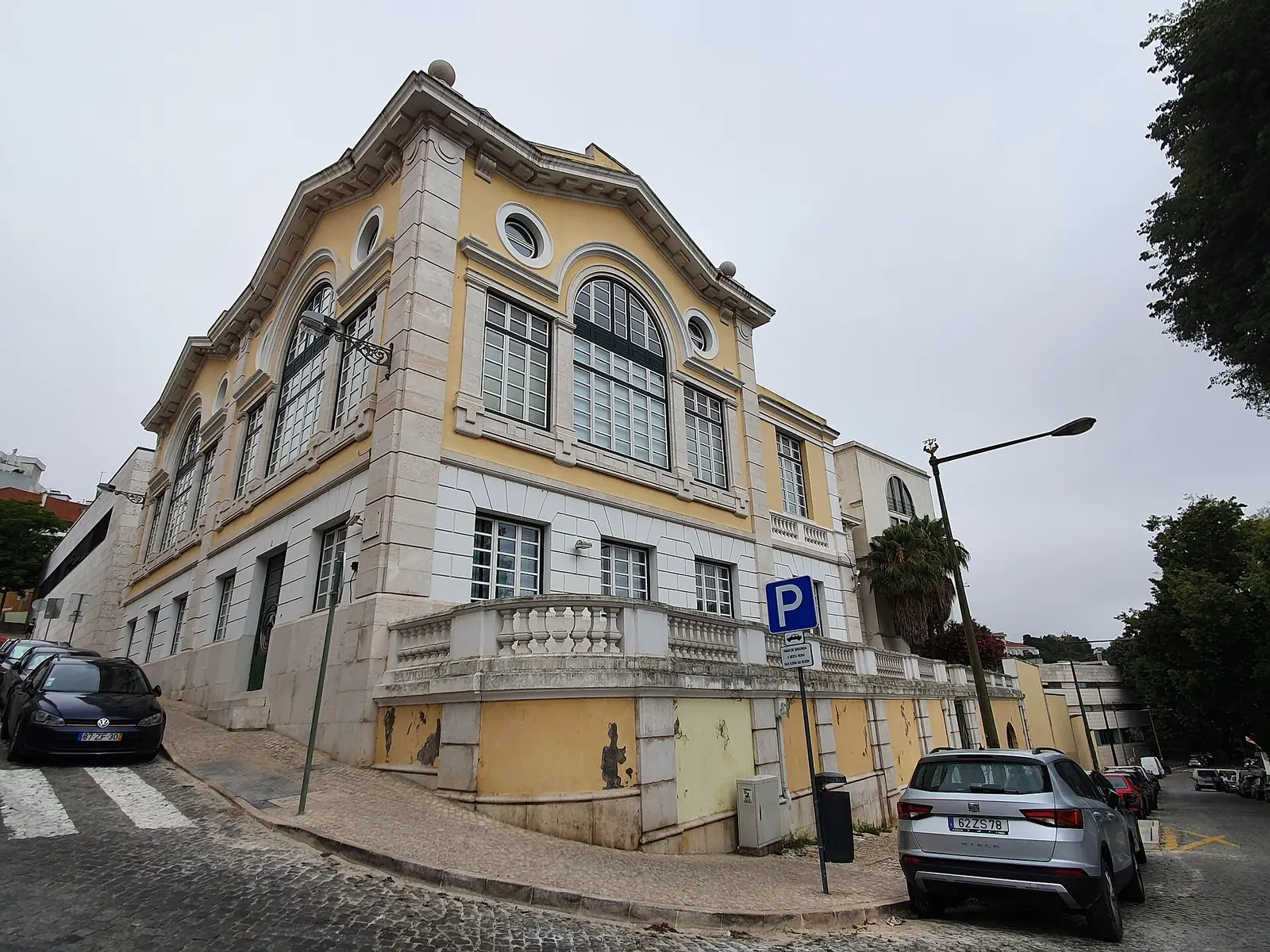
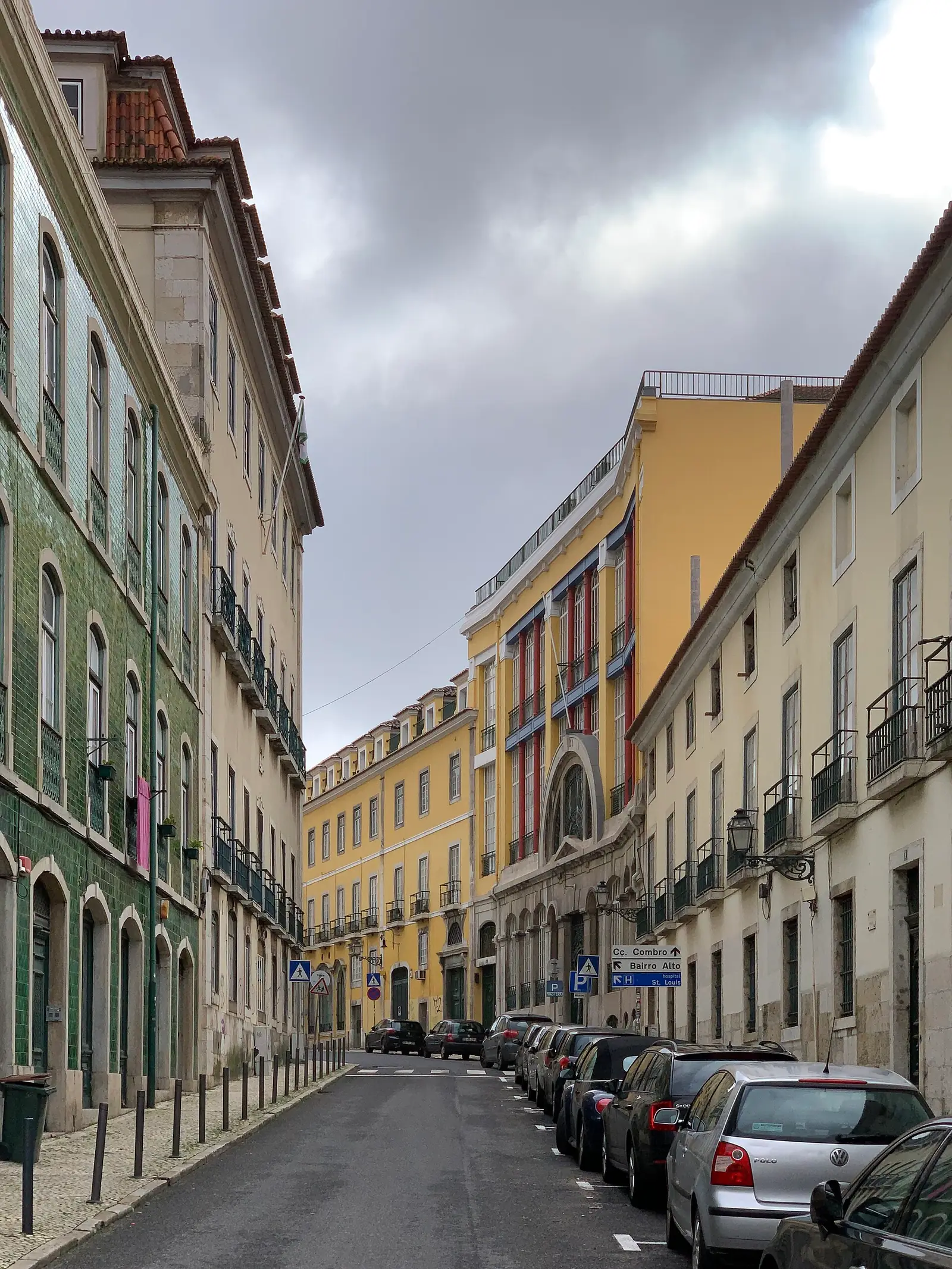
O Palácio de São Bento, sede da Assembleia da República, em junho de 2014.Albarubescens, CC BY-SA 4.0
Estrela
Palácio de São Bento
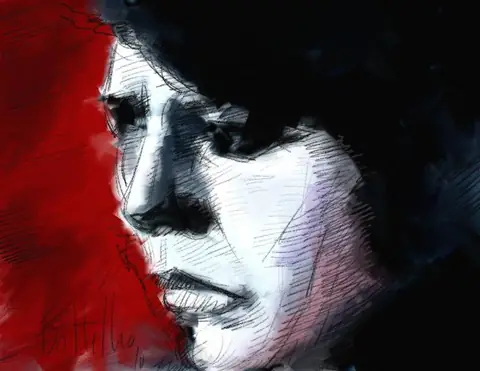
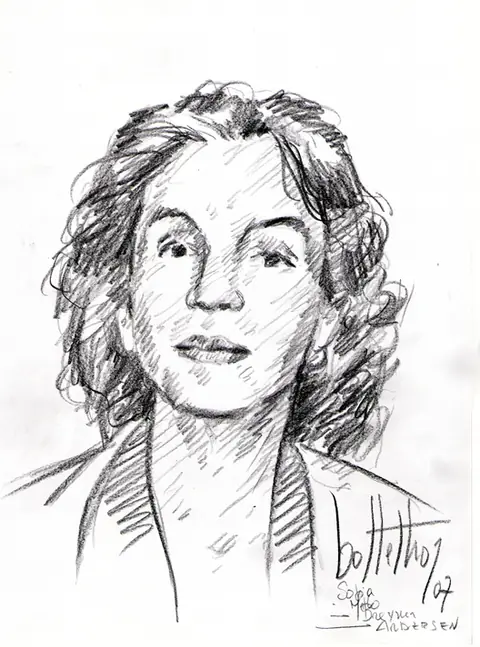
The parliament where, in 1911, women were refused the vote and where, in 1975–76, twenty-seven women deputies helped to write the Constitution that prohibits discrimination on grounds of sex. Sophia de Mello Breyner Andresen chaired the committee on the preamble here.
Today: Assembly of the RepublicThere is a marker at the siteOn 3 walks
A former Benedictine monastery, the palace has been the seat of parliament since 1834.1
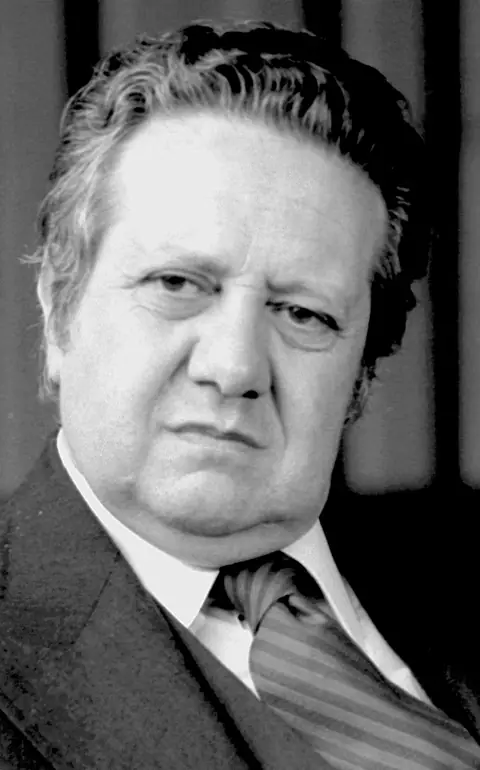
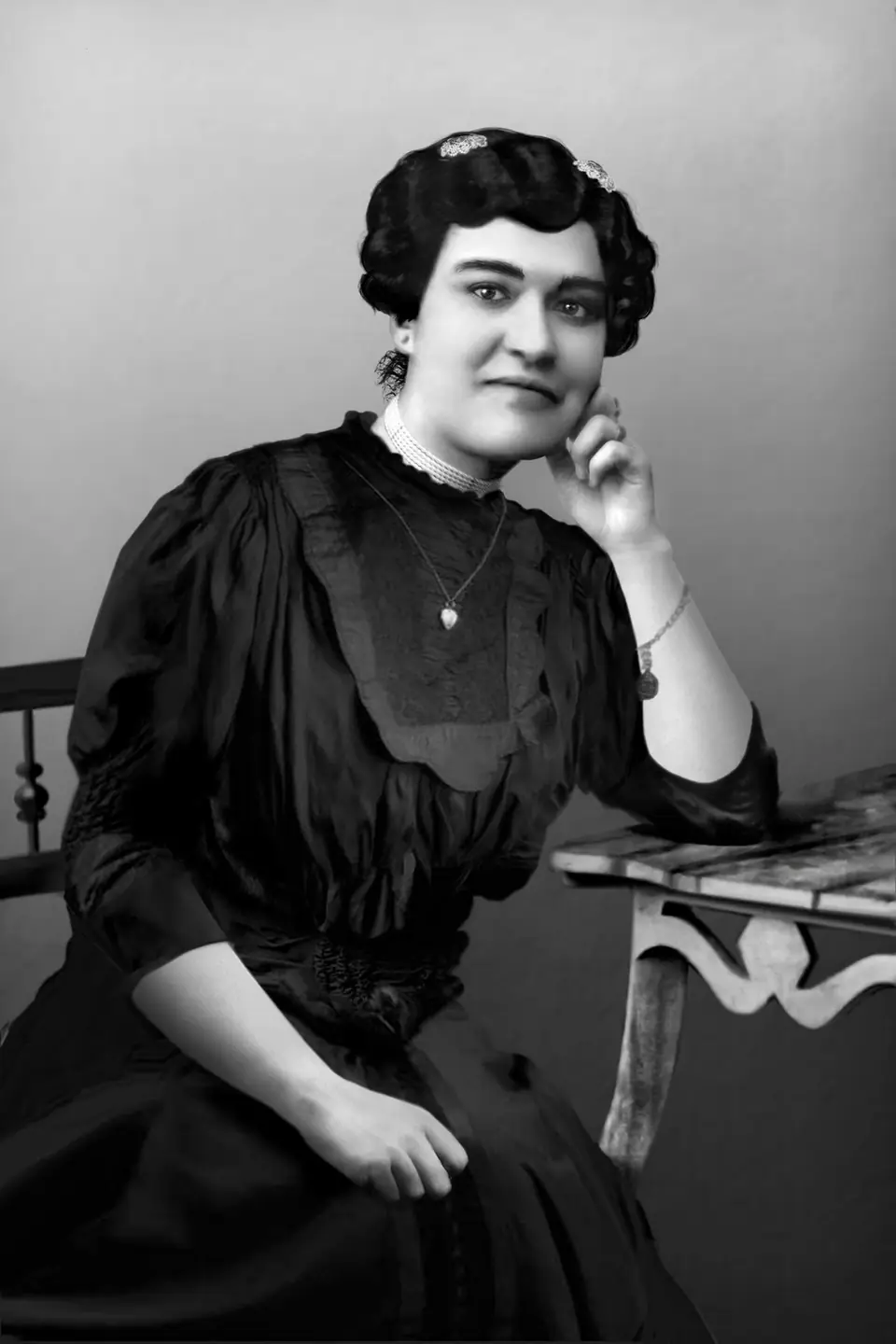
In 1911, the Constituent Assembly of the new Republic barely discussed votes for women. On 24 July a petition from the Feminist Propaganda Association asking for it was submitted; two days later, the article on women’s civil and political rights was removed from the draft, and Bernardino Machado declared that the matter “is not constitutional”. In 1912, in the Senate, a senator argued that “a woman who is really ugly in the face is ugly in intelligence”. The electoral law of 1913 gave the vote only to citizens “of the male sex” — closing the door that Carolina Beatriz Ângelo had opened.2
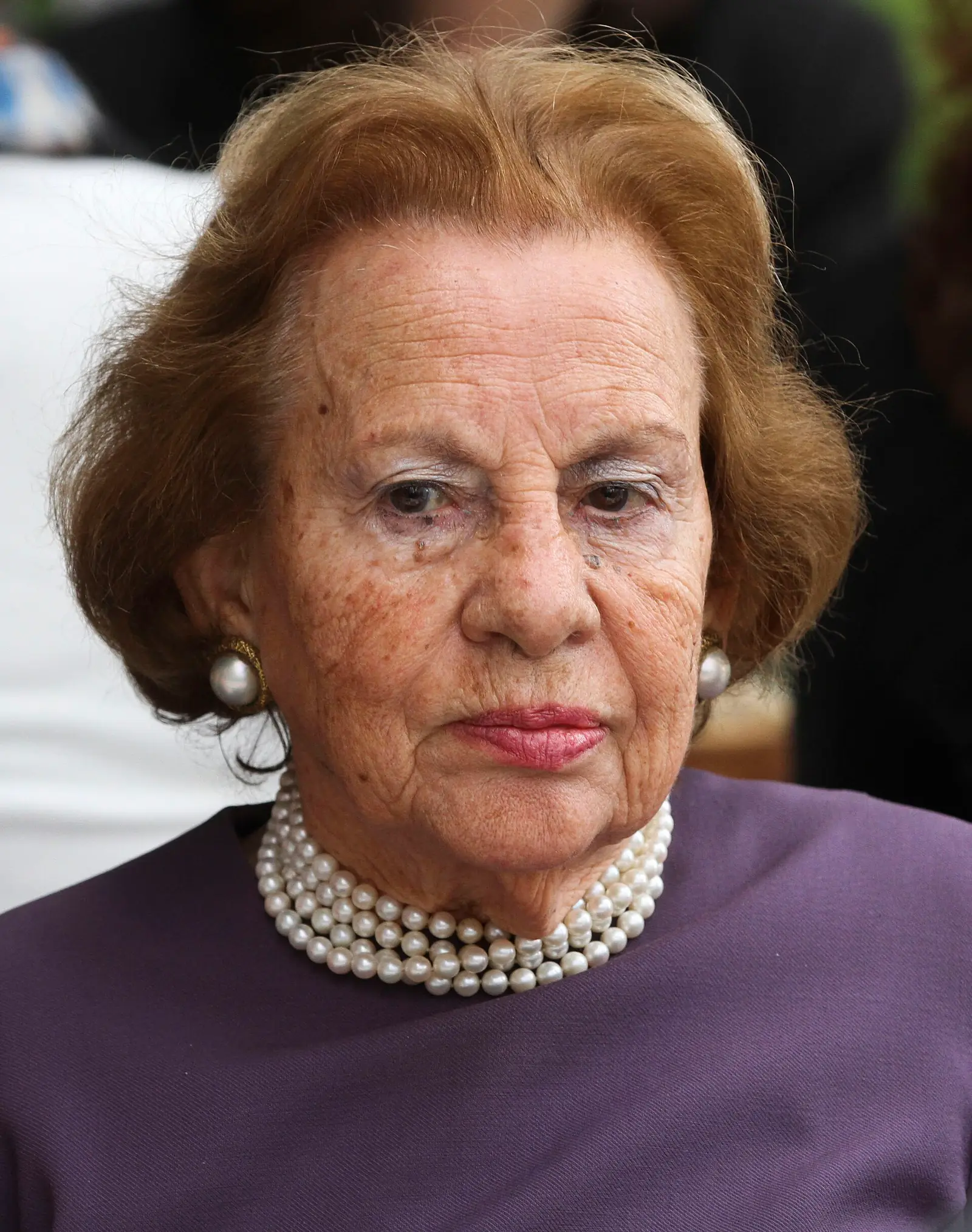
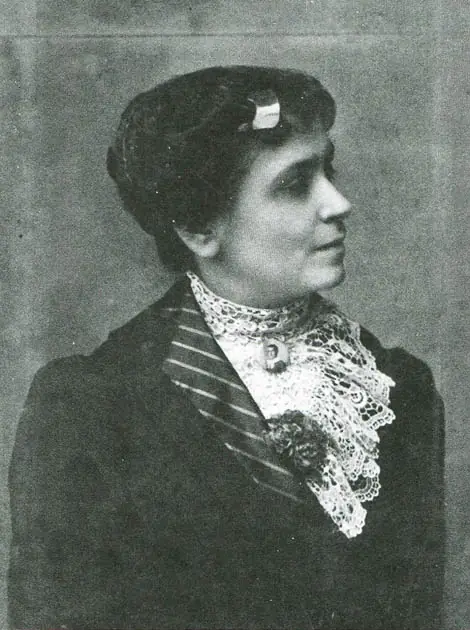
The first women deputies arrived in 1935, by then under the Estado Novo (“New State”), elected on the lists of the single party: Domitila de Carvalho, Maria Cândida Parreira and Maria Guardiola. They sat mainly on the committees for labour, welfare and education, matters “more closely linked to women’s interests”.3
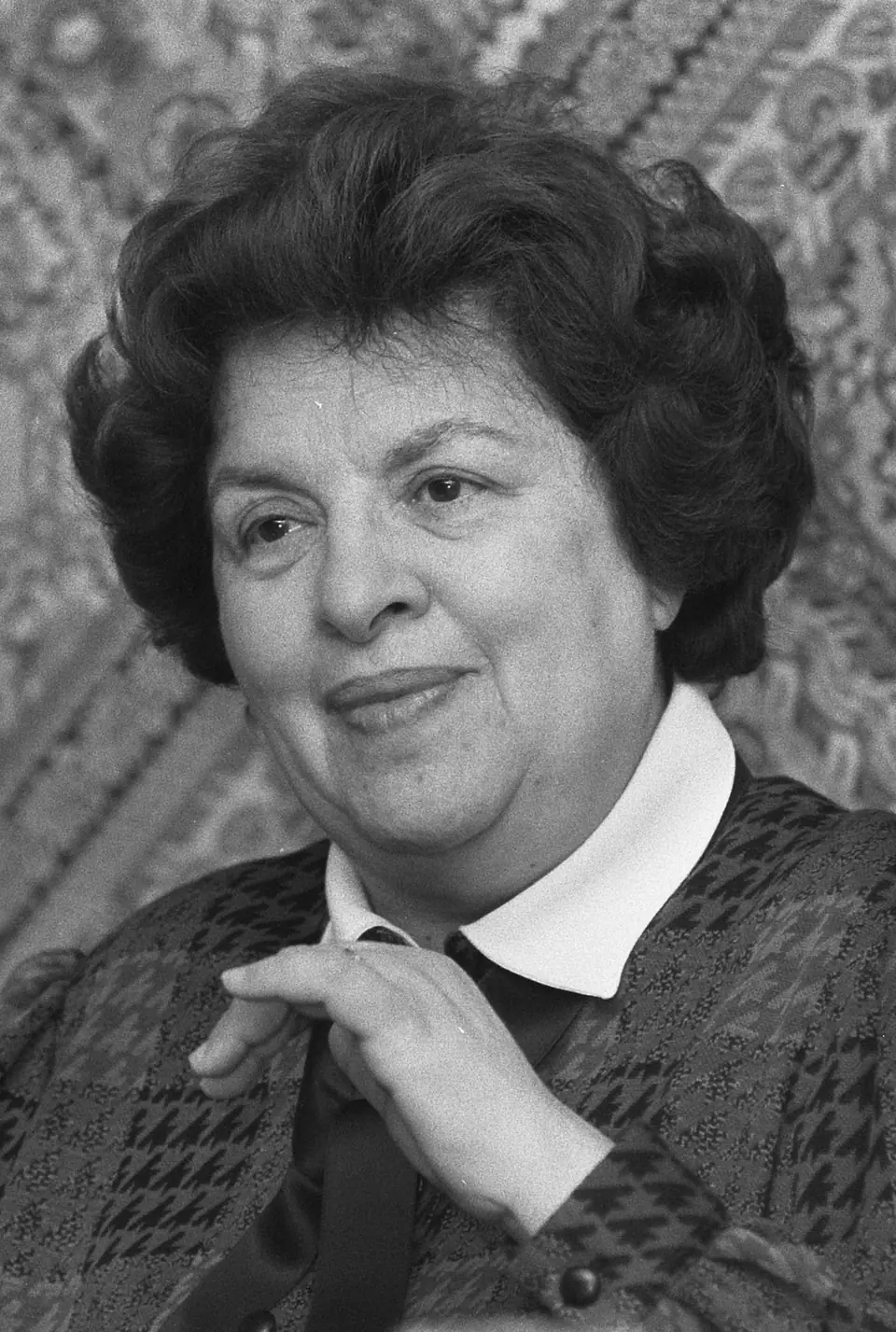
In the elections of 25 April 1975, the first free ones, twenty women were elected to the Constituent Assembly, out of a total of 250 deputies; with resignations and replacements, twenty-seven came to hold a seat, among them Maria Alda Nogueira, Helena Roseta and Sophia de Mello Breyner Andresen. Only six sat on committees, and only one chaired one: Sophia, the committee drafting the preamble. The men were addressed as “Sr. Deputado” (Mr Deputy); the women, often, as “minha senhora” (madam).4
On 12 November 1975, a demonstration by construction workers surrounded the palace and kept the deputies inside for about 36 hours.5 The Constitution was approved on 2 April 1976. Article 13 prohibits privileging or disadvantaging anyone on grounds of sex; Article 36 gives spouses equal rights and duties.6
Maria Alda Nogueira, who had served almost ten years as a political prisoner, later chaired the Parliamentary Committee on the Status of Women; her bust stands in the palace cloister.7
A short piece from Parliament’s series “Cápsula do Tempo” (Time Capsule), devoted to the women in the Constituent Assembly of 1975–1976.
Original page Licença padrão do YouTube — embed permitido pelo canal oficial da Assembleia da República
Assembleia da República, on YouTube. The player only connects to that site when you press “Watch”.
Parliament looks back at the opening session of the Constituent Assembly, opened at 16:12 on 2 June 1975 by the interim president Henrique de Barros. It follows the Assembly’s work up to the approval of the Constitution on 2 April 1976.
Original page Licença padrão do YouTube — embed permitido pelo canal oficial da Assembleia da República
Assembleia da República, on YouTube. The player only connects to that site when you press “Watch”.
In other archives
These can only be viewed on each archive’s own website.
The mansion behind Parliament that the State expropriated in 1937 as the official residence of the President of the Council (head of government). Salazar lived here from May 1938 to July 1970, the month in which he died. Today it is the official residence of the Prime Minister.
Today: ISEG – Lisbon School of Economics & Management
In a prefabricated lecture theatre at this school, on 12 October 1972, a DGS agent shot dead the law student José António Ribeiro Santos, during a “meeting against repression”. Aurora Rodrigues was in the room.
The regime’s official radio station was occupied in the early hours of 25 April 1974 by a small force from the Serra da Carregueira Firing Range, to serve as the MFA’s reserve broadcaster. It was fought over again on 11 March and 25 November 1975.
This was the home of the newspaper O Século (The Century), where Maria Lamas edited “Modas e Bordados” (Fashions and Embroidery) until 1947 and where, in 1930, she organised the exhibition “Mulheres Portuguesas” (Portuguese Women). Virgínia Quaresma, one of the first Portuguese women reporters, also worked here.
WomenCulture and censorshipLabour
Notes on the sources4
The Assembly of the Republic’s sources on 1911–1913 speak of the Constituent Assembly, the Senate and the Chamber of Deputies without naming the building; that they sat at São Bento comes from Wikipedia.
The end of the 1975 siege: 36 hours from 12 November (Assembly of the Republic); RTP says the deputies left in the late morning of the 13th.
The date of the first session with the three women deputies (January 1935).
Whether the cloister with the bust of Maria Alda Nogueira can be visited, and on what terms.
Do you know more, or do you have a document? Tell us.
18A eleição da Assembleia Constituinte. RTP – Memórias da Revolução (textos de Aniceto Afonso, Carlos Matos Gomes e Maria Inácia Rezola) — consulted on 2 October 2026
19Abertura solene da Assembleia Constituinte. RTP – Memórias da Revolução (textos de Aniceto Afonso, Carlos Matos Gomes e Maria Inácia Rezola) — consulted on 2 October 2026
20Cerco à Assembleia Constituinte – Parte 1. RTP – Memórias da Revolução (textos de Aniceto Afonso, Carlos Matos Gomes e Maria Inácia Rezola) — consulted on 2 October 2026
21Cerco à Assembleia Constituinte – Parte 2. RTP – Memórias da Revolução (textos de Aniceto Afonso, Carlos Matos Gomes e Maria Inácia Rezola) — consulted on 2 October 2026
Coordinates: OpenStreetMap (Nominatim), consultado a 2 de outubro de 2026.