Oppositiongeneral secretary of the Portuguese Communist Partyexile in the Soviet Union
Born
10 November 1913, Coimbra
Died
13 June 2005, Lisbon
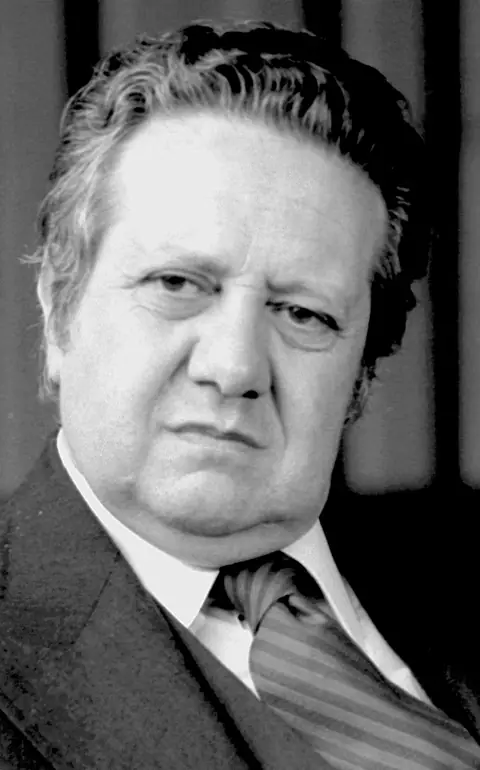
A communist leader, he was arrested in 1949 and escaped from Peniche Fortress in 1960. General secretary of the PCP, he returned from exile on 30 April 1974 and addressed the crowd at the airport from the top of a Chaimite armoured car.
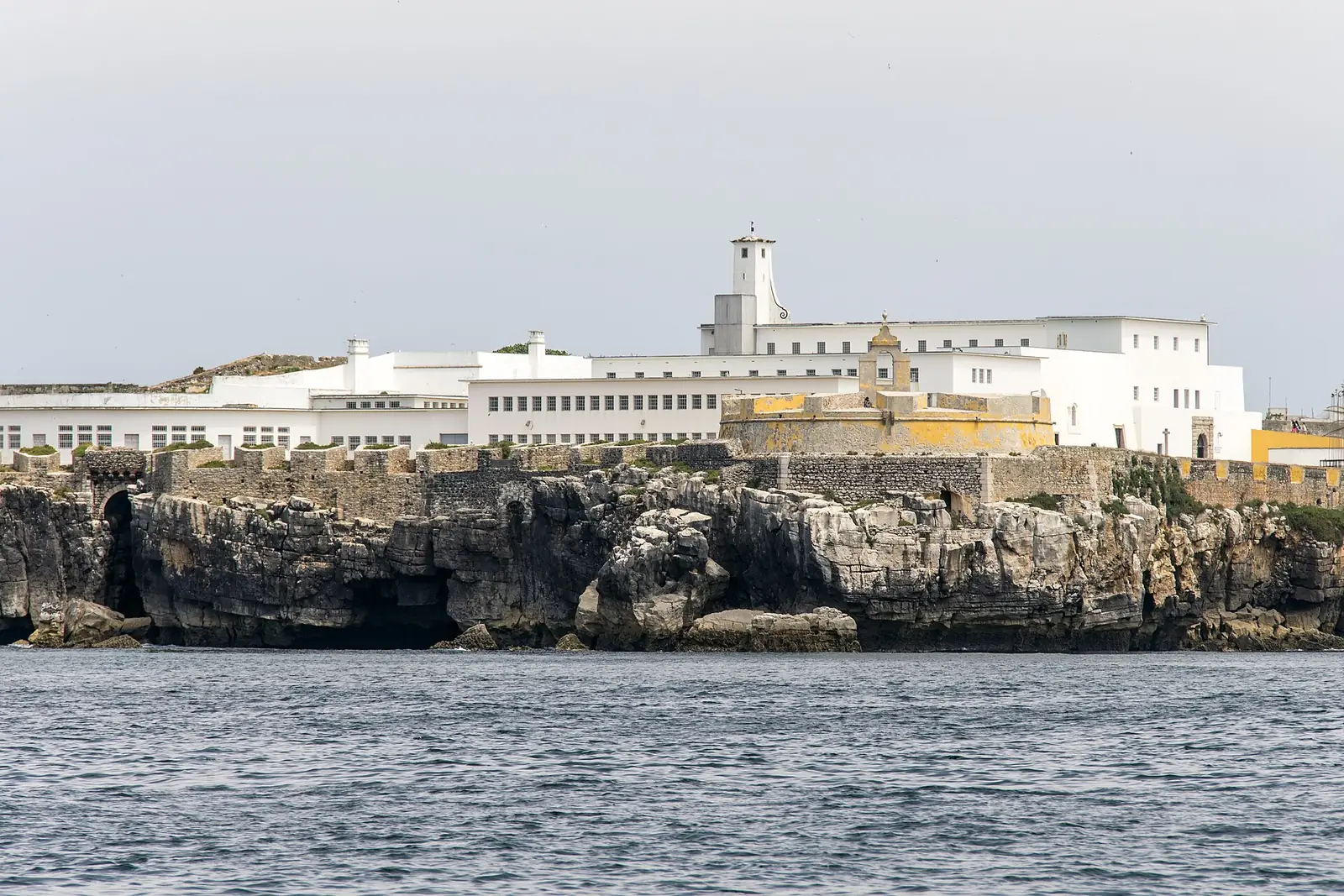
He was born in Coimbra in 1913.5 An underground leader of the Portuguese Communist Party, he was arrested by the PIDE in the early hours of 25 March 1949, in a house in Luso where he lived with Sofia Ferreira — they posed as a couple — and where Militão Ribeiro was also hiding. He spent eleven years in prison.6 On 3 January 1960 he escaped from Peniche Fortress with nine other prisoners and a GNR guard, in an escape prepared on the outside by Pires Jorge and António Dias Lourenço.7
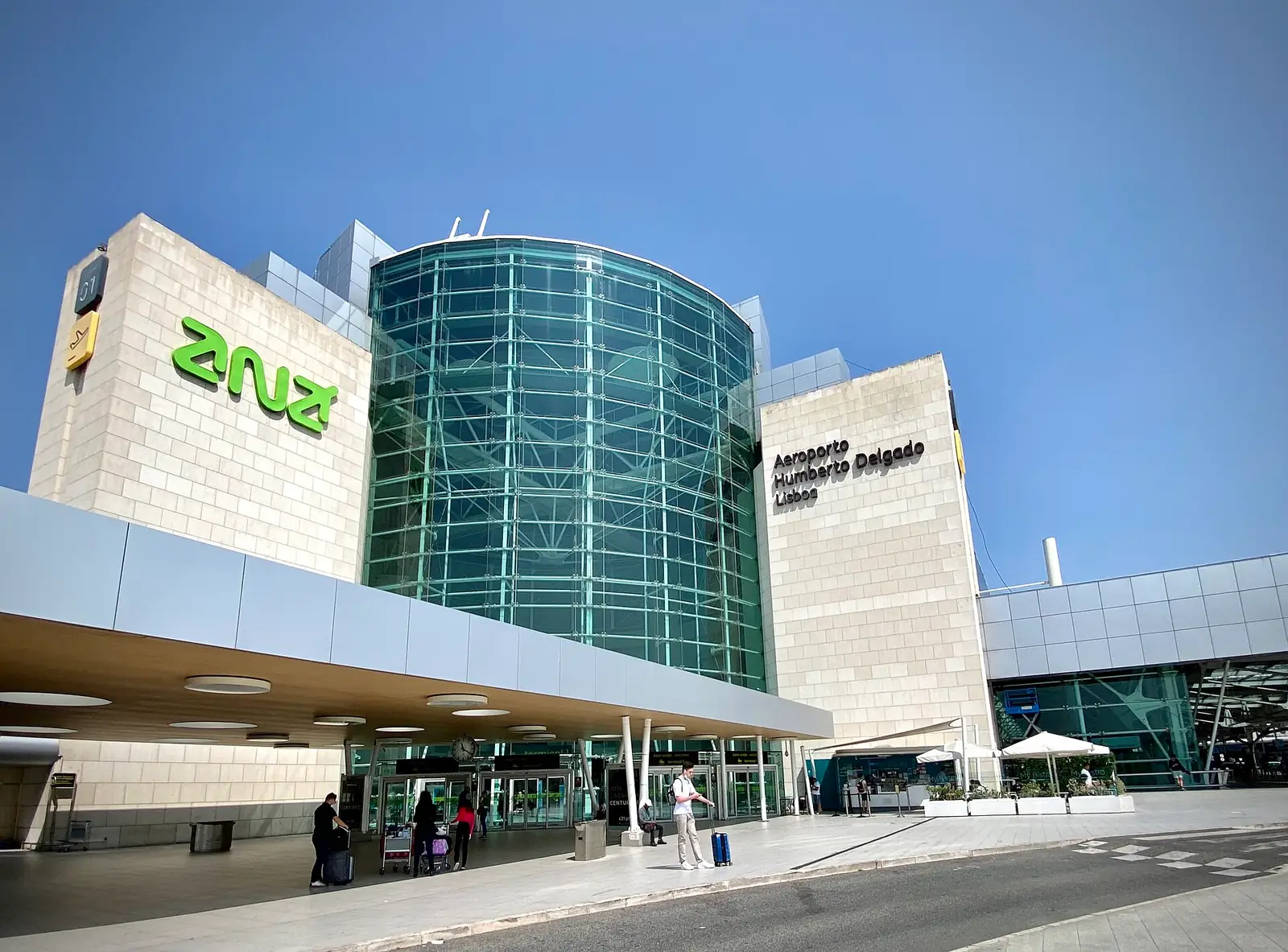
As the party’s general secretary, he arrived at Lisbon airport on 30 April 1974, after 14 years of exile in the Soviet Union.13 An emotional crowd was waiting for him; among those waiting beside the plane was Mário Soares. Still at the airport, he climbed onto a Chaimite armoured car to speak to the crowd, and was later received by António de Spínola.1
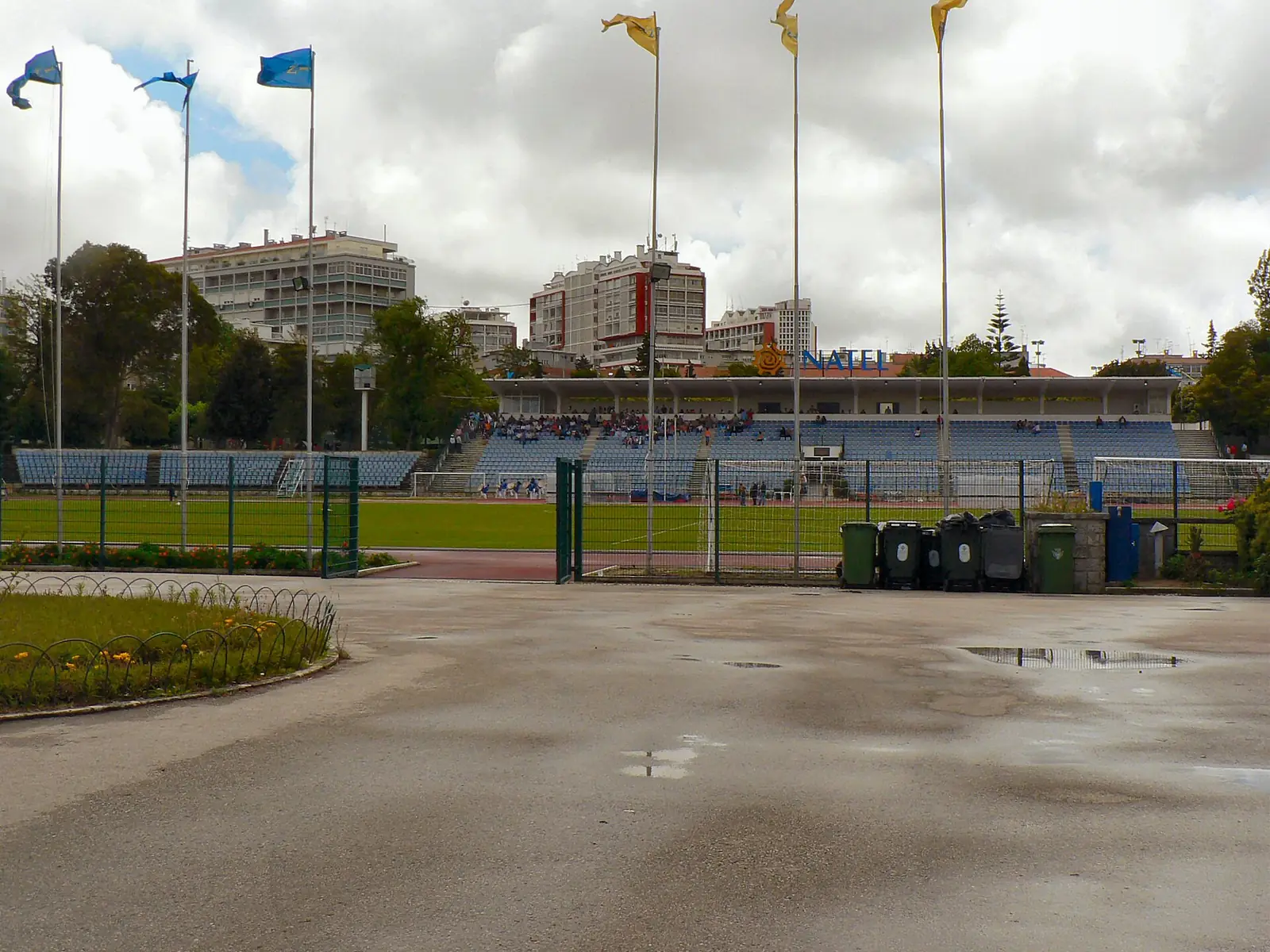
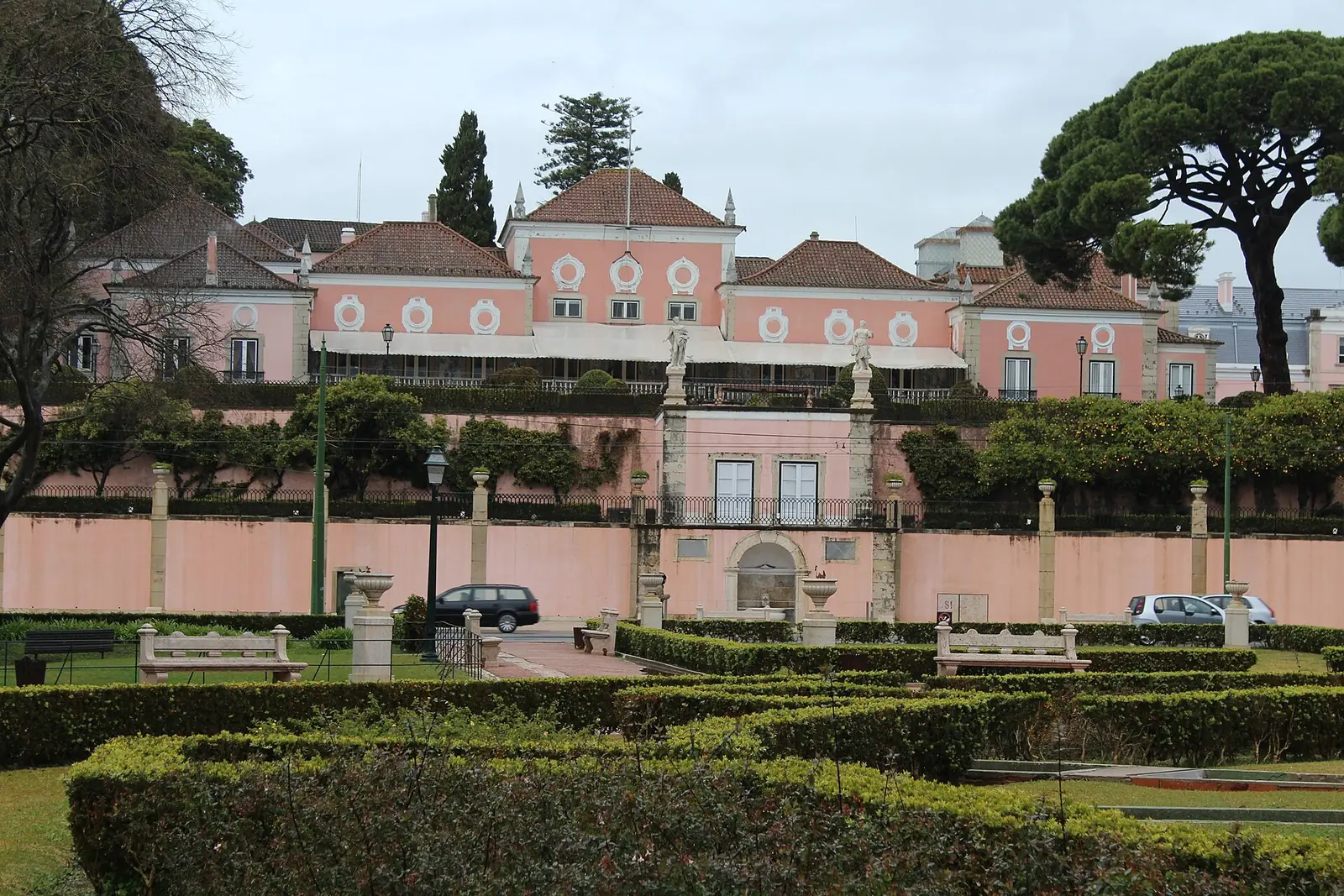
The next day he spoke, with Soares, at the May Day (1 May) rally in the FNAT stadium, which was then renamed Estádio 1.º de Maio (May Day Stadium). He hailed the military and the first measures taken “to liquidate the fascist dictatorship and establish freedom”.1 On 25 November 1975, President Costa Gomes summoned him to the Palácio de Belém, seeking to stand down the activists and civilians gathered outside some barracks.4 He died in Lisbon in 2005.5
From the archives
In other archives
These can only be viewed on each archive’s own website.
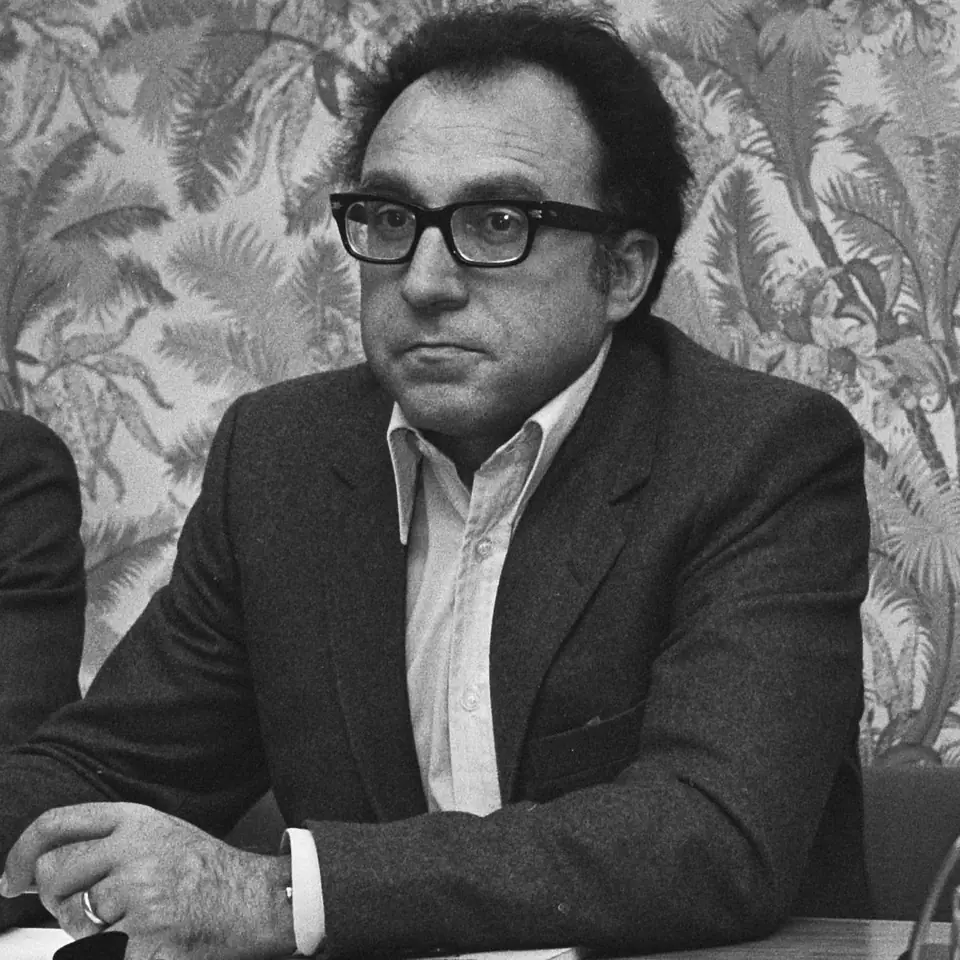
General secretary of the PS, he returned from exile on 28 April 1974 and was greeted by a crowd at Santa Apolónia. In 1975 he took on the PCP in the República affair and at the Fonte Luminosa rally; in 1976 he headed the First Constitutional Government.
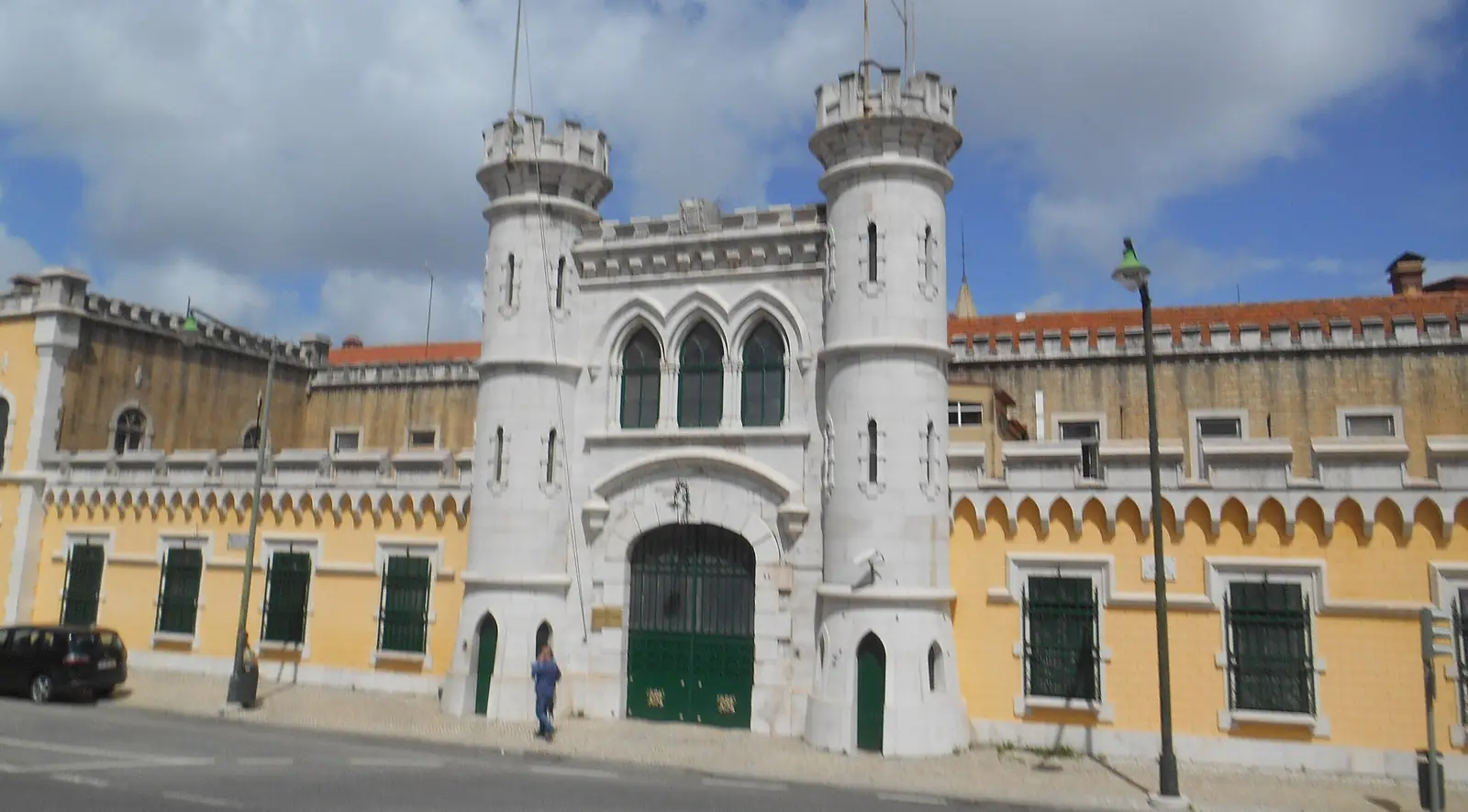
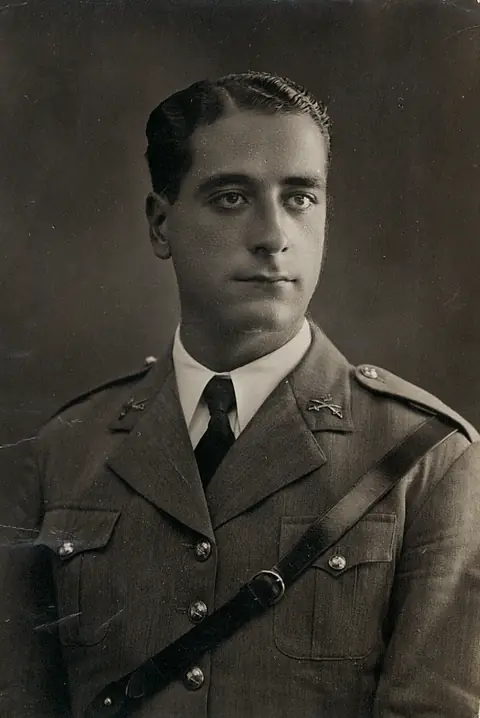
A communist leader, he was in the group of prisoners who inaugurated the Tarrafal camp in 1936. Arrested again in 1949, with Álvaro Cunhal and Sofia Ferreira, he died in isolation in Lisbon Penitentiary, on hunger strike, on 2 January 1950.
A communist leader, he was one of the eight prisoners who escaped from Caxias in Salazar’s armoured car, in 1961. Arrested in 1959 and again in 1965, he withstood PIDE torture without talking.
The daughter of farm labourers from Alhandra, she was arrested with Álvaro Cunhal and Militão Ribeiro in 1949 and again in 1959, and spent more than thirteen years in the dictatorship’s prisons.
Chosen by the captains as a prestigious leader, he was a member of the National Salvation Junta, succeeded Spínola as President in September 1974, declared a state of siege on 25 November 1975 and promulgated the 1976 Constitution.
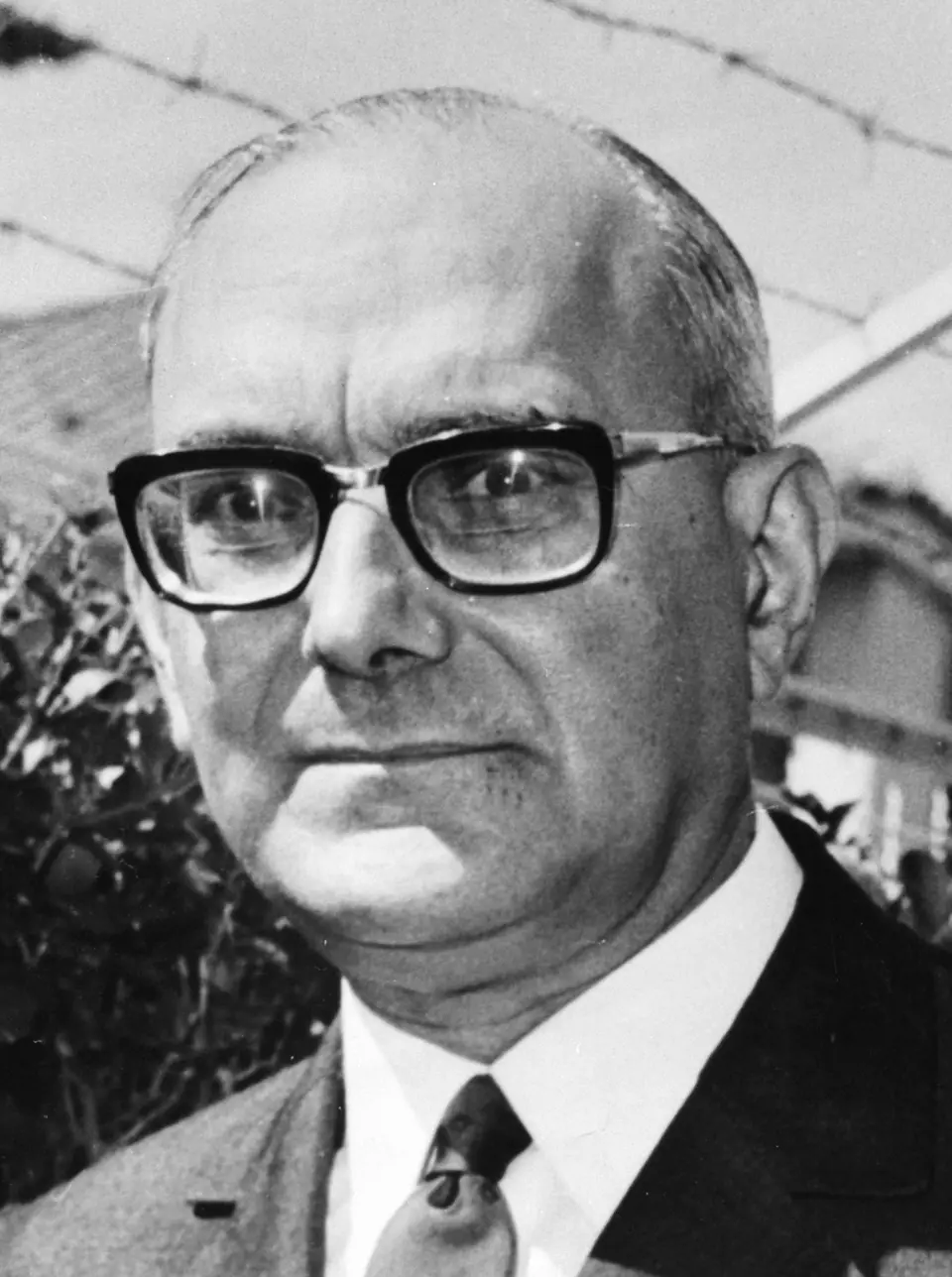
The last head of government of the Estado Novo, he took refuge in the Carmo Barracks in the early hours of 25 April 1974 and, besieged, handed power over to General Spínola. The next day he was taken to Madeira.
Notes on the sources2
The time and flight of his arrival in Lisbon: there are accounts of an Air France flight at 13:50, which the sources cited here do not confirm.
The day and place of birth (Coimbra, 10 November 1913) and of death (Lisbon, 13 June 2005) come only from Wikidata.
Do you know more, or do you have a document? Tell us.





.jpg)