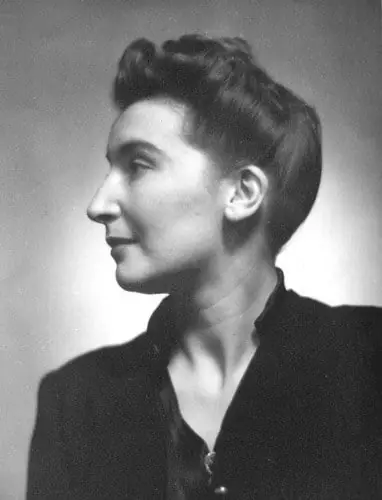
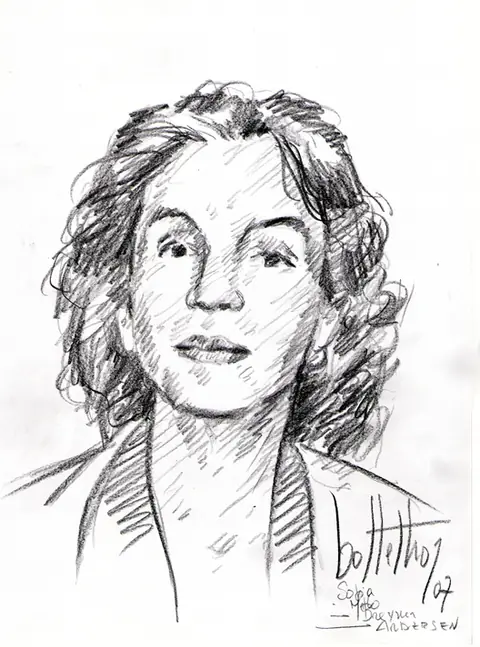
Oppositionteacherunderground communist activistpolitical prisonerdeputy in the Constituent Assembly and the Assembly of the Republicchair of the Parliamentary Committee on the Status of Women (1983–1985)
Born
19 March 1923, Lisbon (Alcântara)
Died
5 March 1998, Lisbon
An underground communist activist, she was arrested in 1959 and sentenced to eight years of major imprisonment plus security measures, which she served in Caxias. A deputy from the Constituent Assembly onwards, she chaired the Parliamentary Committee on the Status of Women from 1983 to 1985.
She was born in Alcântara, Lisbon, on 19 March 1923.4 She graduated in Physical and Chemical Sciences.3 While still a university student, she joined the Portuguese Women’s Association for Peace and, in 1945, the National Council of Portuguese Women.1 It was that year that she met Maria Lamas; as a teacher in the Algarve, she set up several branches of the Council there.42
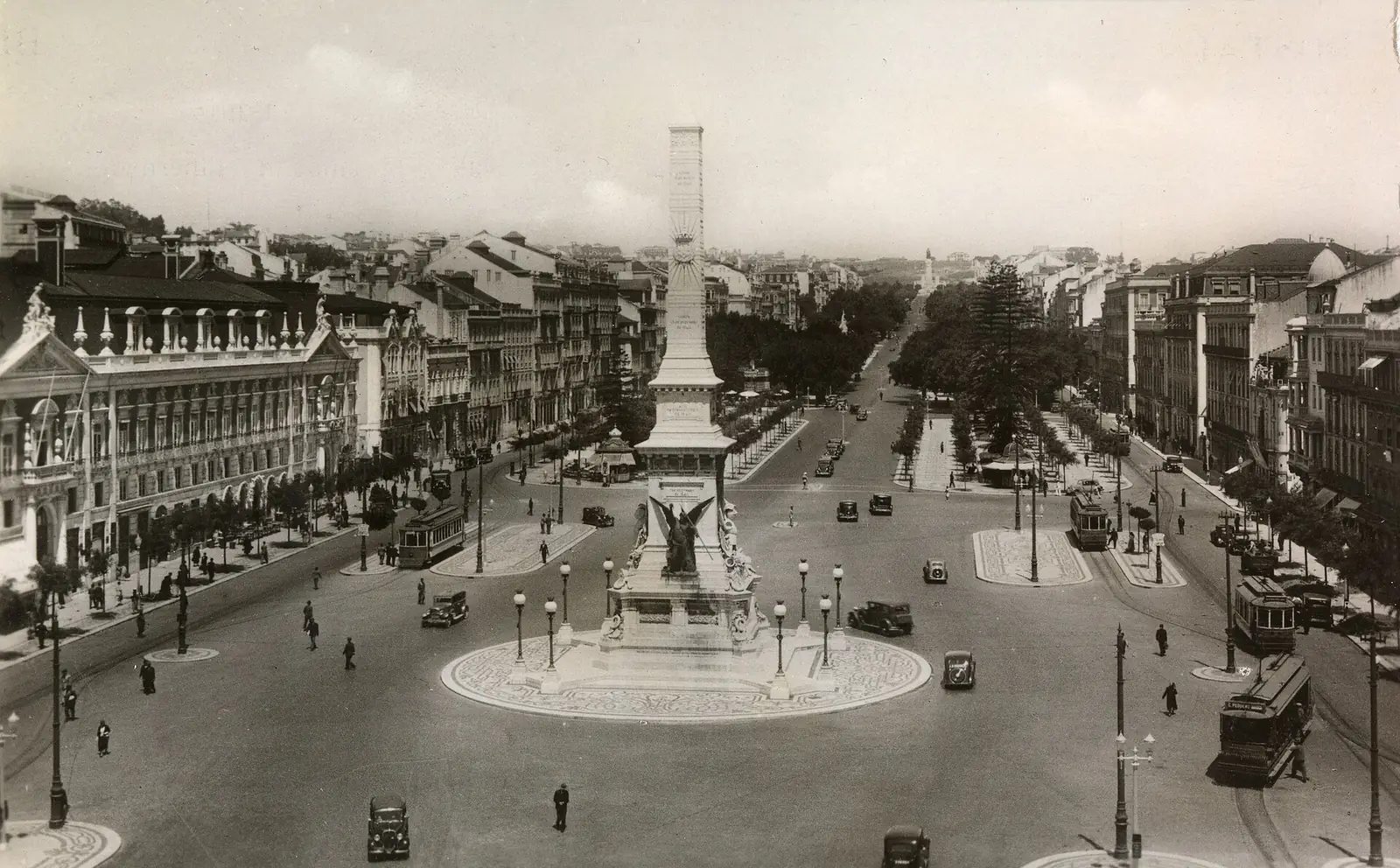
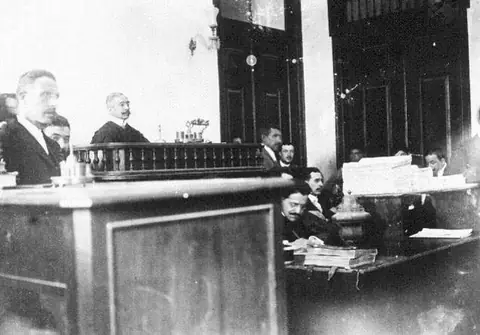
She went underground in 1949 and set up a PCP clandestine house with Sérgio Vilarigues.2 The PIDE arrested her on 15 October 1959, in a taxi, on Avenida da Liberdade.42 She was tried at the Plenary Court on 22 October 1960, with Maria Lamas and Maria Isabel Aboim Inglez among the character witnesses.2 Sentenced to eight years of major imprisonment, followed by a “security measure of internment” of six months to three years, extendable indefinitely, she was the first woman to receive that sentence.4
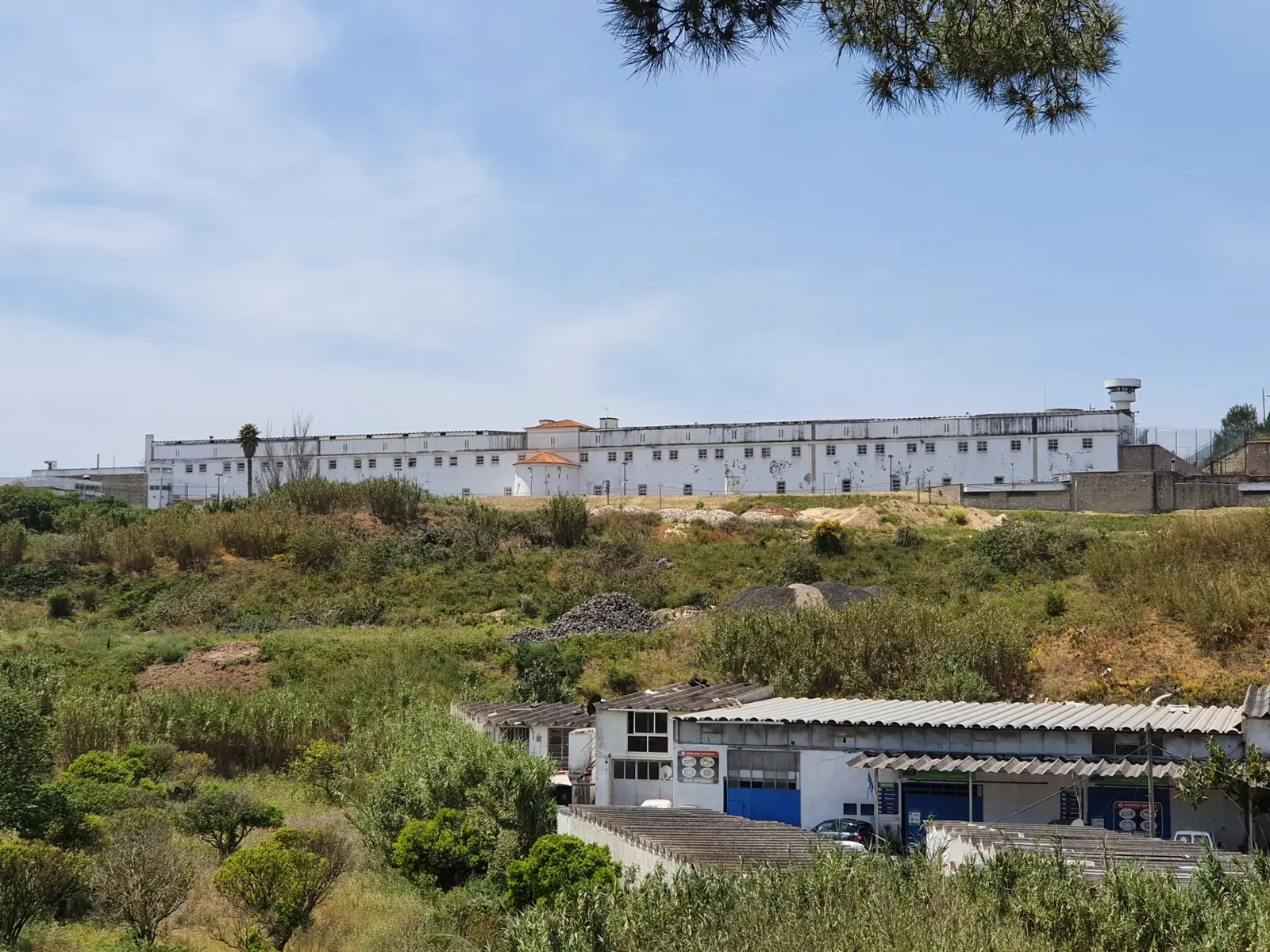
She served it in Caxias Fort.4 In the first days, held incommunicado, she made up the children’s story A Viagem numa Gota de Água (A Journey in a Drop of Water), which she published in 1977.4 With Sofia Ferreira she led the PCP cell in the prison, and in 1961 she smuggled the Caxias Manifesto out of it.2 She taught Mathematics and Geography to Maria Lourença Cabecinha.5 She was released on parole in December 1968.2 “In prison they took away the best years of my life. I went in at 35 and came out at 45”, she said in an interview with Helena Neves.4 Her account of underground life and of the punishments inflicted on women in prison was published in Mulheres Portuguesas na Resistência (Portuguese Women in the Resistance).1
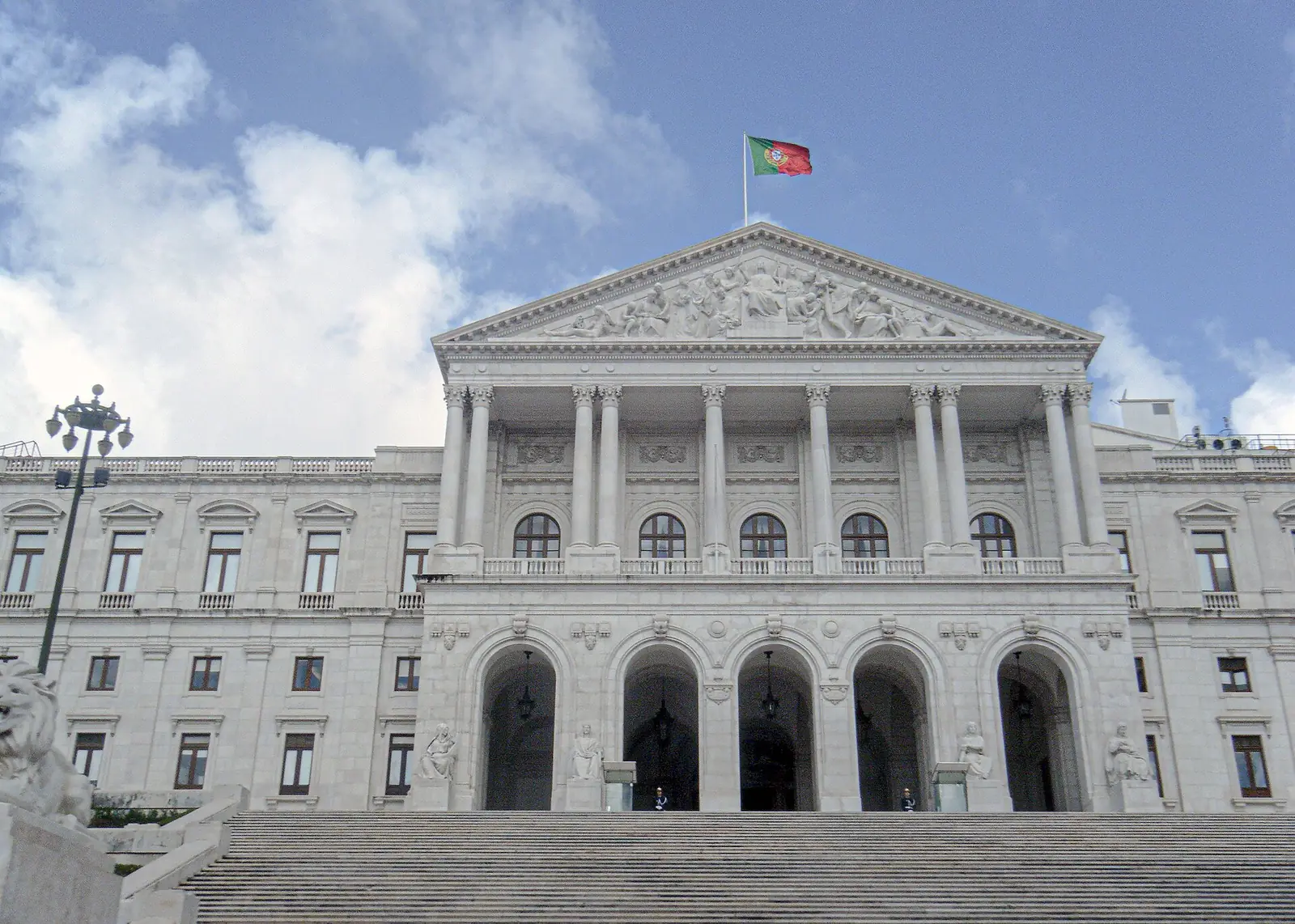
In 1975 she was elected for the PCP to the Constituent Assembly, one of the 27 women who sat in it.3 She was the only woman deputy on the 1st Committee; in the minutes, the deputies appeared by name and she with a “D.” (Dona) before hers — in Parliament’s own view, an example of the difficulty of treating women as equals.3 Later a deputy in the Assembly of the Republic, she chaired the Parliamentary Committee on the Status of Women from 1983 to 1985.1 Her stone bust stands in the Parliament’s cloister; she is one of the two women deputies so honoured.1 She died in Lisbon on 5 March 1998.42
A journalist and writer, she edited “Modas e Bordados” (Fashions and Embroidery), chaired the National Council of Portuguese Women until the regime closed it down in 1947, and responded with “As Mulheres do Meu País” (The Women of My Country). She was arrested several times and lived in exile in Paris.
A teacher and feminist, the first woman on the Central Committee of the MUD, whom José Gomes Ferreira called “the Indomitable” (a Indomável). The regime closed her school, barred her from teaching and arrested her several times.
One of the first members of the Portuguese Women’s Association for Peace, she helped Jewish refugees during the war. Arrested and tortured by the PIDE in 1962, she went into exile in Algeria and was, in Algiers, the first female voice of Rádio Voz da Liberdade (Voice of Freedom Radio).
An actress, translator and reciter of poetry, she was vice-president of the National Council of Portuguese Women and, in 1947, spoke about Virginia Woolf at the Exhibition of Books Written by Women. Troubled by the exhibition, the regime closed the Council down that same year.
A poet. She lived in Graça from 1951 until her death, wrote the “Cantata da Paz” (Cantata of Peace) for the São Domingos vigil, helped found the committee for aid to political prisoners and was a deputy in the Constituent Assembly. “This is the dawn I was waiting for” (Esta é a madrugada que eu esperava) is hers.
A medical student, she was the first woman to speak at a general assembly in the 1962 academic crisis; she later founded the Revolutionary Brigades, which attacked the machinery of the colonial war. A doctor and professor, she is the author of the first study on obesity in Portugal.
Notes on the sources5
The date of her release: December 1968, on parole (Wikipedia), or December 1969, after “ten years” in Caxias (Memória Comum).
The day of the trial (22 October 1960) and the place of her arrest (in a taxi, on Avenida da Liberdade) appear only in Wikipedia.
Whether she was the “first woman in Portugal sentenced to prison for political reasons”, as the CIG says: Memória Comum says, more precisely, that she was the first woman sentenced to eight years of major imprisonment plus security measures.
The end of her term as a deputy: 1986, according to Wikipedia and Memória Comum, which elsewhere says “from 1975 to 1985”.
The memorial plaque unveiled in 2024 on Rua José Dias Coelho, in Alcântara, mentioned only in Wikipedia.
Do you know more, or do you have a document? Tell us.