Studentsfirst woman to attend the University of Coimbradoctorteacher and headmistress of the Liceu D. Maria Piapoetdeputy in the National Assembly (1935–1942)
Born
10 April 1871, Travanca (Santa Maria da Feira)
Died
11 November 1966, Lisbon (Prazeres)
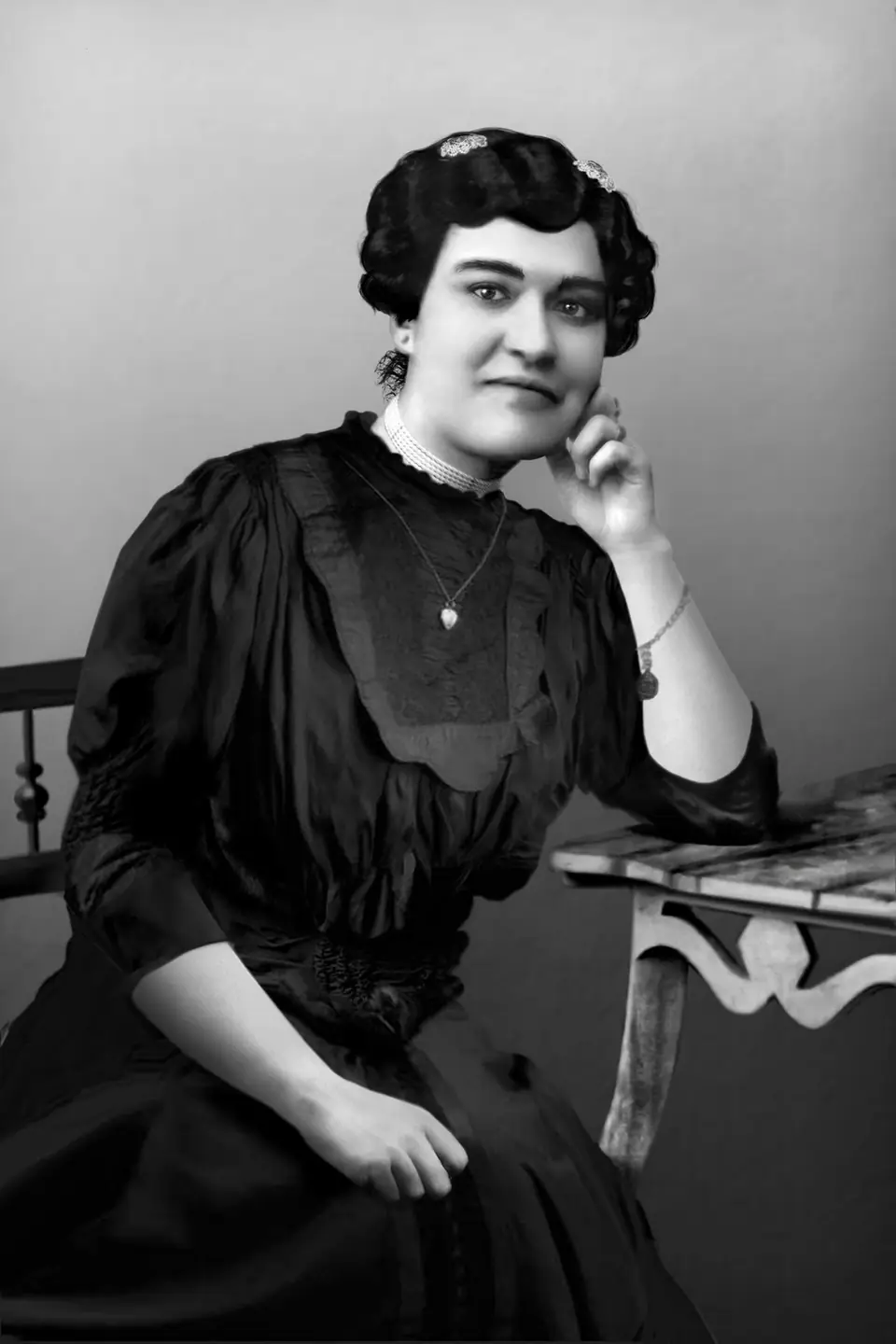
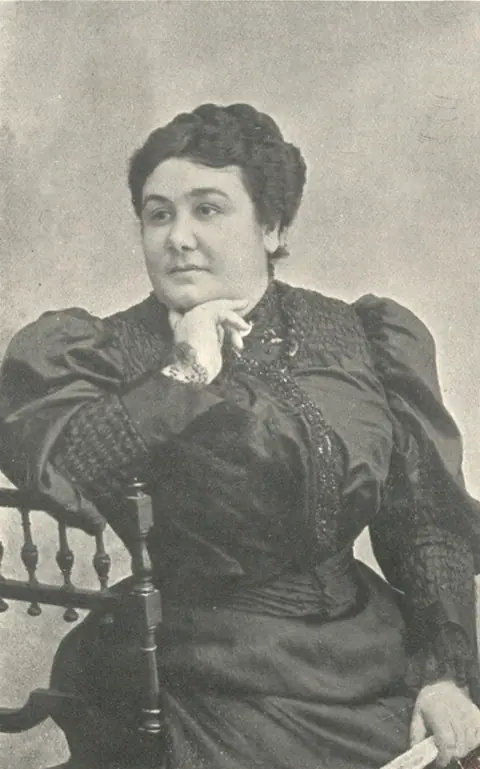
The first woman to attend the University of Coimbra, she graduated in Mathematics, Philosophy and Medicine and was a teacher and headmistress of the first girls’ secondary school (liceu). A monarchist and conservative who supported nascent Salazarism, she was one of the first three women deputies, elected in 1934 on the National Union lists.
She was born in Travanca, in the municipality of Santa Maria da Feira, in 1871.2 She was the first woman to attend the University of Coimbra, where she took degrees in Mathematics, Philosophy and Medicine.1 In 1906 she joined, with four other women doctors — Adelaide Cabete, Carolina Beatriz Ângelo, Emília Patacho and Maria do Carmo Lopes — the Portuguese committee of the French association La Paix et le Désarmement par les Femmes.3
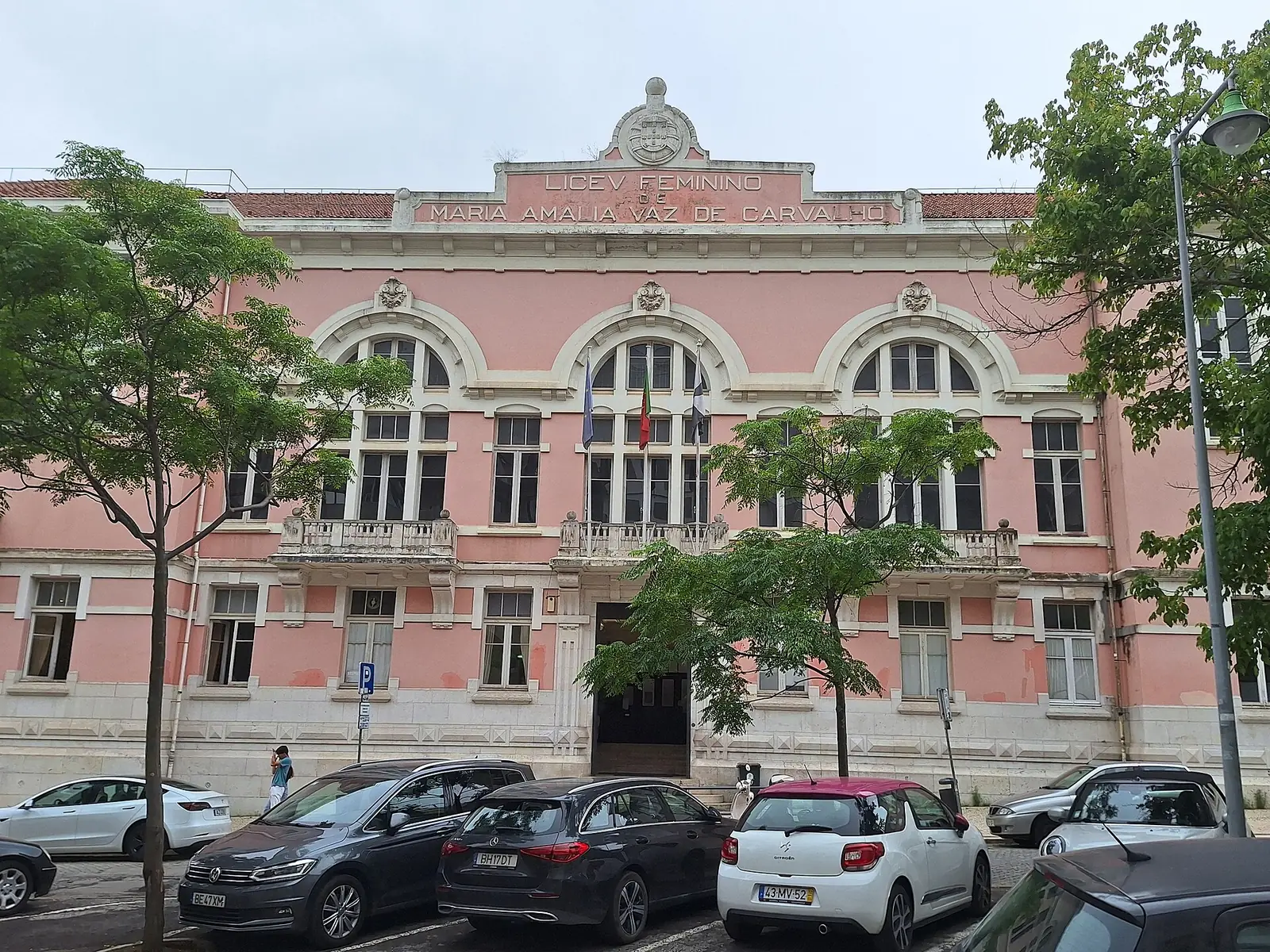
She practised medicine in Lisbon, at the National Assistance for Tuberculosis Patients, but chose teaching: she was a teacher and headmistress of the Liceu D. Maria Pia, the country’s first girls’ secondary school (liceu), which would later be called Liceu Maria Amália Vaz de Carvalho.2
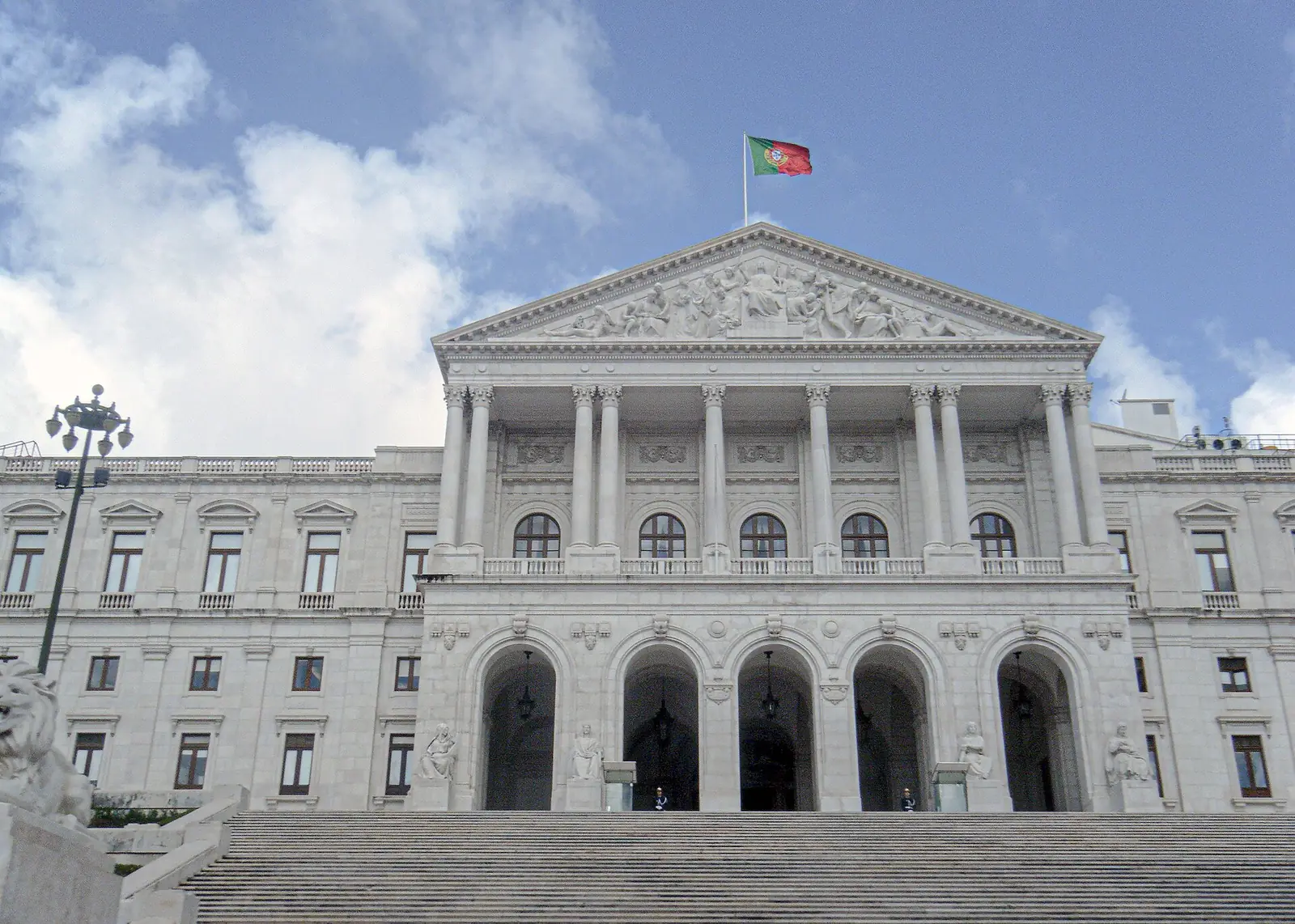
A monarchist and conservative, she embraced the principles of the Estado Novo (“New State”) and stood out in the small elite of women who supported nascent Salazarism; being a monarchist, she acted as go-between for Salazar and the former Queen Amélia, with whom she corresponded.2 In the elections of 16 December 1934 she was elected on the National Union lists and, with Maria Cândida Parreira and Maria Guardiola, became one of the first three Portuguese women deputies. She sat in the National Assembly for two legislatures, from 1935 to 1942.1 It was not the First Republic, which had denied women the right to vote and to be elected, that opened Parliament to them: it was Salazar’s regime, albeit in a very restricted way, because it saw them as a means of building and spreading the ideology of the Estado Novo.1
In the Assembly, she spoke on infant mortality and was behind the compulsory courses in general hygiene and childcare in girls’ secondary schools.2 In the debate on Carneiro Pacheco’s education reform, in 1936, she argued for a compulsory crucifix in primary schools, against secular education.2 She died in Lisbon, in the parish of Prazeres, in 1966.2
A Mathematics teacher and headmistress of the Liceu Maria Amália Vaz de Carvalho, she was one of the first three women elected as deputies, in 1934, and a central figure in the women’s organisations of the Estado Novo (“New State”).
A Lisbon lawyer who graduated in Law in 1919, she was one of the first three Portuguese women deputies, elected in 1934 on the National Union lists, under the Estado Novo.
A doctor, the first Portuguese woman surgeon and a suffragist. A widow and “head of household”, she won in court the right to be registered as a voter and, on 28 May 1911, at the Clube Estefânia, became the first woman to vote in Portugal.
A republican doctor who only began studying after she married, she founded the National Council of Portuguese Women in 1914, chaired it for more than twenty years and made her practice in Restauradores its headquarters.
A Coimbra professor called in by the Military Dictatorship to take over the Ministry of Finance in 1928, he headed the Government from 1932 to 1968 and made the Estado Novo (“New State”), instituted by the 1933 Constitution, a dictatorship with power concentrated in the President of the Council.
A communist leader, he was arrested in 1949 and escaped from Peniche Fortress in 1960. General secretary of the PCP, he returned from exile on 30 April 1974 and addressed the crowd at the airport from the top of a Chaimite armoured car.
Notes on the sources3
The years she was headmistress of the Liceu D. Maria Pia: from its foundation, in 1906, to November 1912, according to Wikipedia; the other sources give no dates.
The years of the two legislatures: 1935–1942 (Faces de Eva) or 1934–1938 and 1938–1941 (Wikipedia). Faces de Eva is followed here.
The political portrait — monarchist, conservative, go-between for Salazar and the former Queen Amélia — and the position on the crucifix in schools, in 1936, come only from Wikipedia.
Do you know more, or do you have a document? Tell us.