People
Pinheiro de Azevedo
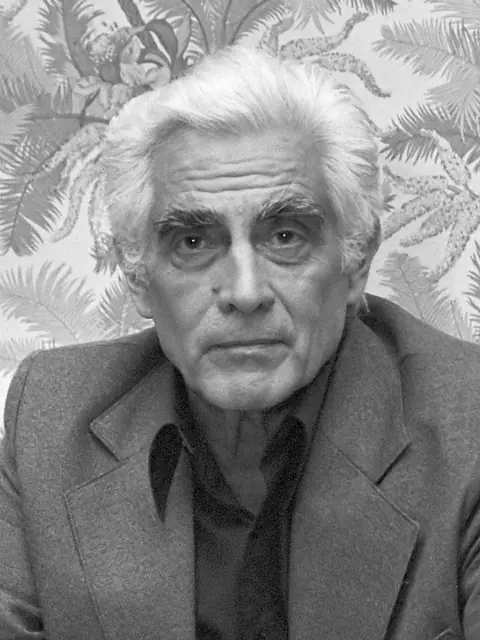
José Baptista Pinheiro de Azevedo
- Born
- 5 June 1917, Luanda, Angola
- Died
- 10 August 1983, Lisbon
A naval officer and member of the National Salvation Junta, he headed the Sixth Provisional Government and was held captive in his official residence, at São Bento, during the siege by construction workers in November 1975.
He was born in Luanda on 5 June 1917.7 A naval officer, on 25 April 1974 he was a captain (capitão-de-mar-e-guerra) and commanded the Mainland Marine Force; at 16:00, with Lieutenant Commanders Vítor Crespo and Almada Contreiras, he formed a force of marines under the command of Lieutenant Commander Luís Costa Correia.2 He was a member of the National Salvation Junta, which was presented to the country live in the early hours of the 26th from the RTP studios in Lumiar, together with António de Spínola and Costa Gomes.1
He was prime minister of the Sixth Provisional Government. On 12 November 1975, striking construction workers gathered outside the Constituent Assembly, at the Palácio de São Bento; Pinheiro de Azevedo went out onto the balcony to speak to them and was booed.3 The demonstrators — about 100,000, according to the press of the time — prevented the deputies from leaving for 36 hours and kept him captive in the prime minister’s official residence, next to the palace.5 In the early hours of the 14th he reached an agreement with the union leaders and undertook to bring the collective labour agreement into force from 27 November.4
After the siege, accused of being a fascist, he replied with a phrase that ended up on a sticker: “To hell with the fascist” (Bardamerda para o fascista).6 He died in Lisbon on 10 August 1983.7
From the archives
In other archives
These can only be viewed on each archive’s own website.
- RTP Arquivos · Video · broadcast on 25 April 1974 · 5 minProclamação da Junta de Salvação NacionalGenerals Spínola and Costa Gomes arrive at the Lumiar studios, and Fialho Gouveia introduces the members of the National Salvation Junta. Spínola reads the proclamation to the nation live.Open in the archive
- RTP Arquivos · Photograph · 27 April 1974A Junta de Salvação NacionalA photograph by Olavo Moreira taken at a meeting of the National Salvation Junta in the Palácio da Cova da Moura. Present are Galvão de Melo, Pinheiro de Azevedo, Spínola, Costa Gomes, Diogo Neto and Silvério Marques.Open in the archive
On the walks
Places

In the timeline
They crossed paths with him
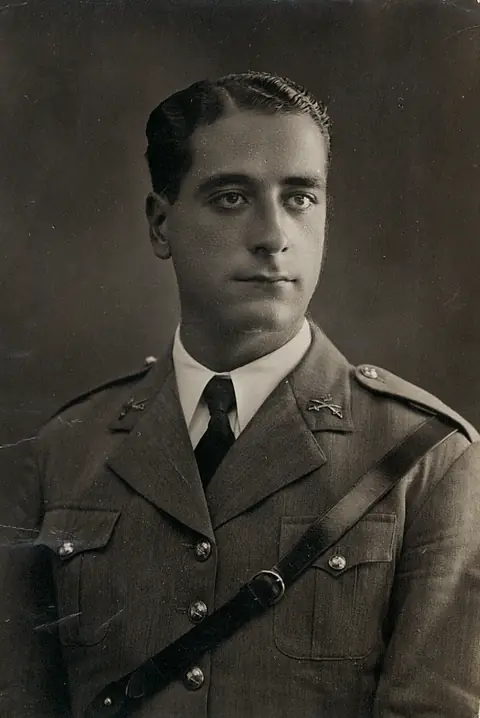
Costa Gomes
1914–2001
Chosen by the captains as a prestigious leader, he was a member of the National Salvation Junta, succeeded Spínola as President in September 1974, declared a state of siege on 25 November 1975 and promulgated the 1976 Constitution.
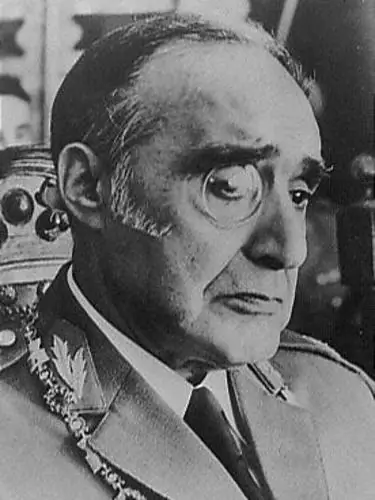
António de Spínola
1910–1996
A general and author of “Portugal e o Futuro” (Portugal and the Future), he received Marcelo Caetano’s surrender at the Carmo Barracks, presided over the National Salvation Junta and was President of the Republic until he resigned, on 30 September 1974. On 11 March 1975 he fled to Spain.
Helena Roseta
b. 1947
An architect and progressive Catholic, she spoke on housing at the Opposition Congress in Aveiro and was detained by the PIDE in 1973. A co-founder of the Botequim and a deputy in the Constituent Assembly, in 1982 she gave up her seat in order to vote, against her parliamentary group, for an amnesty for political prisoners.
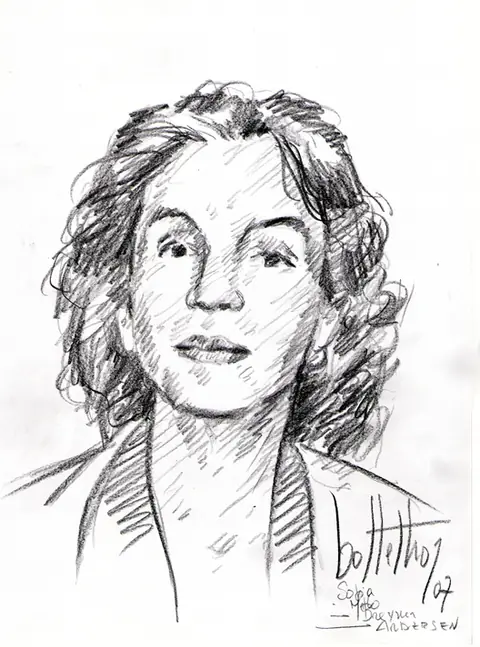
Sophia de Mello Breyner Andresen
1919–2004
A poet. She lived in Graça from 1951 until her death, wrote the “Cantata da Paz” (Cantata of Peace) for the São Domingos vigil, helped found the committee for aid to political prisoners and was a deputy in the Constituent Assembly. “This is the dawn I was waiting for” (Esta é a madrugada que eu esperava) is hers.
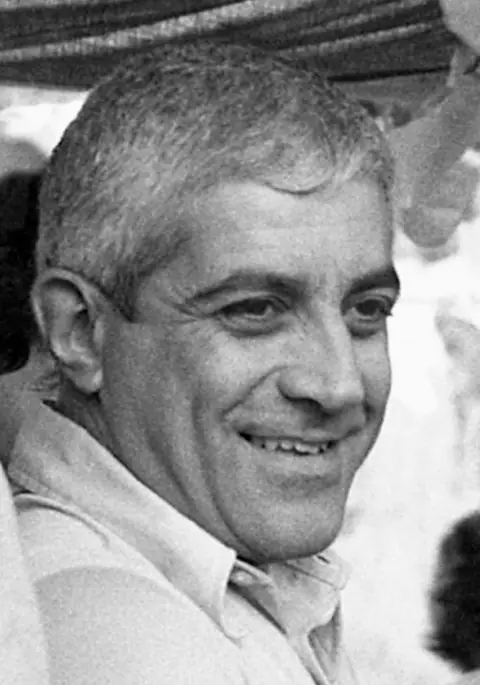
Otelo Saraiva de Carvalho
1936–2021
An Artillery major, he drew up the operations plan for 25 April and directed the operations from the clandestine Command Post at Pontinha; he later commanded COPCON and the Lisbon Military Region.
Álvaro Cunhal
1913–2005
A communist leader, he was arrested in 1949 and escaped from Peniche Fortress in 1960. General secretary of the PCP, he returned from exile on 30 April 1974 and addressed the crowd at the airport from the top of a Chaimite armoured car.


Notes on the sources1
- The dates and places of birth and death come only from Wikidata.
Do you know more, or do you have a document? Tell us.
Sources
- 1Operação Viragem Histórica. Comissão Comemorativa 50 Anos 25 de Abril — consulted on 2 October 2026
- 2Cronologia do 25 de Abril, por Jofre Alves (blogue Abril de Novo, 2010), na Biblioteca Digital do CD25A. Centro de Documentação 25 de Abril – Universidade de Coimbra — consulted on 2 October 2026
- 3Cerco à Assembleia Constituinte – Parte 1. RTP – Memórias da Revolução (textos de Aniceto Afonso, Carlos Matos Gomes e Maria Inácia Rezola) — consulted on 2 October 2026
- 4Cerco à Assembleia Constituinte – Parte 2. RTP – Memórias da Revolução (textos de Aniceto Afonso, Carlos Matos Gomes e Maria Inácia Rezola) — consulted on 2 October 2026
- 5O cerco ao Palácio de São Bento (12/13 de novembro). Assembleia da República – Comunicar — consulted on 2 October 2026
- 6A construção da democracia (1974-1976). Assembleia da República – Comunicar — consulted on 2 October 2026
- 7José Pinheiro de Azevedo (Q722270). Wikidata — consulted on 2 October 2026