Republicwriter, pioneer of children’s literaturejournalistfounder of the Republican League of Portuguese Womenfounder and president of the Feminist Propaganda Associationcontributor to the 1910 divorce law
Born
18 June 1872, Mangualde
Died
23 March 1935, Lisbon (according to Wikipedia; Toponímia de Lisboa says Setúbal)
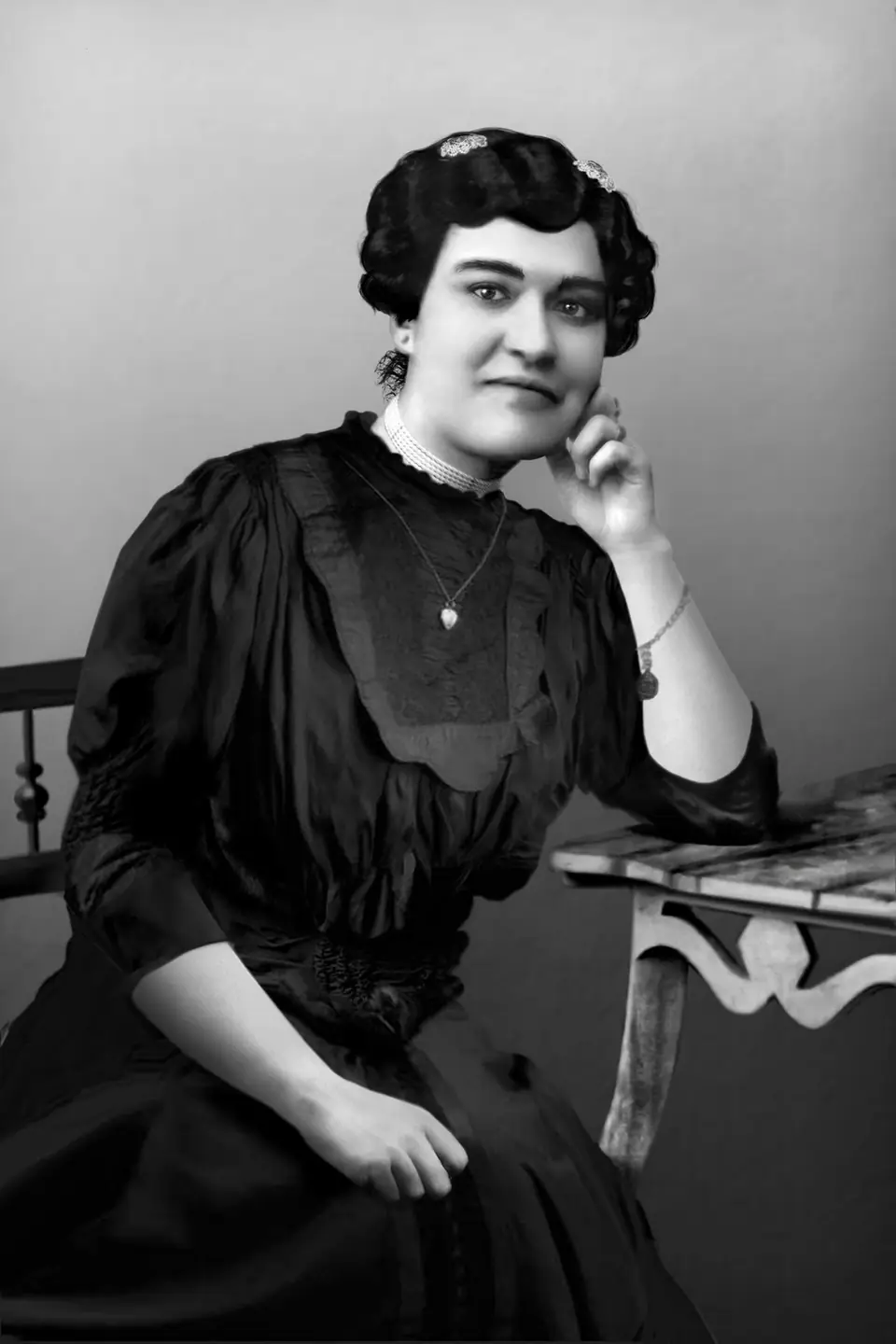
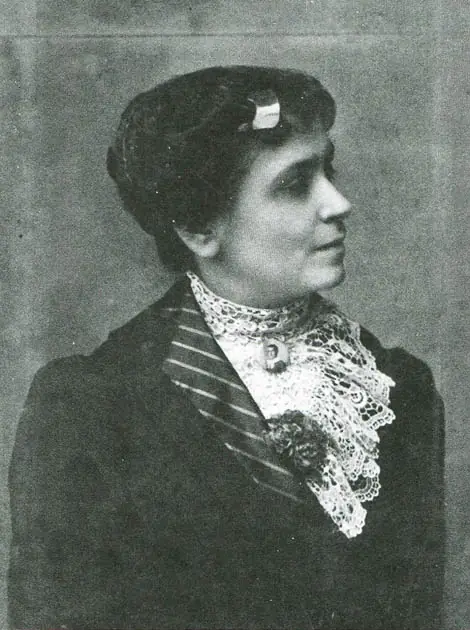
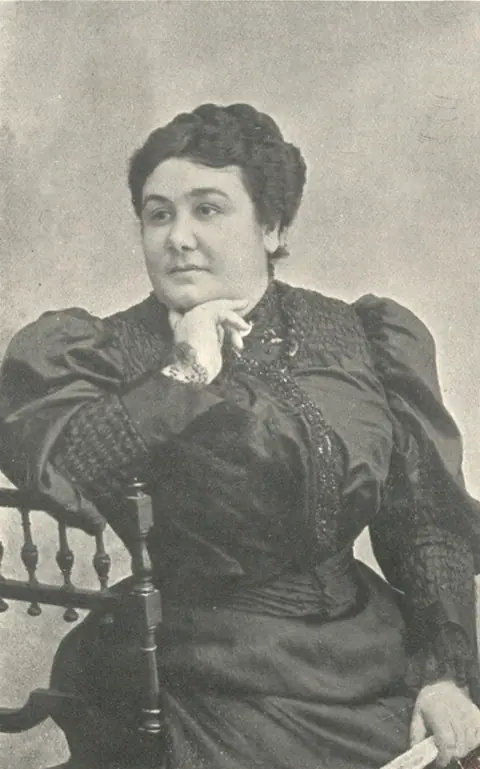
A writer, author of what is considered the first Portuguese feminist manifesto (1905), she launched the Republican League of Portuguese Women and founded, with Carolina Beatriz Ângelo, the Feminist Propaganda Association, which advocated the vote for educated women.
She was born in Mangualde on 18 June 1872.15 Author of the series Para as Crianças (For the Children; 1897–1935), she is considered the founder of children’s literature in Portugal.1 In 1905 she published As Mulheres Portuguesas (Portuguese Women), considered the first Portuguese feminist manifesto.15 She edited the magazine A Sociedade Futura (The Future Society), where she was succeeded by Olga de Moraes Sarmento.7
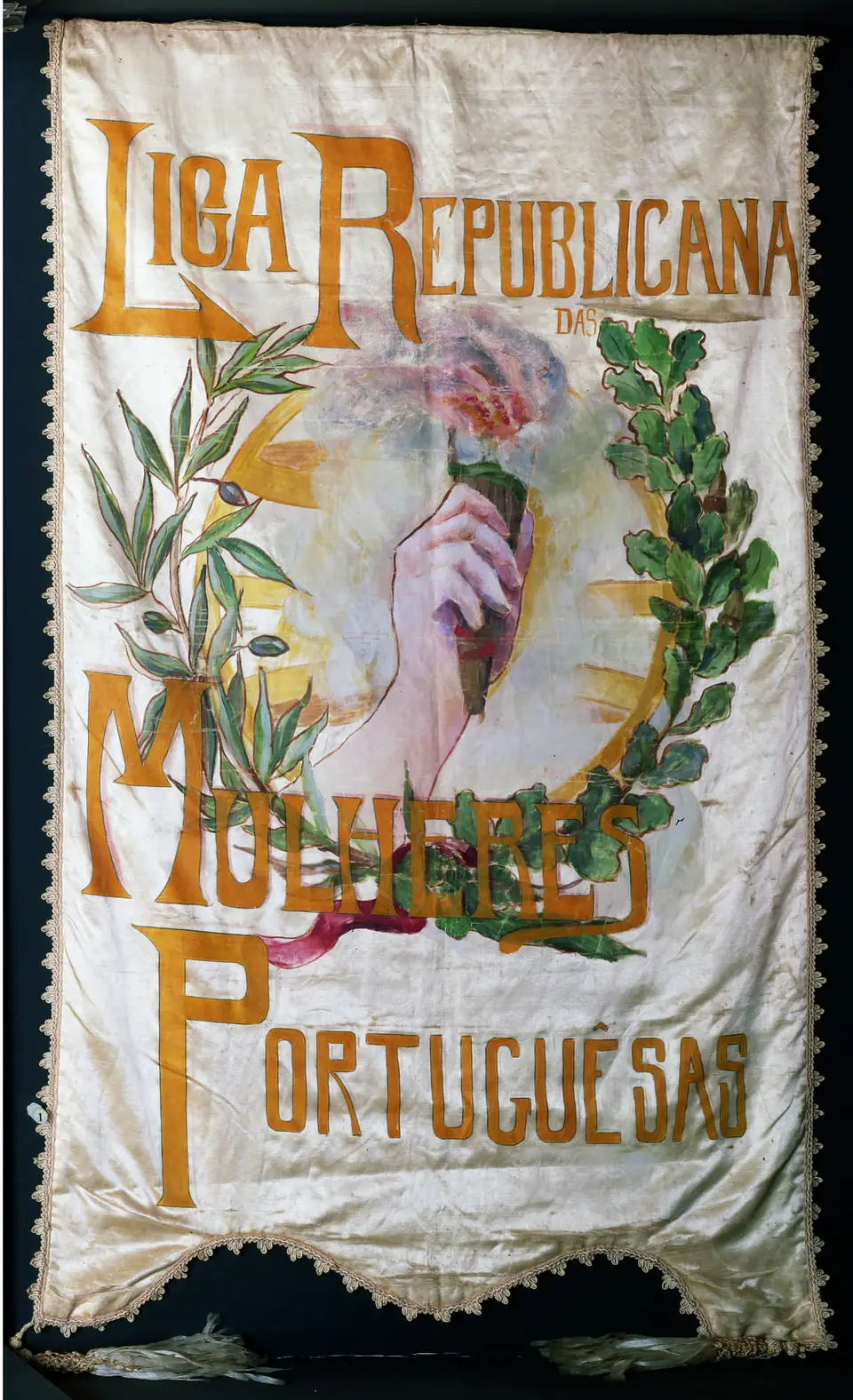
In 1907 she was leading the Portuguese Group for Feminist Studies, and in August 1908 she launched, with António José de Almeida, the idea of the Republican League of Portuguese Women.2 The League was born in 1909, on the second floor of No. 6 Rua dos Castelinhos.1 After the proclamation of the Republic, she worked with Afonso Costa, the Minister of Justice, on the divorce law.15
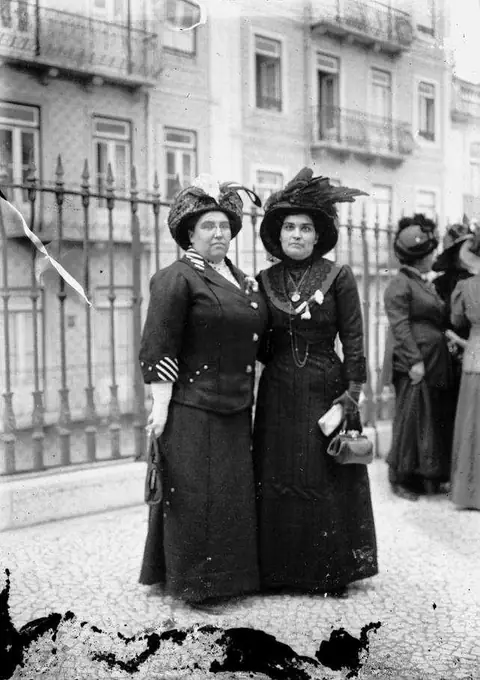
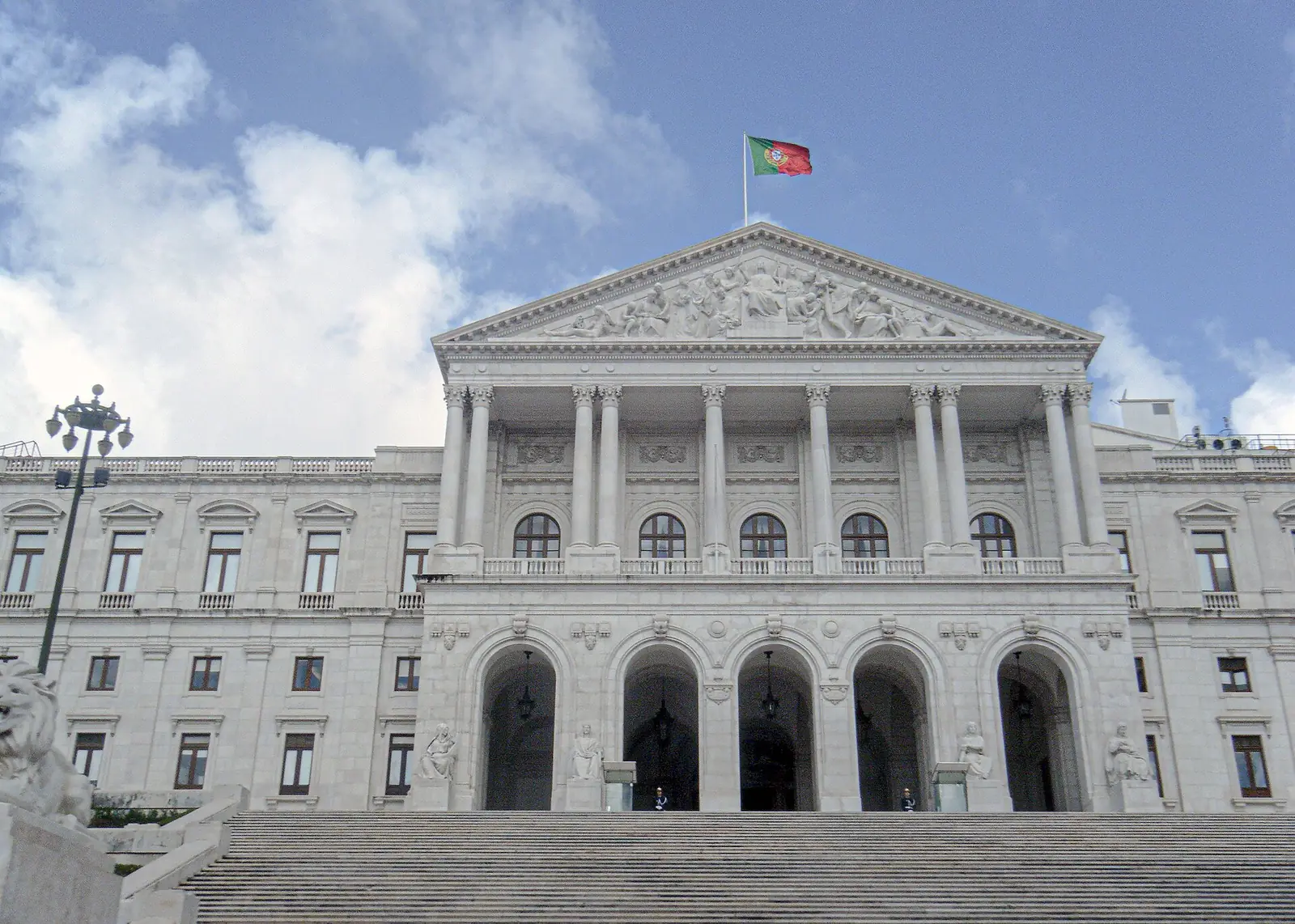
She argued for the vote only for women who were educated and who worked; Maria Veleda’s wing would accept no restrictions.4 The split led her to leave the League and to found, with Carolina Beatriz Ângelo, on 12 May 1911, the Feminist Propaganda Association.46 The judge who ruled in Carolina’s favour in the appeal that opened the electoral rolls to her was Ana’s father, João Baptista de Castro.3 On 28 May, the day Carolina voted, the two were photographed by the polling place, the Clube Estefânia, for Ilustração Portuguesa.34 On 24 July, the Association petitioned the Constituent Assembly for women’s suffrage.4 When Carolina died, in October, Ana became its president.6
Later in 1911 she went with her husband, Paulino de Oliveira, who had been appointed consul in São Paulo.15 During the Great War she founded the Women’s Committee “Pela Pátria” (For the Homeland), from which the Crusade of Portuguese Women was born.1 She died on 23 March 1935.15 In 1976 the City Council named a street in Carnide after her.1
From the archives
In other archives
These can only be viewed on each archive’s own website.
A doctor, the first Portuguese woman surgeon and a suffragist. A widow and “head of household”, she won in court the right to be registered as a voter and, on 28 May 1911, at the Clube Estefânia, became the first woman to vote in Portugal.
A teacher and journalist from Faro, and a single mother, she gave evening classes to illiterate women and led the Republican League of Portuguese Women, advocating unrestricted votes for women.
A republican doctor who only began studying after she married, she founded the National Council of Portuguese Women in 1914, chaired it for more than twenty years and made her practice in Restauradores its headquarters.
Considered the first Portuguese professional woman journalist, she worked for “O Século” and “A Capital”, campaigned for divorce and for the vote, and opened the way for other women journalists, such as Maria Lamas.
One of the first Portuguese women doctors, she qualified in Lisbon in 1905 and was a feminist, a republican and a freethinker: she belonged to the Portuguese Group for Feminist Studies and to the Republican League of Portuguese Women.
A communist leader, he was arrested in 1949 and escaped from Peniche Fortress in 1960. General secretary of the PCP, he returned from exile on 30 April 1974 and addressed the crowd at the airport from the top of a Chaimite armoured car.
Notes on the sources5
The place of death: Lisbon, at her home, in the parish of Sé (Wikipedia, which cites the death register), or Setúbal (Toponímia de Lisboa).
The year the Feminist Propaganda Association was founded: 1911, according to the Assembly of the Republic (12 May) and Wikipedia, or 1912, according to Toponímia de Lisboa.
The Women’s Committee “Pela Pátria”: from 1914 (Wikipedia) or from 1916 (Toponímia de Lisboa). And the Crusade of Portuguese Women: it grew out of the committee (Toponímia de Lisboa) or was founded by Elzira Dantas Machado, who reorganised the committee (Wikipedia).
The title of the 1905 manifesto: “As Mulheres Portuguesas” (Portuguese Women; Toponímia de Lisboa) or “Às Mulheres Portuguesas” (To Portuguese Women; Wikipedia).
Who founded “A Sociedade Futura”: Ana de Castro Osório (Toponímia de Lisboa) or Olga de Moraes Sarmento and her husband, Manuel João da Silveira (Wikipedia).
Do you know more, or do you have a document? Tell us.