Women of the resistance
Maria Cândida Parreira
Maria Cândida Bragança de Oliveira Parreira
- Born
- 16 January 1877, Lisbon
- Died
- 28 July 1942, Lisbon
A Lisbon lawyer who graduated in Law in 1919, she was one of the first three Portuguese women deputies, elected in 1934 on the National Union lists, under the Estado Novo.
She was born in Lisbon in 1877.12 She graduated in Law in 1919 and was a lawyer, writer and lecturer.1 She described herself as a practising Catholic.2
In the elections of 16 December 1934 she was elected on the National Union lists and, with Domitila de Carvalho and Maria Guardiola, became one of the first three Portuguese women deputies. She sat in the National Assembly during the 1st legislature, from 1935 to 1938.12 This is how she explained the opening of parliament to women: Salazar had chosen those who “can contribute, through their profession, in matters of Family, Welfare and Education”.3 She died in Lisbon in 1942.12
On the walks
Places

In the timeline
They crossed paths with her
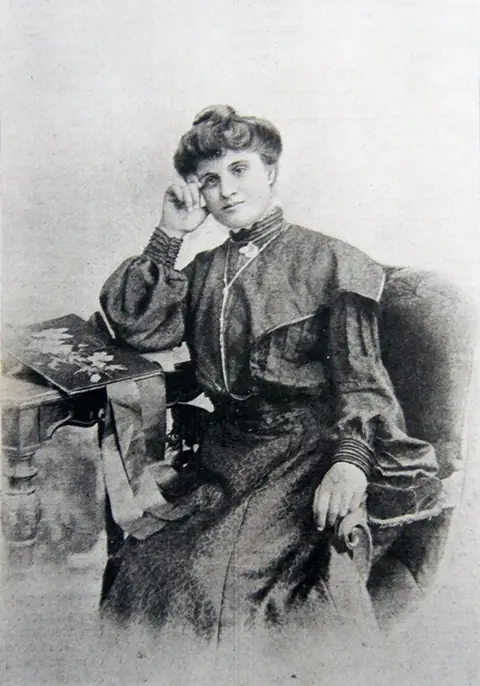
Domitila de Carvalho
1871–1966
The first woman to attend the University of Coimbra, she graduated in Mathematics, Philosophy and Medicine and was a teacher and headmistress of the first girls’ secondary school (liceu). A monarchist and conservative who supported nascent Salazarism, she was one of the first three women deputies, elected in 1934 on the National Union lists.
Maria Guardiola
1895–1987
A Mathematics teacher and headmistress of the Liceu Maria Amália Vaz de Carvalho, she was one of the first three women elected as deputies, in 1934, and a central figure in the women’s organisations of the Estado Novo (“New State”).
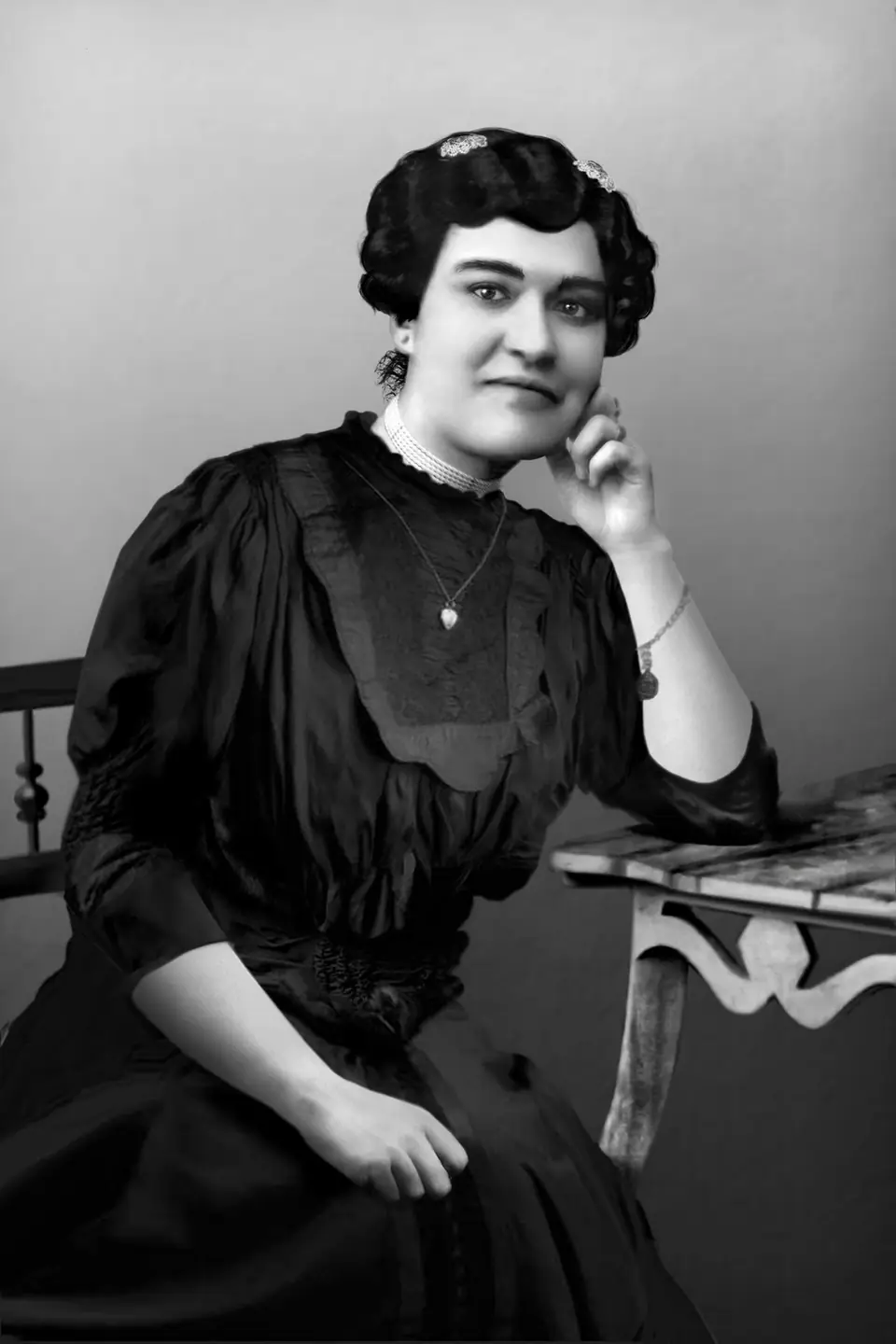
Carolina Beatriz Ângelo
1878–1911
A doctor, the first Portuguese woman surgeon and a suffragist. A widow and “head of household”, she won in court the right to be registered as a voter and, on 28 May 1911, at the Clube Estefânia, became the first woman to vote in Portugal.
António de Oliveira Salazar
1889–1970
A Coimbra professor called in by the Military Dictatorship to take over the Ministry of Finance in 1928, he headed the Government from 1932 to 1968 and made the Estado Novo (“New State”), instituted by the 1933 Constitution, a dictatorship with power concentrated in the President of the Council.
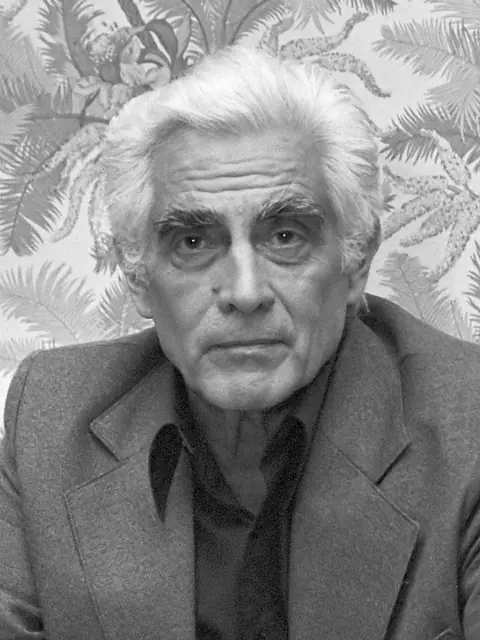
Álvaro Cunhal
1913–2005
A communist leader, he was arrested in 1949 and escaped from Peniche Fortress in 1960. General secretary of the PCP, he returned from exile on 30 April 1974 and addressed the crowd at the airport from the top of a Chaimite armoured car.
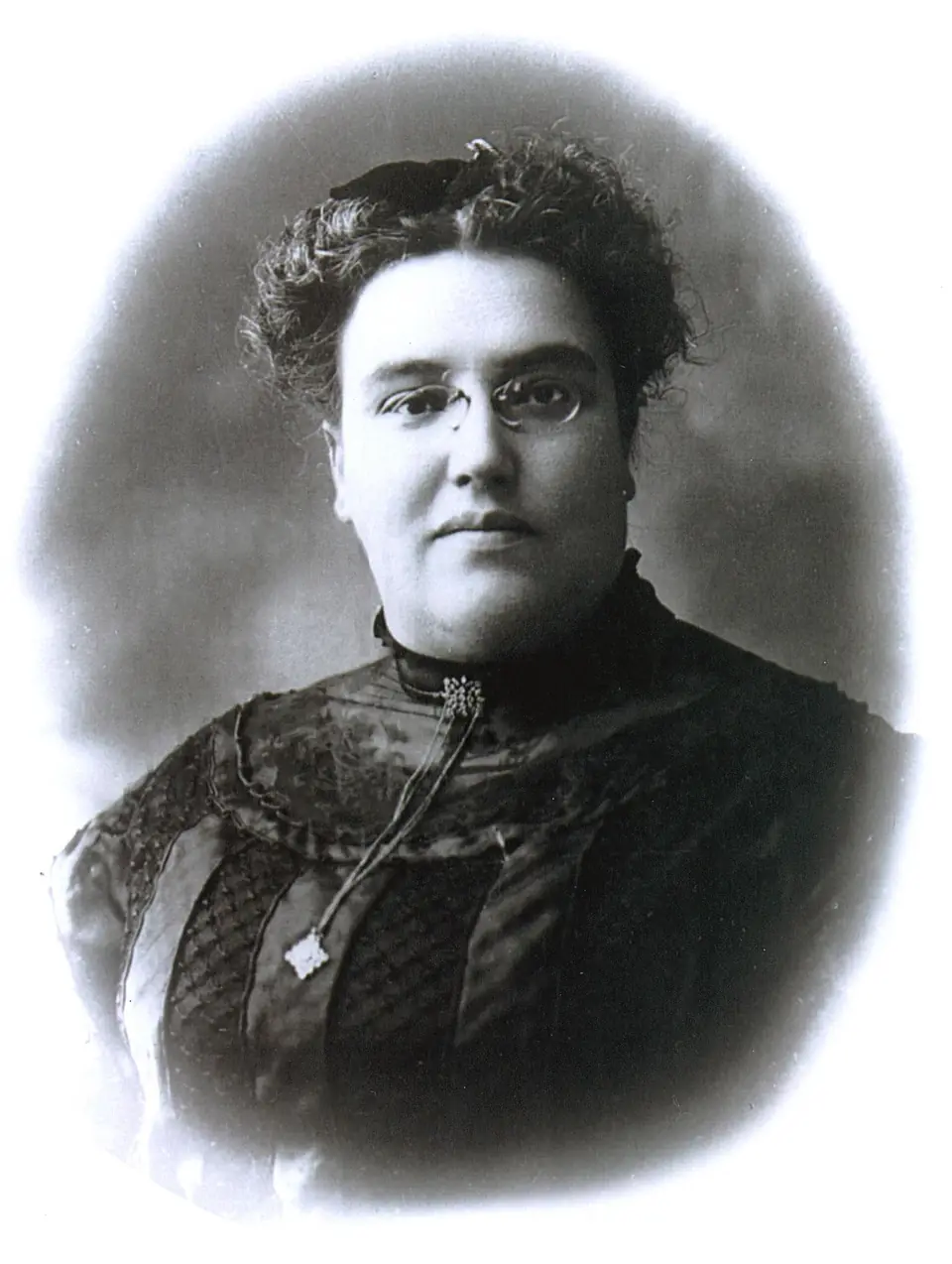
Ana de Castro Osório
1872–1935
A writer, author of what is considered the first Portuguese feminist manifesto (1905), she launched the Republican League of Portuguese Women and founded, with Carolina Beatriz Ângelo, the Feminist Propaganda Association, which advocated the vote for educated women.


Notes on the sources2
- The days of birth (16 January 1877) and death (28 July 1942) come only from Wikipedia; Faces de Eva gives only the years.
- Where and when she published the explanation of Salazar’s choice: Irene Flunser Pimentel quotes it without giving the source.
Do you know more, or do you have a document? Tell us.
Sources
- 1Um olhar sobre a participação feminina na Assembleia Nacional: a deputada Virgínia Faria Gersão (Faces de Eva, n.º 47). Susana Fontes e Sónia Coelho / Faces de Eva (SciELO Portugal) — consulted on 2 October 2026
- 2Maria Cândida Parreira. Wikipédia (pt) — consulted on 2 October 2026
- 3O voto das mulheres em Portugal (Irene Flunser Pimentel, 29/9/2013). jugular (blogue, SAPO) — consulted on 2 October 2026