Women of the resistance
Helena Roseta
- Born
- 1947
An architect and progressive Catholic, she spoke on housing at the Opposition Congress in Aveiro and was detained by the PIDE in 1973. A co-founder of the Botequim and a deputy in the Constituent Assembly, in 1982 she gave up her seat in order to vote, against her parliamentary group, for an amnesty for political prisoners.
Before 25 April she was involved in civic movements that grew out of the Catholic Church and was a leader of the Catholic Student Youth (Juventude Escolar Católica). In 1973 she spoke on housing at the 3rd Congress of the Democratic Opposition, in Aveiro, and that year she was detained by the PIDE.4
She was one of the founders of the Botequim, the bar that Natália Correia opened in Graça in 1971, with Isabel Meireles and Júlia Marenha.12
After 25 April she joined the Popular Democratic Party, for which she was elected in 1975 as a deputy to the Constituent Assembly and, in 1976, to the Assembly of the Republic.4 She was one of the 27 women who sat in the Constituent Assembly, out of a total of 327 deputies.3 In 1982 she gave up her seat because she had supported, on grounds of conscience and against the line of her parliamentary group, an amnesty for the political prisoners of the Revolutionary Party of the Proletariat and the Revolutionary Brigades. Later, in 1998, she was a driving force behind the “Sim pela Tolerância” (Yes for Tolerance) movement, in the referendum on decriminalising the voluntary termination of pregnancy.4
From the archives
In other archives
These can only be viewed on each archive’s own website.
On the walks
Places


In the timeline
They crossed paths with her
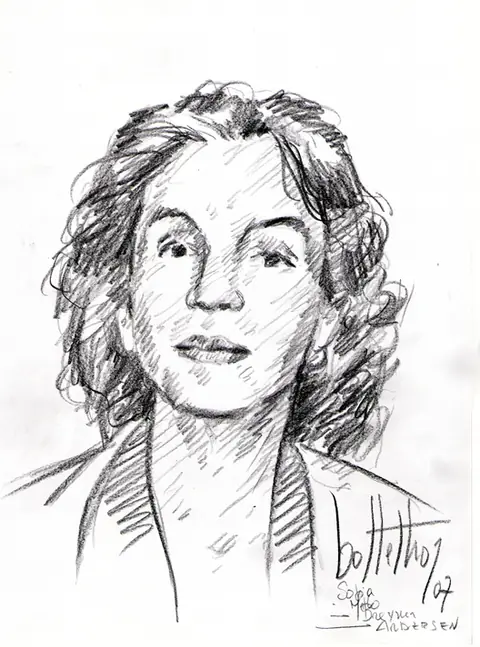
Sophia de Mello Breyner Andresen
1919–2004
A poet. She lived in Graça from 1951 until her death, wrote the “Cantata da Paz” (Cantata of Peace) for the São Domingos vigil, helped found the committee for aid to political prisoners and was a deputy in the Constituent Assembly. “This is the dawn I was waiting for” (Esta é a madrugada que eu esperava) is hers.
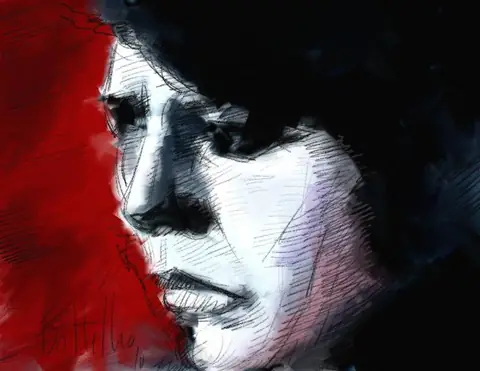
Natália Correia
1923–1993
A poet and publisher, she was the Portuguese writer with the most works censored. Tried at the Plenary Court over the “Antologia de Poesia Portuguesa Erótica e Satírica” (Anthology of Portuguese Erotic and Satirical Poetry), she published “Novas Cartas Portuguesas” (New Portuguese Letters) and opened the Botequim in Graça, where she celebrated 25 April. She later became a deputy.
Pinheiro de Azevedo
1917–1983
A naval officer and member of the National Salvation Junta, he headed the Sixth Provisional Government and was held captive in his official residence, at São Bento, during the siege by construction workers in November 1975.
Maria Alda Nogueira
1923–1998
An underground communist activist, she was arrested in 1959 and sentenced to eight years of major imprisonment plus security measures, which she served in Caxias. A deputy from the Constituent Assembly onwards, she chaired the Parliamentary Committee on the Status of Women from 1983 to 1985.
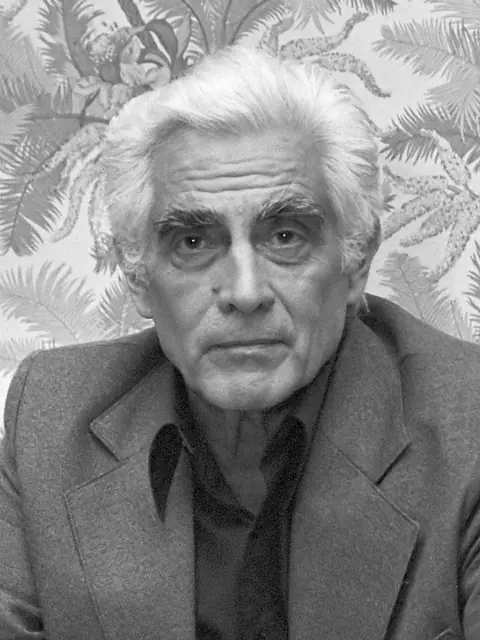
Álvaro Cunhal
1913–2005
A communist leader, he was arrested in 1949 and escaped from Peniche Fortress in 1960. General secretary of the PCP, he returned from exile on 30 April 1974 and addressed the crowd at the airport from the top of a Chaimite armoured car.
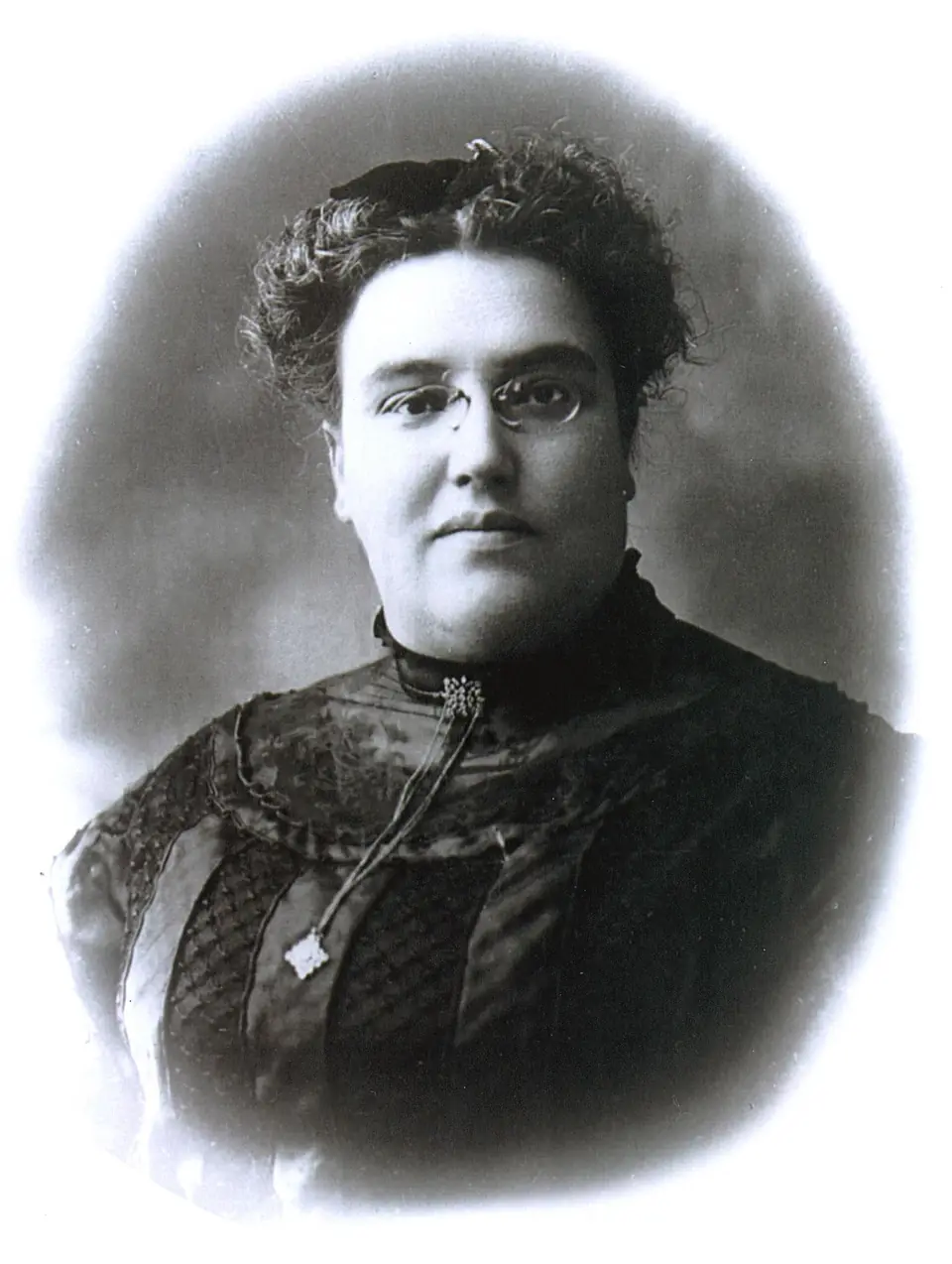
Ana de Castro Osório
1872–1935
A writer, author of what is considered the first Portuguese feminist manifesto (1905), she launched the Republican League of Portuguese Women and founded, with Carolina Beatriz Ângelo, the Feminist Propaganda Association, which advocated the vote for educated women.


Notes on the sources1
- Whether she was one of the founders of the Botequim: so say FCSH+Lisboa and the Aljube Museum; the chronology in “O Essencial sobre Natália Correia” (Imprensa Nacional, 2024) gives the bar as the property of a partnership between Natália Correia and Isabel Meyrelles, and does not name her.
Do you know more, or do you have a document? Tell us.
Sources
- 1Natália Correia: todas as personalidades num botequim (19/4/2017). FCSH+Lisboa – NOVA FCSH — consulted on 2 October 2026
- 2Natália Correia (13/9/2020). Museu do Aljube – Resistência e Liberdade — consulted on 2 October 2026
- 3As mulheres na Constituinte de 1975-1976. Assembleia da República — consulted on 2 October 2026
- 4Mulheres pela Igualdade (biografias). CIG – Comissão para a Cidadania e a Igualdade de Género — consulted on 2 October 2026
- 5O Essencial sobre Natália Correia (Luiz Fagundes Duarte). Imprensa Nacional, 2024 — consulted on 2 October 2026
- 6Consulta SPARQL de identificadores e datas (P569/P570) de pessoas. Wikidata Query Service — consulted on 2 October 2026