Women of the resistance
Maria Luísa van Zeller
Maria Luísa de Saldanha da Gama van Zeller
- Born
- 16 December 1906, Lisbon
- Died
- 4 March 1983
A doctor and a leader of the women’s organisations of the Estado Novo (“New State”), she was a deputy in the National Assembly from 1938 to 1949. She supported the vote for married women, but without “absolute equality” with men, in the name of the “policy of women’s return to the home”.
She was born in Lisbon in 1906 and graduated in Medicine from the University of Lisbon in 1932. She was a junior doctor at the Lisbon Civil Hospitals, an assistant at the Portuguese Institute of Oncology and director of the Maternal Institute and of the Alfredo da Costa Maternity Hospital. A devout Catholic, she presided over the Catholic University Women’s Youth (Juventude Universitária Católica Feminina).1
She was on the regime’s side and in its women’s organisations. In 1938 she was assistant commissioner of the Women’s Portuguese Youth (Mocidade Portuguesa Feminina), whose national commissioner was Maria Guardiola, and was responsible for physical education, health and hygiene; she was also on the executive committee of the Mothers’ Work for National Education (Obra das Mães pela Educação Nacional).21 She was a deputy in the National Assembly for three legislatures, from 1938 to 1949, and spoke mainly about welfare, health and education.1 According to the journal Faces de Eva (Faces of Eve), in many of her speeches she referred “to the most pressing problems of the women of her time”, sometimes presenting herself as their representative.3
In 1946, in the debate that led to Law No. 2015, she supported the vote for married women, but warned that she did not seek for women “absolute equality” with men, which would run counter to “the spirit of the policy of women’s return to the home”.4 In 1947 she argued that nursing should be entrusted to women: “No one knows as well as a woman how to bend delicately over pain and, at the right moment, to say the word that consoles”.5 From 1963 to 1971 she was deputy director-general and then director-general of Health. She died in 1983.1
On the walks
Places

In the timeline
They crossed paths with her
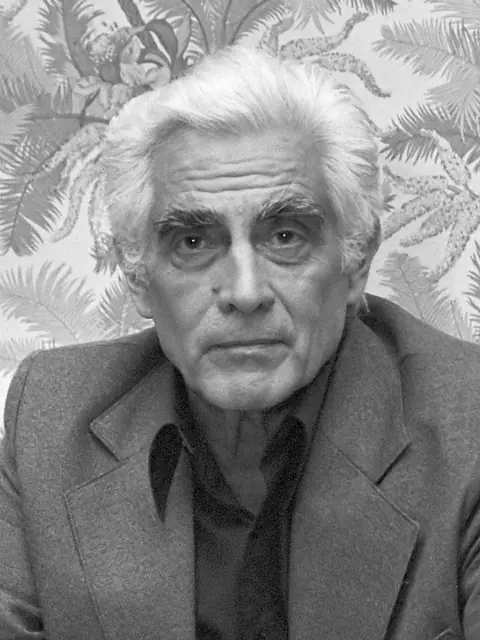
Álvaro Cunhal
1913–2005
A communist leader, he was arrested in 1949 and escaped from Peniche Fortress in 1960. General secretary of the PCP, he returned from exile on 30 April 1974 and addressed the crowd at the airport from the top of a Chaimite armoured car.
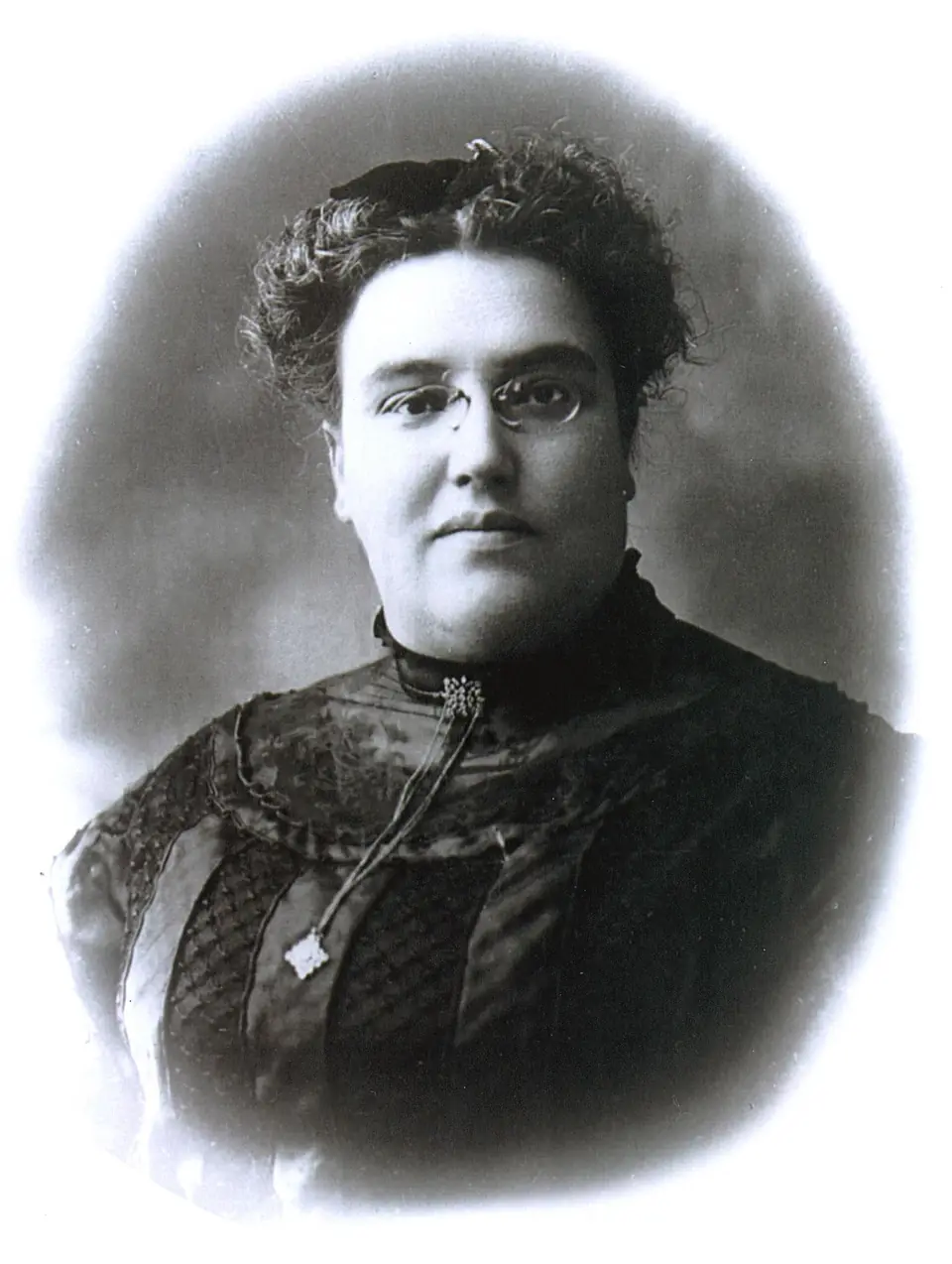
Ana de Castro Osório
1872–1935
A writer, author of what is considered the first Portuguese feminist manifesto (1905), she launched the Republican League of Portuguese Women and founded, with Carolina Beatriz Ângelo, the Feminist Propaganda Association, which advocated the vote for educated women.
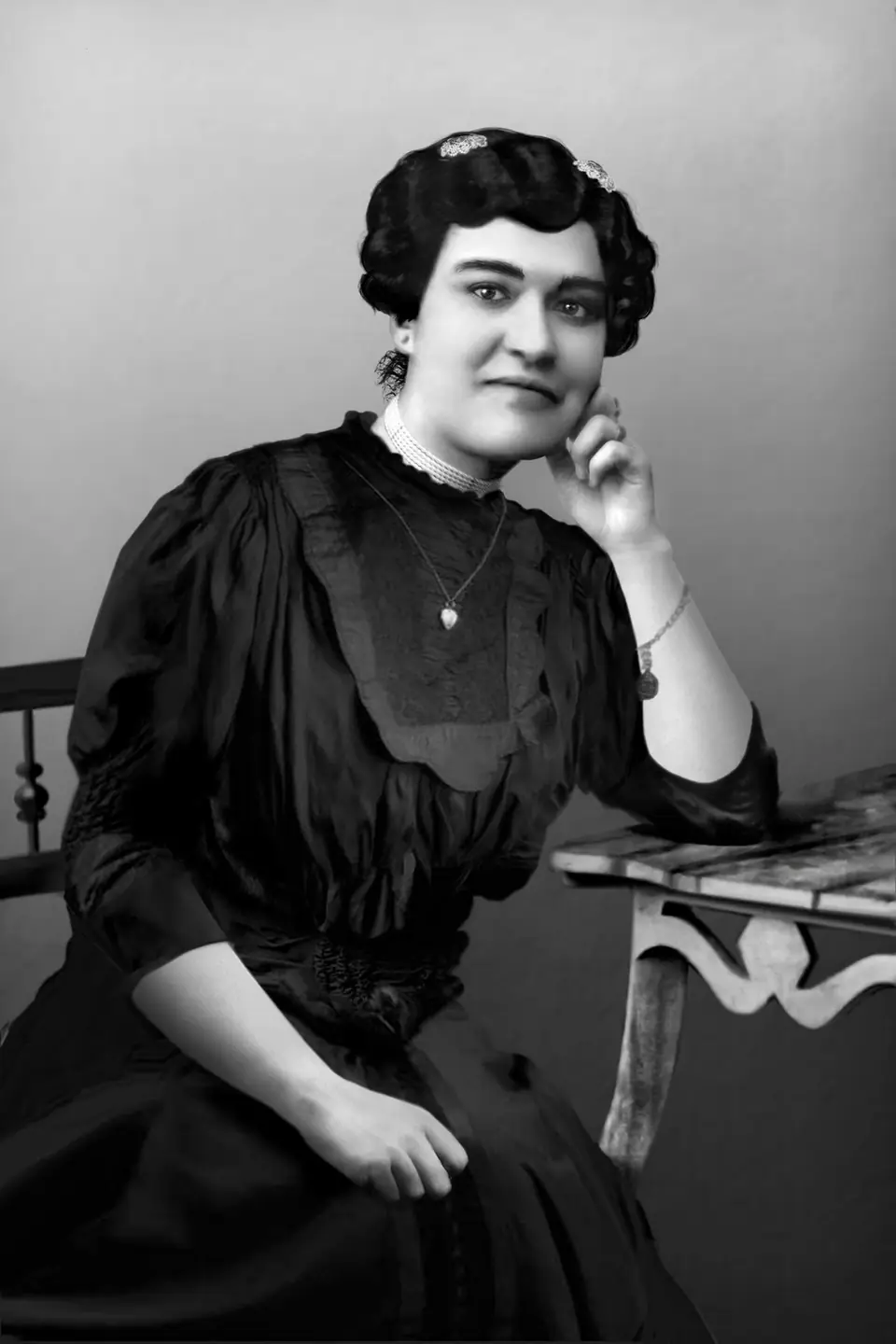
Carolina Beatriz Ângelo
1878–1911
A doctor, the first Portuguese woman surgeon and a suffragist. A widow and “head of household”, she won in court the right to be registered as a voter and, on 28 May 1911, at the Clube Estefânia, became the first woman to vote in Portugal.
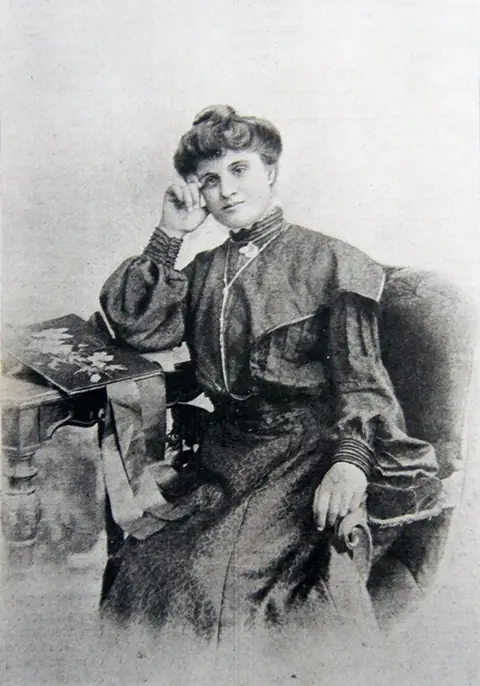
Domitila de Carvalho
1871–1966
The first woman to attend the University of Coimbra, she graduated in Mathematics, Philosophy and Medicine and was a teacher and headmistress of the first girls’ secondary school (liceu). A monarchist and conservative who supported nascent Salazarism, she was one of the first three women deputies, elected in 1934 on the National Union lists.
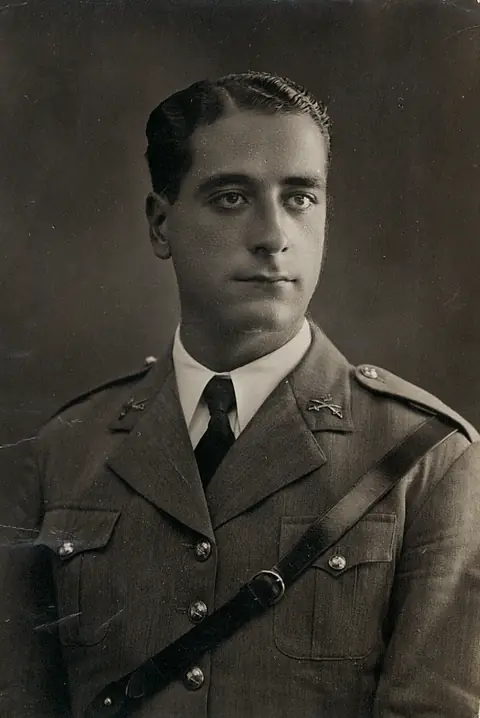
Costa Gomes
1914–2001
Chosen by the captains as a prestigious leader, he was a member of the National Salvation Junta, succeeded Spínola as President in September 1974, declared a state of siege on 25 November 1975 and promulgated the 1976 Constitution.
Helena Roseta
b. 1947
An architect and progressive Catholic, she spoke on housing at the Opposition Congress in Aveiro and was detained by the PIDE in 1973. A co-founder of the Botequim and a deputy in the Constituent Assembly, in 1982 she gave up her seat in order to vote, against her parliamentary group, for an amnesty for political prisoners.


Notes on the sources1
- The name under which she appears in the sources: “Maria Van Zeller” in the Assembly of the Republic’s pages on the 1946 and 1947 debates, “Luísa Vanzeller” in the Hemeroteca de Lisboa (Lisbon newspaper library) record on the Women’s Portuguese Youth; her parliamentary biography records her speech in the 1946 debate on electoral registration.
Do you know more, or do you have a document? Tell us.
Sources
- 1Maria Luísa de Saldanha da Gama van Zeller (Os Deputados da Assembleia Nacional, 1935-1974). Assembleia da República — consulted on 3 October 2026
- 2Helena Roldão, Mocidade Portuguesa Feminina: boletim mensal (Lisboa, 1939-1947) — ficha histórica. Hemeroteca Municipal de Lisboa, 2014 — consulted on 3 October 2026
- 3Um olhar sobre a participação feminina na Assembleia Nacional: a deputada Virgínia Faria Gersão (Faces de Eva, n.º 47). Susana Fontes e Sónia Coelho / Faces de Eva (SciELO Portugal) — consulted on 2 October 2026
- 4O voto das mulheres casadas (1946). Assembleia da República — consulted on 2 October 2026
- 5Celibato das enfermeiras no Estado Novo (Comunicar, junho de 2017). Assembleia da República, 2017 — consulted on 3 October 2026
- 6Maria Luísa van Zeller (Q124213242). Wikidata — consulted on 3 October 2026