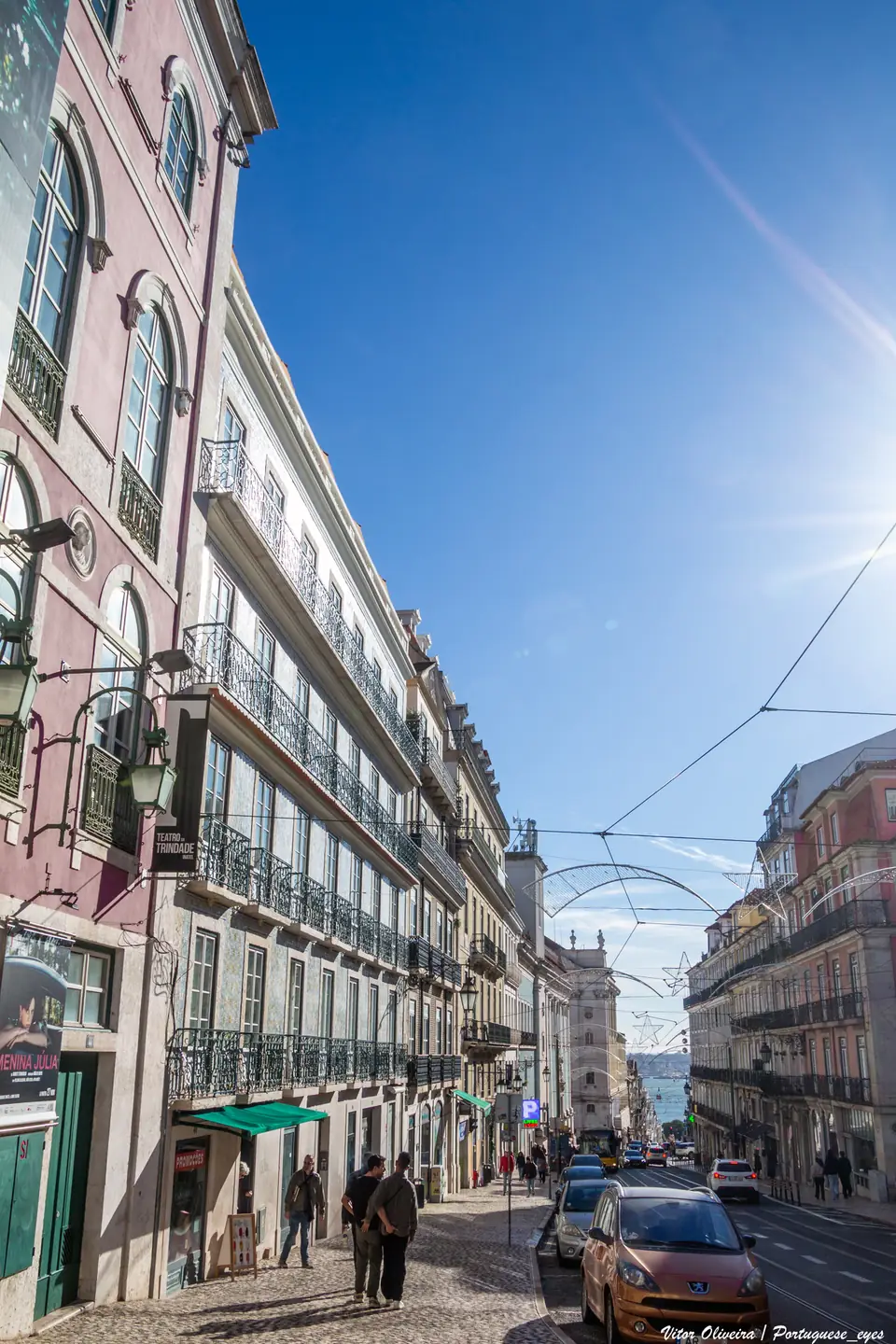
A Rua de O Século, onde funcionou a redação do jornal, em dezembro de 2019.Sergei Gussev, CC BY 2.0
Misericórdia
O Século — the newsroom of “Modas e Bordados”
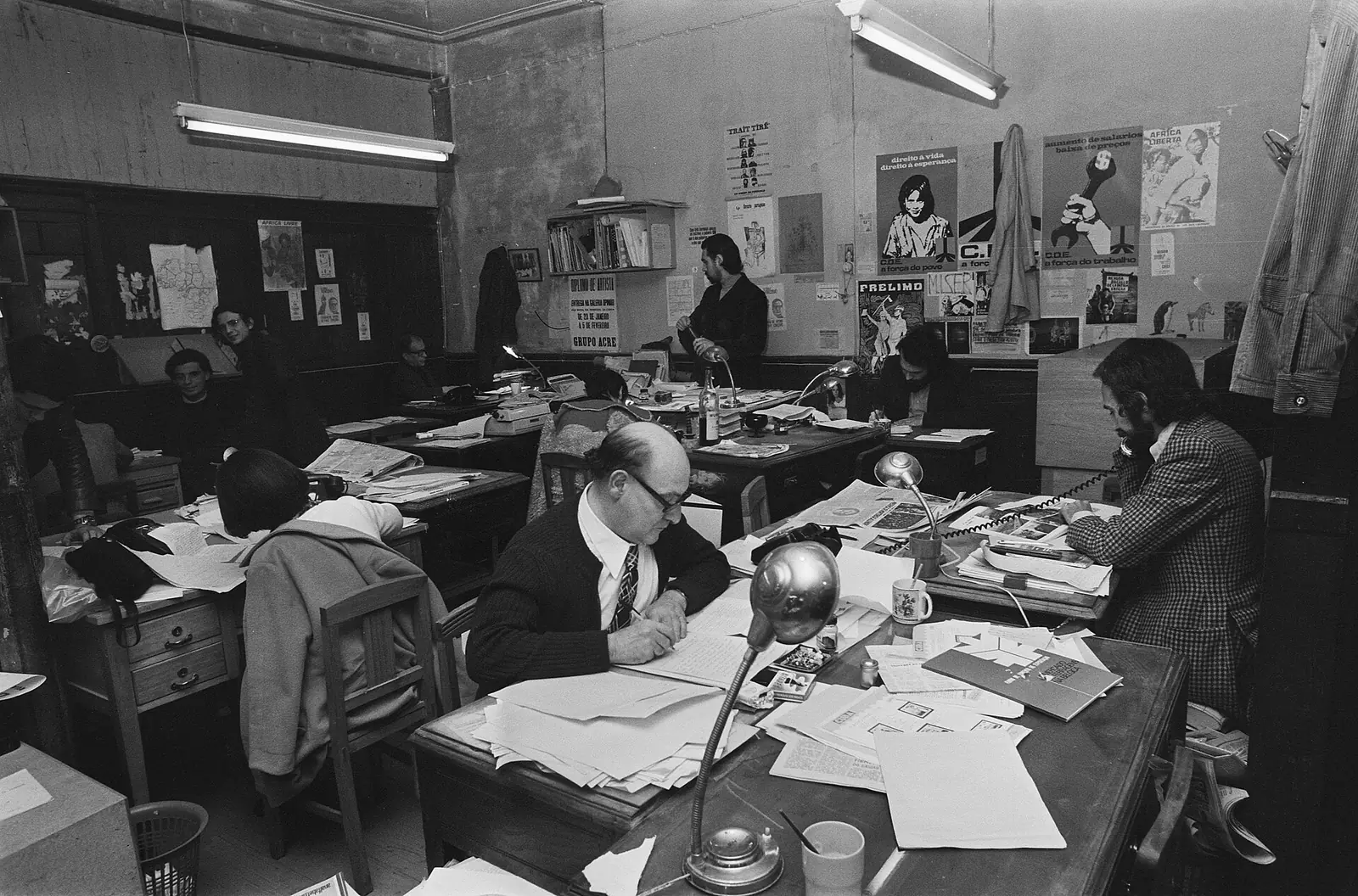
This was the home of the newspaper O Século (The Century), where Maria Lamas edited “Modas e Bordados” (Fashions and Embroidery) until 1947 and where, in 1930, she organised the exhibition “Mulheres Portuguesas” (Portuguese Women). Virgínia Quaresma, one of the first Portuguese women reporters, also worked here.
Today: Palácio Lançada, Rua de O SéculoApproximate locationOn 3 walks
The newspaper O Século (The Century), a daily founded by Magalhães Lima in 1880, moved in 1881 into the Palácio Lançada, on this street, which the republican city council renamed after the paper in November 1910.12
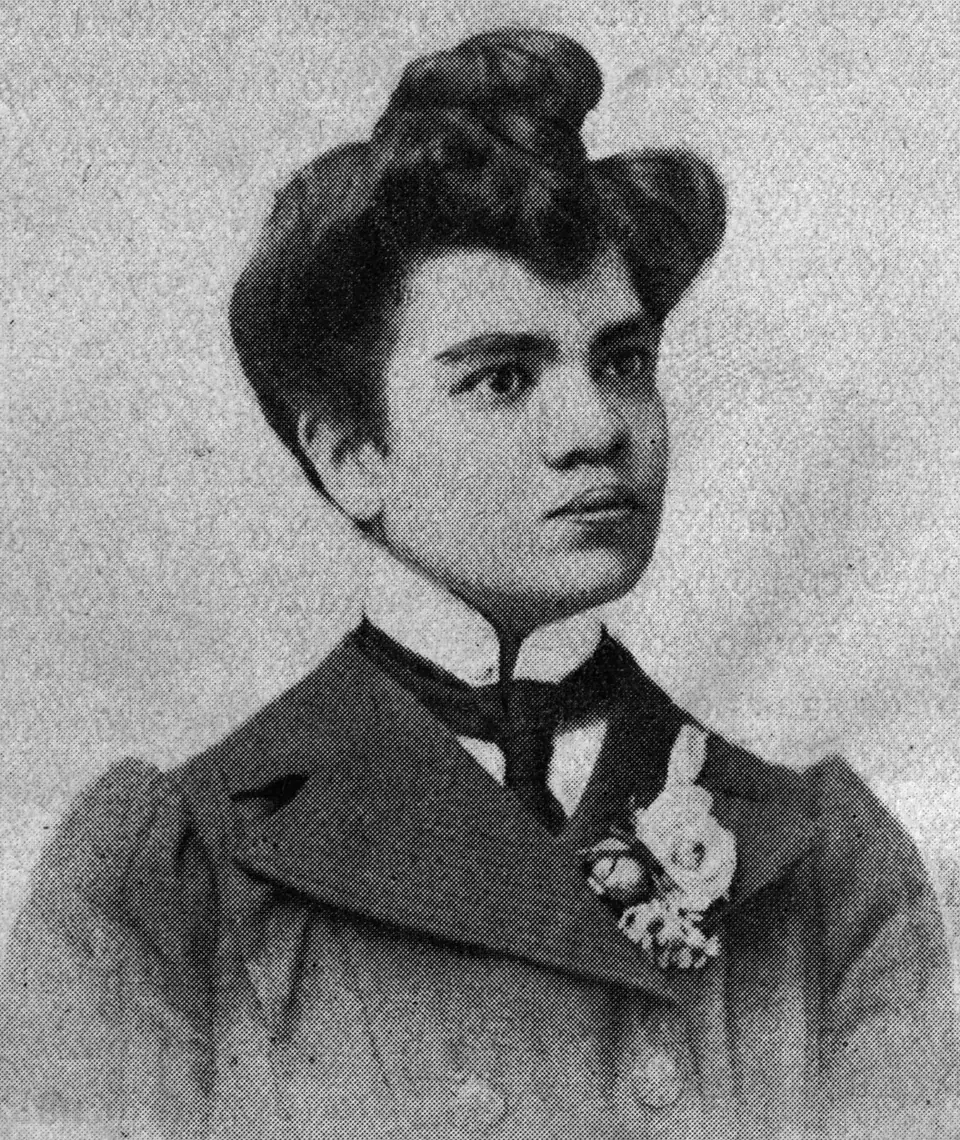
In 1908 Virgínia Quaresma joined the newsroom, where she rose to head of General News and Special Reports.3 Twenty years later, at the invitation of Ferreira de Castro, Maria Lamas took charge of the supplement Modas e Bordados (Fashions and Embroidery), written “from woman to woman”.4 In 1930, she organised at the newspaper the exhibition “Mulheres Portuguesas” (Portuguese Women), showing women’s work since the Renaissance, under the slogan “Let us be intelligently women” (Sejamos inteligentemente mulheres).5
In 1947, as president of the National Council of Portuguese Women, Maria Lamas was forced to choose between the magazine and the Council — and she left.6 After 25 April, the managing editor, Maria Antónia Fiadeiro, invited her to be honorary editor, and the magazine was renamed Mulher – Modas e Bordados (Woman – Fashions and Embroidery), with a feminist line. Before the revolution, Maria Antónia Palla had been the first woman to join the newsroom of the O Século company.6
At no. 116 stood República, the daily of the democratic opposition. It took part in the 25 April conspiracy, came out that day without going through the censors and, in May 1975, gave its name to one of the great crises of the revolution, the “República affair”.
The last headquarters of press censorship, from 22 September 1969 to 25 April 1974, opposite the offices of the newspaper “República”. Newspapers delivered their proofs here for the “blue pencil”; on 26 April the building was stormed by the people.
Aqui funcionou de 1931 a 1971 o «Diário da Manhã», o jornal oficioso da União Nacional, o partido único do Estado Novo, e depois o «Época». A 26 de abril de 1974 a população destruiu a sede do «Época»; desde 2001 o prédio é a sede da Associação 25 de Abril.
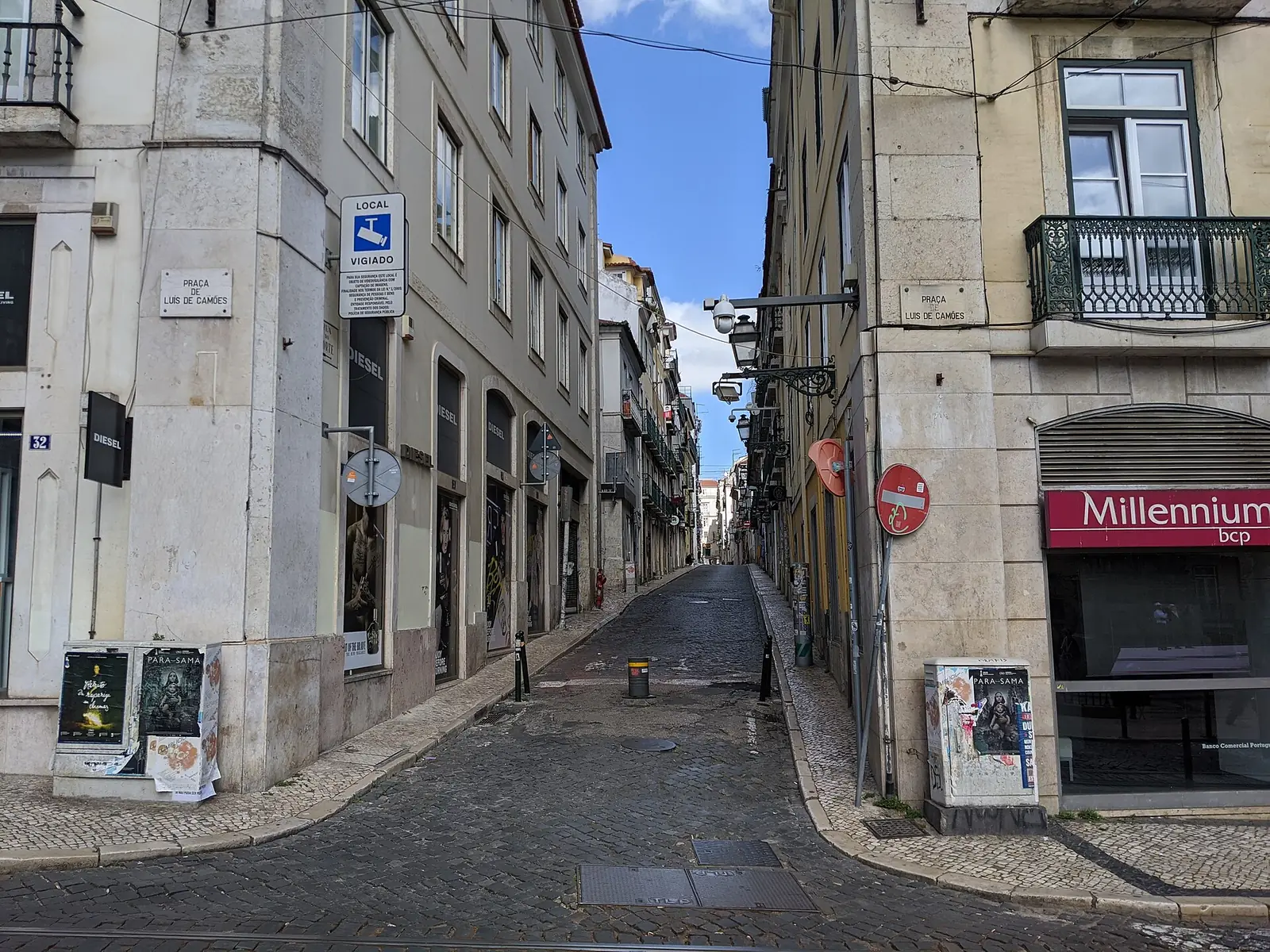
At no. 3 Rua do Norte, on the corner with Praça de Luís de Camões, were the editorial offices of “A Capital”, a republican evening daily. Virgínia Quaresma, the first woman journalist in Portugal, wrote for it and lived just opposite; in 1911, the paper told the story of Carolina Beatriz Ângelo’s fight for the vote.
WomenRepublicCulture and censorship
Notes on the sources4
The year Maria Lamas started at “Modas e Bordados”: 1928 (Virgínia Baptista; Wikipedia), 1929 (MDM, for her joining O Século) or 1930 (CIG).
Whether the newsrooms of “Modas e Bordados” and “O Século Ilustrado” were in this building (the sources place the newspaper here).
How long the 1930 exhibition lasted (one or two months) and which rooms were used.
The street number: Wikipedia gives 41–59 for the newspaper building; today’s official address is no. 63.
Do you know more, or do you have a document? Tell us.




.jpg)