RevolutiongeneralChief of the Armed Forces General Staffmember of the National Salvation JuntaPresident of the Republic (1974–1976)
Born
30 June 1914, Chaves
Died
31 July 2001, Lisbon
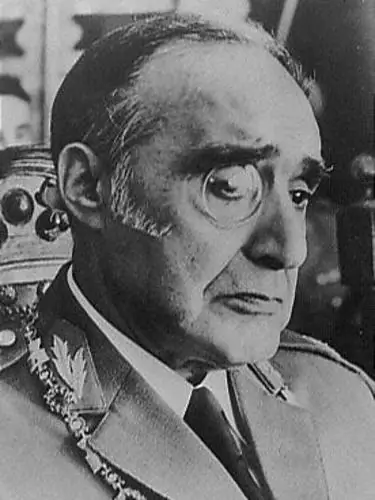
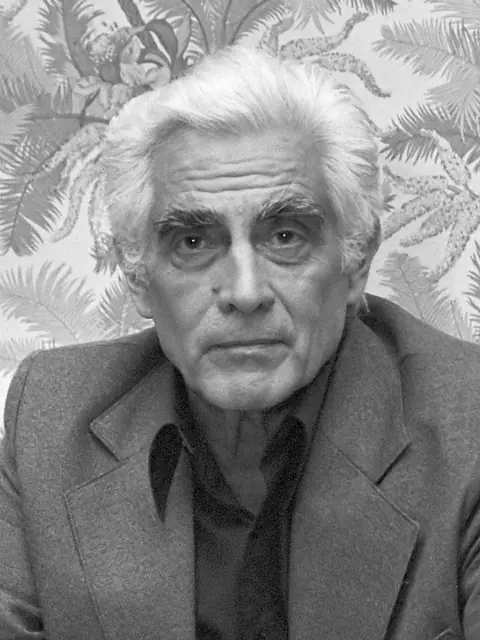
Chosen by the captains as a prestigious leader, he was a member of the National Salvation Junta, succeeded Spínola as President in September 1974, declared a state of siege on 25 November 1975 and promulgated the 1976 Constitution.
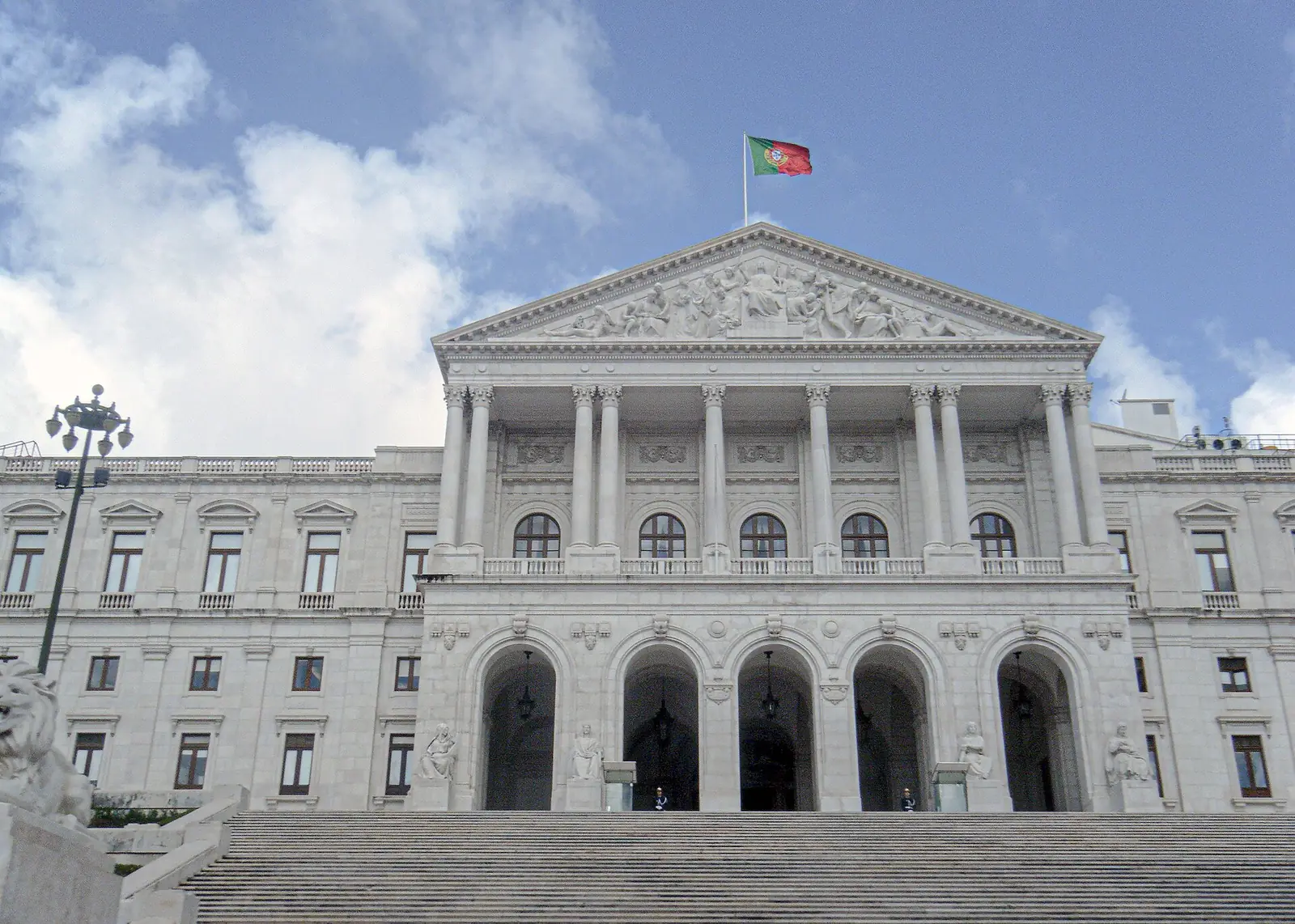
He was born in Chaves in 1914.8 At the Óbidos meeting, in December 1973, the captains wanted to choose prestigious leaders for the Movement, and he received the most votes.3 He was then Chief of the Armed Forces General Staff. In March 1974 he was dismissed, together with his deputy, António de Spínola, shortly after both had stayed away from the ceremony of the “Rheumatic Brigade” (Brigada do Reumático) at the Palácio de São Bento.1 After 25 April he was a member of the National Salvation Junta, which was presented to the country from the RTP studios on 26 April.4
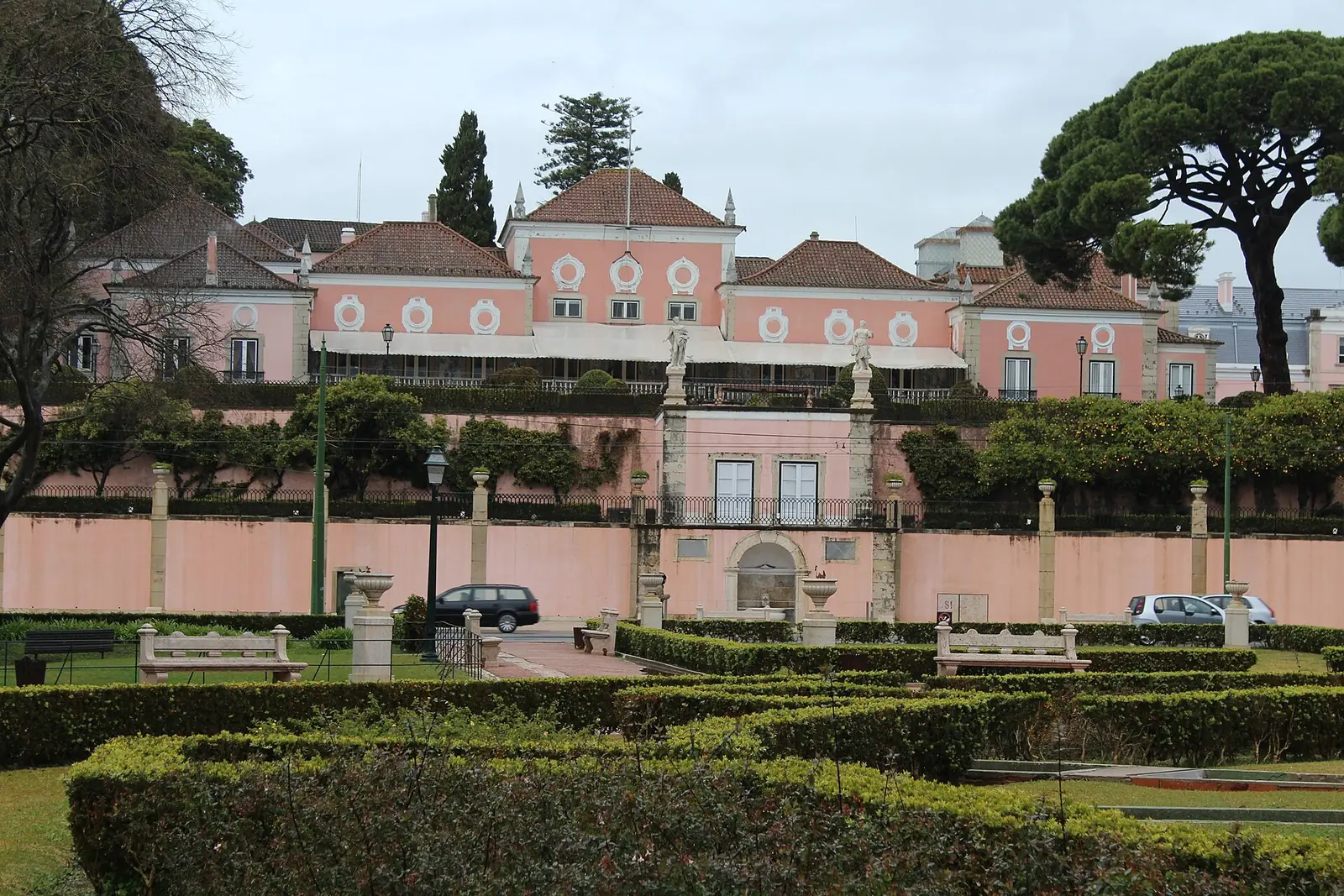
When Spínola resigned, on 30 September 1974, he became President of the Republic.5 On 2 June 1975 he spoke at the opening session of the Constituent Assembly, advocating a “multi-party socialism”.6 On 25 November 1975 he directed, from the Palácio de Belém, the response to the paratroopers’ action and declared a state of siege in the Lisbon region.7 On 2 April 1976 he promulgated the Constitution.9 He died in Lisbon in 2001.8
From the archives
In other archives
These can only be viewed on each archive’s own website.
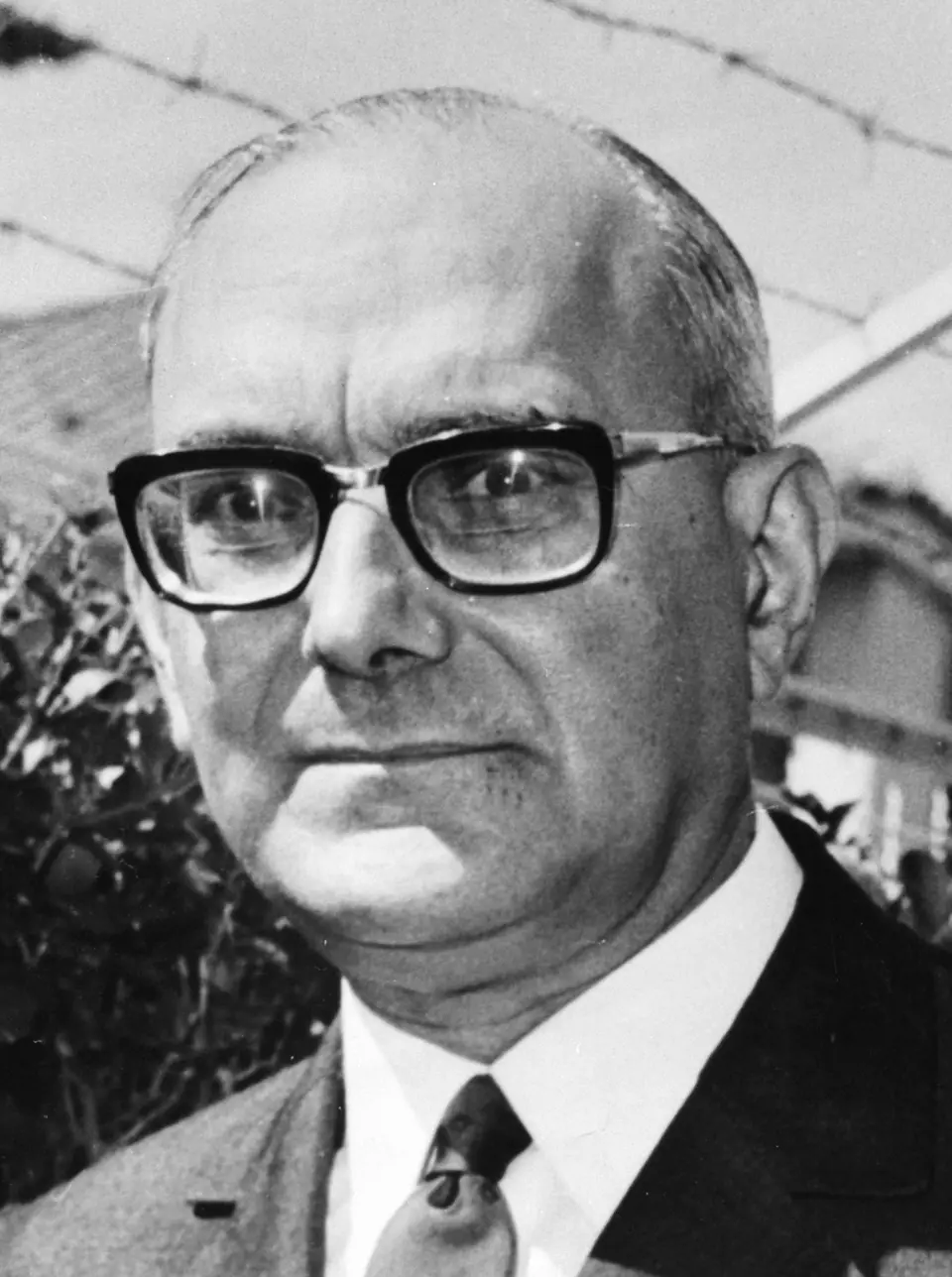
A general and author of “Portugal e o Futuro” (Portugal and the Future), he received Marcelo Caetano’s surrender at the Carmo Barracks, presided over the National Salvation Junta and was President of the Republic until he resigned, on 30 September 1974. On 11 March 1975 he fled to Spain.
An Artillery major, he drew up the operations plan for 25 April and directed the operations from the clandestine Command Post at Pontinha; he later commanded COPCON and the Lisbon Military Region.
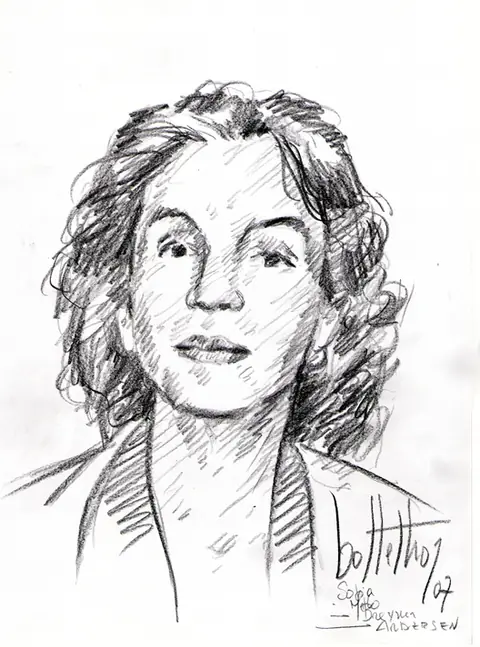
A poet. She lived in Graça from 1951 until her death, wrote the “Cantata da Paz” (Cantata of Peace) for the São Domingos vigil, helped found the committee for aid to political prisoners and was a deputy in the Constituent Assembly. “This is the dawn I was waiting for” (Esta é a madrugada que eu esperava) is hers.
A communist leader, he was arrested in 1949 and escaped from Peniche Fortress in 1960. General secretary of the PCP, he returned from exile on 30 April 1974 and addressed the crowd at the airport from the top of a Chaimite armoured car.
A naval officer and member of the National Salvation Junta, he headed the Sixth Provisional Government and was held captive in his official residence, at São Bento, during the siege by construction workers in November 1975.
The last head of government of the Estado Novo, he took refuge in the Carmo Barracks in the early hours of 25 April 1974 and, besieged, handed power over to General Spínola. The next day he was taken to Madeira.
Notes on the sources1
The day and place of birth (Chaves, 30 June 1914) and of death (Lisbon, 31 July 2001) come only from Wikidata.
Do you know more, or do you have a document? Tell us.
Sources
1Reunião de Cascais. Comissão Comemorativa 50 Anos 25 de Abril — consulted on 2 October 2026
528 de Setembro. Comissão Comemorativa 50 Anos 25 de Abril — consulted on 2 October 2026
6A eleição da Assembleia Constituinte. RTP – Memórias da Revolução (textos de Aniceto Afonso, Carlos Matos Gomes e Maria Inácia Rezola) — consulted on 2 October 2026
725 de Novembro de 1975. Comissão Comemorativa 50 Anos 25 de Abril — consulted on 2 October 2026