RevolutionCavalry captainmember of the Coordinating Committee of the Captains’ Movementcommander of the Cavalry Practical School column on 25 April 1974
Born
1 July 1944, Castelo de Vide
Died
3 April 1992, Lisbon (Military Hospital)
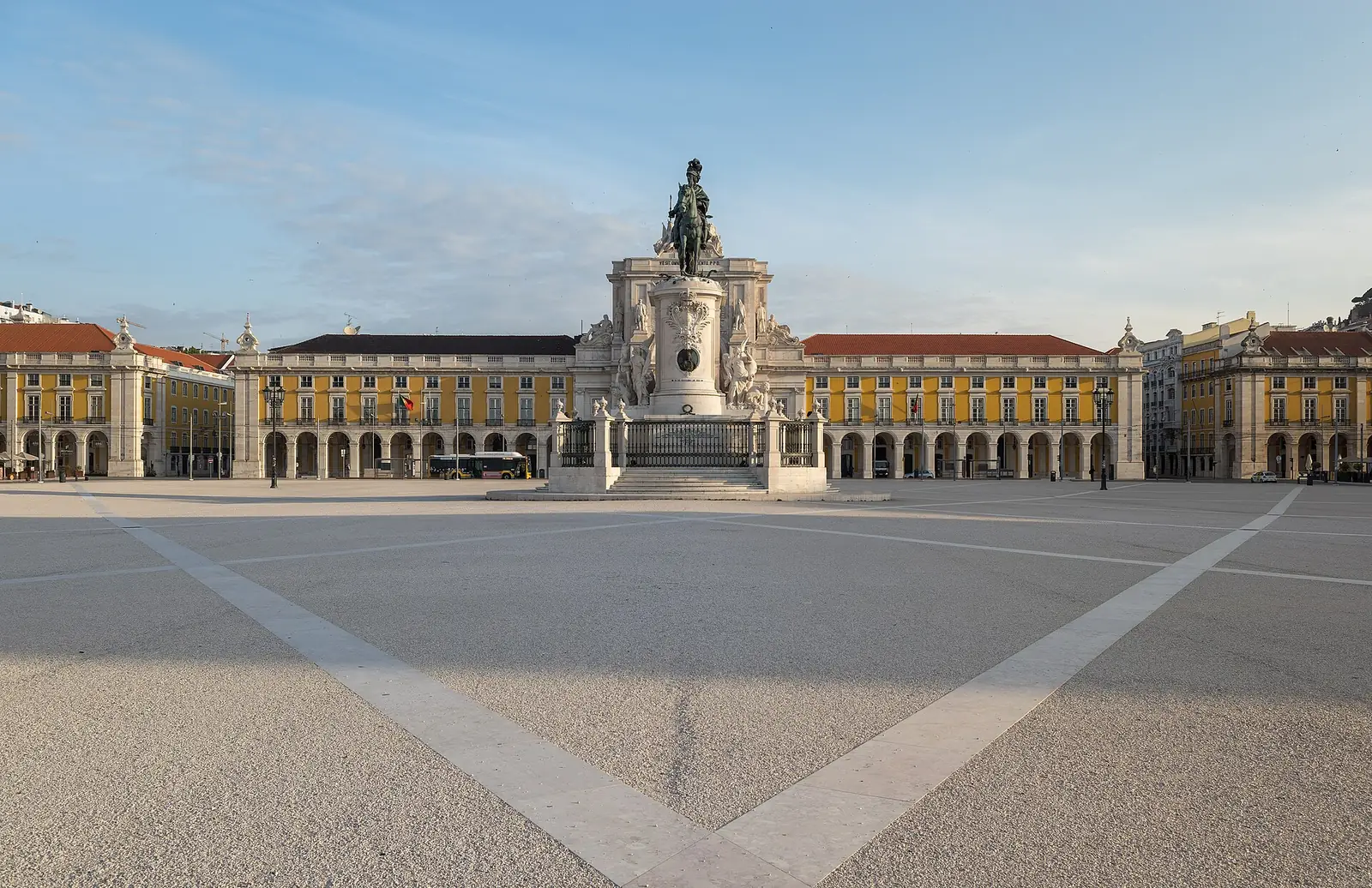
A 29-year-old captain, he commanded the Cavalry Practical School column that occupied the Terreiro do Paço, faced down the regime’s forces without firing a shot and besieged the Carmo Barracks until he obtained Marcelo Caetano’s surrender.
He was born in Castelo de Vide on 1 July 1944, the son of a railwayman; his father’s job took him, as a child and a young man, from Coruche to Tomar, Pombal and Leiria. He entered the Military Academy in 1964 and the Cavalry Practical School (EPC), in Santarém, in 1967, and he fought in Mozambique and Guinea.12 At the Óbidos meeting of the Captains’ Movement, on 1 December 1973, he joined the Coordinating Committee as one of the representatives of the Cavalry.4 On 17 April 1974, Otelo Saraiva de Carvalho gave him the EPC’s operational mission, and the school’s officers chose him, at 29, to command the column that was to march on Lisbon.1
The column left Santarém at 03:30 on 25 April and occupied the Terreiro do Paço.5 On Avenida da Ribeira das Naus, Maia walked with a white handkerchief towards the forces of Brigadier Junqueira dos Reis. The brigadier ordered them to open fire on him, but Officer Cadet Fernando Sottomayor and the tank gunners refused, and the troops went over to the MFA’s side. “That was where 25 April was won”, Maia would say.3
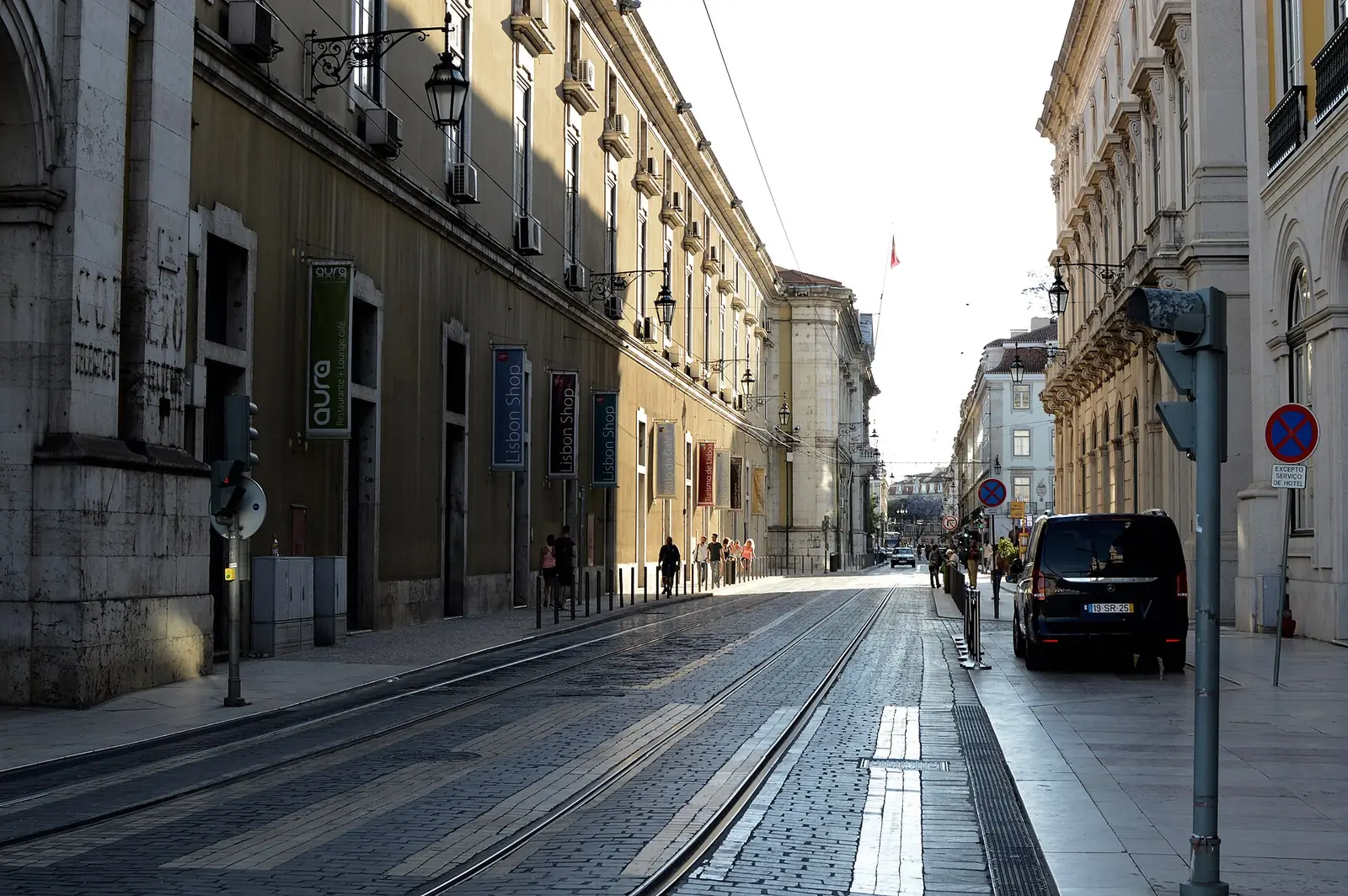
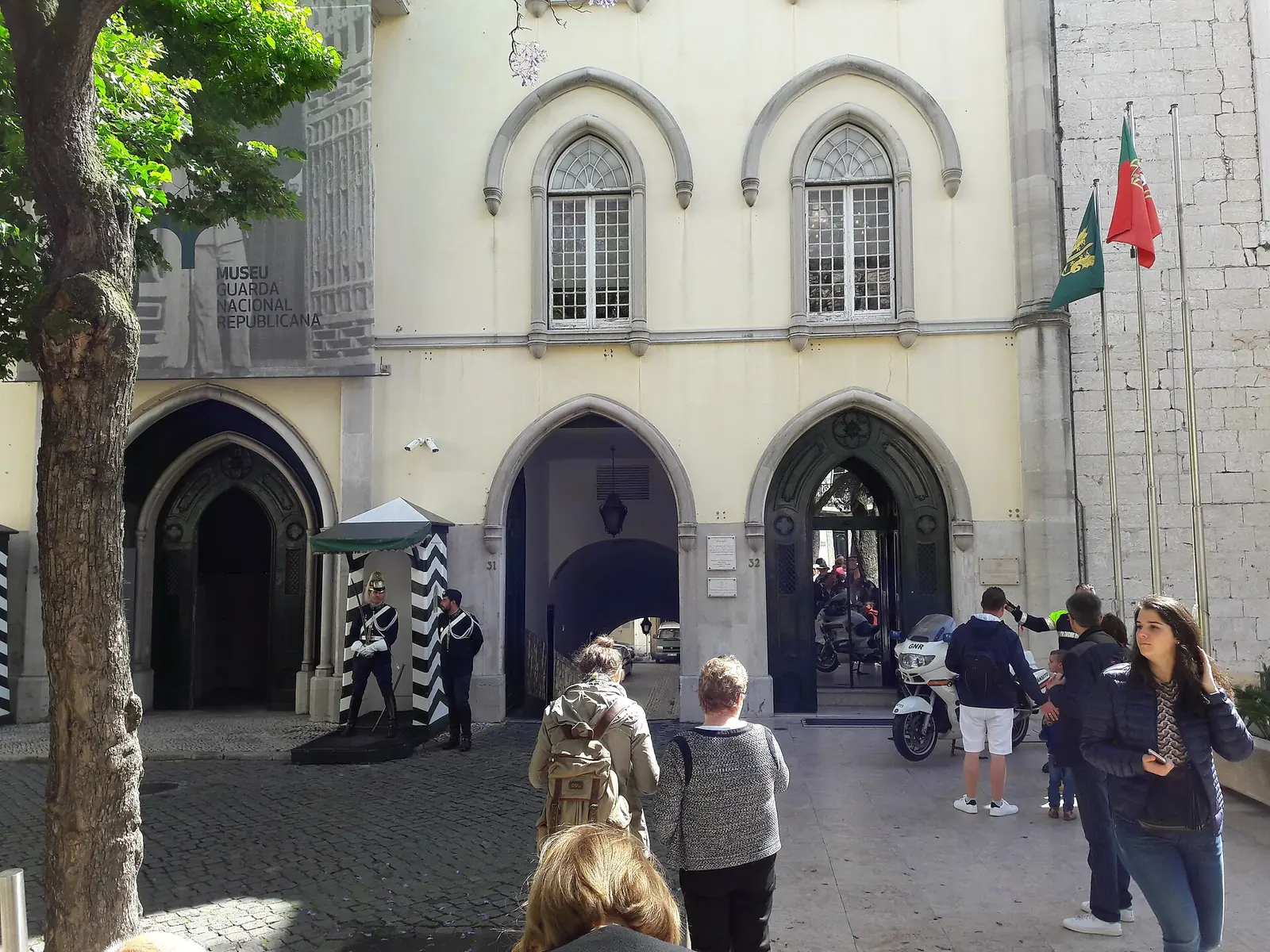
At 12:30, amid a crowd shouting “Victory!” (Vitória!), the column surrounded the Carmo Barracks, where Marcelo Caetano had taken refuge. Maia negotiated for hours. At around 17:00 he was taken to Caetano, who said he was willing to surrender and asked for power to be handed over to a general officer; Maia then accompanied General António de Spínola to him. At 18:30 he had the Chaimite armoured car “Bula” reversed through the barracks’ main gate, so that Caetano and his ministers could leave safely.31
He did not accept political posts after 25 April.2 On 11 March 1975, his trip to Tancos with the EPC’s second-in-command helped to defeat the coup attempt in which Spínola had been involved. On 25 November he kept his forces in reserve, in the eastern part of Lisbon.1
In November 1976 he was sidelined to desk duties in Lisbon and, in March 1977, sent to the Azores. He graduated in Political and Social Sciences and in Anthropological and Ethnological Sciences.1 He died of cancer on 3 April 1992 and is buried in Castelo de Vide.12
From the archives
Lisbon City Council posthumously awarded Salgueiro Maia, “the face of 25 April 1974”, the Key of Honour of the City, the municipality’s highest distinction, which was presented to Natércia Salgueiro Maia.
Original page Licença padrão do YouTube — embed permitido pelo canal oficial da Câmara Municipal de Lisboa
Câmara Municipal de Lisboa, on YouTube. The player only connects to that site when you press “Watch”.
In other archives
These can only be viewed on each archive’s own website.
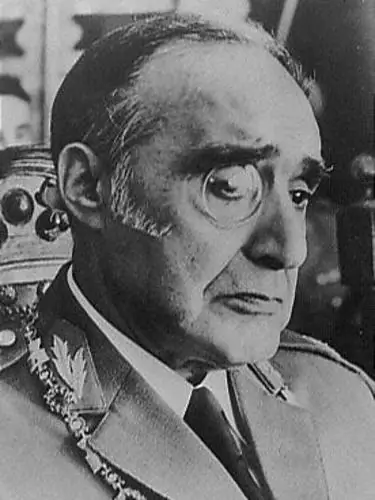
A general and author of “Portugal e o Futuro” (Portugal and the Future), he received Marcelo Caetano’s surrender at the Carmo Barracks, presided over the National Salvation Junta and was President of the Republic until he resigned, on 30 September 1974. On 11 March 1975 he fled to Spain.
A brigadier called in to command the forces loyal to the regime on 25 April 1974, he gave orders to open fire at the Ribeira das Naus and on Rua do Arsenal, and his own men disobeyed.
A lieutenant in Salgueiro Maia’s column, he was assaulted on Rua do Arsenal by Brigadier Junqueira dos Reis while trying to negotiate — and responded with a salute. In the afternoon, he brought Spínola’s emissaries to the Carmo.
The last head of government of the Estado Novo, he took refuge in the Carmo Barracks in the early hours of 25 April 1974 and, besieged, handed power over to General Spínola. The next day he was taken to Madeira.
An officer of the 7th Cavalry Regiment, at the Ribeira das Naus on 25 April 1974 he refused Brigadier Junqueira dos Reis’s order to fire on Salgueiro Maia, and was placed under arrest for it.
An Artillery major, he drew up the operations plan for 25 April and directed the operations from the clandestine Command Post at Pontinha; he later commanded COPCON and the Lisbon Military Region.
Notes on the sources2
The date and place of death: 3 April 1992, at the Military Hospital in Lisbon (Commemorative Commission for the 50th Anniversary of 25 April); 3 April 1992, in Santarém (25 April Documentation Centre); 4 April 1992, in Santarém (Wikidata).
The year he joined the Cavalry Practical School: 1967, according to the Commemorative Commission, which gives the day (1 February); 1966, according to the 25 April Documentation Centre.
Do you know more, or do you have a document? Tell us.
Sources
1Salgueiro Maia. Comissão Comemorativa 50 Anos 25 de Abril — consulted on 2 October 2026