Lumiar
RTP studios in Lumiar
The former RTP studios in Lumiar were occupied in the early hours of 25 April 1974 by a column from the Military Administration Practical School. It was from here that the National Salvation Junta presented itself to the country, in the early hours of the 26th.
The Lumiar studios of Rádio Televisão Portuguesa stood here. The Armed Forces Movement (MFA) included RTP in its operations plan, to stop the regime from using it and to put it at the service of the Movement.1 At 02:50 on 25 April 1974, a column of about a hundred men commanded by Captain Teófilo Bento left the barracks of the Military Administration Practical School (EPAM), on the same avenue.2 They entered the studios, disarmed the PSP guards and set up defensive positions; at 03:59, the captain telephoned the Command Post: “We have just occupied MONACO without incident”. At around 04:00, PSP and DGS men appeared around the building, and only moved off after bursts of G3 fire into the air.1
Television was slow to speak. According to Jofre Alves’s chronology, Captain Alarcão held up the Monsanto transmitter until about 18:30, and at 18:40 Fialho Gouveia read an MFA statement on RTP.6 At 01:00 on 26 April, the National Salvation Junta left the command post at Pontinha for here, escorted by Major Jaime Neves’s armoured vehicles.3 At around 01:30, in a live colour broadcast from these studios, General António de Spínola presented the Junta to the country, flanked by Costa Gomes, Rosa Coutinho, Pinheiro de Azevedo, Silvério Marques and Galvão de Melo; General Diogo Neto was in Mozambique. In a statement of about three minutes, he promised “full expression to all currents of opinion” and the election, by direct suffrage, of a Constituent Assembly and of the President of the Republic.4
On 25 November 1975, EPAM troops occupied the studios again. At 18:00, the school’s second-in-command, Captain Duran Clemente, called on television for popular mobilisation; at 21:10, as he was explaining the reasons for the action, the broadcast was suddenly cut and resumed from the Porto studios, with a Danny Kaye musical programme.5
From the archives
In other archives
These can only be viewed on each archive’s own website.
- RTP Arquivos · Video · broadcast on 25 April 1974 · 20 minOcupação militar na RTP e a Revolução de 25 abril no Largo do CarmoSoldiers from the Military Administration Practical School occupy the RTP studios in Lumiar, under the command of Captain Teófilo Bento, while the technicians keep the broadcast going. The second part shows the siege of the Carmo Barracks.Open in the archive
- RTP Arquivos · Video · broadcast on 25 April 1974 · 5 minProclamação da Junta de Salvação NacionalGenerals Spínola and Costa Gomes arrive at the Lumiar studios, and Fialho Gouveia introduces the members of the National Salvation Junta. Spínola reads the proclamation to the nation live.Open in the archive
Where it is
Map showing where RTP studios in Lumiar is.
Dates
25 April 1974, 02:50
The column that is to occupy RTP leaves the Military Administration Practical School.
25 April 1974, 03:59
Captain Teófilo Bento reports the occupation of RTP (“MONACO”).
25 April 1974, 18:40
Fialho Gouveia reads an MFA statement on RTP.
26 April 1974, 01:30
The National Salvation Junta presents itself to the country.
25 November 1975, 21:10
The broadcast is cut off while Duran Clemente is speaking.
People connected with this place


Nearby
900 m · 15 min on foot
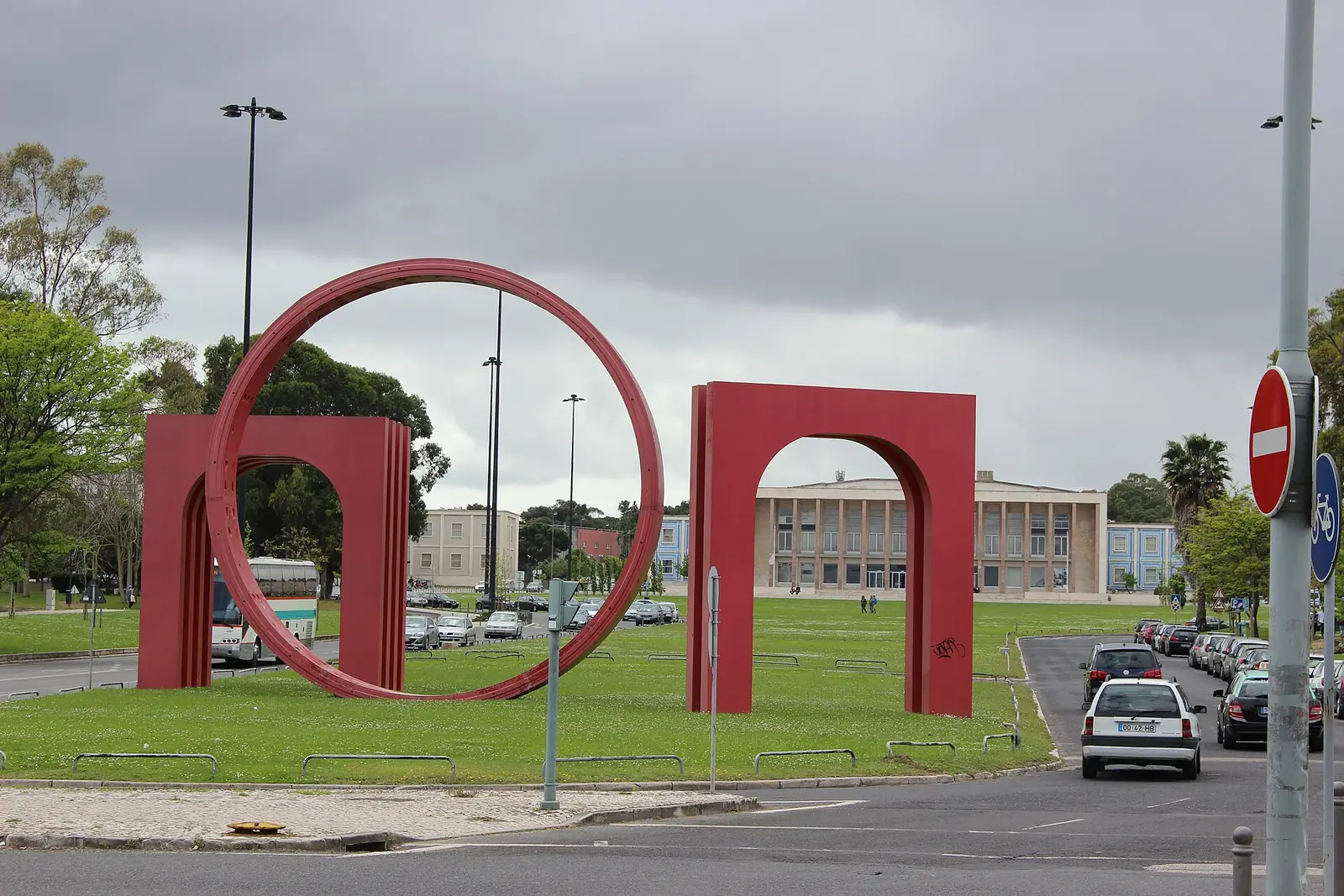
Cidade Universitária de Lisboa (University Stadium and faculties)
Today: Cidade Universitária – University of Lisbon
The 1962 academic crisis began here: when Students’ Day was banned, on 24 March, the riot police charged the students. At the general assemblies that followed, Isabel do Carmo was the first woman to take the floor.
StudentsRepressionWomen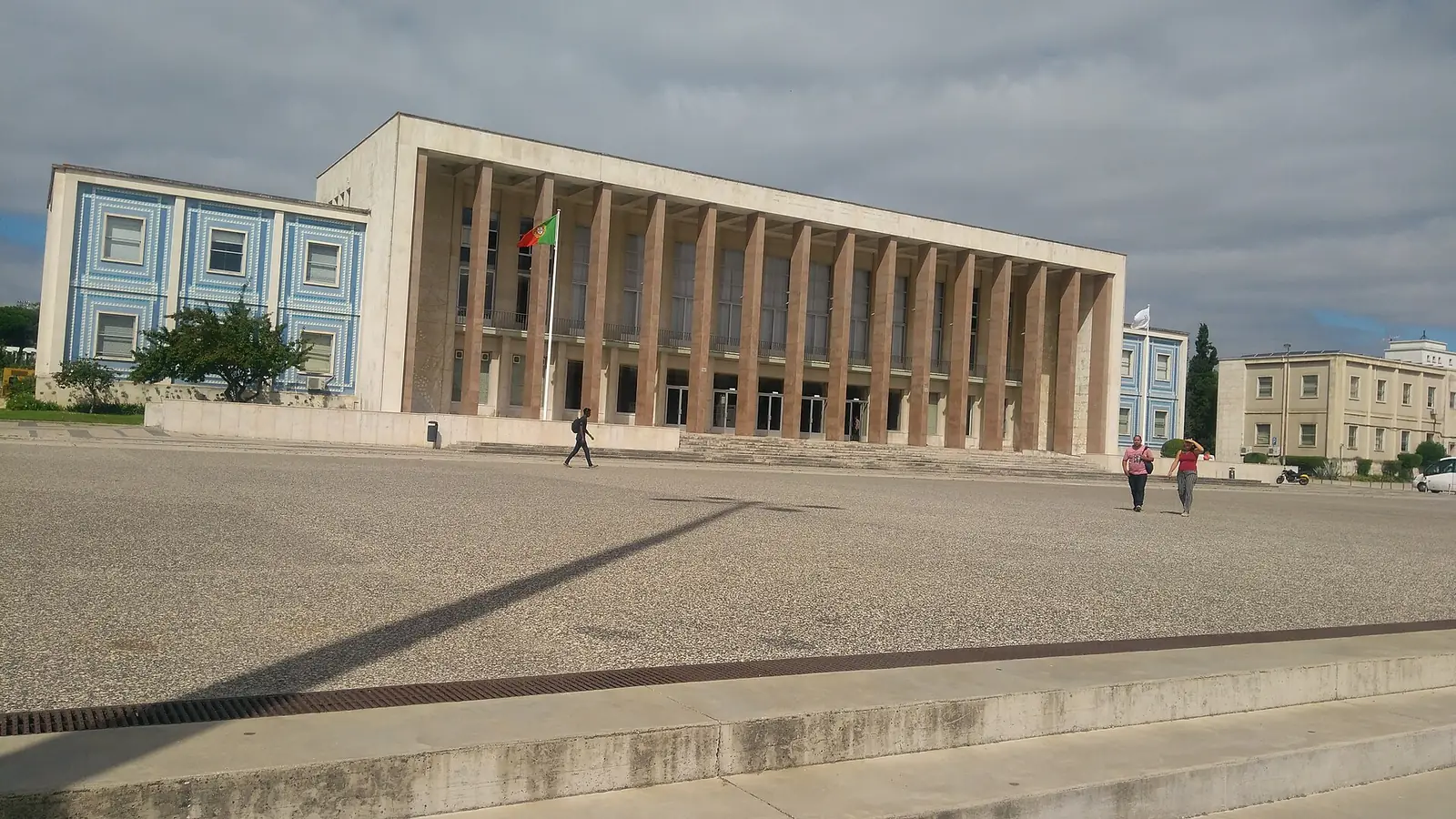
920 m · 15 min on foot
Rectorate of the University of Lisbon
Today: Rectorate of the University of Lisbon
In the 1962 academic crisis, the rector was Marcelo Caetano: from the balcony of the Rectorate he defended the university’s autonomy and, when the government banned Students’ Day again, he resigned. The open ground in front filled with students’ plenary meetings.
StudentsOpposition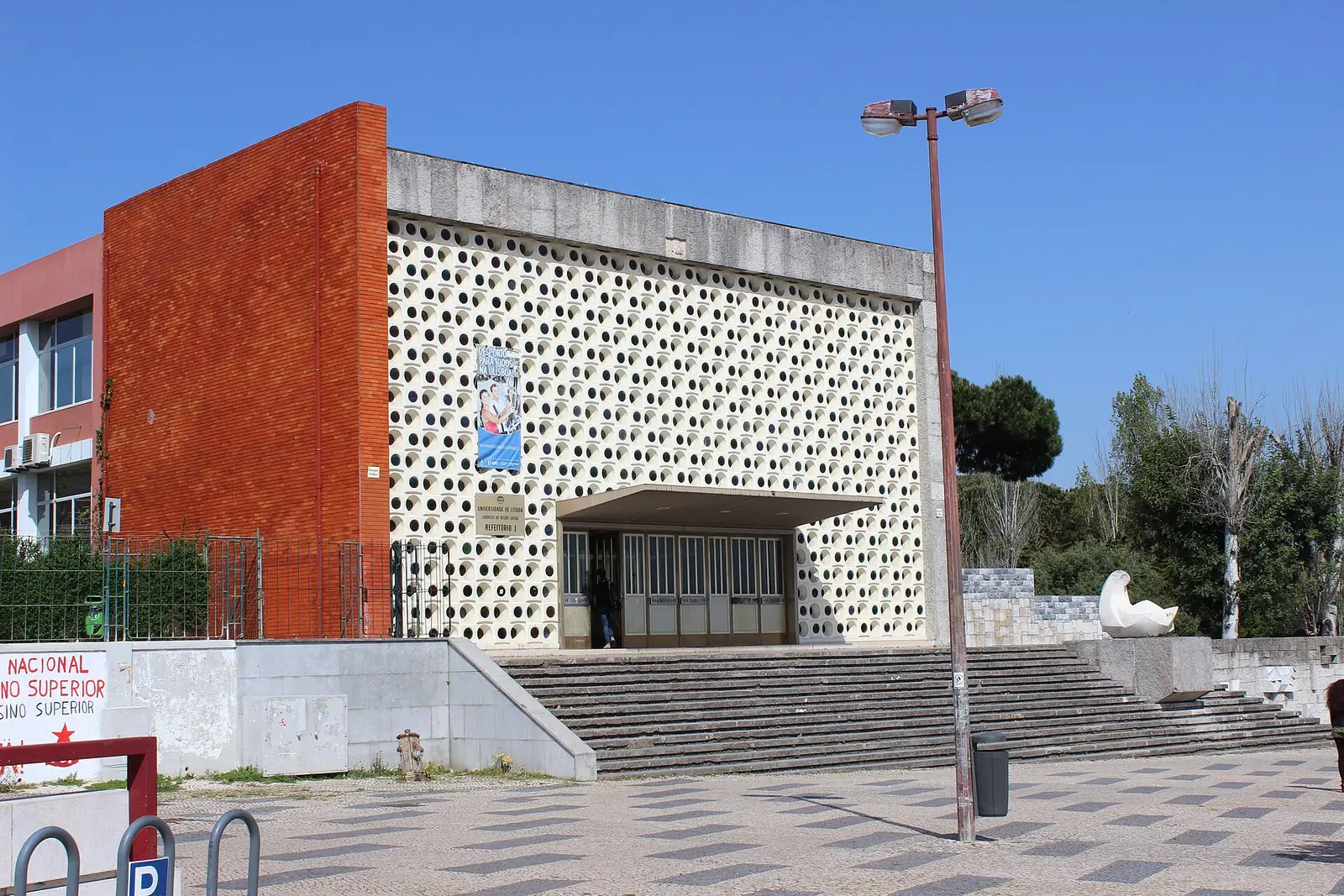
1.1 km · 15 min on foot
Cidade Universitária Canteen
Today: Cantina Velha (Old Canteen) of the University of Lisbon
The Cidade Universitária canteen, opened in 1961, was the stage for the hunger strike of May 1962: 81 students refused to eat, hundreds joined them, and in the early hours of 11 May the police surrounded it and arrested them one by one.
StudentsRepressionWomen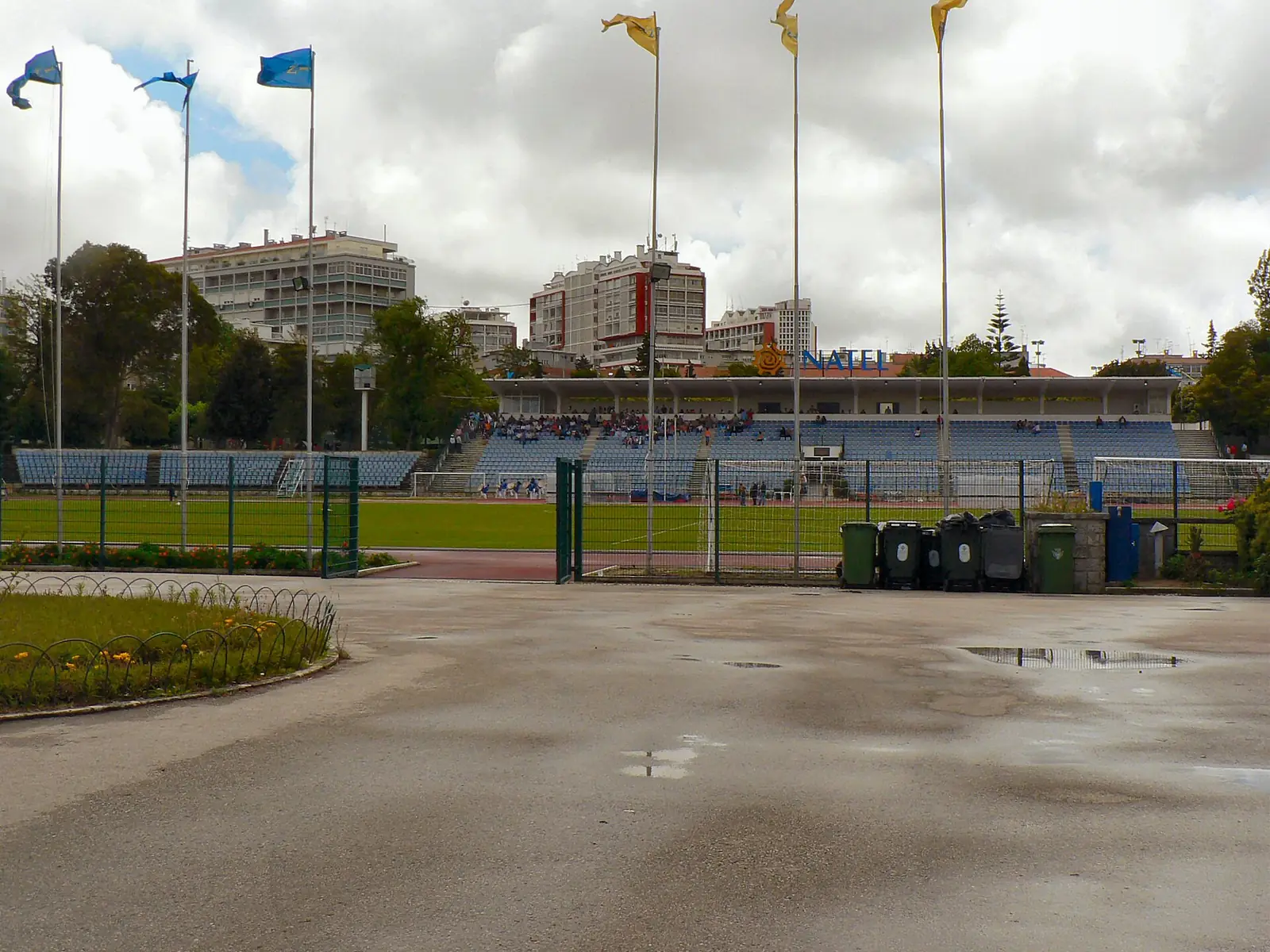
1.8 km · 25 min on foot
FNAT Stadium (renamed Estádio 1.º de Maio)
Today: Estádio 1.º de Maio
On the first May Day in freedom, a week after the revolution, the Lisbon march ended in a rally at this FNAT stadium, which that day was renamed Estádio 1.º de Maio (May Day Stadium). At the rally, Mário Soares embraced Álvaro Cunhal.
LabourRevolution


Notes on the sources3
- The time of the occupation: 03:59 (25 April Association, Commemorative Commission for the 50th Anniversary of 25 April) or 03:00 (Jofre Alves’s chronology).
- The blocking of the Monsanto transmitter and the statement read by Fialho Gouveia at 18:40 appear only in Jofre Alves’s chronology.
- What stands today at no. 44 Alameda das Linhas de Torres: the coordinates mark the stretch of the avenue, not the building.
Do you know more, or do you have a document? Tell us.
Sources
- 1Estúdios da Rádio Televisão Portuguesa (Lugares de Abril). Associação 25 de Abril — consulted on 2 October 2026
- 2Escola Prática de Administração Militar (Lugares de Abril). Associação 25 de Abril — consulted on 2 October 2026
- 3Movimentações do dia 25 de Abril. Associação 25 de Abril — consulted on 2 October 2026
- 4Operação Viragem Histórica. Comissão Comemorativa 50 Anos 25 de Abril — consulted on 2 October 2026
- 525 de Novembro de 1975. Comissão Comemorativa 50 Anos 25 de Abril — consulted on 2 October 2026
- 6Cronologia do 25 de Abril, por Jofre Alves (blogue Abril de Novo, 2010), na Biblioteca Digital do CD25A. Centro de Documentação 25 de Abril – Universidade de Coimbra — consulted on 2 October 2026
- 7Inauguradas as últimas placas do Projeto «Lugares de Abril». Olhares de Lisboa, 2024 — consulted on 3 October 2026
Coordinates: OpenStreetMap (Nominatim), consultado a 2 de outubro de 2026.