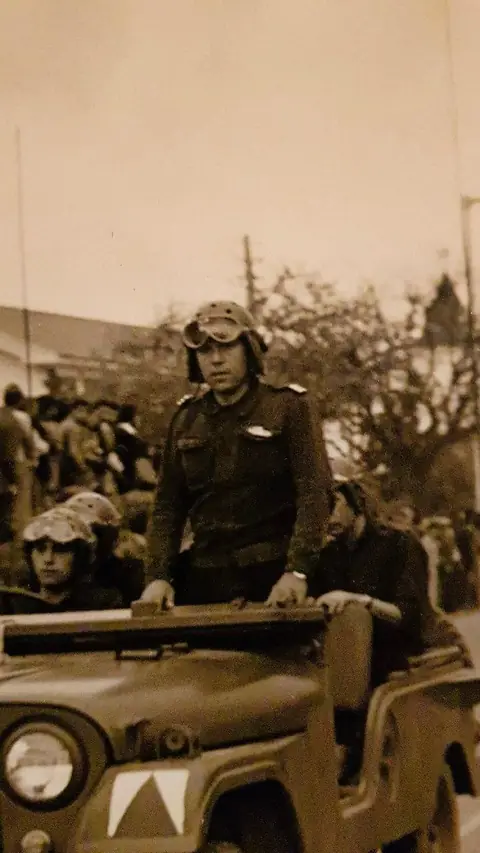
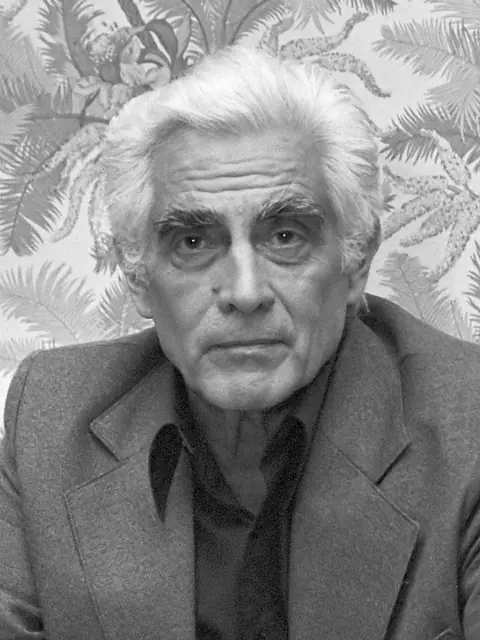
RevolutionArtillery majorauthor of the 25 April operations plancommander of COPCON and of the Lisbon Military Regionmember of the Council of the Revolutionpresidential candidate (1976 and 1980)
Born
31 August 1936, Lourenço Marques (now Maputo), Mozambique
Died
25 July 2021, Lisbon
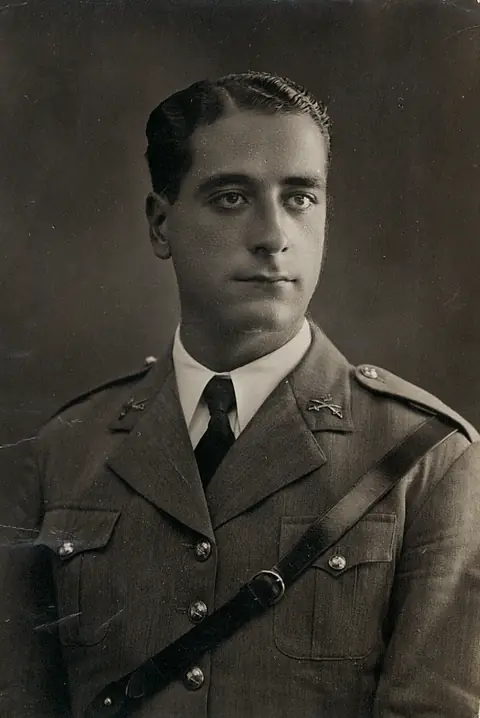
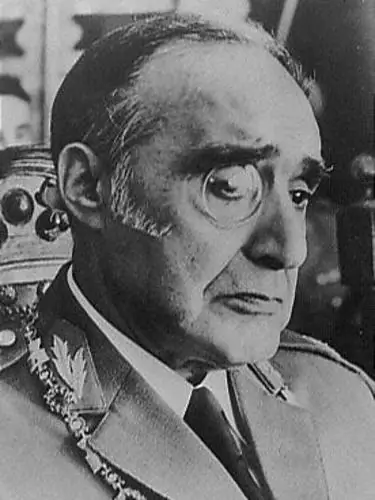
An Artillery major, he drew up the operations plan for 25 April and directed the operations from the clandestine Command Post at Pontinha; he later commanded COPCON and the Lisbon Military Region.
He was born in 1936 in Lourenço Marques, now Maputo.18 An Artillery officer, he fought in Angola and Guinea and was one of the main drivers of the protest against Decree-Law no. 353/73, which gave rise to the Captains’ Movement.1 In December 1973 he was elected, with Vasco Lourenço and Vítor Alves, to the leadership of the movement’s Coordinating Committee.53 At the Committee’s last meeting, on 24 March 1974, he took on the task of drawing up the operations plan, which he named “Viragem Histórica” (Historic Turning Point).32
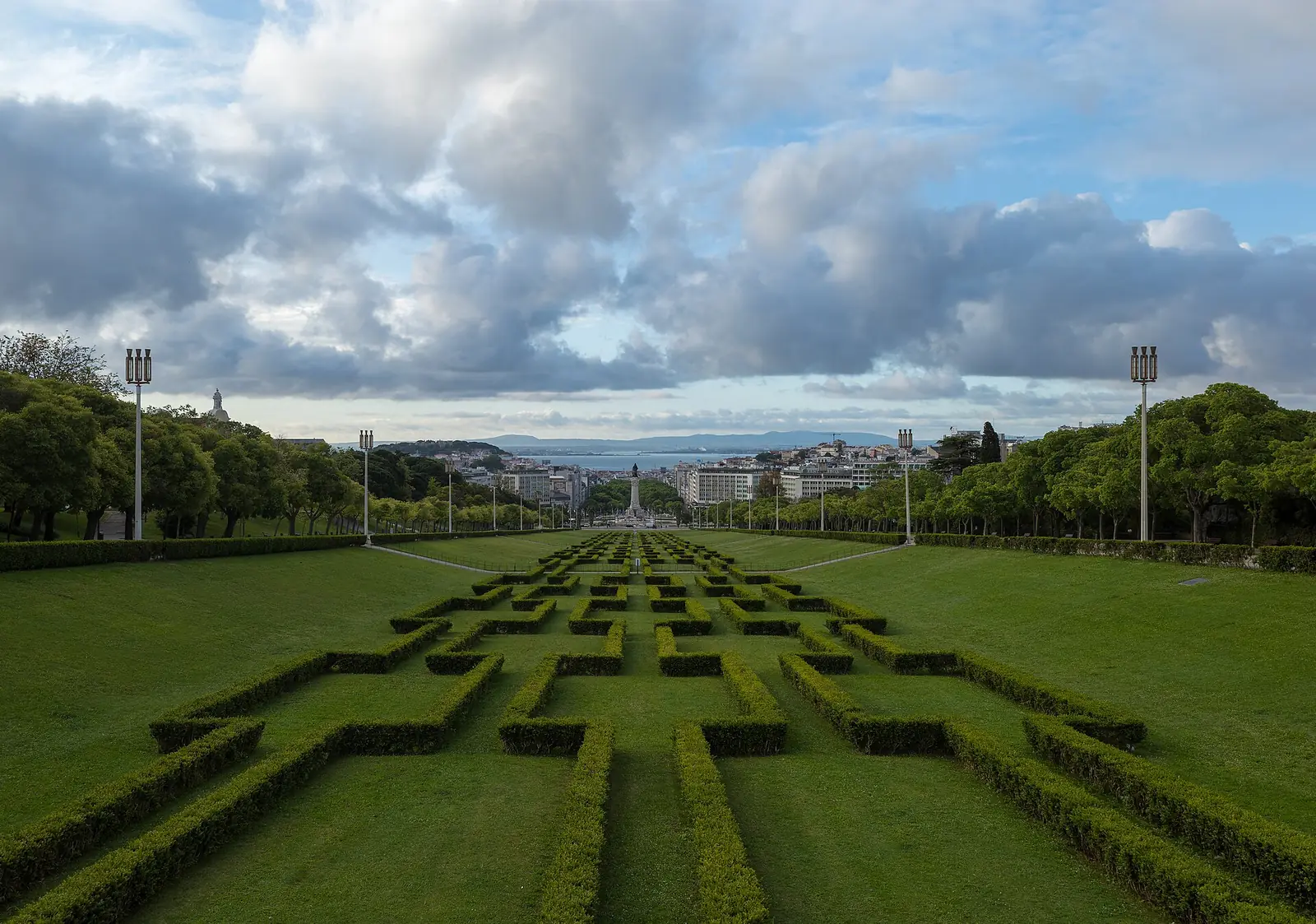
On 23 April, in Parque Eduardo VII, he handed the liaison officers the “Final Instructions”.4 From the night of the 24th he directed the operations from the Command Post set up at Engineering Regiment No. 1, in Pontinha.21 It was he who pressed Salgueiro Maia to force the surrender of the Carmo Barracks, and who, on behalf of the captains, mandated António de Spínola to receive power from Marcelo Caetano.2
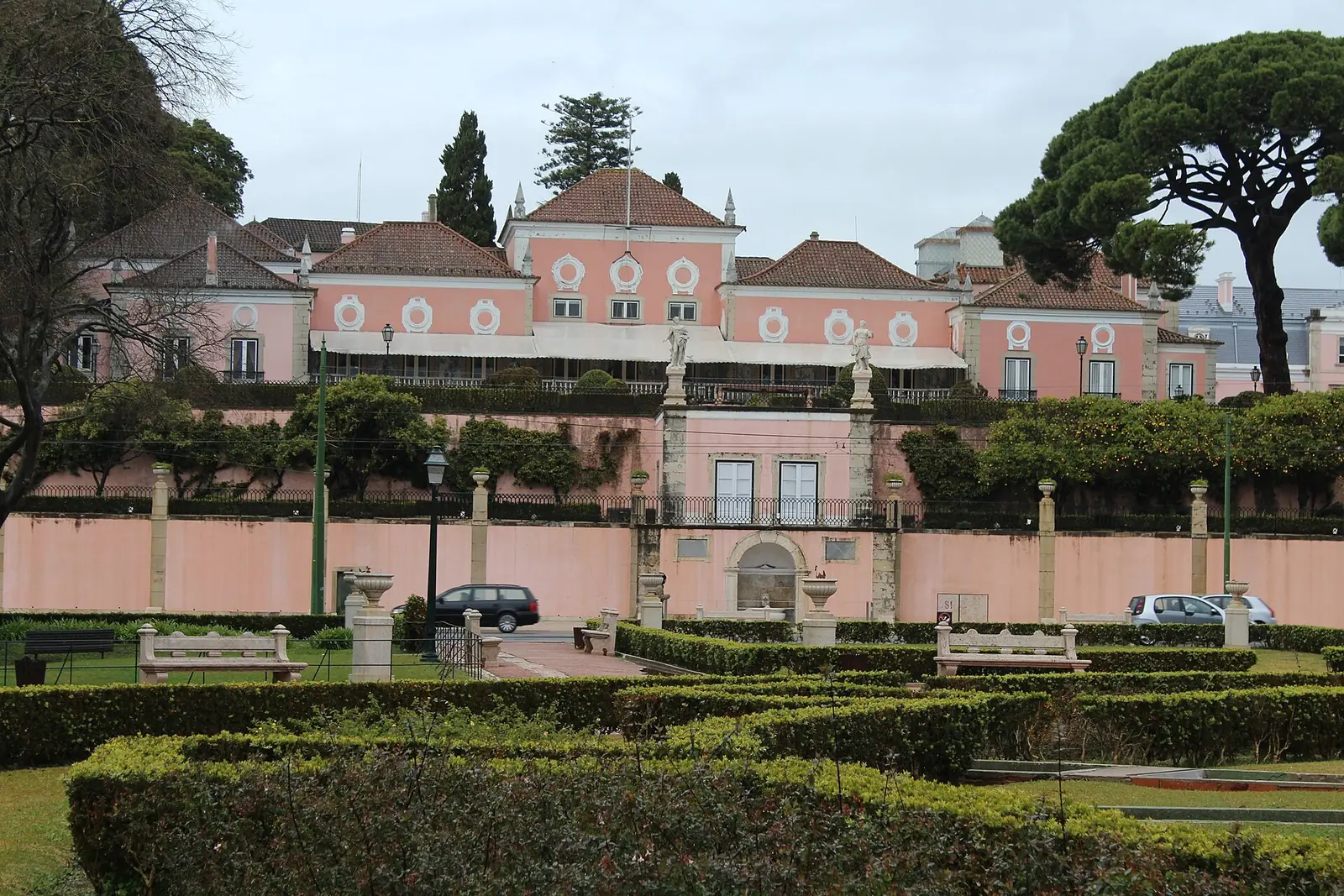
Given the acting rank of Brigadier, he commanded COPCON and the Lisbon Military Region.1 In the crisis of 28 September 1974 he was reportedly held, with Vasco Gonçalves, at the Palácio de Belém.6 He sat on the Council of the Revolution from its creation, in March 1975, and in May he joined Costa Gomes and Vasco Gonçalves in the Directorate, the top political body of the Fourth and Fifth Provisional Governments.1 On 20 November 1975 he was replaced as commander of the Lisbon Military Region by Vasco Lourenço, a decision that lay at the origin of the crisis of 25 November.7 Associated with the most radical wing of the MFA, he was arrested in the wake of those events and released three months later. He stood for President of the Republic in 1976 and in 1980. In 1985 he was arrested again, in the FP-25 (Popular Forces of 25 April) case; he was released five years later, after appealing against his conviction, and in 1996 the Assembly of the Republic passed an amnesty for the prisoners in that case.1 He died in Lisbon in 2021.8
From the archives
In other archives
These can only be viewed on each archive’s own website.
Chosen by the captains as a prestigious leader, he was a member of the National Salvation Junta, succeeded Spínola as President in September 1974, declared a state of siege on 25 November 1975 and promulgated the 1976 Constitution.
A general and author of “Portugal e o Futuro” (Portugal and the Future), he received Marcelo Caetano’s surrender at the Carmo Barracks, presided over the National Salvation Junta and was President of the Republic until he resigned, on 30 September 1974. On 11 March 1975 he fled to Spain.
A 29-year-old captain, he commanded the Cavalry Practical School column that occupied the Terreiro do Paço, faced down the regime’s forces without firing a shot and besieged the Carmo Barracks until he obtained Marcelo Caetano’s surrender.
A communist leader, he was arrested in 1949 and escaped from Peniche Fortress in 1960. General secretary of the PCP, he returned from exile on 30 April 1974 and addressed the crowd at the airport from the top of a Chaimite armoured car.
A naval officer and member of the National Salvation Junta, he headed the Sixth Provisional Government and was held captive in his official residence, at São Bento, during the siege by construction workers in November 1975.
The last head of government of the Estado Novo, he took refuge in the Carmo Barracks in the early hours of 25 April 1974 and, besieged, handed power over to General Spínola. The next day he was taken to Madeira.
Notes on the sources4
The day and place of birth (Lourenço Marques, now Maputo, 31 August 1936) and of death (Lisbon, 25 July 2021) come only from Wikidata; the 25 April Documentation Centre gives only the year of birth.
Where he was elected to the leadership of the Coordinating Committee: at the Óbidos meeting, on 1 December 1973 (the 50 Years Commemorative Commission), or at the Costa da Caparica meeting, on 5 December (25 April Association).
When he took over COPCON and the Lisbon Military Region: the 25 April Documentation Centre gives 13 July 1975, but the 50 Years Commemorative Commission already presents him as deputy commander of COPCON in September 1974.
Whether he was in fact held at the Palácio de Belém on 28 September: the 50 Years Commemorative Commission says that he and Vasco Gonçalves were “apparently detained”.
Do you know more, or do you have a document? Tell us.
Sources
1Otelo Saraiva de Carvalho. Centro de Documentação 25 de Abril – Universidade de Coimbra — consulted on 2 October 2026