RevolutionPresident of the Council of Ministers (head of government, 1968-1974)
Born
17 August 1906, Lisbon
Died
26 October 1980, Rio de Janeiro, Brazil
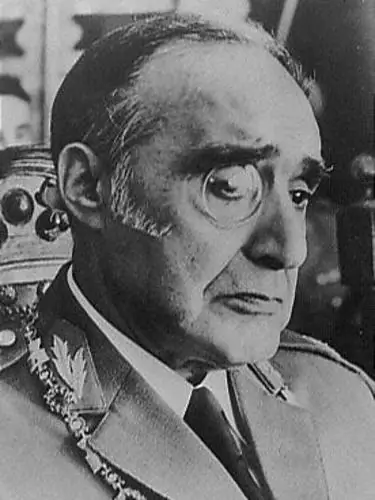
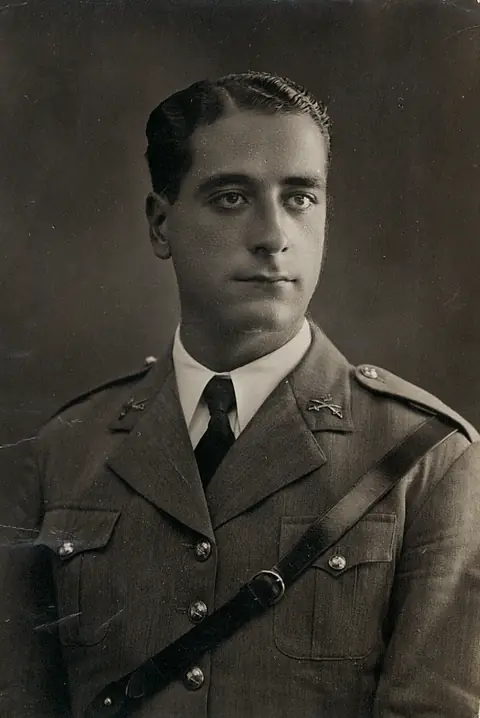
The last head of government of the Estado Novo, he took refuge in the Carmo Barracks in the early hours of 25 April 1974 and, besieged, handed power over to General Spínola. The next day he was taken to Madeira.
He was born in Lisbon in 1906 and had headed the government, as President of the Council of Ministers, since 1968.4 At 05:00 on 25 April 1974, the director of the PIDE/DGS, Silva Pais, telephoned him: “Mr President, the Revolution is out in the streets!” (Senhor Presidente, a Revolução está na rua!) In a second call he advised him to leave home as a matter of the utmost urgency and go to the Carmo barracks, “because the GNR is sound”.21
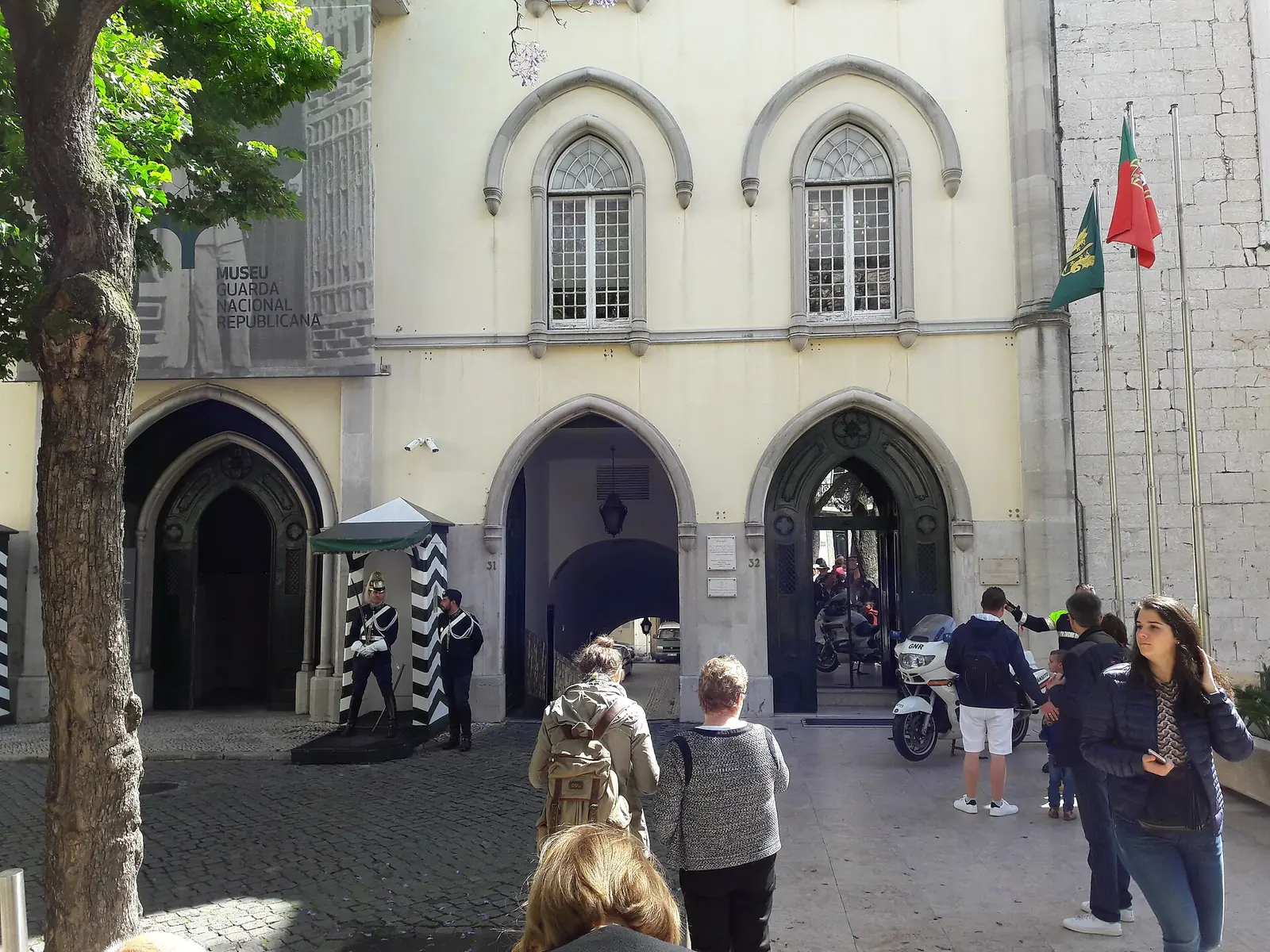
In the Carmo Barracks he spent the day with the Minister of the Interior, César Moreira Baptista, the Minister of Foreign Affairs, Rui Patrício, and other members of the government, while the column of Salgueiro Maia besieged the barracks and a crowd filled the square.21 In mid-afternoon he decided to surrender — “so that power does not fall into the street” (assim o poder não cai na rua), he confided — but not to a captain: he asked for a general officer to receive power and summoned General Spínola to the Carmo.2 Late in the afternoon he handed power over to him and left the barracks in the Chaimite armoured car “Bula”, slowly, through the crowd, on the way to the MFA Command Post at Pontinha.32
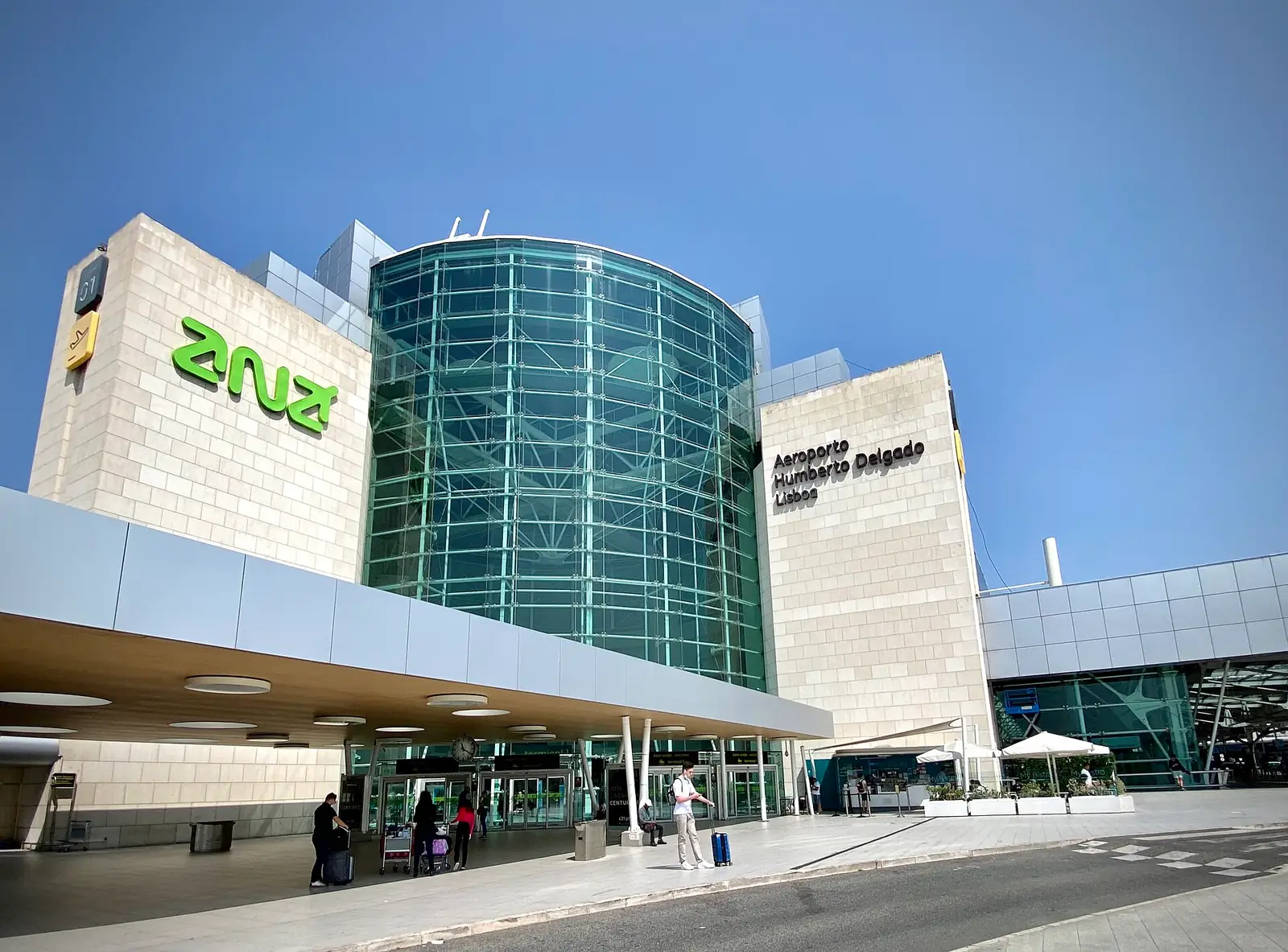
On the morning of 26 April he was taken to the airport, as was the President of the Republic, Américo Tomás, and, with the former ministers Silva Cunha and Moreira Baptista, boarded an Air Force plane for Funchal, where they were held under guard.2 He died in Rio de Janeiro in 1980.4
From the archives
In other archives
These can only be viewed on each archive’s own website.
A general and author of “Portugal e o Futuro” (Portugal and the Future), he received Marcelo Caetano’s surrender at the Carmo Barracks, presided over the National Salvation Junta and was President of the Republic until he resigned, on 30 September 1974. On 11 March 1975 he fled to Spain.
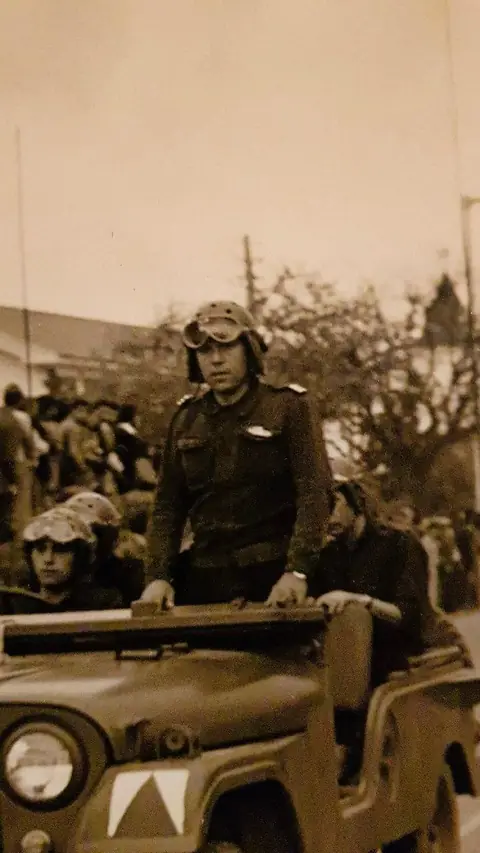
A 29-year-old captain, he commanded the Cavalry Practical School column that occupied the Terreiro do Paço, faced down the regime’s forces without firing a shot and besieged the Carmo Barracks until he obtained Marcelo Caetano’s surrender.
Director of the political police, he warned Marcelo Caetano at 05:00 on 25 April that “the Revolution is out on the streets”. He only surrendered the DGS headquarters on the morning of the 26th, after the agents had killed four people on Rua António Maria Cardoso.
A lieutenant in Salgueiro Maia’s column, he was assaulted on Rua do Arsenal by Brigadier Junqueira dos Reis while trying to negotiate — and responded with a salute. In the afternoon, he brought Spínola’s emissaries to the Carmo.
At around 14:30 on 25 April 1974 she read, on Rádio Clube Português, the MFA communiqué announcing the objectives taken and the siege of Marcelo Caetano in the Carmo Barracks — a communiqué “now read by a woman”.
Chosen by the captains as a prestigious leader, he was a member of the National Salvation Junta, succeeded Spínola as President in September 1974, declared a state of siege on 25 November 1975 and promulgated the 1976 Constitution.
Notes on the sources1
The dates and places of birth and death come only from Wikidata.
Do you know more, or do you have a document? Tell us.





.jpg)