The most symbolic of the places of April. Marcelo Caetano took refuge in the Carmo Barracks in the early hours of 25 April 1974; surrounded by Salgueiro Maia’s column and by thousands of people, he handed power to General Spínola late in the afternoon.
Today: GNR General Command and the National Republican Guard MuseumThere is a marker at the siteOn 3 walks
At five in the morning on 25 April 1974, the director of the political police, Silva Pais, telephoned Marcelo Caetano: “Mr President, the Revolution is out in the streets!” (Senhor Presidente, a Revolução está na rua!) — and advised him to go to the GNR barracks in Largo do Carmo. The President of the Council (head of government) arrived with his military aide, and was joined by the minister Moreira Baptista and Admiral Henrique Tenreiro.2 According to Jofre Alves’s chronology, it was Maria de Lurdes Rocha, head of cleaning and laundry at the barracks, who hurriedly made up five rooms for the besieged government.6
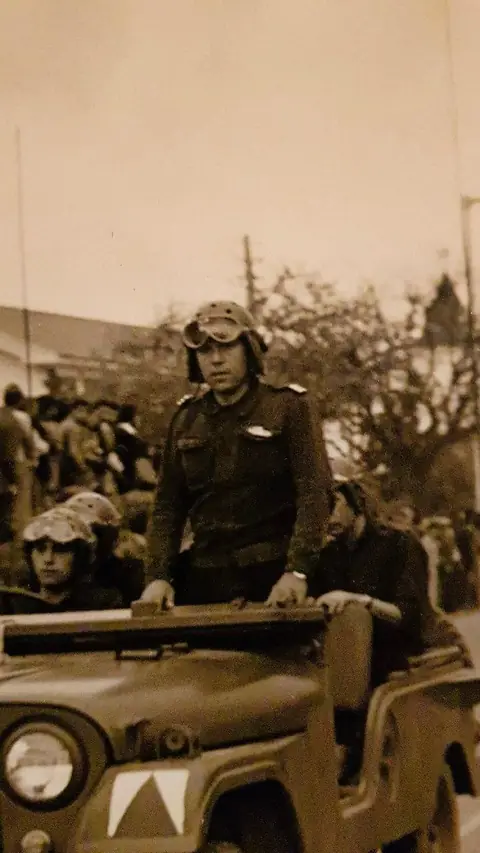
At about 12:30, the column of Salgueiro Maia, which had climbed up from the Rossio along Rua do Carmo through the crowd, surrounded the barracks. People brought food, milk and cigarettes to the soldiers. In the early afternoon, forces loyal to the regime tried to encircle the besieging force from Largo de Camões, the Misericórdia and the Chiado; the arrival of Cavalry Regiment No. 3, from Estremoz, foiled the manoeuvre.3
At 15:10, through a loudhailer, Maia gave ten minutes for the surrender; at 15:25, a Chaimite armoured car fired bursts at the top of the façade. At 16:00 an emissary arrived with a message from General Spínola, and Caetano decided to surrender — “so that power does not fall into the street” (assim o poder não cai na rua) — asking for power to be handed over to a general officer.1
Spínola arrived late in the afternoon, by car, through a crowd singing the national anthem. Shortly after 18:30, the Chaimite “Bula” reversed in through the main gate and took Caetano, Rui Patrício and Moreira Baptista to the Pontinha barracks. The siege was lifted at 19:30.5 After the surrender, a few hundred metres away, the DGS fired on the crowd on Rua António Maria Cardoso.
Right after the 1926 coup, the barracks had been the first home of press censorship: the service worked here from 22 June 1926 to 1934.10 On 11 March 1975, GNR officers arrested the commander-general here, along with other officers loyal to the Armed Forces Movement, and the square filled with people once again.
Today the barracks houses the GNR Museum. In the spring of 2025, the Salão Nobre (state room), the command offices and a balcony overlooking the Rossio were opened to the public, free of charge.9
With the last five plaques, unveiled on 24 March 2024, Lisbon now has 25 marking the places where the Armed Forces Movement (MFA) acted on 25 April 1974 — the “Places of April” project (“Lugares de Abril”), run by the City Council and the 25 April Association. The Council singles out Largo do Carmo, “the most symbolic place” of April.
Original page Licença padrão do YouTube — embed permitido pelo canal oficial da Câmara Municipal de Lisboa
Câmara Municipal de Lisboa, on YouTube. The player only connects to that site when you press “Watch”.
The second chapter of the film made from the photographs Alfredo Cunha took in Lisbon on 25 April 1974, with music by Rodrigo Leão, directed by Miguel Brugo, and published by the Commission on 14 February 2024. It follows the book of the same name, in which this part has a text by Adelino Gomes and pictures of the Ribeira das Naus, Rua do Arsenal and Largo do Carmo.
Original page Licença padrão do YouTube — embed permitido pelo canal oficial da Comissão Comemorativa 50 Anos 25 de Abril
Comissão Comemorativa 50 Anos 25 de Abril, on YouTube. The player only connects to that site when you press “Watch”.
A guided tour of the Carmo Barracks, broadcast live by Lisbon City Council on Freedom Day 2022. It was in these barracks that Marcelo Caetano took refuge on 25 April 1974 and where, late in the afternoon, he handed power over to General Spínola.
Original page Licença padrão do YouTube — embed permitido pelo canal oficial da Câmara Municipal de Lisboa
Câmara Municipal de Lisboa, on YouTube. The player only connects to that site when you press “Watch”.
In other archives
These can only be viewed on each archive’s own website.
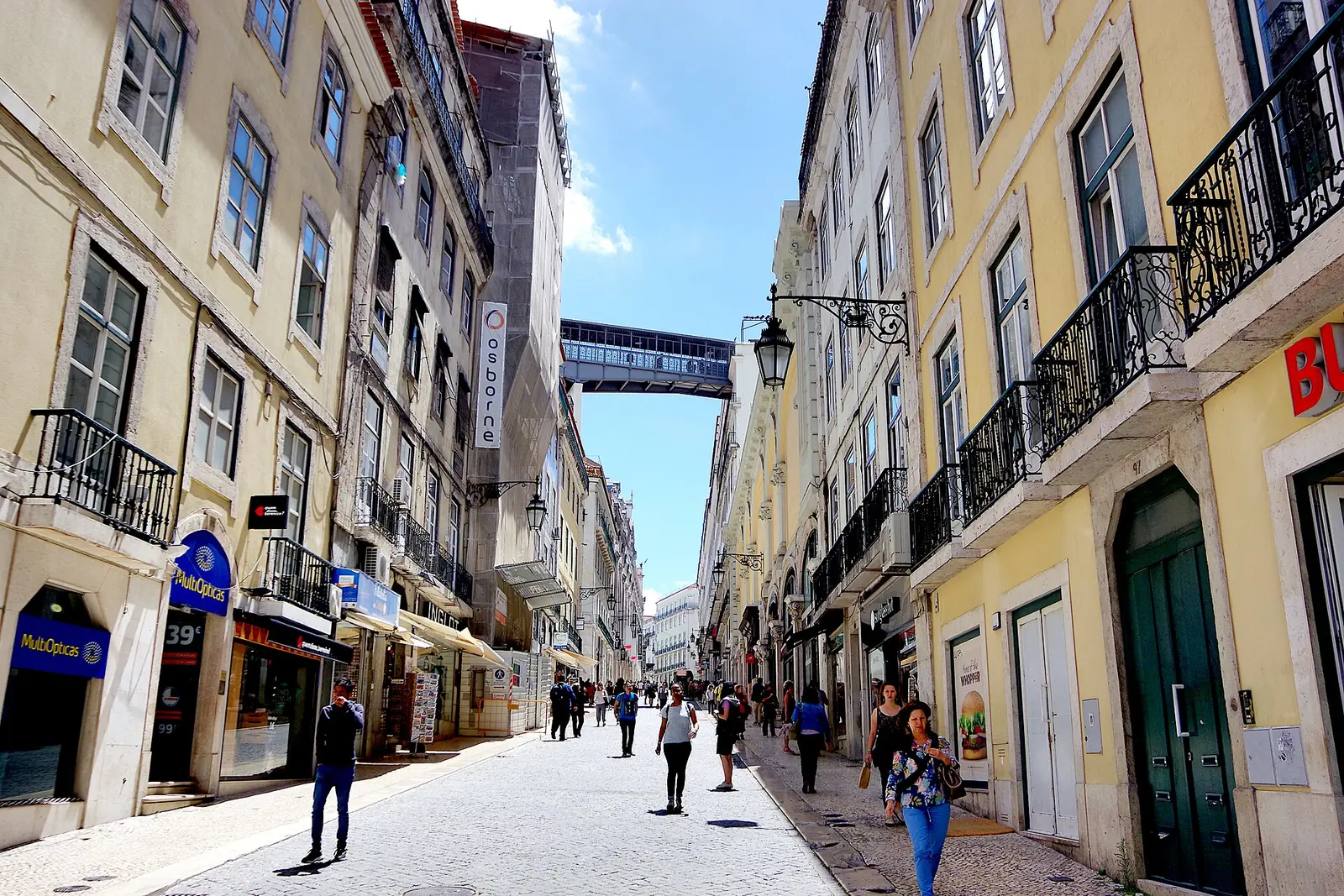
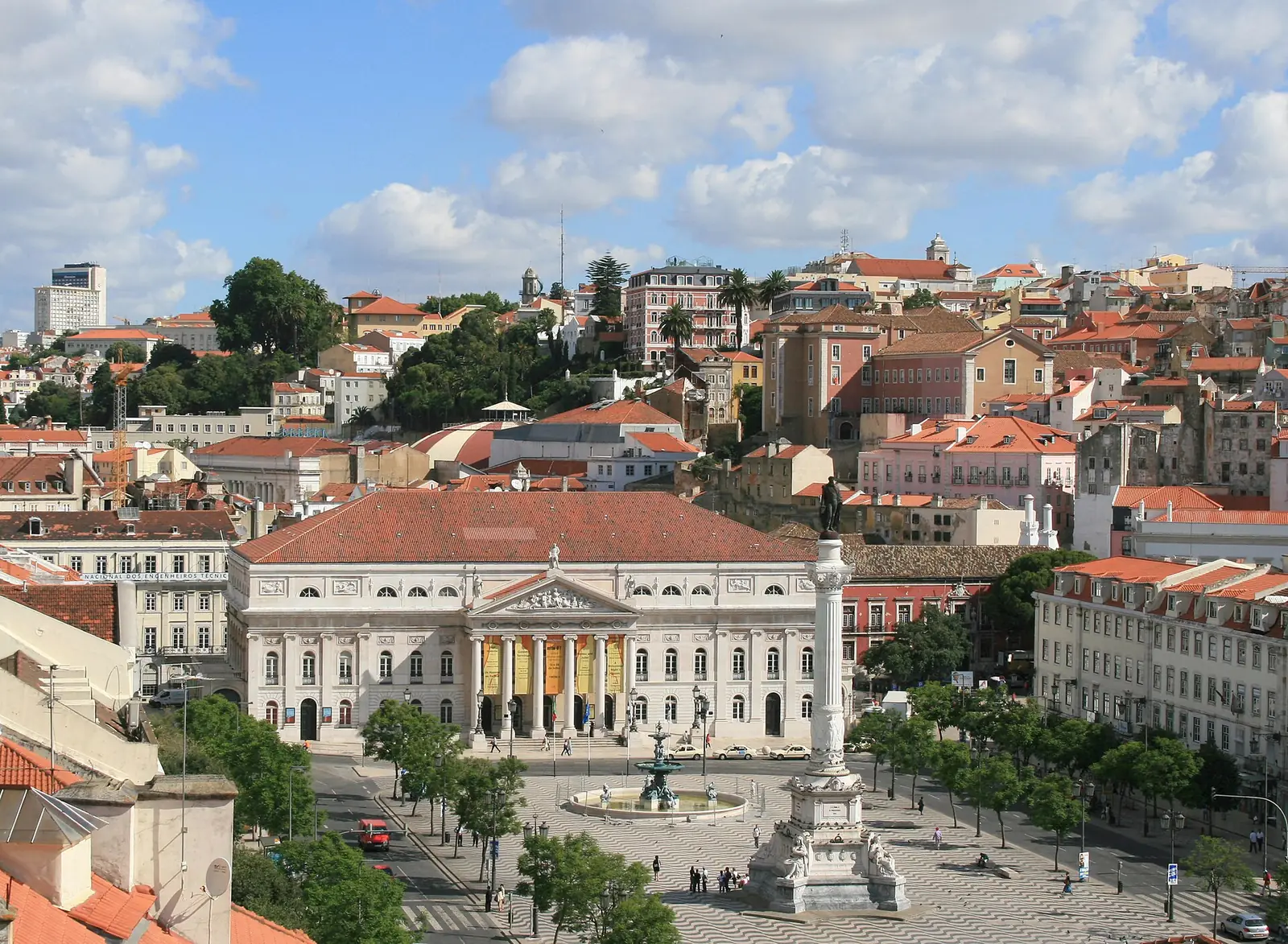
Salgueiro Maia’s column climbed this street, from the Rossio to Largo do Carmo. It was here, at the start of the street, that Celeste Caeiro gave a carnation to a soldier who asked her for a cigarette — and the carnation became the symbol of the revolution.
On the first floor of this café on the Rossio, on 10 May 1958, Humberto Delgado answered “Obviously, I’ll sack him!” (Obviamente, demito-o!) when asked what he would do with Salazar if he were elected.
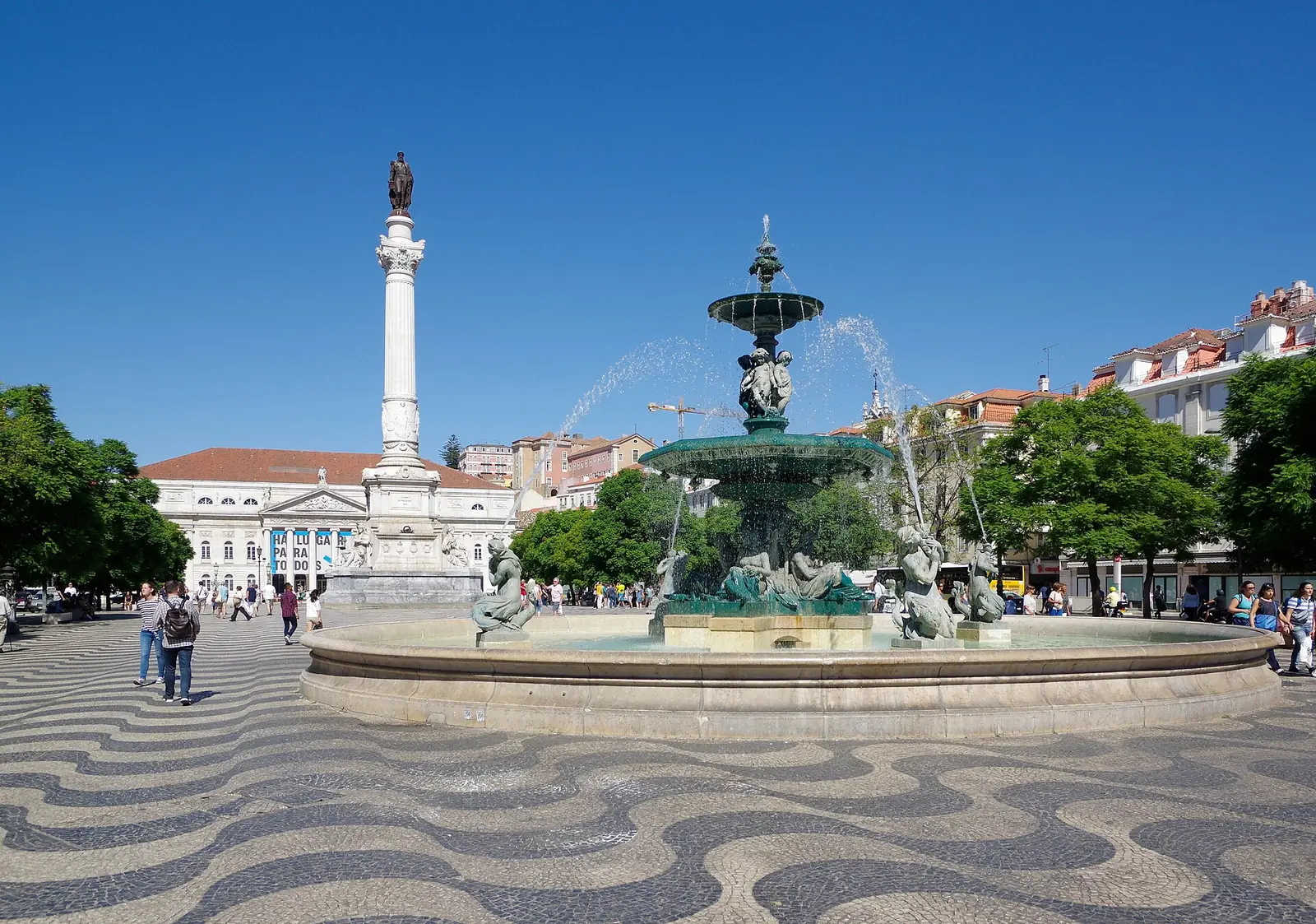
On the Rossio, the GNR charged Humberto Delgado’s supporters in 1958 and the police put down the May Day demonstration of 1962. On 25 April 1974, Salgueiro Maia’s column passed through here, among the crowd, on its way to the Carmo.
A café on the Rossio where, between 1957 and 1962, the “Café Gelo Group” of dissident poets and painters used to meet; the group was banned from entering it after May Day 1962.
Culture and censorshipOppositionRepression
Notes on the sources8
Time of Caetano’s arrival at the Carmo: 05:30 (Jofre Alves) or 06:00 (25 April Association).
Spínola’s arrival: 17:45 (Commemorative Commission, CD25A) or 18:00 (25 April Association); the handover of power is placed “at around 18:30” on the Lugares de Abril page.
Departure of the “Bula”: 19:30 (CD25A) or 19:35 (25 April Association).
The detail about Maria de Lurdes Rocha appears only in Jofre Alves’s chronology.
Current opening hours of the GNR Museum and whether there are commemorative plaques in the square (not confirmed).
Postcode and street number of the barracks.
Memorials of 25 April in the square (plaques, pavement) not checked in this research, which focused on repression.
The relationship between the barracks and the former Convento do Carmo: Wikidata returns the item “Convento do Carmo” (Q1470414) for “Quartel do Carmo”; I did not look into it further.
Do you know more, or do you have a document? Tell us.




.jpg)