Repressiontextile workerPCP leaderpolitical prisoner, deported to Tarrafal
Born
13 August 1896, Murça
Died
2 January 1950, Lisbon (Lisbon Penitentiary)
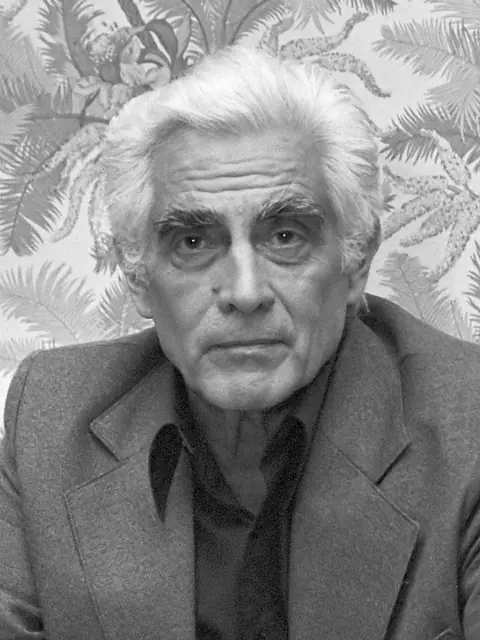
A communist leader, he was in the group of prisoners who inaugurated the Tarrafal camp in 1936. Arrested again in 1949, with Álvaro Cunhal and Sofia Ferreira, he died in isolation in Lisbon Penitentiary, on hunger strike, on 2 January 1950.
He was born in Murça on 13 August 1896. At 13 he emigrated to Brazil, where he was a textile worker and a trade union leader. In the early 1930s he was repatriated to Portugal and joined the PCP.1
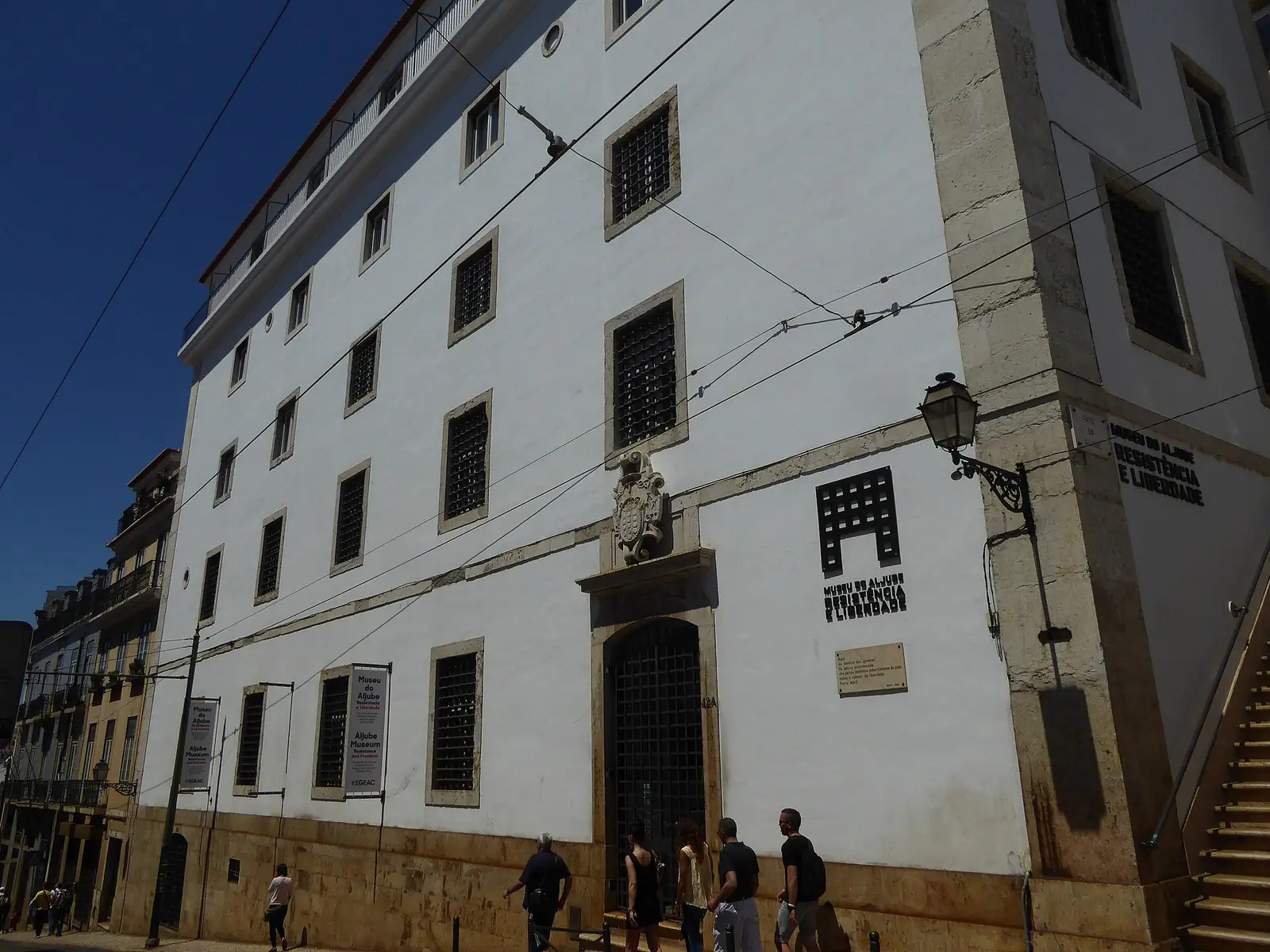
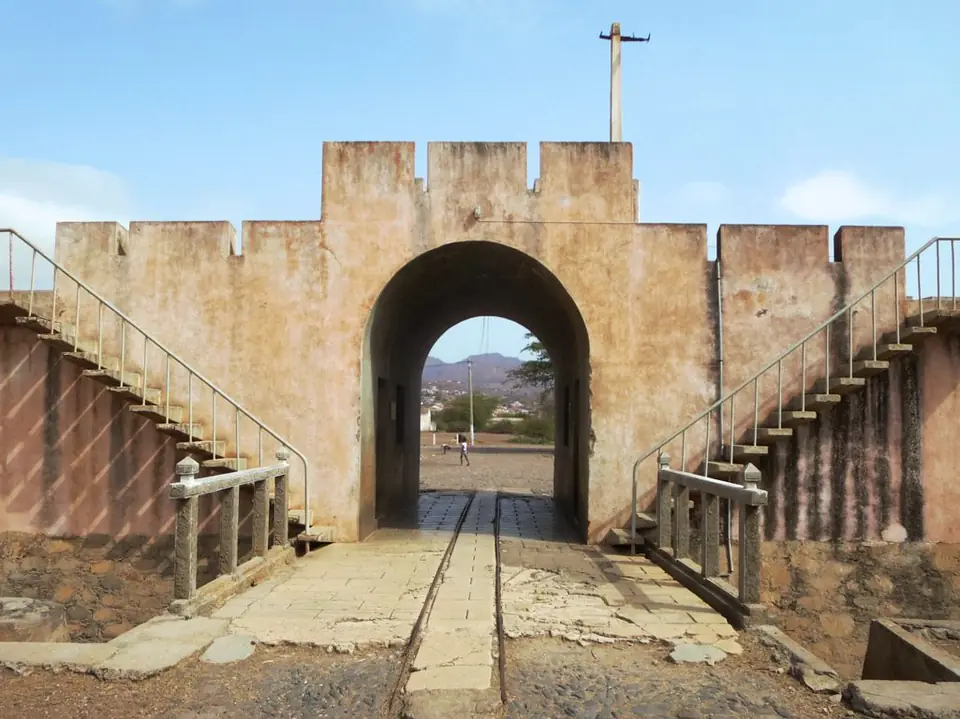
Arrested in July 1934, he was sentenced by the Special Military Court and passed through the prisons of Peniche and Angra do Heroísmo. In October 1936 he was one of the group of prisoners who inaugurated the Tarrafal concentration camp, in Cape Verde.1 Freed by an amnesty in 1940, he was imprisoned again in November 1942, in the Aljube, and in 1944 he was sent back to Tarrafal.1
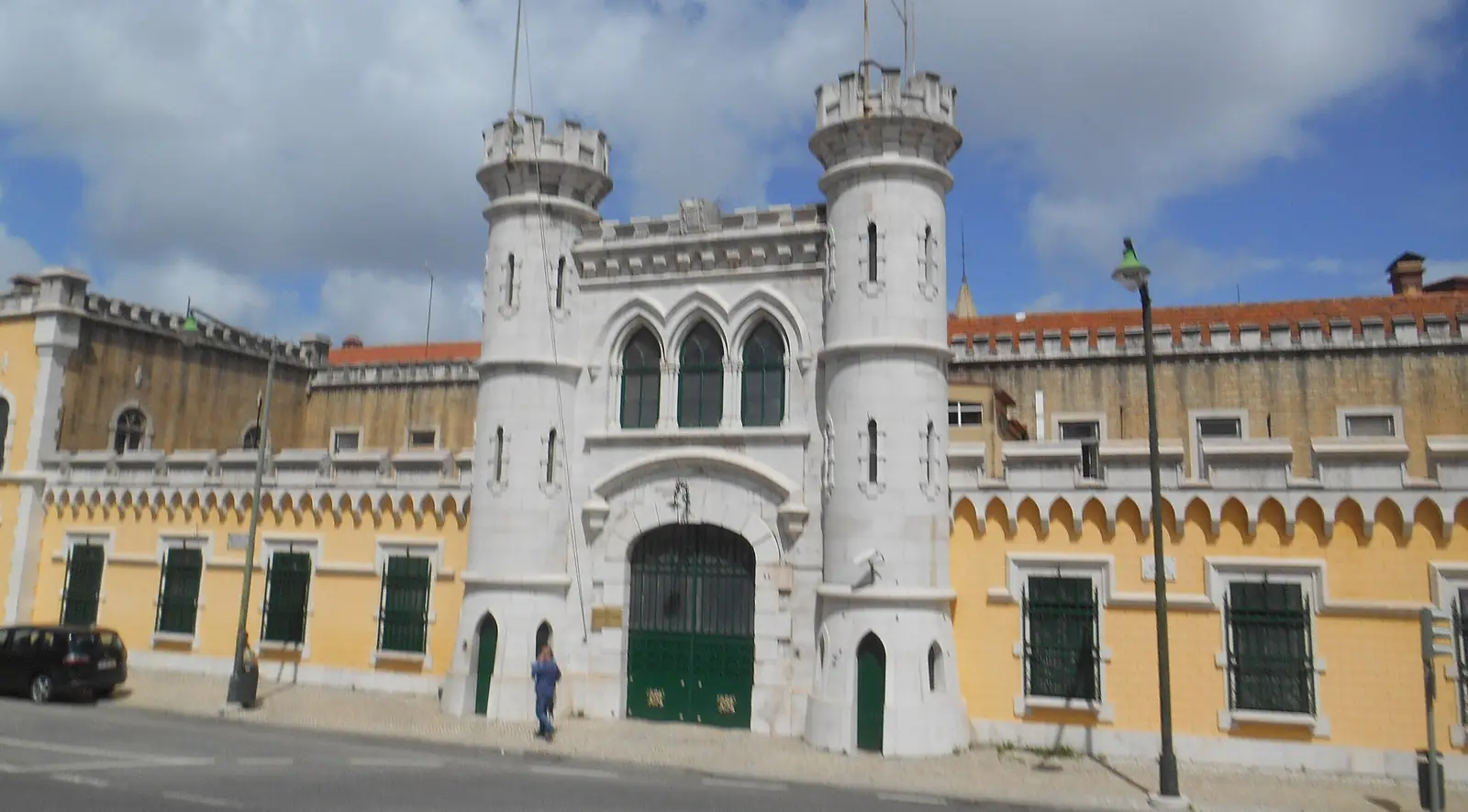
On 25 March 1949, the PIDE arrested him in a clandestine house in Luso, with Álvaro Cunhal and Sofia Ferreira.2 On 10 May, ill, he was transferred to Lisbon Penitentiary, where he spent nine months in strict isolation, without medical care worthy of the name. In letters written two months before he died, he accused the PIDE of “poisoning”.1 He went on hunger strike in protest and died in prison on 2 January 1950.13
A communist leader, he was arrested in 1949 and escaped from Peniche Fortress in 1960. General secretary of the PCP, he returned from exile on 30 April 1974 and addressed the crowd at the airport from the top of a Chaimite armoured car.
The daughter of farm labourers from Alhandra, she was arrested with Álvaro Cunhal and Militão Ribeiro in 1949 and again in 1959, and spent more than thirteen years in the dictatorship’s prisons.
A metalworker and anarcho-syndicalist, he was one of the perpetrators of the bomb attack on Salazar on Avenida Barbosa du Bocage, in 1937. He fled to England, was handed over to the Portuguese police and was not released from prison until 1953.
A journalist and writer, she edited “Modas e Bordados” (Fashions and Embroidery), chaired the National Council of Portuguese Women until the regime closed it down in 1947, and responded with “As Mulheres do Meu País” (The Women of My Country). She was arrested several times and lived in exile in Paris.
A medical student in Lisbon from 1948, he was active in the House of the Students of the Empire, the MUD Juvenil and the Centre for African Studies. Arrested several times by the PIDE in Lisbon, he was the first president of independent Angola.
A communist leader, he was one of the eight prisoners who escaped from Caxias in Salazar’s armoured car, in 1961. Arrested in 1959 and again in 1965, he withstood PIDE torture without talking.
Notes on the sources2
The day of death: 2 January 1950, according to the Aljube Museum and Memória Comum, which says he fell into a coma that morning; 3 January, according to Wikidata.
His age at death: the Aljube Museum says 54, but the dates it gives (13 August 1896 and 2 January 1950) make 53.
Do you know more, or do you have a document? Tell us.