Repressionleader of the MUD Juvenilfull-time party worker and leader of the PCPpolitical prisonerescapee from Caxias (1961)
Born
19 January 1936, Vila Franca de Xira
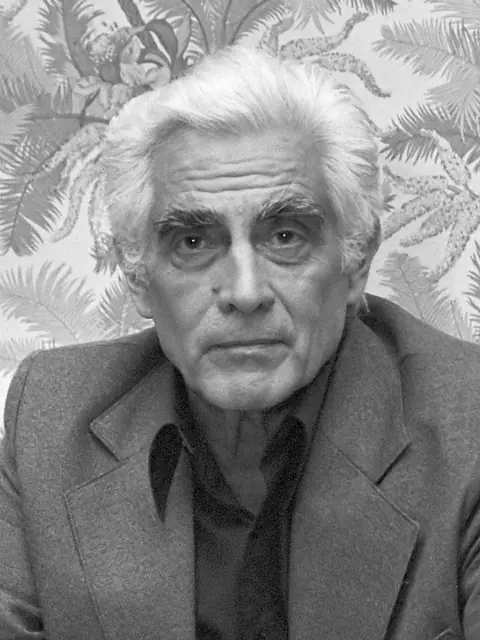
A communist leader, he was one of the eight prisoners who escaped from Caxias in Salazar’s armoured car, in 1961. Arrested in 1959 and again in 1965, he withstood PIDE torture without talking.
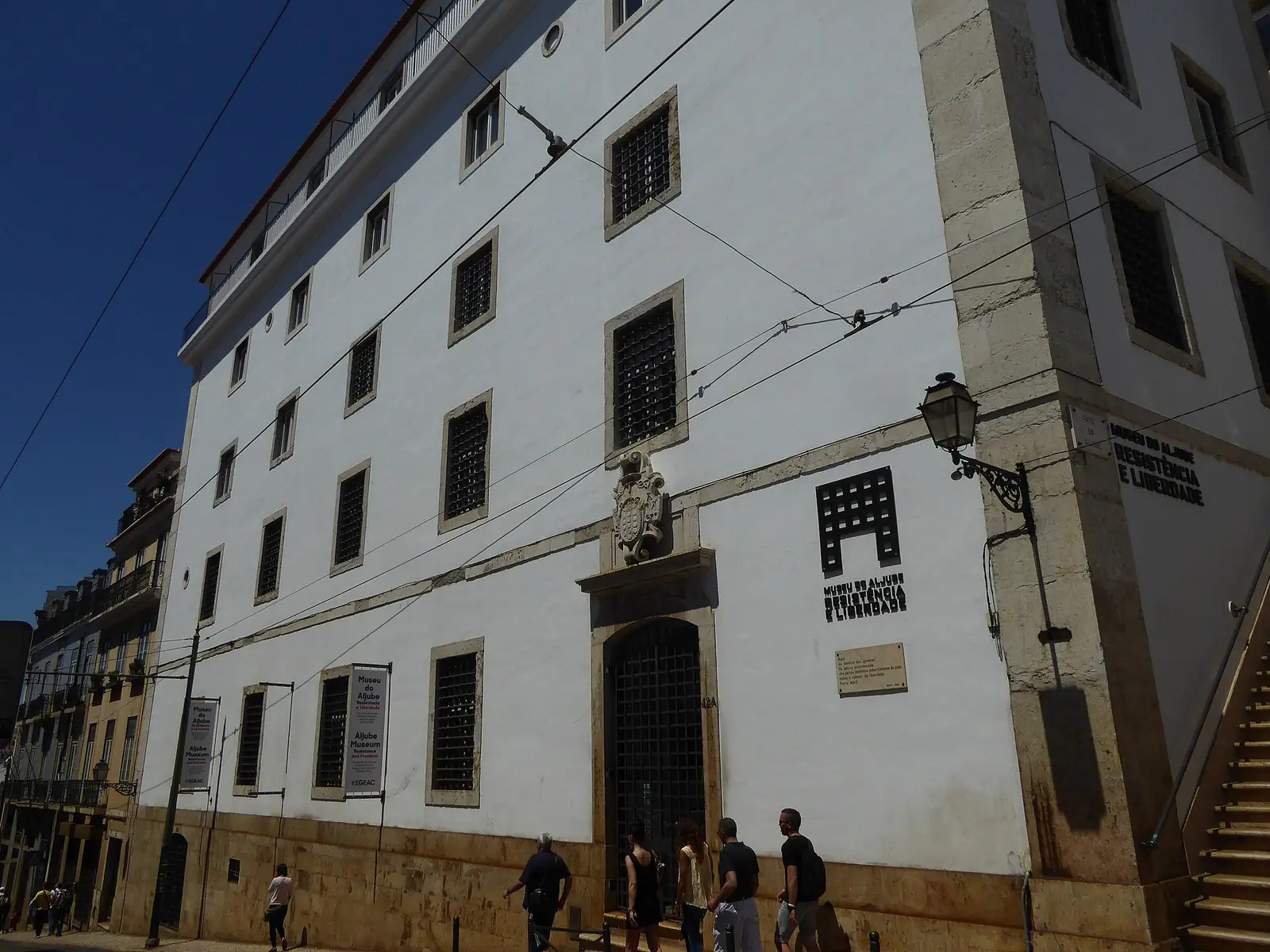
He was born in Vila Franca de Xira on 19 January 1936. A leader of the MUD Juvenil, he became a full-time worker and later a leader of the PCP. Arrested for the first time in 1959, he spent months in the “curros” (isolation cells) of the Aljube.1
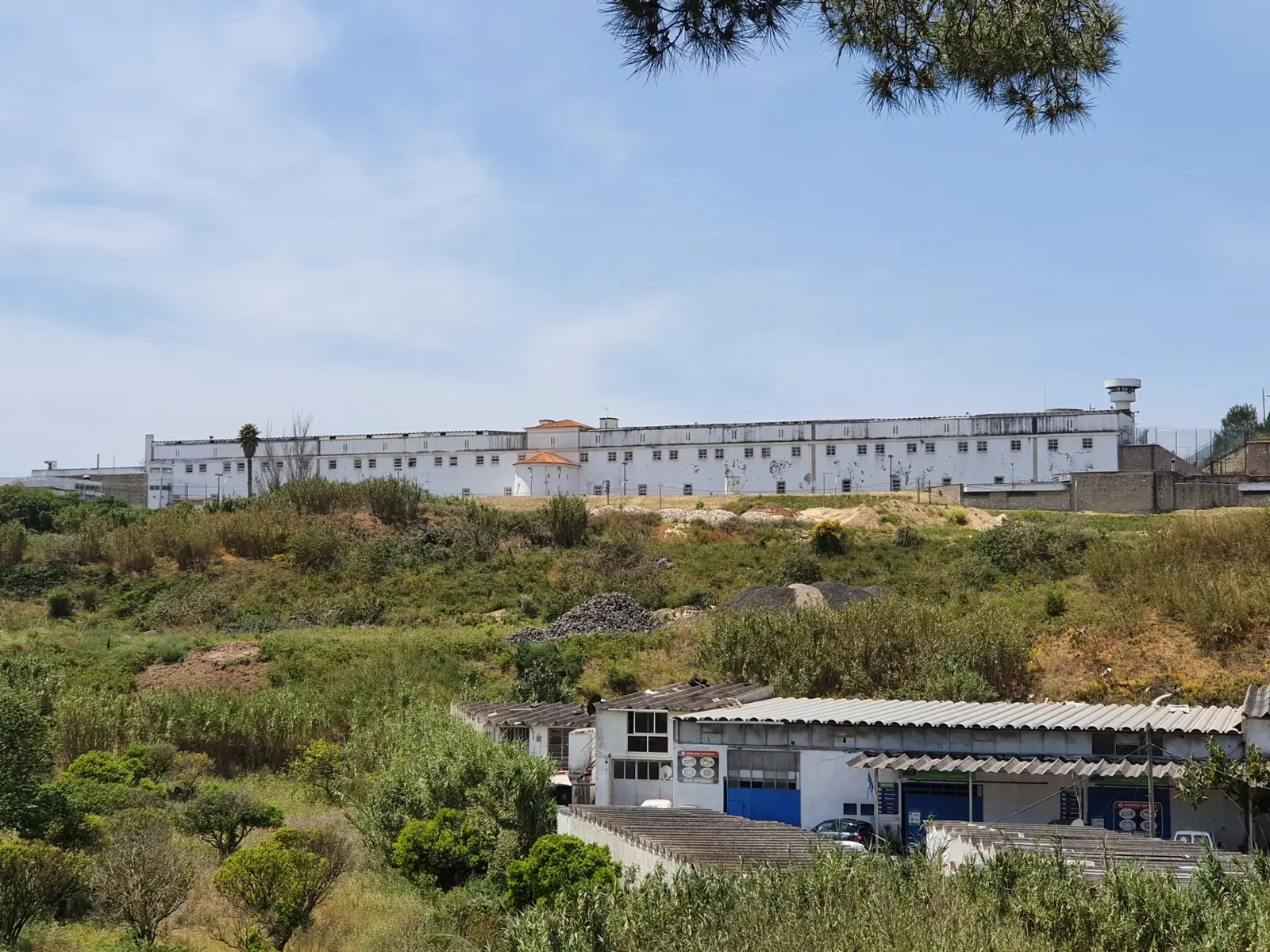
On 4 December 1961 he was in Caxias, among the PCP leaders awaiting transfer to Peniche, when he escaped, with seven other prisoners, in Salazar’s armoured car, driven by António Tereso.43
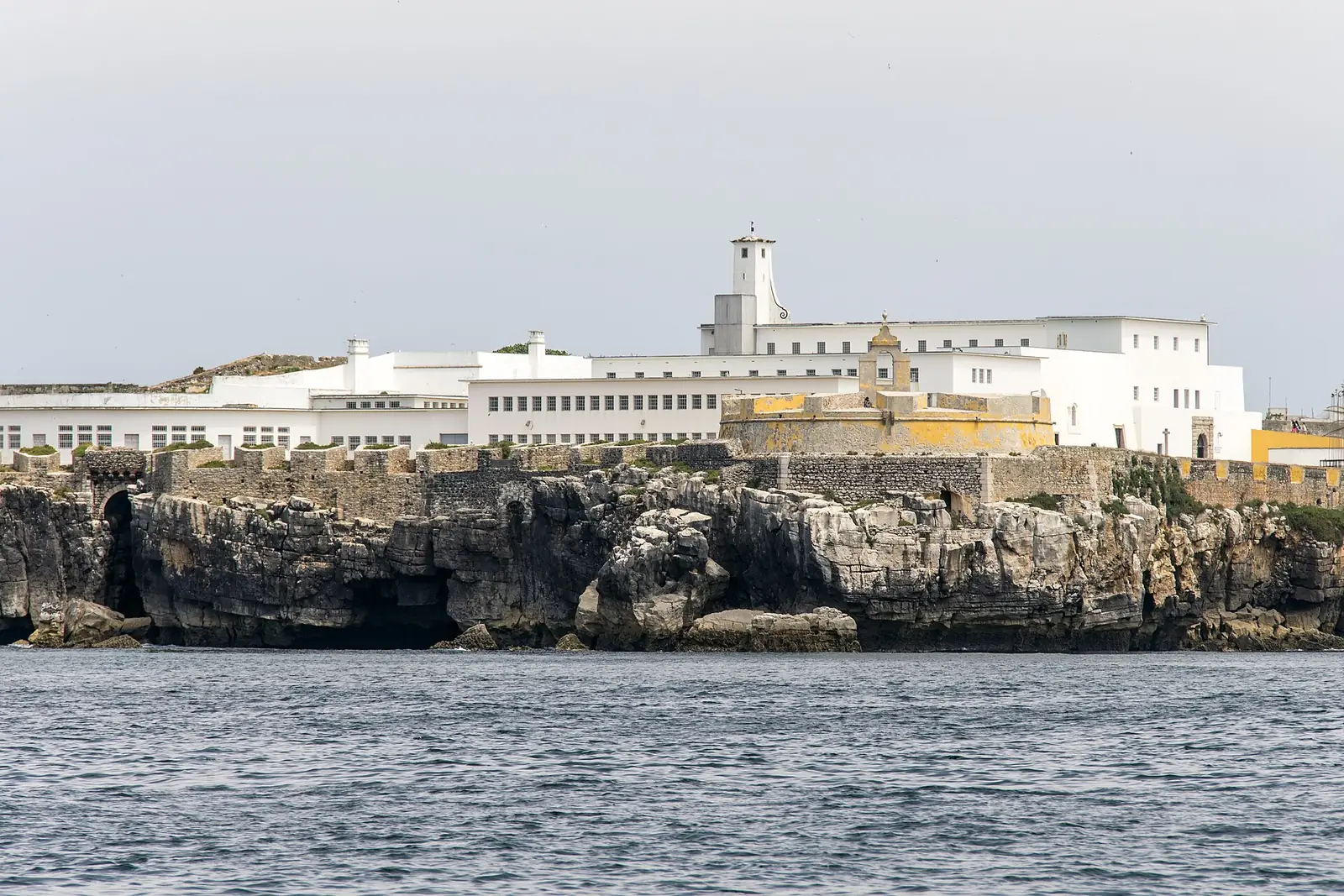
He went back underground, on the south bank of the Tagus. On 21 April 1965, the PIDE lay in wait for him at the house where he lived with Conceição Matos, in Montijo, and arrested them both.12 The PIDE tried on him what it had tried on her — making him believe that the other had talked — before torturing him; he never talked.21 He married Conceição Matos in Peniche prison in 1969 and was released on 23 March 1973.12
In February 1974 he went back underground and left with Conceição Matos for Paris, to work in the party’s organisation among emigrants. They returned to Portugal on 30 April 1974, on the plane carrying Álvaro Cunhal.12 In 2021, by then a Councillor of State, he spoke at the commemoration of the 60th anniversary of the escape, beside the sculpture at Caxias, as the “only survivor of the escape”, and recalled that it had been carried out “in broad daylight and under fire from the GNR”.3
From the archives
Conceição Matos and Domingos Abrantes tell together, in a testimony recorded by the museum on 7 October 2015, of life underground, imprisonment and torture. The museum’s keywords include the Aljube prison, Caxias, the PIDE interrogations and the escape from Caxias.
Original page Licença padrão do YouTube — embed permitido pelo canal oficial do Museu do Aljube
Museu do Aljube Resistência e Liberdade, on YouTube. The player only connects to that site when you press “Watch”.
On the day of its 60th anniversary, Domingos Abrantes, one of the eight leaders of the Portuguese Communist Party (PCP) who escaped from Caxias Fort on 4 December 1961, recalls the escape. The prisoners got out in the armoured Chrysler that had once served Salazar, driven by António Tereso, smashing through the fort’s outer gate.
Original page Licença padrão do YouTube — embed permitido pelo canal oficial do Museu do Aljube
Museu do Aljube Resistência e Liberdade, on YouTube. The player only connects to that site when you press “Watch”.
A communist leader, he was arrested in 1949 and escaped from Peniche Fortress in 1960. General secretary of the PCP, he returned from exile on 30 April 1974 and addressed the crowd at the airport from the top of a Chaimite armoured car.
A communist activist arrested in 1965 and in 1968, she suffered at the PIDE headquarters some of the cruellest and most humiliating torture methods used on a woman, and never talked. Decades later, she spoke about it publicly to denounce the political police.
A mechanic imprisoned in Caxias, he posed for months as a “rachado” (turncoat), at the PCP’s request, to prepare the escape of 4 December 1961, and it was with him at the wheel of Salazar’s armoured car that eight prisoners got out of the fort.
A chemical engineer and underground PCP activist, she was in charge of the Eastern Zone of the Lisbon Local Committee, “the most important working-class zone of the capital”. Arrested by the PIDE in 1957, she was, in Caxias, one of the authors of the letters of the Caxias Manifesto.
A welder from Póvoa de Santa Iria, arrested after the strikes against the 1958 electoral fraud, he died falling from the third floor of the PIDE headquarters on 31 July that year. The wife of the Brazilian ambassador saw the fall and reported it to Cardinal Cerejeira.
One of the first members of the Portuguese Women’s Association for Peace, she helped Jewish refugees during the war. Arrested and tortured by the PIDE in 1962, she went into exile in Algeria and was, in Algiers, the first female voice of Rádio Voz da Liberdade (Voice of Freedom Radio).
Notes on the sources1
When he left for Paris: in February 1974, according to Domingos Abrantes’s biography at the Aljube Museum, or as early as 1973, according to Conceição Matos’s on the same page.
Do you know more, or do you have a document? Tell us.




.jpg)