Walk · Opposition · on foot
From Rato to the Park
The women’s associations the regime shut down, the vigil against the war, the radio station of the revolution and the feminist demonstration of 1975
- Distance
- 3.8 km
- Duration
- 2 h
- Stops
- 8
- Difficulty
- Moderate
The walk, the photos and the map stay on the phone, to open anywhere.
Introduction
Between Campo de Ourique and Marquês de Pombal lie some of the boldest stories of women’s resistance. The last headquarters of the National Council of Portuguese Women, closed by the police in 1947, and the exhibition of books by women that served as the pretext.1 The assembly that, according to the movement itself, founded the Democratic Women’s Movement. The Catholic vigil against the colonial war, announced over the microphone by a woman.2 And, in freedom by then, the feminist demonstration of 1975 that a crowd of shouting men broke up.3
Along the way, the home of the first woman to vote in Portugal, the radio station that gave 25 April its voice, and the restaurant the carnations of the revolution came from.
Before you go
- Start
- Padaria do Povo, Rua Luís Derouet, in Campo de Ourique — Tram 28 (Rua Saraiva de Carvalho stop); Metro Rato (yellow line), fifteen minutes’ walk away
- Finish
- National Society of Fine Arts (Sociedade Nacional de Belas-Artes), Rua Barata Salgueiro — Metro Avenida (blue line) or Marquês de Pombal (blue and yellow lines)
- Accessibility of the route
- The climbs from Campo de Ourique to Rato and from Rato to Amoreiras are gentle; from Rádio Clube Português to the top of Parque Eduardo VII the climb is steeper. The park has dirt and cobbled paths; the rest of the route is on wide pavements.
This walk in dates
28 May 1911
4 Jan 1947
28 Jun 1947
May 1948
6 more dates
1968
30 Dec 1972
24 Nov 1973
23 Apr 1974
25 Apr 1974
- Ocupação do Rádio Clube PortuguêsStop 5 · The radio station of the revolution
- Rádio Clube Português lê o primeiro comunicado do MFAStop 5 · The radio station of the revolution
- Uma voz de mulher lê o comunicado do cerco ao CarmoStop 5 · The radio station of the revolution
- Celeste Caeiro e os cravosStop 7 · The carnations of the Sir
13 Jan 1975
Map of the walk “From Rato to the Park”, with 8 numbered stops. The list of stops follows the map.
The stops
Stop 1: The bakery of ideas
Rua Luís Derouet, 20A, 1250-153 Lisboa
Today: Cooperative, bar and cultural space
The Padaria do Povo (People’s Bakery) was founded in 1904 as a cooperative, to make cheaper bread for the neighbourhood. In 1919, Bento de Jesus Caraça and António Ferreira de Macedo founded the Popular University in its rooms; it ran here until 1946, when it was persecuted and closed down.45
According to the Democratic Women’s Movement itself, it was at an assembly here, in 1968, that the movement was born, heir to the National Council of Portuguese Women and the Portuguese Women’s Association for Peace. On 21 October 1973 it held its first national meeting, with 250 women.6
To stop 2640 m · 10 min on footDirections
Stop 2: The widow who read the law
Rua do Sol ao Rato, Lisboa (n.º 181, 1.º, na numeração de 1909–1910; não localizado na numeração atual)
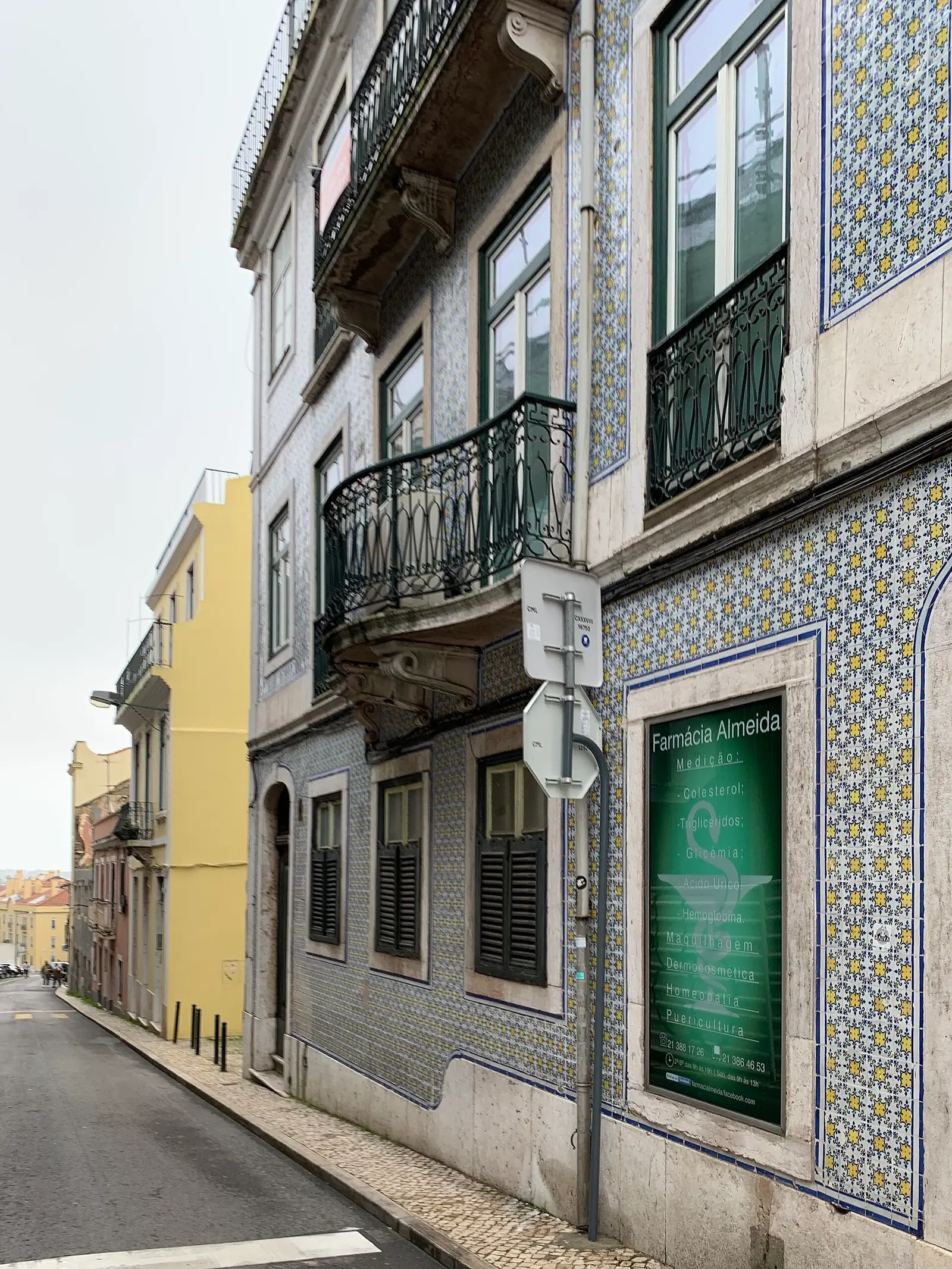
A Rua do Sol ao Rato, onde moraram Carolina Beatriz Ângelo e Januário Barreto, em dezembro de 2019. Sergei Gussev, CC BY 2.0 In 1909, Carolina Beatriz Ângelo lived on the first floor of No. 181 on this street, with her husband and cousin, the republican doctor Januário Barreto.7 Januário died in 1910, a few months short of seeing the Republic; his wake was held here, and a crowd followed the funeral procession to the Prazeres Cemetery.8
Widowed, with a daughter to support, Carolina became a “head of household” — the status that the electoral law of 1911 allowed her to invoke in order to claim the vote. She voted a year later, in Arroios: the first woman to vote in Portugal.9
To stop 3430 m · 5 min on footDirections
Stop 3: The vigil against the war
Calçada Bento da Rocha Cabral, 1-B, 1257-047 Lisboa
Today: Capela do Rato (Chapel of Nossa Senhora da Bonança)
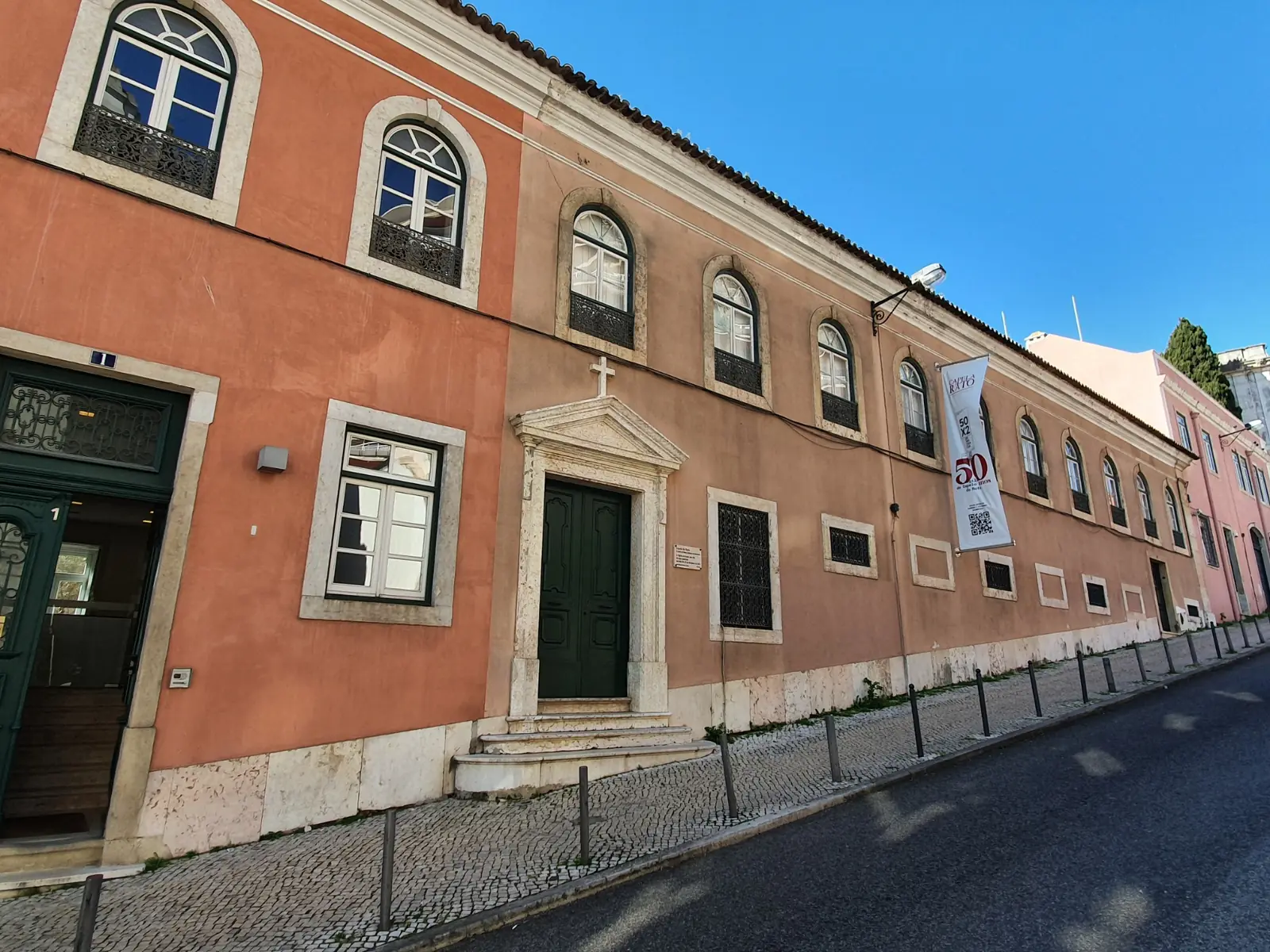
A Capela do Rato, na Calçada Bento da Rocha Cabral, em 2023. GualdimG, CC BY-SA 4.0 On 30 December 1972, at the end of the afternoon Mass, the educator Maria da Conceição Moita went to the microphone of this chapel and announced, on behalf of a group of Christians, a 48-hour vigil, with fasting, against the colonial war.2 The next day, some three hundred people approved a motion against the “criminal war” and the “complicity of the hierarchy of the Catholic Church”. Riot police surrounded the chapel and took dozens of people to the police station; fourteen ended up in Caxias.10
When the police came in, it was a librarian, Maria Benedita Galamba de Oliveira, who led the prayers. Months later, arrested by the DGS, Conceição Moita was slapped until she fainted and spent seven days and eight nights without being allowed to sleep.2
What you can see today
A plaque put up by Lisbon City Council by the chapel entrance in 2022, honouring the vigil (wording to be confirmed). Memorial by Cristina Ataíde in the nearby Jardim das Amoreiras (2024).
- 30 Dec 1972The Capela do Rato vigil against the colonial war
- 24 Nov 1973The DGS case against the anti-colonial group and the Revolutionary Brigades
To stop 4260 m · 5 min on footDirections
Stop 4: The Council the police shut down
Travessa da Fábrica das Sedas (Amoreiras), Lisboa – número por confirmar
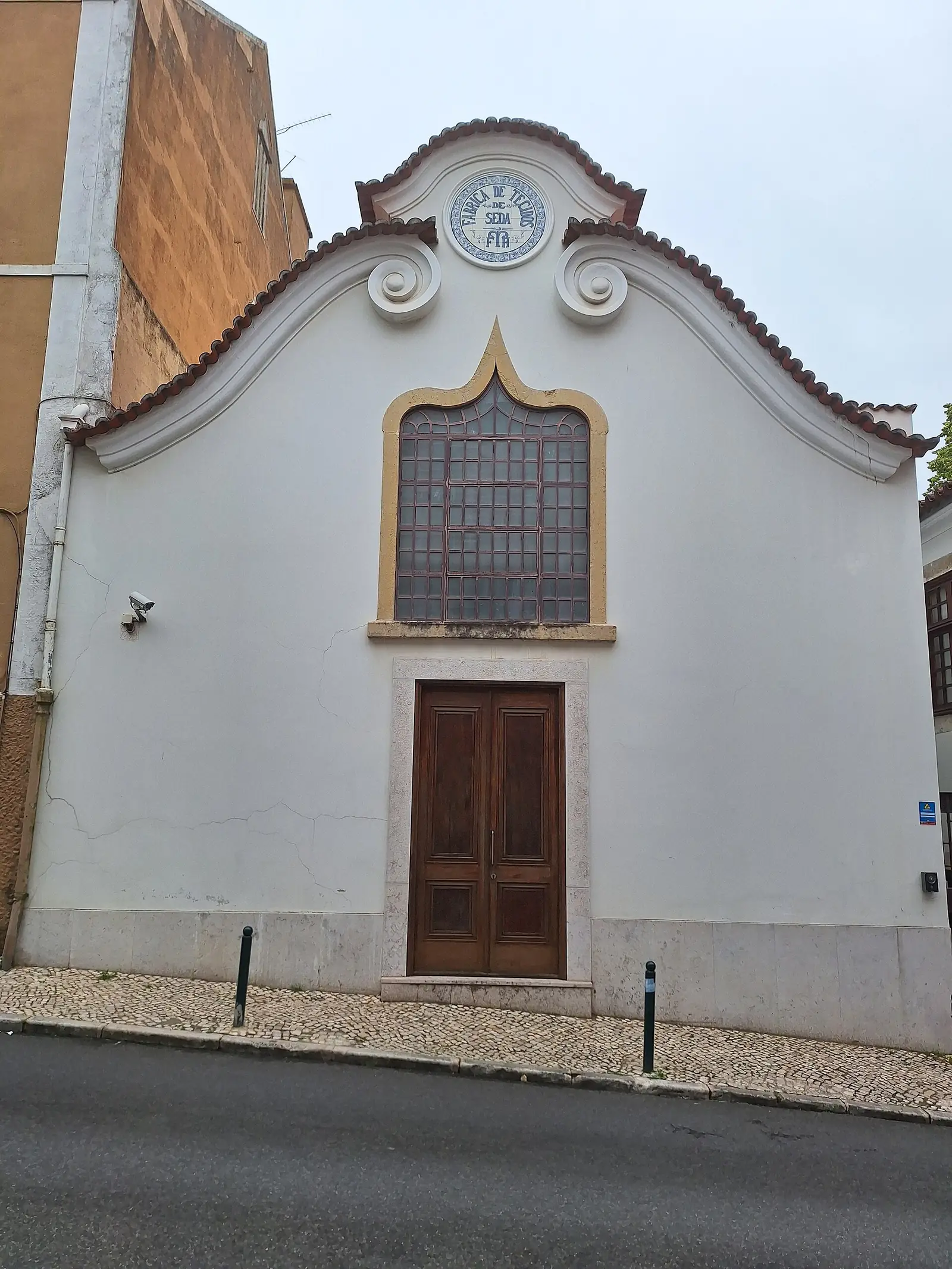
Nas Amoreiras, perto da Travessa da Fábrica das Sedas: o edifício da antiga Fábrica dos Tecidos de Seda, em 2024. JnpoJuwan, CC0 1.0 In 1946 the National Council of Portuguese Women moved its headquarters from Restauradores to this lane. Under the presidency of Maria Lamas it had grown and opened branches around the country; the move was, according to the researcher Rosa de Lurdes Correia, the opportunity the regime needed.1
On 28 June 1947 the police closed the headquarters “without prior notice”. Shortly before, Maria Lamas had been forced to choose between editing the magazine Modas e Bordados (Fashions and Embroidery) and the Council — and had chosen the Council.11 She responded by travelling the country to write As Mulheres do Meu País (The Women of My Country), published in instalments from 1948.12
- 28 Jun 1947The police close down the National Council of Portuguese Women
- May 1948Publication of Maria Lamas’s “As Mulheres do Meu País” (The Women of My Country)
To stop 5730 m · 10 min on footDirections
Stop 5: The radio station of the revolution
Rua Sampaio e Pina, 24, Lisboa
In the early hours of 25 April 1974, officers of the Armed Forces Movement (MFA) occupied the studios of Rádio Clube Português, on this street, without incident, and made it the Movement’s broadcaster.1314 At 04:26 the announcer Joaquim Furtado read the first communiqué, which asked the population to stay calm and doctors to go to the hospitals.14
At around 14:30, the communiqué announcing the siege of Marcelo Caetano in the Carmo was read by a woman, Clarisse Guerra.1415 Throughout the day the station played songs that had been banned, by José Afonso, Adriano Correia de Oliveira, José Jorge Letria, Luís Cília and José Mário Branco.1415
- 25 Apr 1974Ocupação do Rádio Clube Português
- 25 Apr 1974Rádio Clube Português lê o primeiro comunicado do MFA
- 25 Apr 1974Uma voz de mulher lê o comunicado do cerco ao Carmo
To stop 6570 m · 10 min on footDirections
Stop 6: 13 January 1975 — the bonfire that never was
Parque Eduardo VII, Lisboa
Today: Parque Eduardo VII
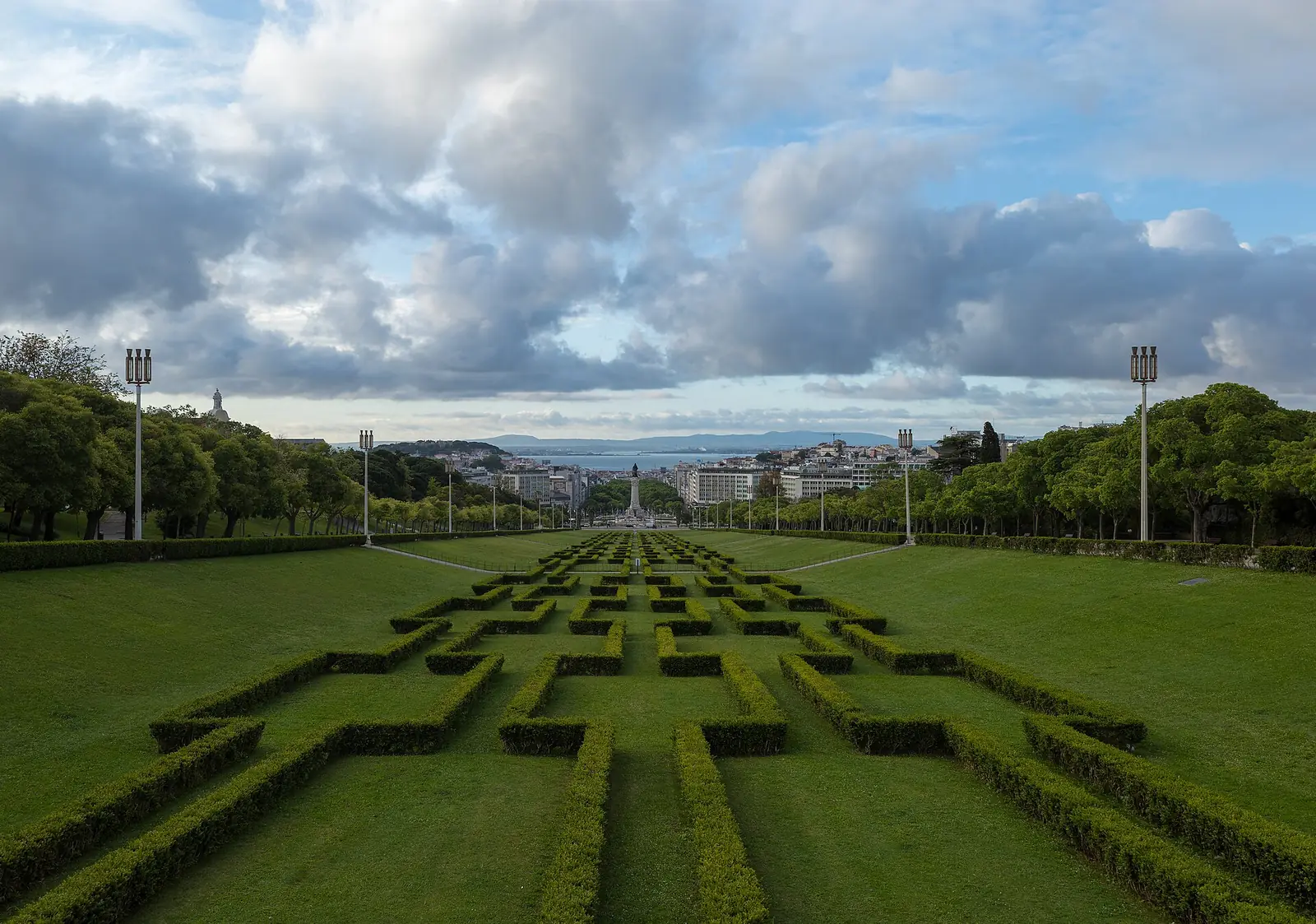
O Parque Eduardo VII vazio, numa manhã de abril de 2020, a descer até à Rotunda e ao Tejo. Jules Verne Times Two, CC BY-SA 4.0 Late in the afternoon, some fifteen activists from the Women’s Liberation Movement — some with their children — came to the park to burn symbols of women’s oppression: pots and pans, brooms, bridal wreaths, sexist toys, the civil and penal codes. Three of them played the bride, the housewife and the “vamp”.
The newspaper Expresso had announced the event in a mocking tone, and some two thousand men turned up, shouting “Out with them!” (fora com elas!). They surrounded some of the women and tried to overturn the van the children were in. The bonfire never happened — and the “bra burning” is a legend, denied by the participants and by the journalist Maria Antónia Palla, who stayed to the end.3
- 13 Jan 1975Manifestação feminista do MLM atacada no Parque Eduardo VII
- 23 Apr 1974Otelo entrega as «Instruções Finais» no Parque Eduardo VII
To stop 7710 m · 10 min on footDirections
Stop 7: The carnations of the Sir
Rua Braamcamp, esquina com a Rua Castilho, 1250-048 Lisboa
Today: Edifício Franjinhas
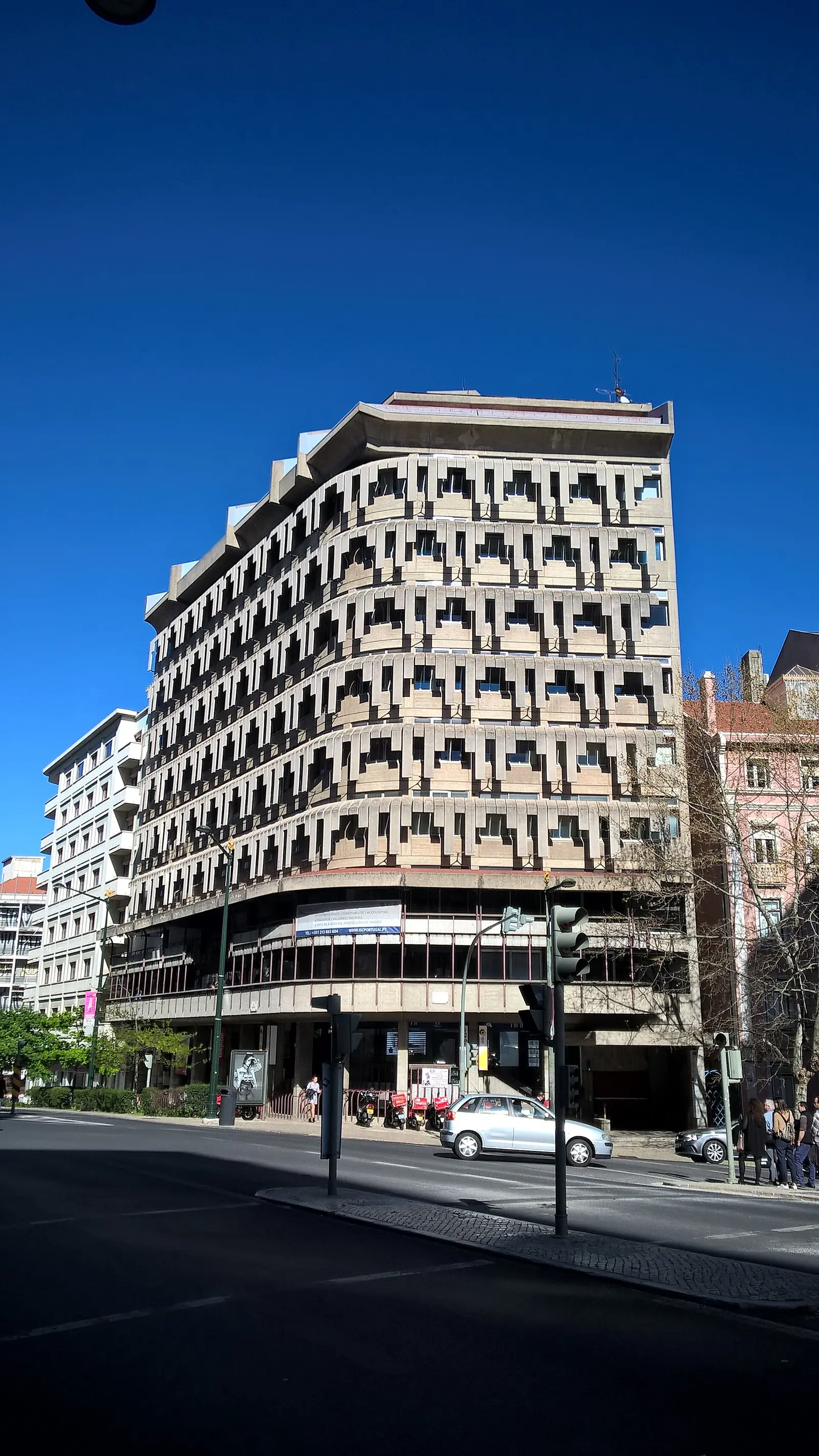
O Edifício Franjinhas, na esquina da Rua Braamcamp com a Rua Castilho, em 2019. GualdimG, CC BY-SA 4.0 This building housed the Sir, the restaurant where Celeste Caeiro worked. It turned one year old on 25 April 1974, and the owners had bought carnations to give to their women customers. That morning the boss announced that the restaurant would not open, “because there’s a revolution going on”, and the carnations were handed out to the women on the staff so that they would not wilt. Celeste took a bunch and caught the metro down to the Baixa.16
The rest of the story is in the route The first day.
The unveiling, at the end of Rua do Carmo, by the Rossio, of a plaque bearing the poem “Celeste em Flor” (Celeste in Bloom), by Rosa Guerreiro Dias, at the spot where Celeste Caeiro gave a carnation to a soldier who had asked her for a cigarette. The plaque marks the gesture 51 years on.
Original page Licença padrão do YouTube — embed permitido pelo canal oficial da Câmara Municipal de Lisboa
Câmara Municipal de Lisboa, on YouTube. The player only connects to that site when you press “Watch”.
To stop 8440 m · 5 min on footDirections
Stop 8: Three thousand books by women
Rua Barata Salgueiro, 36, 1250-044 Lisboa
Today: National Society of Fine Arts (Sociedade Nacional de Belas-Artes)
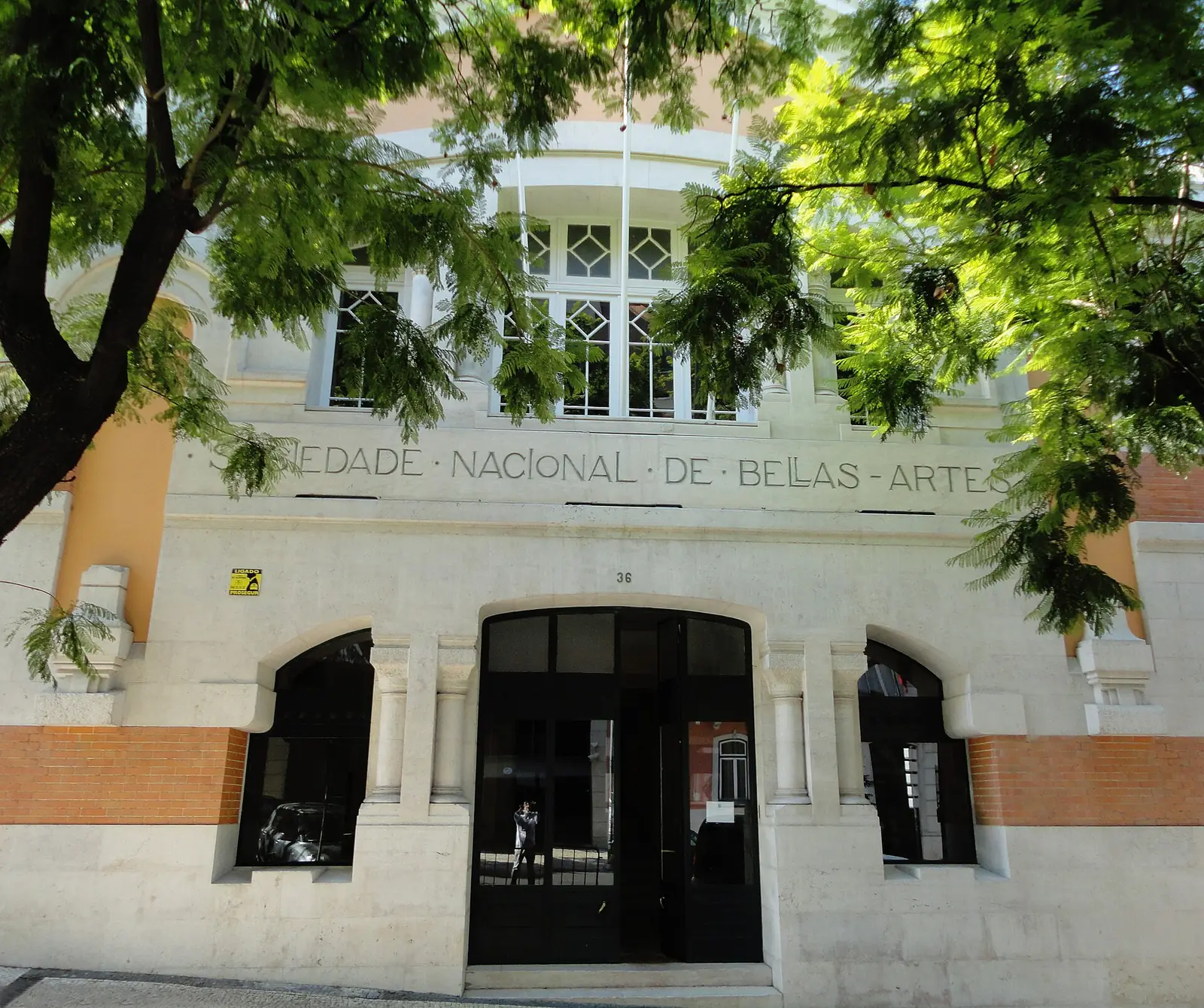
A entrada da Sociedade Nacional de Belas-Artes, na Rua Barata Salgueiro, em 2012. Manuelvbotelho, CC BY-SA 3.0 From 4 to 12 January 1947, the National Council of Portuguese Women held the “Exhibition of Books Written by Women” (Exposição de Livros Escritos por Mulheres) here: three thousand books by four hundred women authors from thirty countries, and photographs of women who had stood out as intellectuals and as members of the resistance to Nazism and fascism.17 The actress Manuela Porto spoke about Virginia Woolf and “the problem of women of letters”.11
It was a success. The Catholic press saw the Council as “a mortal danger to Woman and Morality”18 — and, for the researcher Teresa Joaquim, it was this exhibition that led the regime to close it down six months later.12


.jpg)


Notes on the sources2
- Carolina Beatriz Ângelo’s house: the present-day numbering of Rua do Sol ao Rato does not reach 181, and the stop is approximate.
- The street number of the last headquarters of the National Council of Portuguese Women, on Travessa da Fábrica das Sedas.
Do you know more, or do you have a document? Tell us.
Sources
- 1Ser mulher em Lisboa: a associação que agitou o regime no século XX (Ana Sofia Paiva, 8/3/2019). FCSH+Lisboa – NOVA FCSH — consulted on 2 October 2026
- 2«A paz é possível»: algumas notas sobre o caso da Capela do Rato (António de Araújo). Lusitania Sacra, 2.ª série, 16 (2004), pp. 431-463 – Universidade Católica Portuguesa — consulted on 2 October 2026
- 3A manifestação feminista que não chegou a acontecer, 45 anos depois (Rafaela Cortez, 26/4/2020). Comunidade Cultura e Arte — consulted on 2 October 2026
- 4Cooperativa «A Padaria do Povo». Junta de Freguesia de Campo de Ourique — consulted on 2 October 2026
- 5Padaria do Povo, a cooperativa onde há sempre alguém que diz «não» (Catarina Pires, 2/7/2026). Mensagem de Lisboa — consulted on 2 October 2026
- 6A nossa história – MDM 1968-2023. MDM – Movimento Democrático de Mulheres — consulted on 2 October 2026
- 7A rua lisboeta da primeira mulher que votou em Portugal. Toponímia de Lisboa (Câmara Municipal de Lisboa) — consulted on 2 October 2026
- 8Carolina: por entre os itinerários da memória e da ciência (Gaudium Sciendi, n.º 2, julho de 2012). Isabel Lousada / Universidade Católica Portuguesa — consulted on 2 October 2026
- 9Carolina Beatriz Ângelo. Assembleia da República — consulted on 2 October 2026
- 10Caso da Capela do Rato. Museu do Aljube Resistência e Liberdade (EGEAC) — consulted on 2 October 2026
- 11Mulheres pela Igualdade (biografias). CIG – Comissão para a Cidadania e a Igualdade de Género — consulted on 2 October 2026
- 12Maria Lamas e As Mulheres do Meu País ou a deslocalização de uma intelectual (Teresa Joaquim, CEMRI). Repositório Aberto da Universidade Aberta — consulted on 2 October 2026
- 13Rádio Clube Português (Lugares de Abril). Associação 25 de Abril — consulted on 2 October 2026
- 14Movimentações do dia 25 de Abril. Associação 25 de Abril — consulted on 2 October 2026
- 15Operação Viragem Histórica. Comissão Comemorativa 50 Anos 25 de Abril — consulted on 2 October 2026
- 16Onde eu estava há 50 anos por... Celeste Caeiro. Diário de Notícias — consulted on 2 October 2026
- 17Maria Lamas, a ativista pelos direitos das mulheres (Virgínia Baptista, IHC – NOVA FCSH). RUN – Repositório da Universidade Nova de Lisboa — consulted on 2 October 2026
- 18Conselho Nacional das Mulheres Portuguesas. Wikipédia (pt) — consulted on 2 October 2026
- 19Inauguradas as últimas placas do Projeto «Lugares de Abril». Olhares de Lisboa, 2024 — consulted on 3 October 2026
Other walks

Revolution · on foot
The first day
25 April 1974 hour by hour, from the Terreiro do Paço to the Carmo and the door of the political police
- Distance
- 2.4 km
- Duration
- 1 h 30 min
- Stops
- 7 stops
- Difficulty
- Moderate

Women · on foot
Graça, the women’s hill
Seamstresses on strike, a republican propagandist, a women’s prison, a bar and a poet — Graça as they tell it
- Distance
- 1.7 km
- Duration
- 1 h 15 min
- Stops
- 6 stops
- Difficulty
- Demanding

Repression · on foot
The Estado Novo, explained
How a dictatorship lasted 48 years: the leader, the façade, the single party, the family, work and propaganda — from São Bento to Restauradores
- Distance
- 4.6 km
- Duration
- 2 h 20 min
- Stops
- 9 stops
- Difficulty
- Moderate