Culture and censorshipsinger and composerteacherauthor of “Grândola, Vila Morena”political prisoner (1973)
Born
2 August 1929, Aveiro
Died
23 February 1987, Setúbal
A protest singer, persecuted by the censors and imprisoned by the PIDE/DGS in 1973. His “Grândola, Vila Morena” (Grândola, swarthy town), sung in chorus at the Coliseu in March 1974, was a month later the second signal of 25 April.
He was born in Aveiro on 2 August 1929 and studied in Coimbra, where he made his name as a singer of the Coimbra song (canção coimbrã).2 He became a reference point in Portuguese music in the time of the resistance to the Estado Novo (“New State”).10 He was a teacher and, when he came back from Mozambique in 1967, he was expelled from state teaching; from then on he became a symbol of the democratic resistance.2 His name was banned in the newspapers, which, to get round the censors, wrote it backwards: “Esoj Osnofa”.3
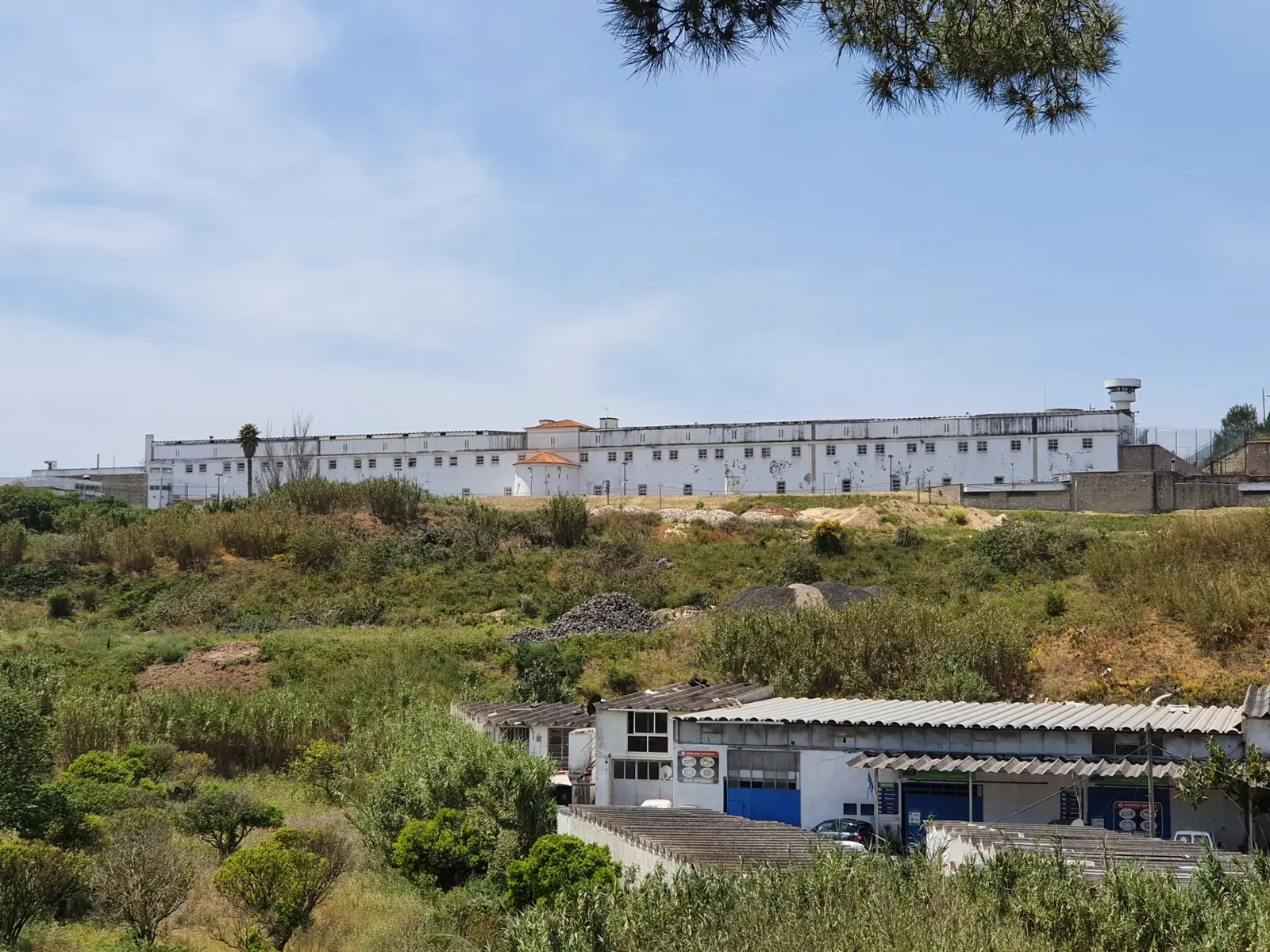
In April 1973, in the wave of repression that followed the Congress of the Democratic Opposition, he was arrested by the PIDE/DGS.6 He was held in Caxias Fort until May.2
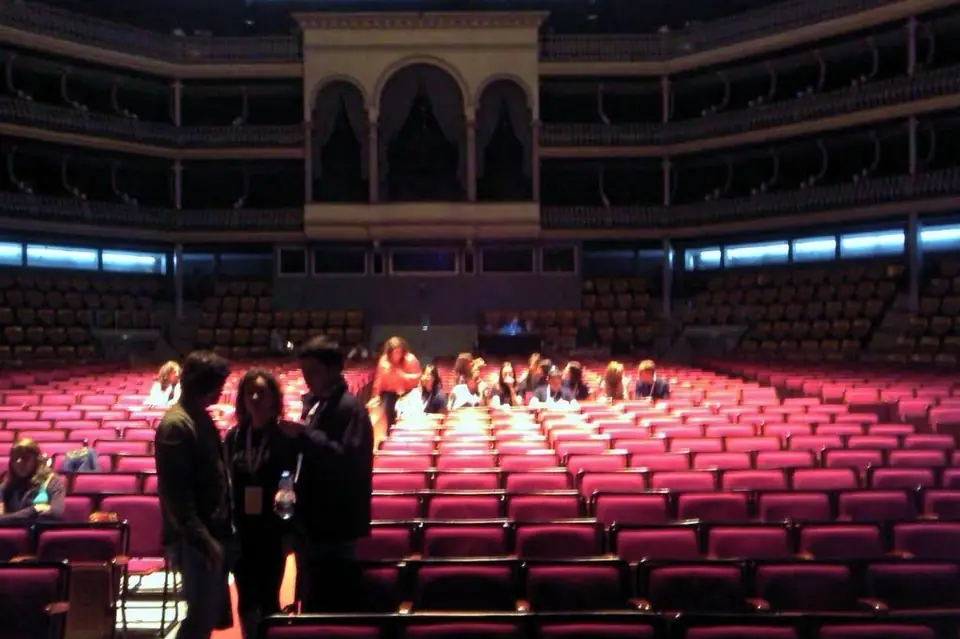
“Grândola, Vila Morena” (Grândola, swarthy town) was born of a performance at the Sociedade Musical Fraternidade Operária Grandolense (Grândola Workers’ Fraternity Musical Society), in 1964, and came out on the record Cantigas do Maio (Songs of May), in 1971.3 At the 1st Portuguese Song Meeting (I Encontro da Canção Portuguesa), at the Coliseu dos Recreios, in March 1974, José Afonso sang it and the audience that filled the hall joined in, in chorus.17
As the signal for the uprising, the MFA wanted to use “Venham Mais Cinco” (Let five more come), but the song was banned by Rádio Renascença’s internal censorship, and “Grândola” was chosen.8 At 00:20 on 25 April it was played on the programme Limite, on Rádio Renascença: it was the second signal, the one that confirmed the start of the operations.9
During the revolutionary process he drew close to the LUAR, without joining it, and travelled the country singing.10 In 1983, already ill, he gave his last concerts, at the Coliseus of Lisbon and Porto. He died in Setúbal on 23 February 1987.2
From the archives
The Casa da Achada choir and passers-by sing “Grândola, Vila Morena” (Grândola, swarthy town) in the street, in Lisbon, on 25 April 2023. Almost half a century after it served as the signal for the revolution, José Afonso’s song is still sung in chorus every 25 April.
Original page CC BY-SA 4.0 — Contaminadas (obra própria, Wikimedia Commons)
Wikimedia Commons, on Wikimedia Commons. The player only connects to that site when you press “Watch”.
In other archives
These can only be viewed on each archive’s own website.
A journalist on República and one of the authors of “Limite”, he made sure that “Grândola, Vila Morena” was played on Rádio Renascença as the MFA’s signal, getting round both the station’s own censorship and the official one.
An announcer on “Limite”, he recorded, without knowing what it was for, the reading of the first verse of “Grândola, Vila Morena” that opened the MFA’s signal on Rádio Renascença at 00:20 on 25 April 1974.
A visual artist expelled from the School of Fine Arts in 1952, she lived underground with José Dias Coelho, in a house where the PCP forged documents. She only learnt that the PIDE had killed him on the day of his burial, which she could not attend.
A sculptor and painter who gave up his artistic career for underground life in the PCP. PIDE agents shot him dead in a street in Alcântara on 19 December 1961, aged 38.
A chemical engineer and underground PCP activist, she was in charge of the Eastern Zone of the Lisbon Local Committee, “the most important working-class zone of the capital”. Arrested by the PIDE in 1957, she was, in Caxias, one of the authors of the letters of the Caxias Manifesto.
A communist activist arrested in 1961 with her two small children, whom she kept with her in Caxias. She spent six years and seven months in prison and took her own life in 1970, her nervous system weakened by the years in jail.
Notes on the sources3
The date of the 1st Portuguese Song Meeting: 29 March 1974 (Carlos Gil’s photograph at the Casa Comum; Wikipedia) or 28 March (the 25 April Association’s chronology).
The time at which “Grândola” was played on Rádio Renascença: 00:20 (Commemorative Commission for the 50th Anniversary of 25 April) or 00:25 (RTP Ensina).
When he left Caxias: Wikipedia says he was held between April and May 1973; the 25 April Association records only the arrest, in April.
Do you know more, or do you have a document? Tell us.