Oppositionactresswriter and translatortheatre critic and reciter of poetryvice-president of the National Council of Portuguese Women (1946)
Born
24 April 1908, Lisbon
Died
7 July 1950, Lisbon
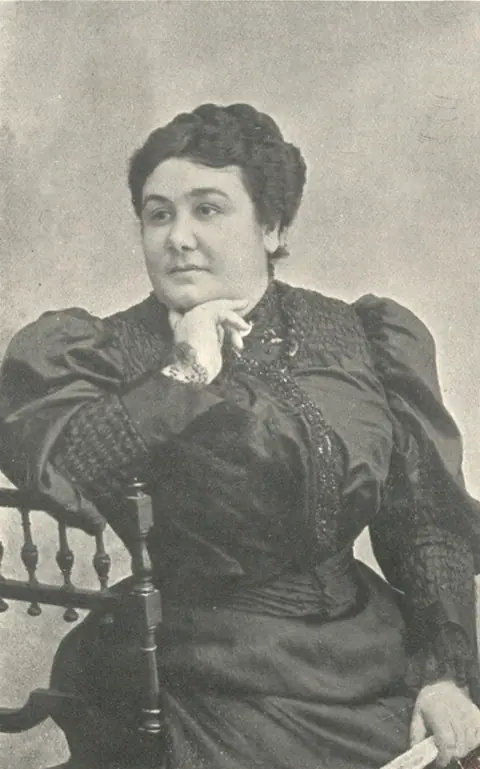
An actress, translator and reciter of poetry, she was vice-president of the National Council of Portuguese Women and, in 1947, spoke about Virginia Woolf at the Exhibition of Books Written by Women. Troubled by the exhibition, the regime closed the Council down that same year.
She was born in Lisbon on 24 April 1908.2 She was an actress with the Rey Colaço – Robles Monteiro company and studied at the National Theatre Conservatory; she was also a theatre critic, a reciter of poetry and a translator, and brought into Portuguese women writers such as Louisa May Alcott, Anne Brontë, Elizabeth Gaskell and Virginia Woolf.1 In 1931 she married the painter Roberto Araújo Pereira at the Lisbon civil registry, under a regime of “total, complete and absolute separation of property” — a pioneering procedure at the time.1
In the 1930s she embraced feminist activism and joined, one after another, the organisations that opposed the Estado Novo (“New State”): the National Council of Portuguese Women (CNMP), the Portuguese Women’s Association for Peace, the Movement of National Anti-Fascist Unity, the Movement of Democratic Unity, the Committee of Democratic Writers, Journalists and Artists, the Portuguese PEN Club and the Central and Women’s Committee of the National Democratic Movement.1
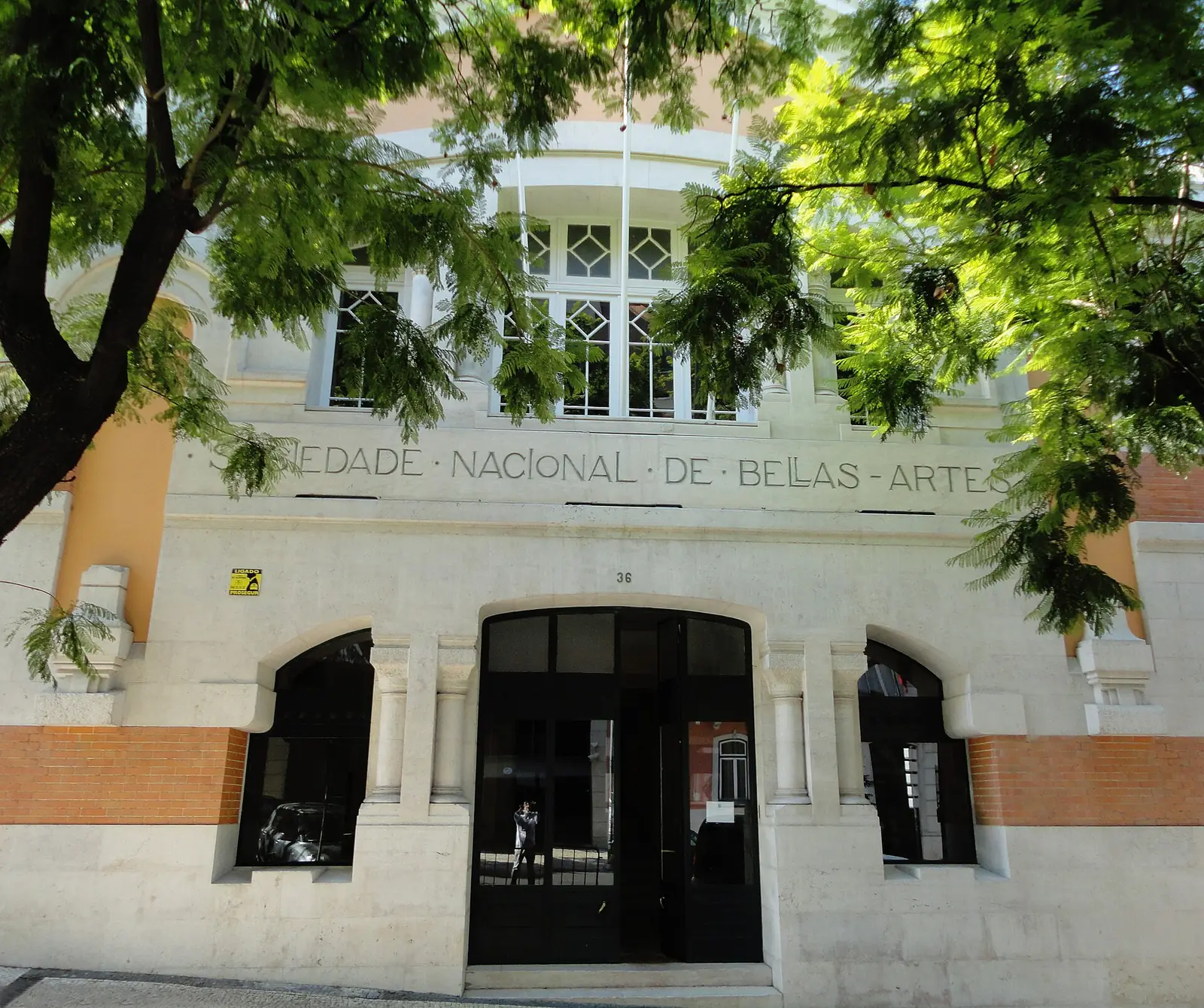
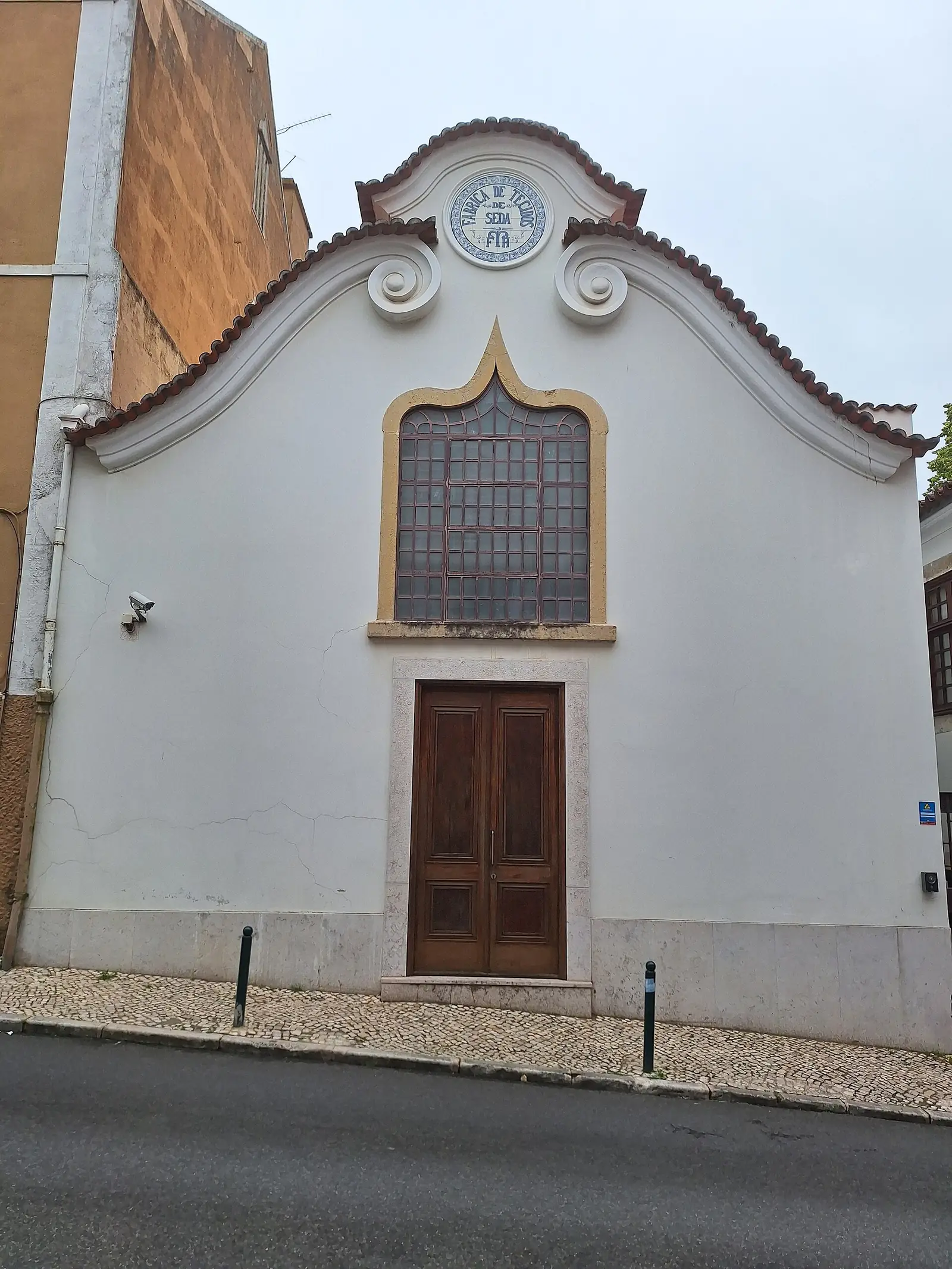
In 1946 she was appointed vice-president of the CNMP. In January 1947, at the Exhibition of Books Written by Women that the Council organised at the National Society of Fine Arts, she gave the talk “Virginia Woolf: o problema das mulheres das letras” (Virginia Woolf: the problem of women of letters).12 The regime disliked the scale of the exhibition and outlawed the Council.1 On 28 June 1947 the police closed, “without prior notice”, its headquarters in Amoreiras, putting an end to 33 years of the association.3 She died in Lisbon on 7 July 1950, aged 42.2
A journalist and writer, she edited “Modas e Bordados” (Fashions and Embroidery), chaired the National Council of Portuguese Women until the regime closed it down in 1947, and responded with “As Mulheres do Meu País” (The Women of My Country). She was arrested several times and lived in exile in Paris.
A teacher and feminist, the first woman on the Central Committee of the MUD, whom José Gomes Ferreira called “the Indomitable” (a Indomável). The regime closed her school, barred her from teaching and arrested her several times.
A jurist and feminist, a leader of the National Council of Portuguese Women until the Estado Novo (“New State”) closed it down in 1947. A forerunner of “legal feminism”, she championed votes for women, co-education and the rights of working women, and was part of the democratic opposition.
An underground communist activist, she was arrested in 1959 and sentenced to eight years of major imprisonment plus security measures, which she served in Caxias. A deputy from the Constituent Assembly onwards, she chaired the Parliamentary Committee on the Status of Women from 1983 to 1985.
One of the first members of the Portuguese Women’s Association for Peace, she helped Jewish refugees during the war. Arrested and tortured by the PIDE in 1962, she went into exile in Algeria and was, in Algiers, the first female voice of Rádio Voz da Liberdade (Voice of Freedom Radio).
A republican doctor who only began studying after she married, she founded the National Council of Portuguese Women in 1914, chaired it for more than twenty years and made her practice in Restauradores its headquarters.
Notes on the sources2
The day of the talk on Virginia Woolf: the exhibition was open from 4 to 12 January 1947, and the sources do not say on which day she spoke.
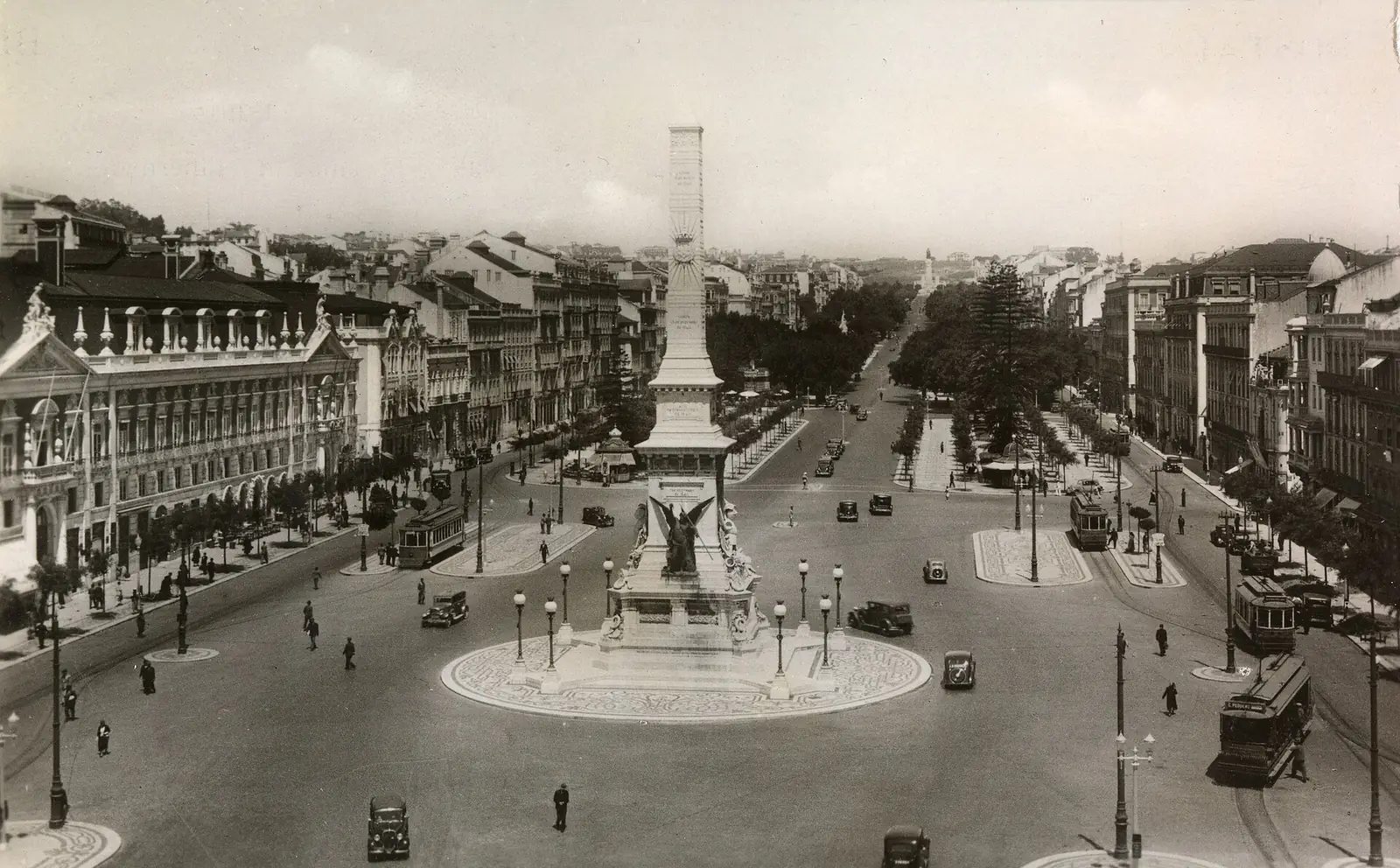
At which headquarters she worked as vice-president of the CNMP: on Praça dos Restauradores or already on Travessa da Fábrica das Sedas, in Amoreiras, where the Council moved in 1946.
Do you know more, or do you have a document? Tell us.