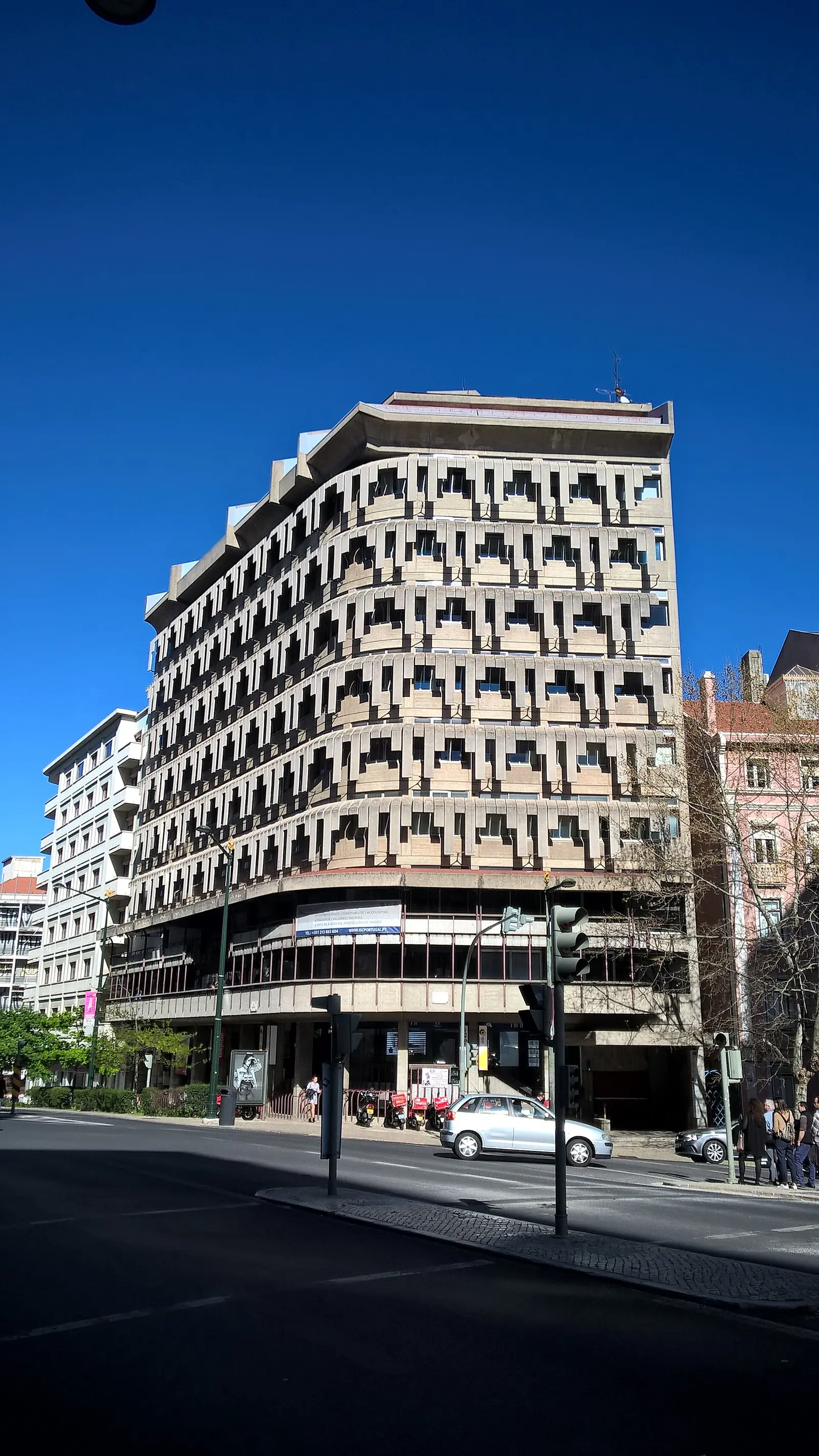
Avenidas Novas (segundo o OSM, para o centro do parque)
Parque Eduardo VII
Here, on 13 January 1975, the Women’s Liberation Movement set out to burn the symbols of women’s oppression. Some two thousand shouting men broke up the demonstration. The bonfire never happened — and the “bra burning” is a legend.
Today: Parque Eduardo VIIApproximate locationOn one walk
On Monday 13 January 1975, late in the afternoon, some fifteen activists — some with their children — came to the park to burn objects that symbolised women’s oppression: pots and pans, brooms and dusters, bridal wreaths, sexist toys, pornographic magazines, the Carta de Guia de Casados (A Guide for the Married) by D. Francisco Manuel de Melo, and the civil and penal codes. Three of them played the bride, the housewife and the “vamp”, the female stereotypes of the Estado Novo (“New State”).2
Two days earlier, the newspaper Expresso had announced the event in a mocking tone, as the “striptease” of a bride, a housewife and a vamp. Some two thousand men turned up, with placards such as “Out with them!” (fora com elas!). The activist Isabel Telinhos said that they surrounded her shouting “Let’s strip her!” and tried to overturn the van the children were in. The bonfire never happened; many of the women took refuge in Madalena Barbosa’s flat nearby. The journalist Maria Antónia Palla, who stayed to the end, and the participants deny the legend of the bra burning. The next day, Lourdes Féria wrote in the Diário de Lisboa that the spectacle the men had put on proved that feminist movements had good reason to exist.2
The park had already entered history a year and a half earlier: on 23 April 1974, from 18:00, Otelo Saraiva de Carvalho handed the units’ liaison officers the final instructions for the coup here, tucked inside copies of the newspaper A Época.4
In the early hours of 25 April 1974, MFA officers occupied these studios and made Rádio Clube Português the voice of the Movement: at 04:26, Joaquim Furtado read the first communiqué here. In the afternoon, it was a woman, Clarisse Guerra, who read another.
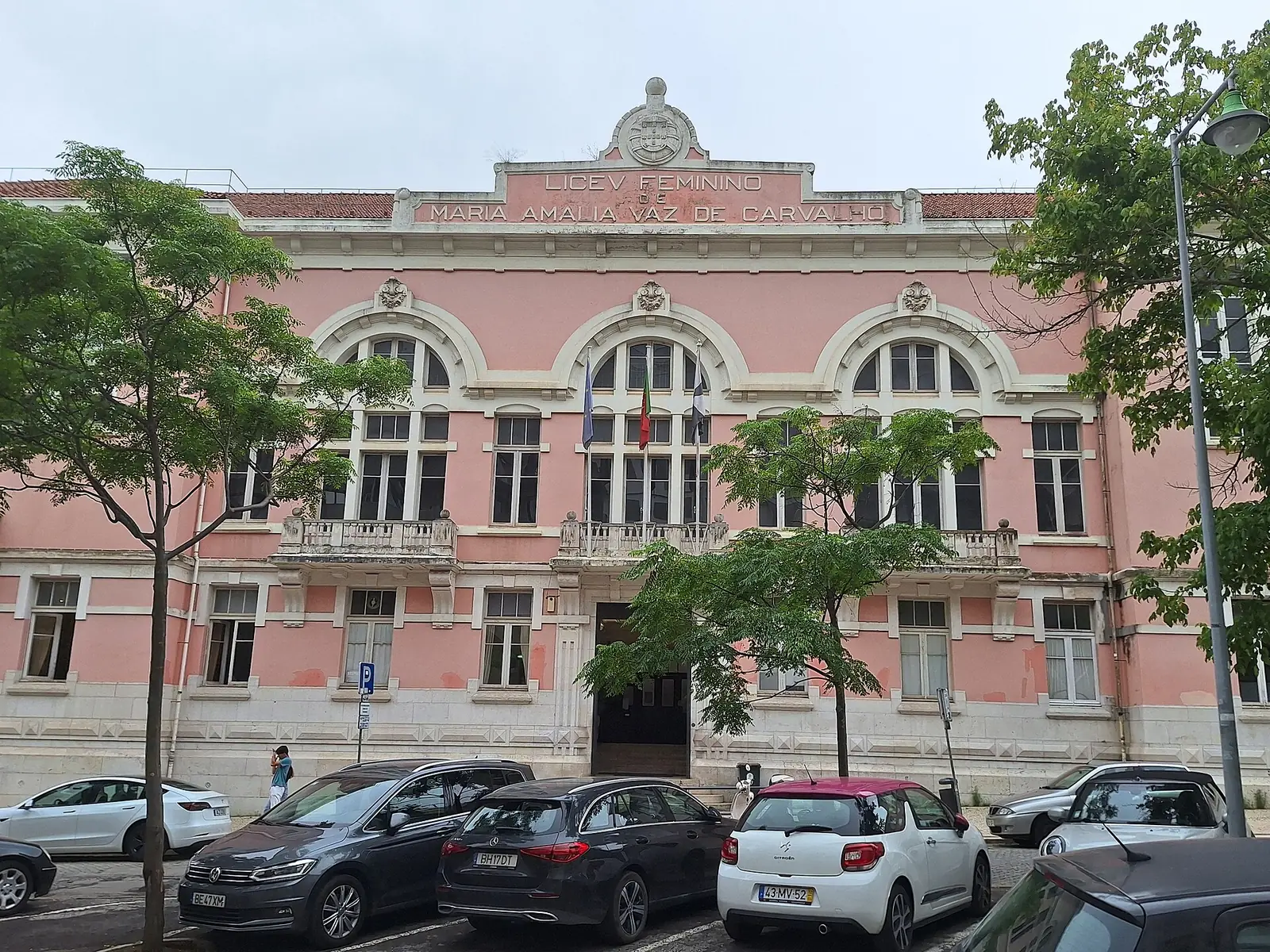
Today: Maria Amália Vaz de Carvalho Secondary School
The country’s first girls’ secondary school (liceu), created in 1906 as the Liceu Maria Pia, and from 1933 the first to be housed in a building purpose-built for girls. Domitila de Carvalho and Maria Guardiola, two of the first three Portuguese women deputies, were headmistresses here.
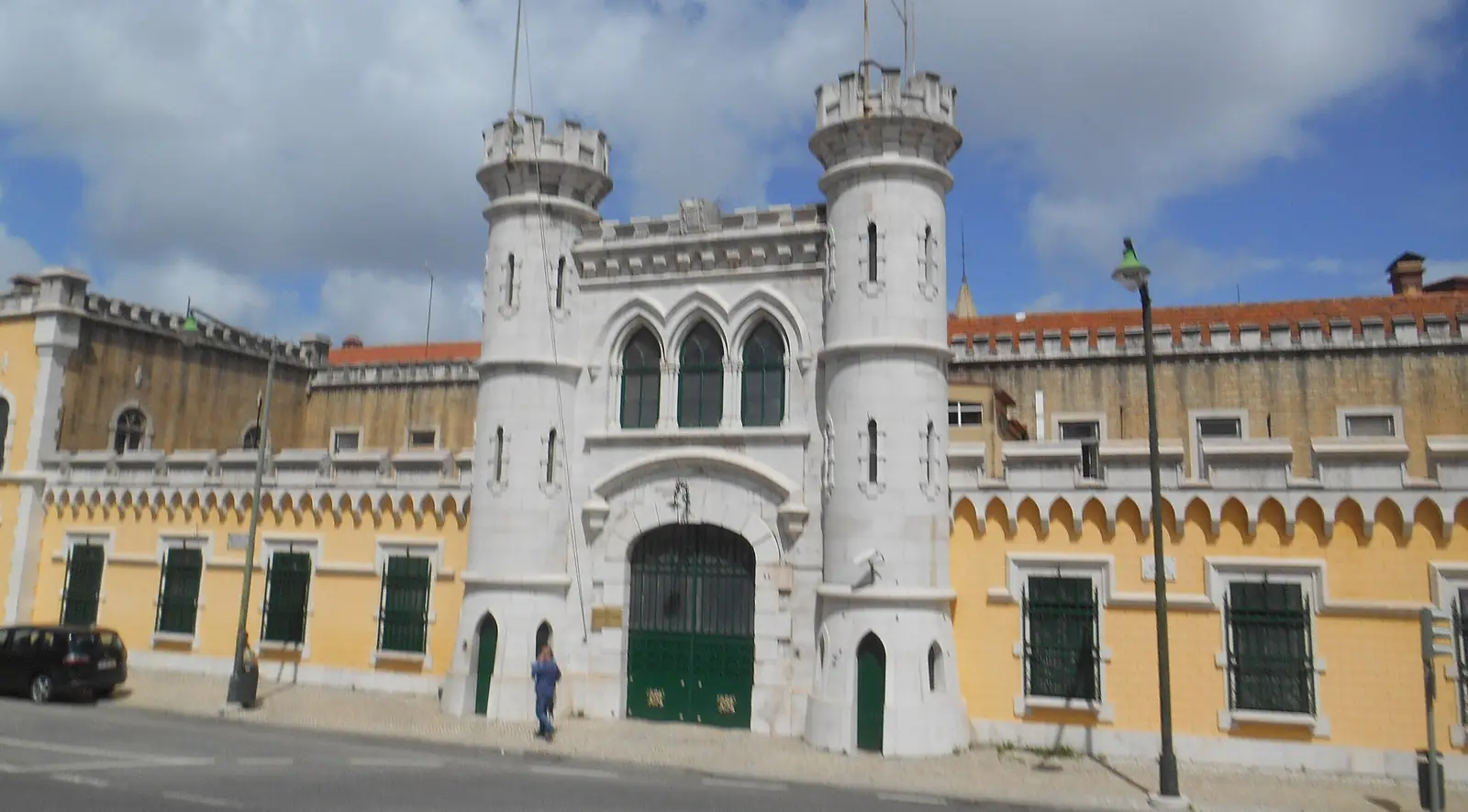
A prison for common crimes that the political police used for political prisoners, above all in prolonged isolation. The sailors of the 1936 revolt left from here for Tarrafal, and the communist leader Militão Ribeiro died here, on hunger strike, in 1950.
This was the home of the Sir, the restaurant where Celeste Caeiro worked. It turned one year old on 25 April 1974: it did not open, and the carnations bought for the celebration were given to the women on the staff — the carnations that Celeste took down to the Baixa.
RevolutionWomenLabour
Notes on the sources2
The exact spot in the park, both of the 1975 demonstration and of the handing-over of the instructions in 1974; the coordinate is the centre of the park.
The number of men who broke up the demonstration (some two thousand is the estimate in the report).
Do you know more, or do you have a document? Tell us.