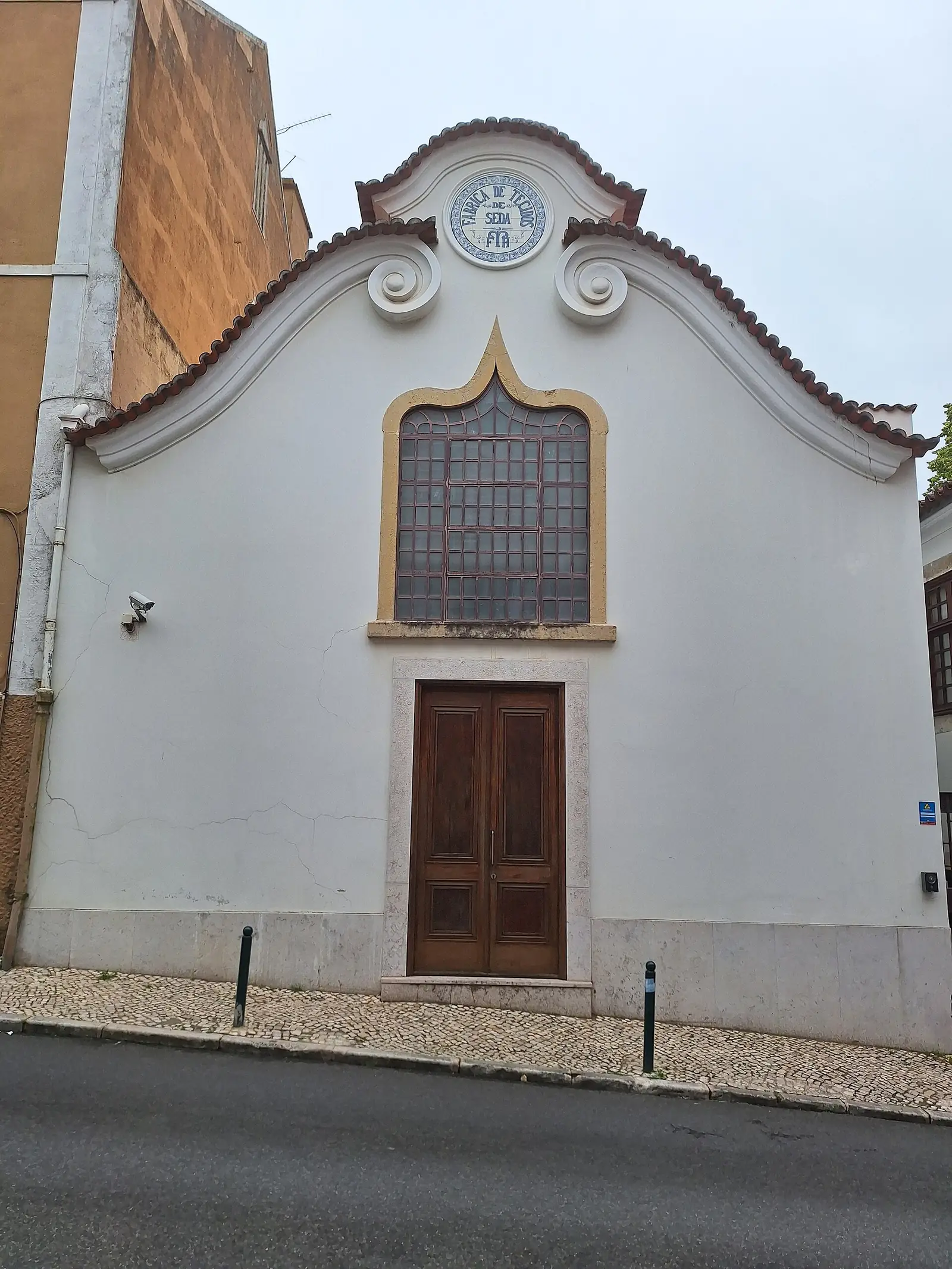
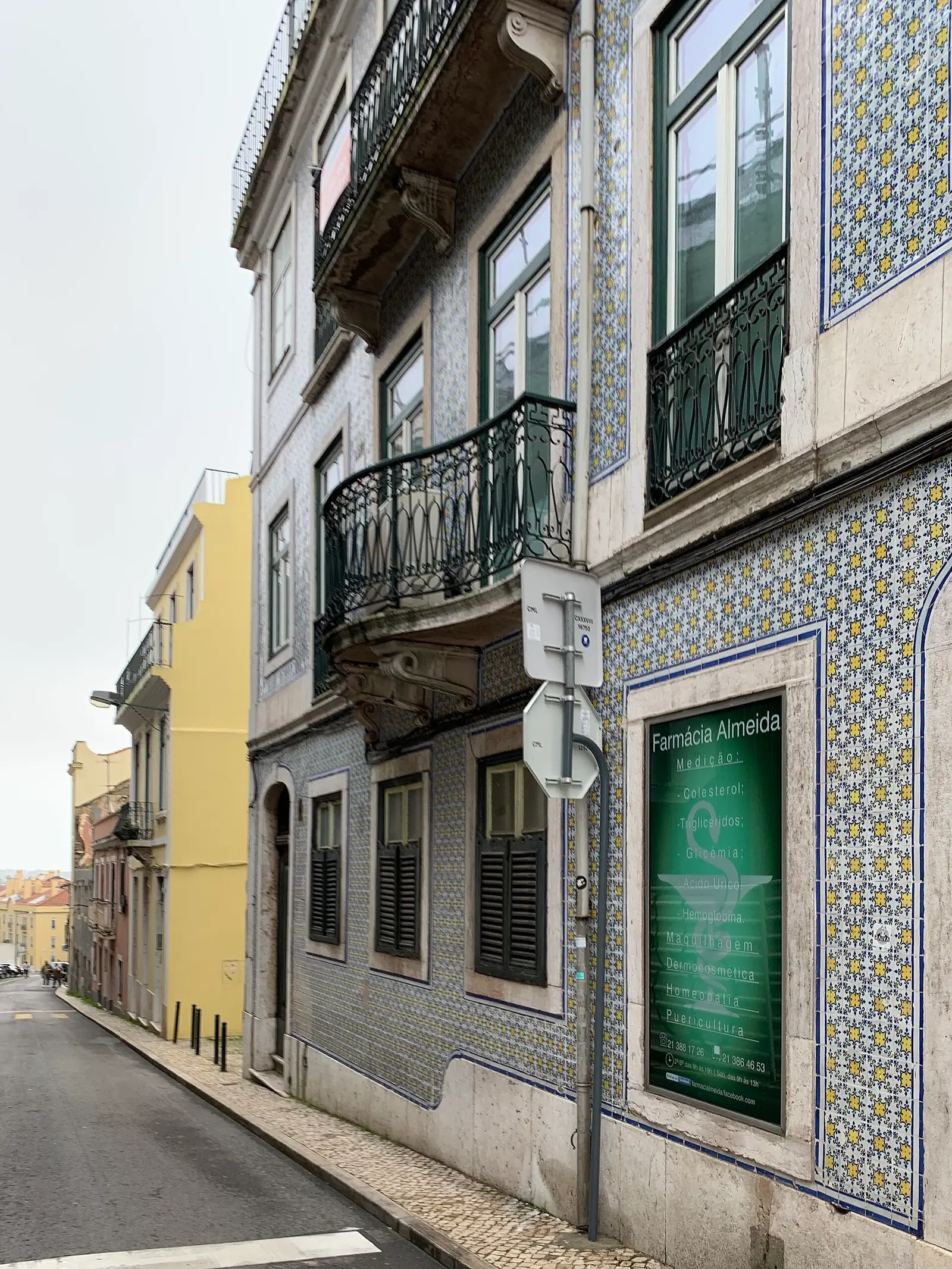
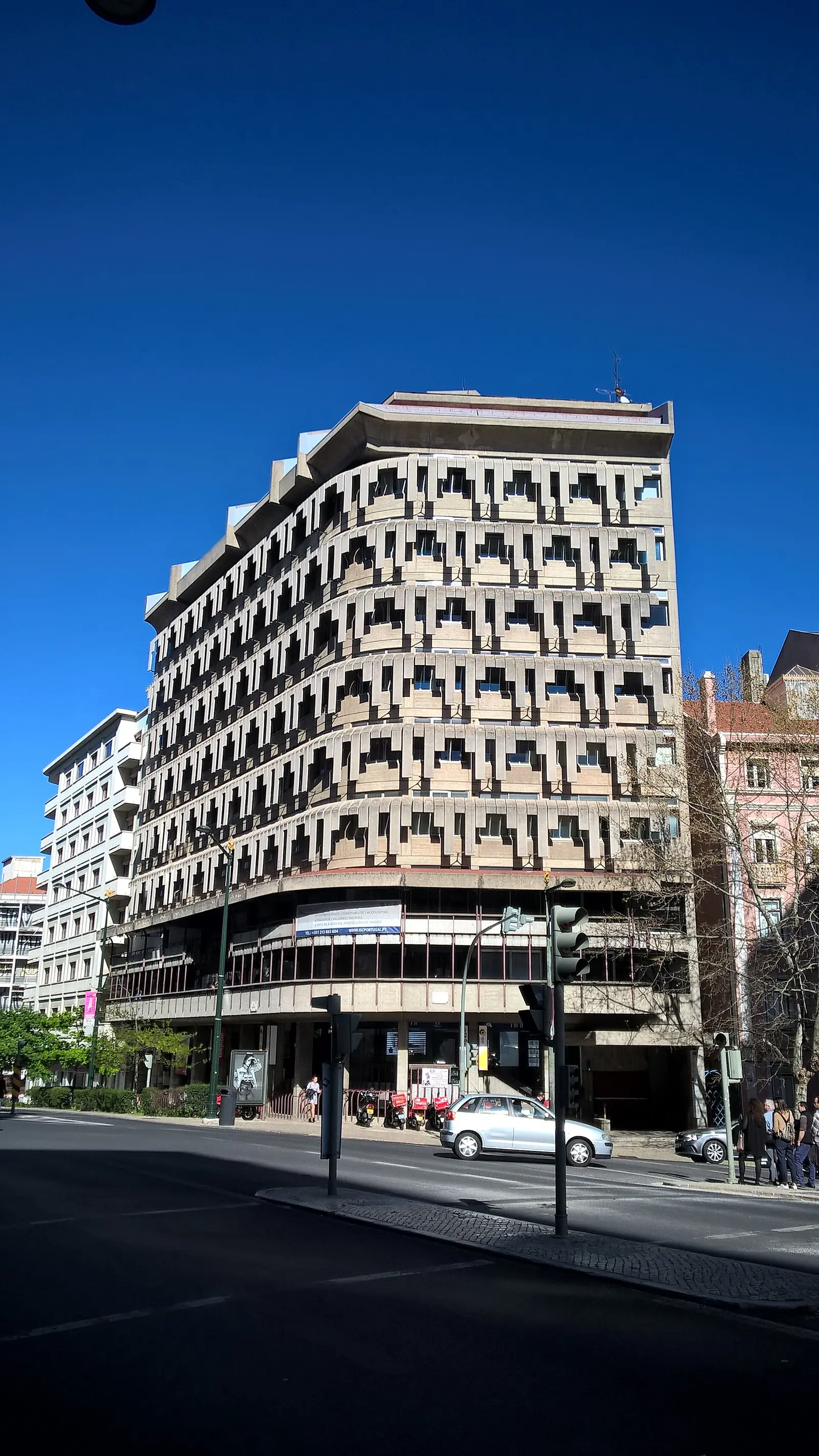
A Capela do Rato, na Calçada Bento da Rocha Cabral, em 2023.GualdimG, CC BY-SA 4.0
Santo António
Capela do Rato
Over the turn of 1972 into 1973, Catholics opposed to the colonial war held a 48-hour vigil here. It was a woman, Maria da Conceição Moita, who announced it at the microphone; the riot police broke it up and took dozens of people away.
Today: Capela do Rato (Chapel of Nossa Senhora da Bonança)There is a marker at the siteOn one walk
On 30 December 1972, at the end of the 19:30 Mass, six people approached the altar of this chapel. A woman, the educator Maria da Conceição Moita, went to the microphone and announced, on behalf of a group of Christians, a 48-hour vigil, fasting, against the colonial war.1 The vigil had been prepared by Catholics linked to the Boletim Anti-Colonial (Anti-Colonial Bulletin) — she herself, Isabel Pimentel, Luís Moita, Nuno Teotónio Pereira — and by students.2
On the 31st, some three hundred people approved a motion that rejected the Government’s policy of “pursuing a criminal war” and denounced the “complicity of the hierarchy of the Catholic Church”. In the late afternoon, the chapel was surrounded by riot police with dogs; at around 20:45 those inside were given ten minutes to leave. They sang, and some resisted by staying seated. Dozens of people were taken to the police station; fourteen were sent on to the Civil Government building and, before dawn, to Caxias.32
Among the women at the vigil, the historian António de Araújo names, besides Conceição Moita, Isabel Pimentel and the librarian Maria Benedita Galamba de Oliveira, who led the prayers when the police came in. Of the eleven civil servants who appealed against the dismissal decided by the Council of Ministers, seven were women.1
The repression did not end there. In a DGS case opened at Caxias in November 1973, Conceição Moita was slapped until she fainted and subjected several times to sleep torture — the first time for seven days and eight nights, with fourteen hours of “estátua” (statue).1
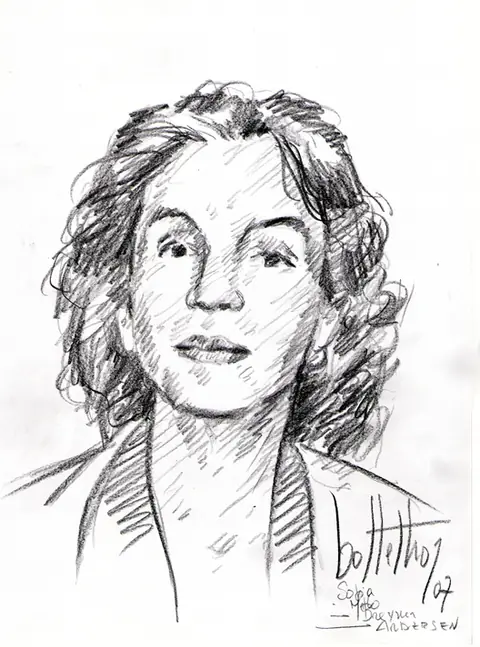
Sophia de Mello Breyner Andresen signed the petitions in solidarity with the vigil; her presence in the chapel is not confirmed by the testimonies.4 According to Wikipedia, the Capela do Rato community received the Order of Liberty in 2022, and in 2024 a memorial to the vigil, by the artist Cristina Ataíde, was unveiled in the Jardim das Amoreiras.5
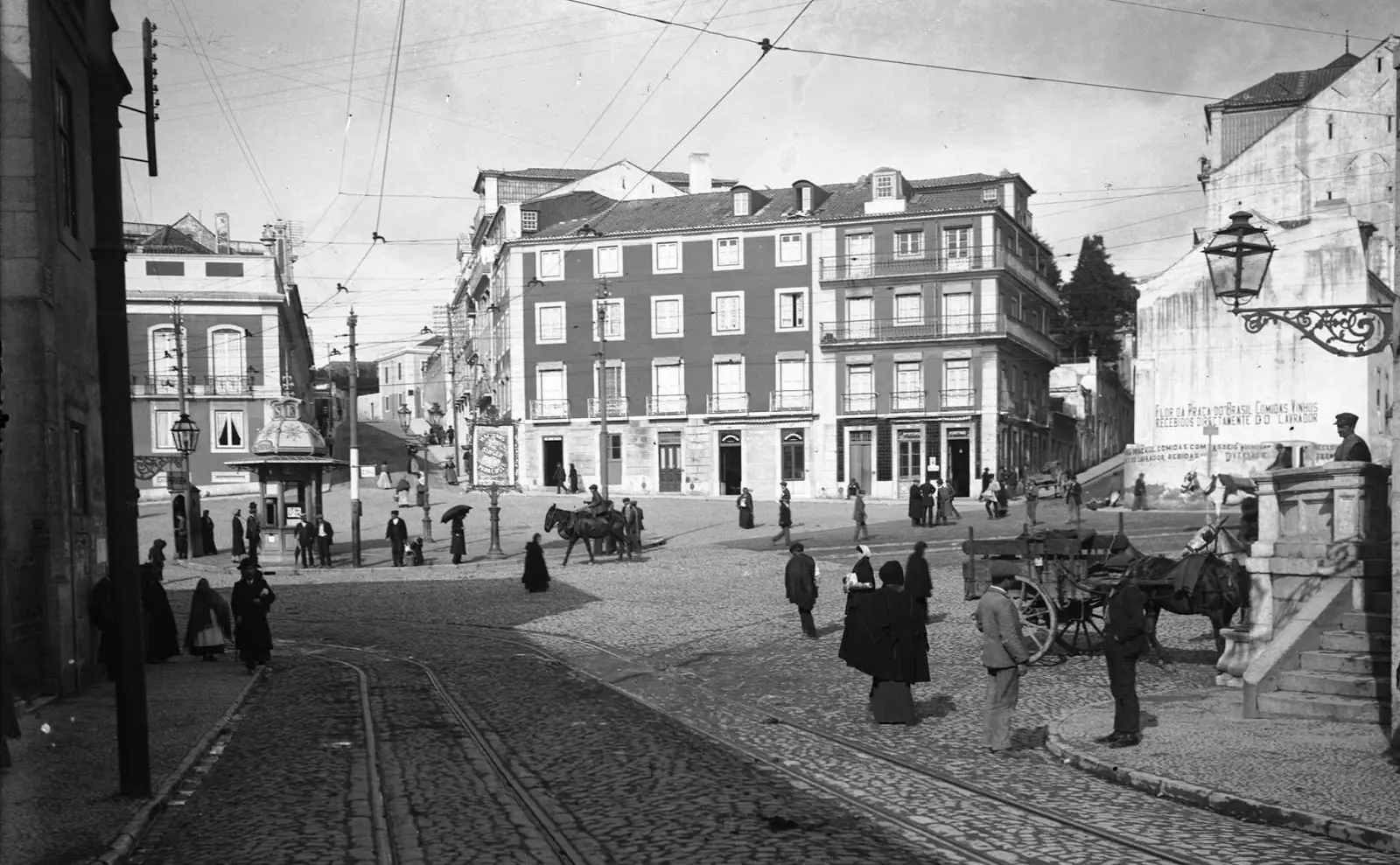
In the revolt of February 1927 barricades went up here, and civilians and sailors were shot by firing squad beside the fountain. In 1931 the square was a front line again; in 1972, it was to the police station on the square that the police took those arrested at the Capela do Rato vigil.
In 1946, the National Council of Portuguese Women, chaired by Maria Lamas, moved its headquarters to this lane in Amoreiras. On 28 June 1947, the police closed it “without prior notice”, putting an end to 33 years of the association.
In 1909 the doctor Carolina Beatriz Ângelo lived here with her husband, the republican doctor Januário Barreto. His funeral left from here in 1910; widowhood made her a “head of family”, the status with which, in 1911, she became the first woman to vote in Portugal.
This was the home of the Sir, the restaurant where Celeste Caeiro worked. It turned one year old on 25 April 1974: it did not open, and the carnations bought for the celebration were given to the women on the staff — the carnations that Celeste took down to the Baixa.
RevolutionWomenLabour
Notes on the sources4
How many people were taken to the police station: 91 (António de Araújo, based on police records), about 60 (Eloísa Aragão; Wikipedia) or “about fifty” (RTP Ensina).
The role of the Revolutionary Brigades: Carlos Antunes said that the BR played a central role and that it was he who decided that Conceição Moita would read the statement; Isabel do Carmo and the Catholic organisers say that the decision was the Catholics’.
Sophia de Mello Breyner Andresen’s presence in the chapel: one secondary source in favour (João Miguel Almeida, 2008), testimonies that do not confirm it.
The Order of Liberty (2022) and the 2024 memorial have only been read in Wikipedia; the text of the 2022 municipal plaque has not been read.
Do you know more, or do you have a document? Tell us.