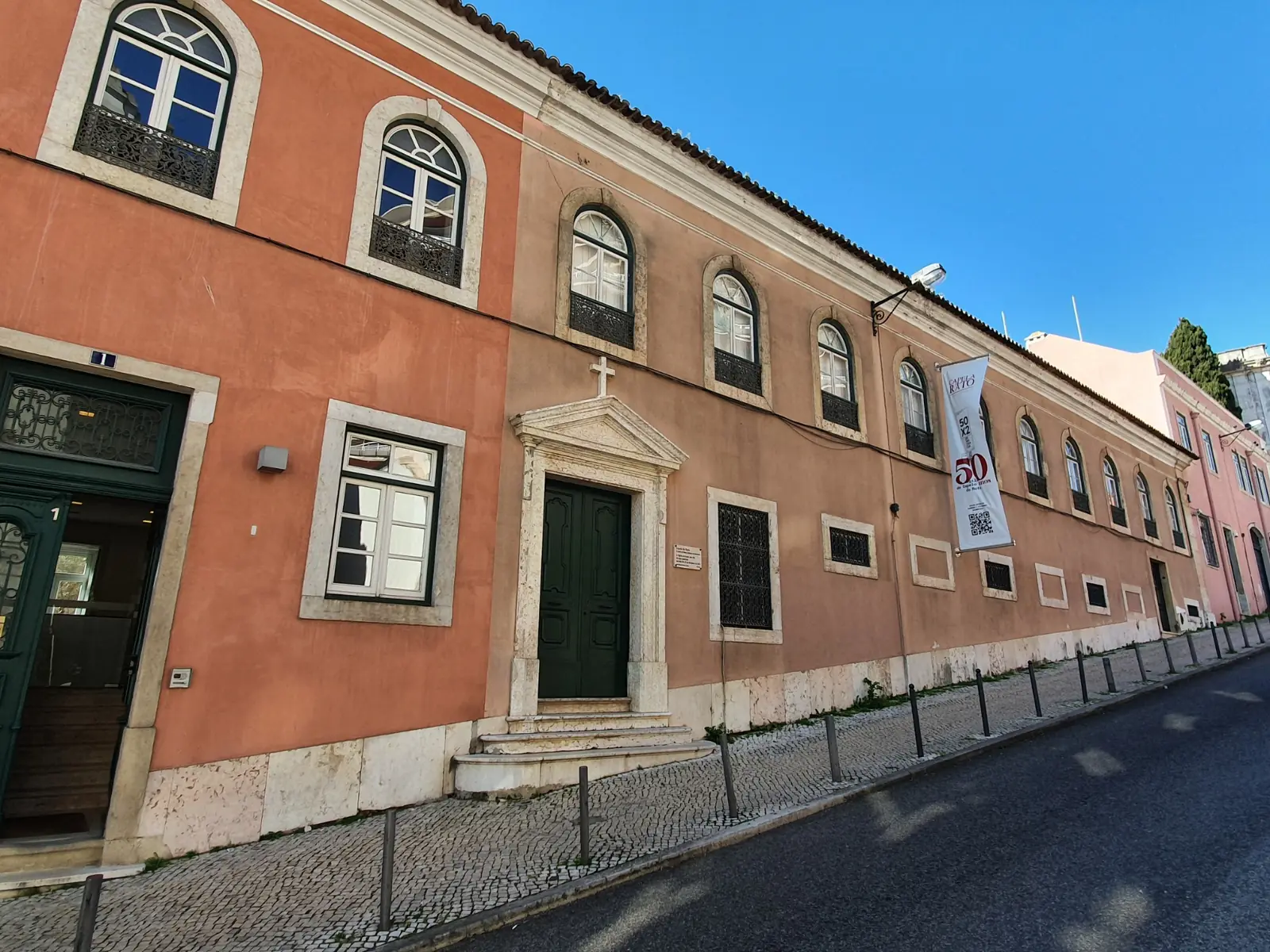
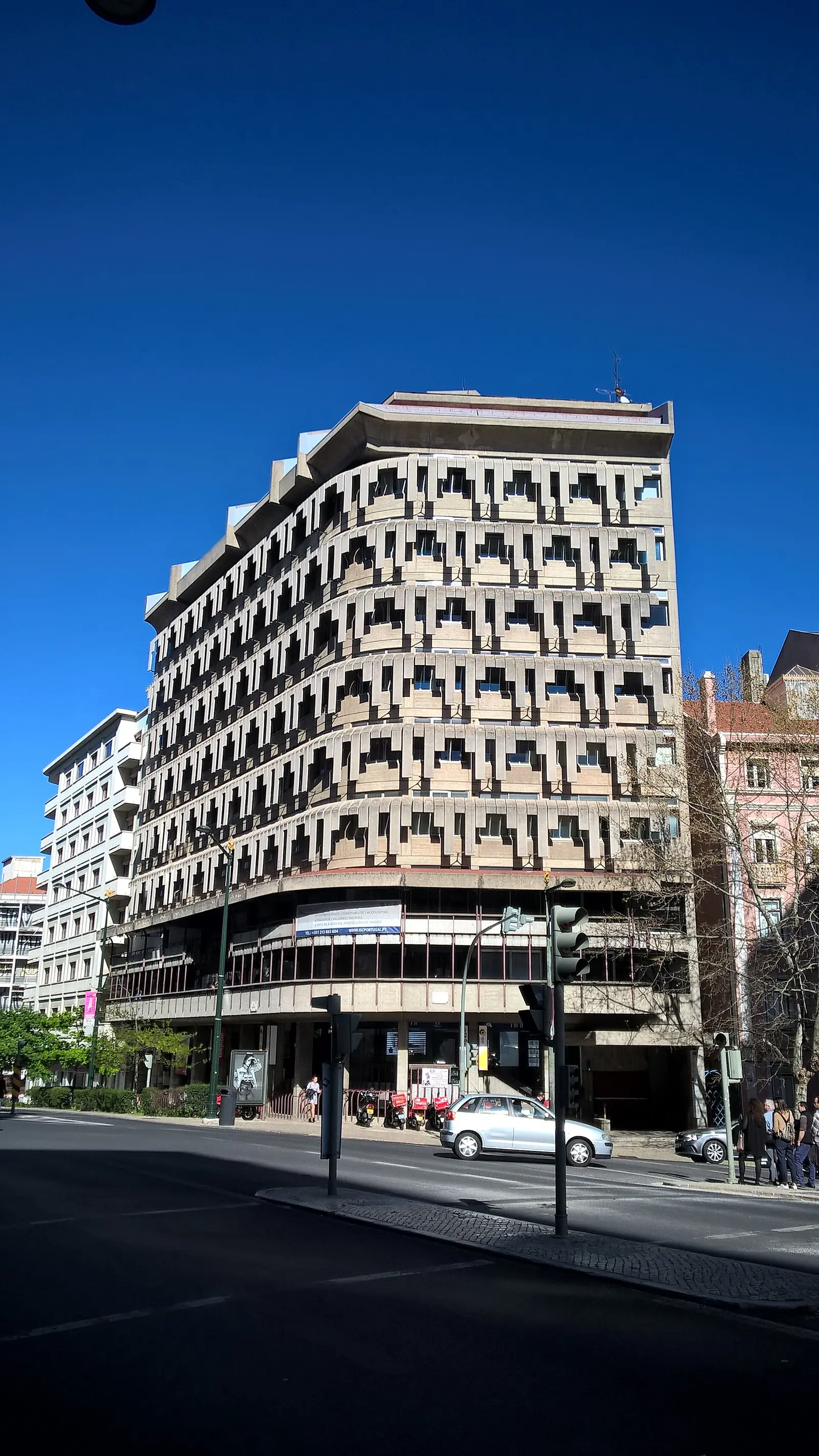
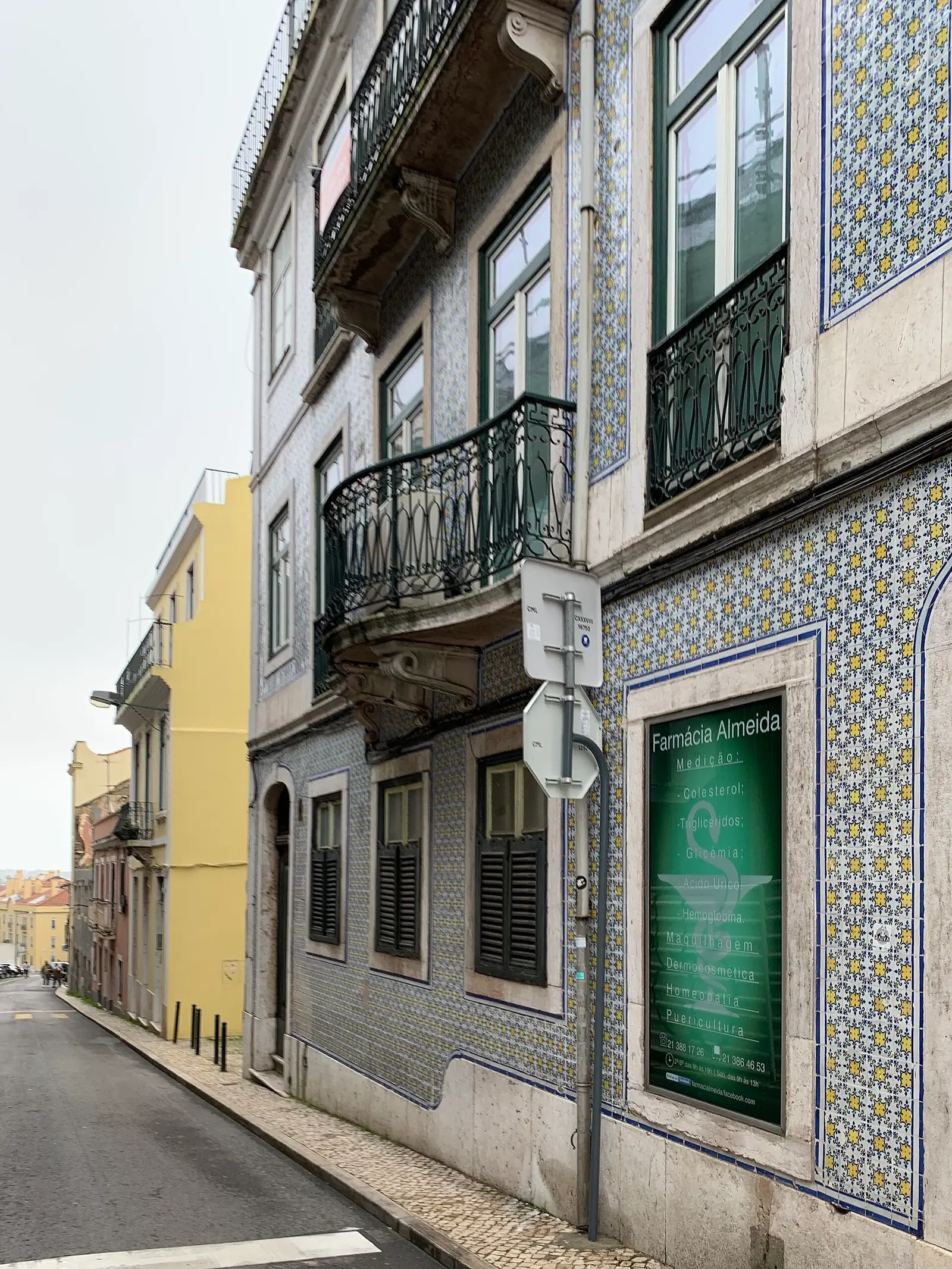
Nas Amoreiras, perto da Travessa da Fábrica das Sedas: o edifício da antiga Fábrica dos Tecidos de Seda, em 2024.JnpoJuwan, CC0 1.0
Santo António
Last headquarters of the CNMP, closed by the police in 1947
In 1946, the National Council of Portuguese Women, chaired by Maria Lamas, moved its headquarters to this lane in Amoreiras. On 28 June 1947, the police closed it “without prior notice”, putting an end to 33 years of the association.
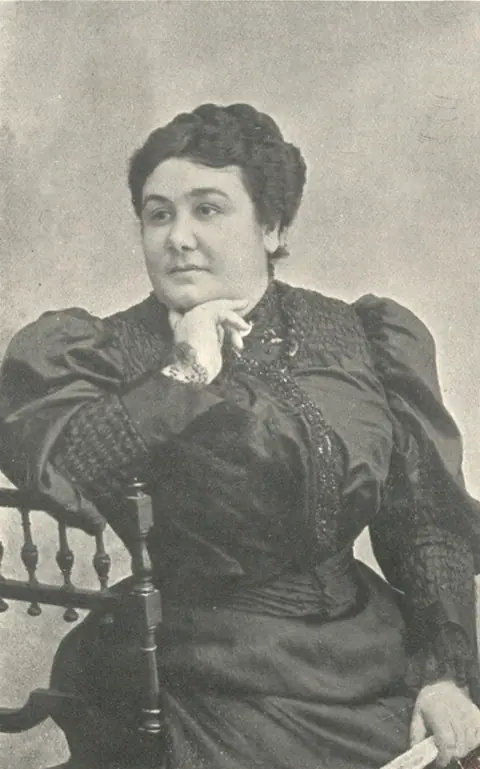
The National Council of Portuguese Women (CNMP), founded in 1914 by Adelaide Cabete, had its headquarters for 32 years on the first floor of no. 13 Praça dos Restauradores, in its founder’s surgery. In 1946 it moved to this lane, in Amoreiras.1Since 1945 its president had been the journalist and writer Maria Lamas: under her, many women joined and branches opened around the country, where illiteracy and the economic situation of women were discussed. According to research by Rosa de Lurdes Correia, it was the change of headquarters that gave the regime the opportunity to intervene.1
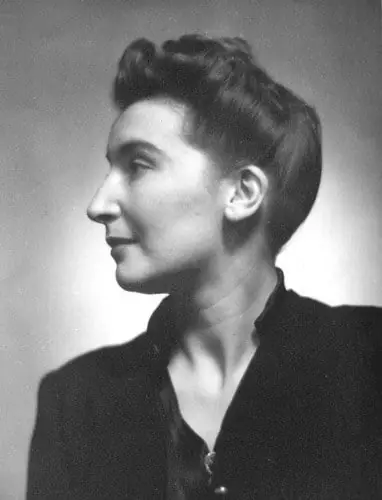
In 1946, the actress Manuela Porto was appointed vice-president of the Council,4 and the jurist Elina Guimarães was elected vice-president of the general assembly.56 From 4 to 12 January 1947, the Council organised the Exhibition of Books Written by Women at the National Society of Fine Arts: three thousand books by four hundred women authors from thirty countries.24 Newspapers linked to the regime, such as A Defesa and Novidades, accused the Council of being against the Estado Novo (“New State”) and of linking feminism with communism.1 Maria Lamas was forced to choose between editing the magazine Modas e Bordados, published by O Século, and the Council — and she chose the Council.4
On 28 June 1947, the police closed these headquarters “without prior notice”. So ended 33 years of the Council.12 Maria Lamas responded with a book: between 1948 and 1950 she published, in 24 instalments advertised as “How Portuguese women live and work” (Como vivem e trabalham as mulheres portuguesas), As Mulheres do Meu País (The Women of My Country) — a work which, for the researcher Teresa Joaquim, has its “original gesture” in this closure.2
Today: Capela do Rato (Chapel of Nossa Senhora da Bonança)
Over the turn of 1972 into 1973, Catholics opposed to the colonial war held a 48-hour vigil here. It was a woman, Maria da Conceição Moita, who announced it at the microphone; the riot police broke it up and took dozens of people away.
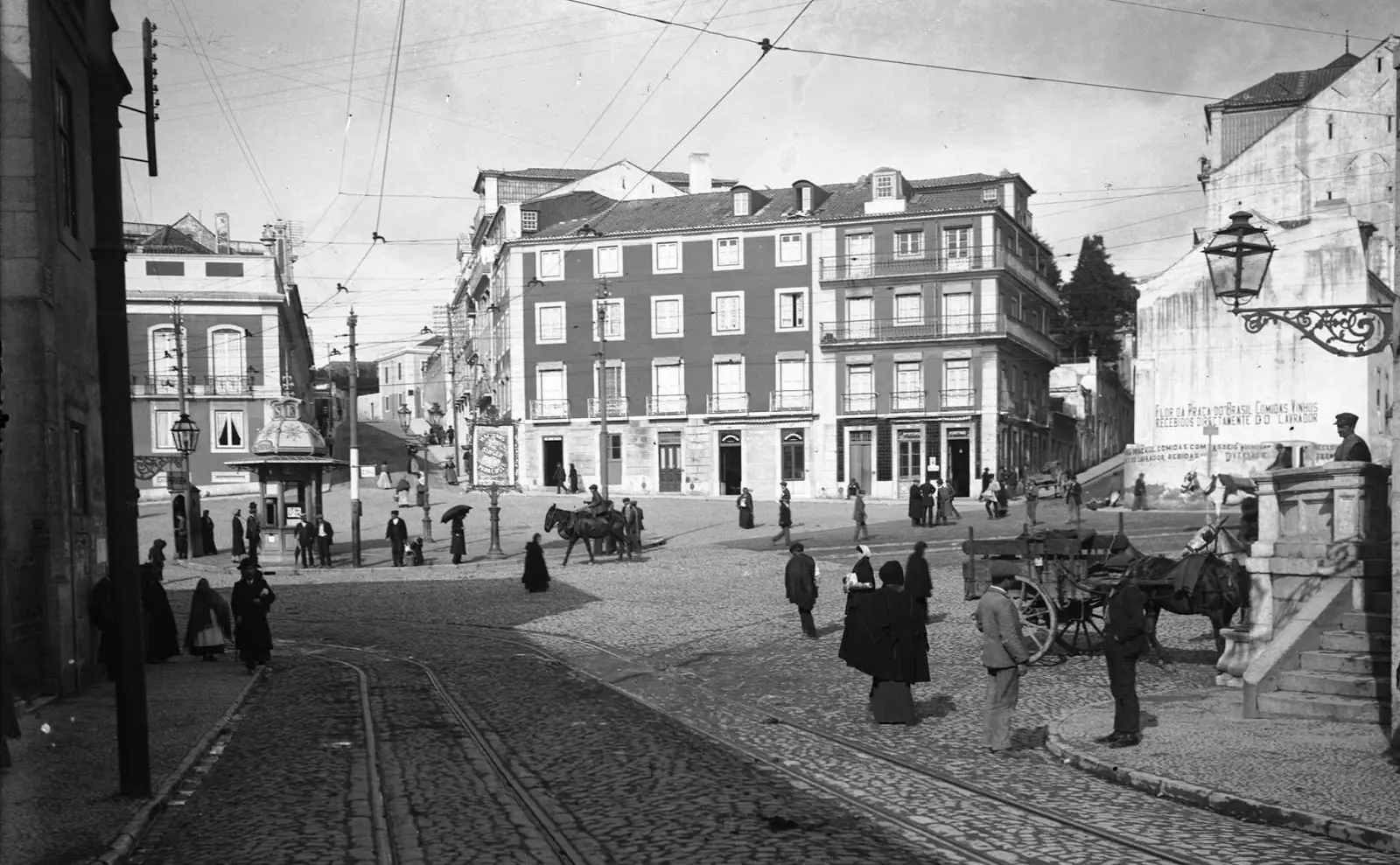
In the revolt of February 1927 barricades went up here, and civilians and sailors were shot by firing squad beside the fountain. In 1931 the square was a front line again; in 1972, it was to the police station on the square that the police took those arrested at the Capela do Rato vigil.
This was the home of the Sir, the restaurant where Celeste Caeiro worked. It turned one year old on 25 April 1974: it did not open, and the carnations bought for the celebration were given to the women on the staff — the carnations that Celeste took down to the Baixa.
In 1909 the doctor Carolina Beatriz Ângelo lived here with her husband, the republican doctor Januário Barreto. His funeral left from here in 1910; widowhood made her a “head of family”, the status with which, in 1911, she became the first woman to vote in Portugal.
WomenRepublic
Notes on the sources2
Who ordered the headquarters closed: “police forces” (CIG), the Judicial Police (Virgínia Baptista) or Salazar’s Government (Teresa Joaquim). The closure order has not been found.
The number of the headquarters: the sources give only the street, which FCSH+Lisboa writes as “Travessa das Fábricas das Sedas”; the point on the map marks the middle of the lane.
Do you know more, or do you have a document? Tell us.