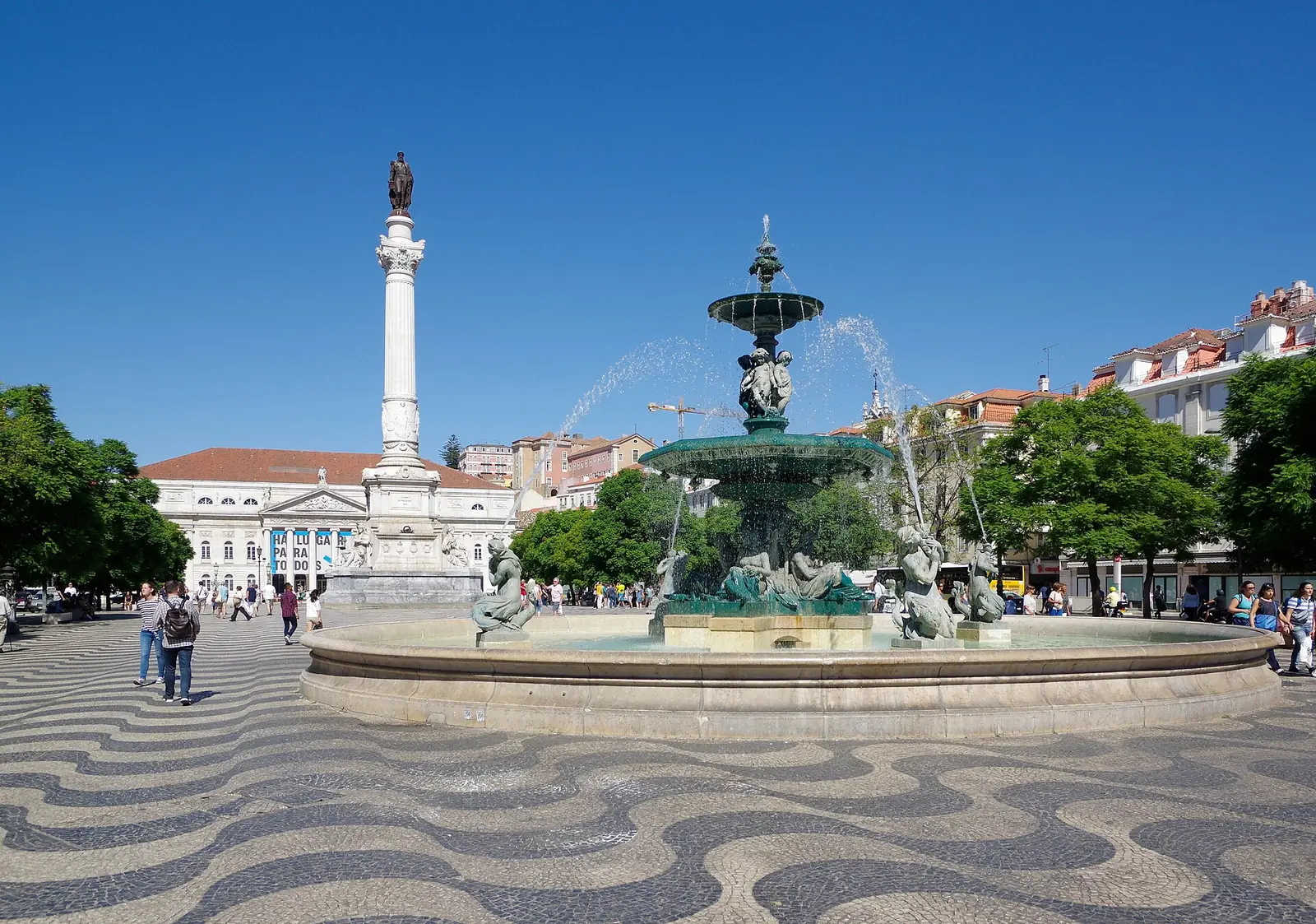
In Adelaide Cabete’s surgery, on this square, the National Council of Portuguese Women was born in 1914 — “the most important and longest-lasting Portuguese feminist association of the first half of the 20th century”. It had its headquarters here for 32 years.
Today: Praça dos Restauradores, 13Approximate locationOn one walk
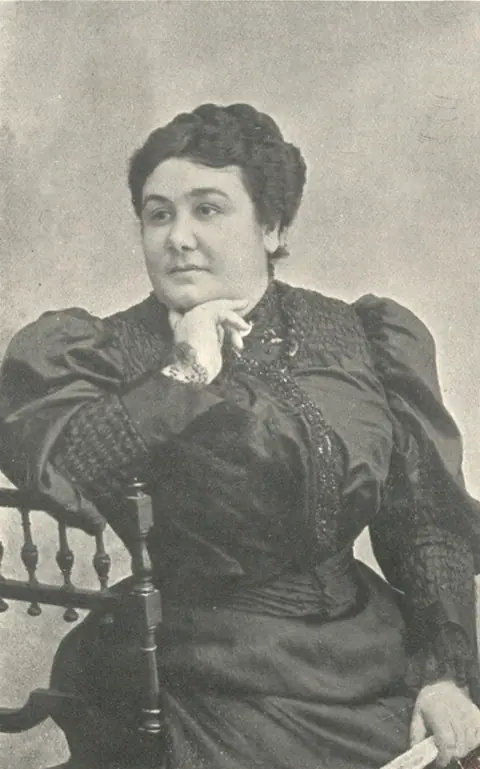
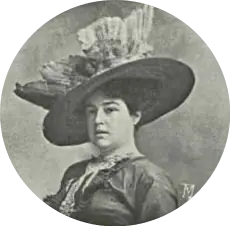
Adelaide Cabete, an obstetrician and gynaecologist who qualified in 1900, opened a surgery in the Baixa in 1907 and, from 1910, here, at no. 13 Praça dos Restauradores, with her niece, the dentist Maria Brazão. She gave free consultations to poor women.1
In 1914, on her initiative, the National Council of Portuguese Women was born in the surgery. It presented itself as “a women’s institution, non-political and non-religious”, and sought to protect disadvantaged women and children and to end regulated prostitution. For the historian Rosa de Lurdes Correia, it was “the most important and longest-lasting Portuguese feminist association of the first half of the 20th century”. Its headquarters stayed here for 32 years.2
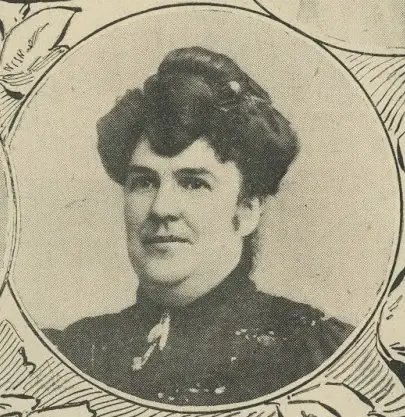
The Council published the Boletim Oficial (Official Bulletin) and the magazine Alma Feminina (Feminine Soul), edited by Maria Clara Correia Alves,3 and organised the feminist and education congresses of 1924 and 1928 in Lisbon. Women who would become figures of the opposition to the Estado Novo (“New State”) passed through it: Elina Guimarães, Isabel Aboim Inglez, Maria Alda Nogueira.2
The organising committee of the First Feminist and Education Congress, the first in the country, had its address here: the brochure announcing it, for March 1924, asked for papers to be submitted at the Council’s headquarters and for all correspondence to be sent to the committee at “Praça dos Restauradores, 13, 2.º”. The committee brought together ten women — Adelaide Cabete, Aurora de Castro e Gouveia, Angélica Viana Porto, Domingas Lazary Amaral, Albertina Gamboa, Laura Corte Real, Maria O'Neill, Deolinda Lopes Vieira, Vitória Pais Madeira and Elisa Lima — and two men, and most of the women also presented papers.10 The congress was held from 4 to 9 May, at the Mutual Aid Association of Commercial Employees.2 Other members of the Council brought papers to it, such as the teachers Ilda Pinto de Lima and Regina do Carmo, Julieta Ribeiro de Carvalho and Maria Isabel Correia Manso.9
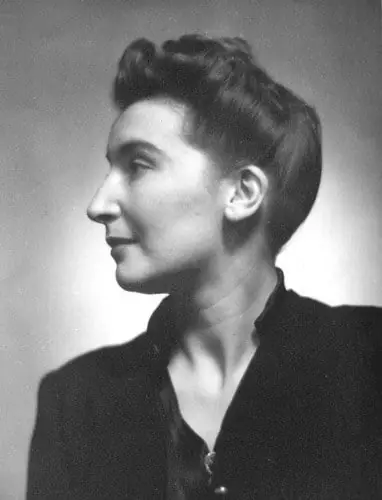
With Maria Lamas as president, from 1945, the Council gained national prominence and opened branches around the country.5 In 1946 it moved to Amoreiras — where the police would close it the following year.2
Today: Palácio Foz: public services and the National Sports Museum
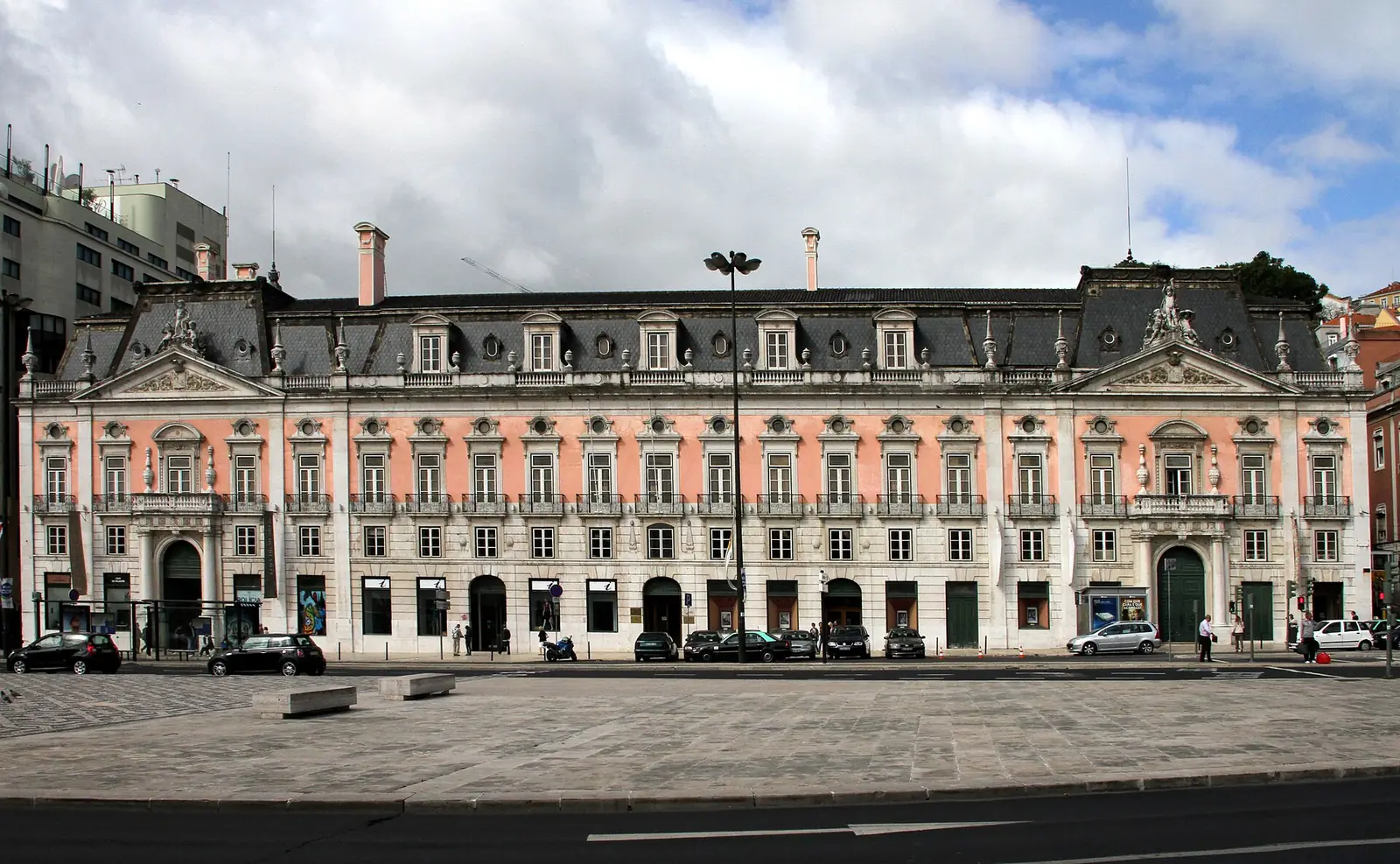
A palace on Restauradores bought by the State in 1940 for the regime’s propaganda machine (the SPN, later the SNI), headed by António Ferro. Press censorship worked in the same building, with its entrance on Calçada da Glória, between 1947/48 and 1961.
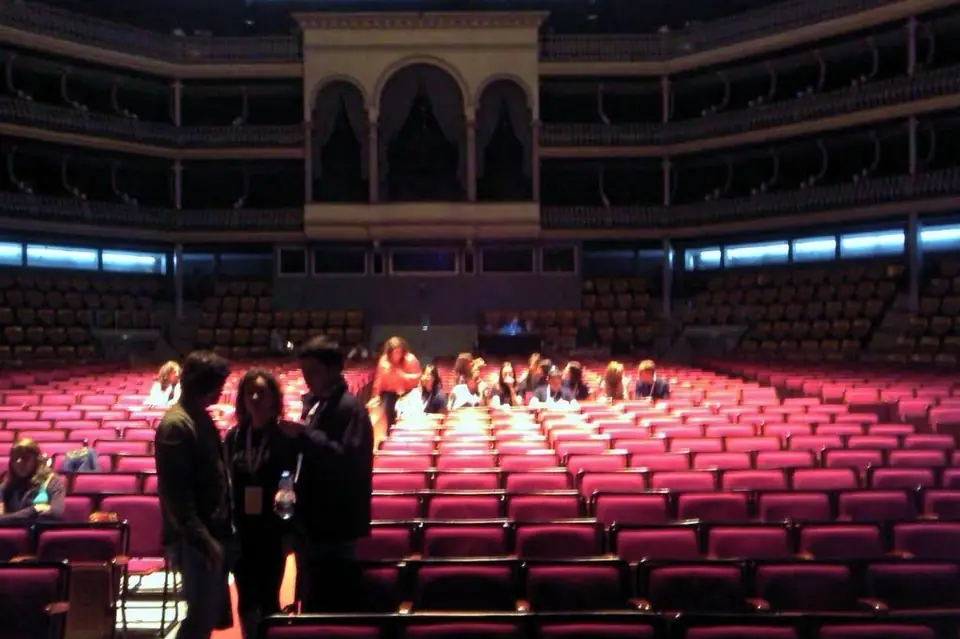
On 29 March 1974, less than a month before the revolution, the 1st Portuguese Song Meeting (I Encontro da Canção Portuguesa) filled the Coliseu. Censorship had cut songs, but the audience sang “Grândola, Vila Morena” in chorus and shouted “Down with repression!” (abaixo a repressão!).
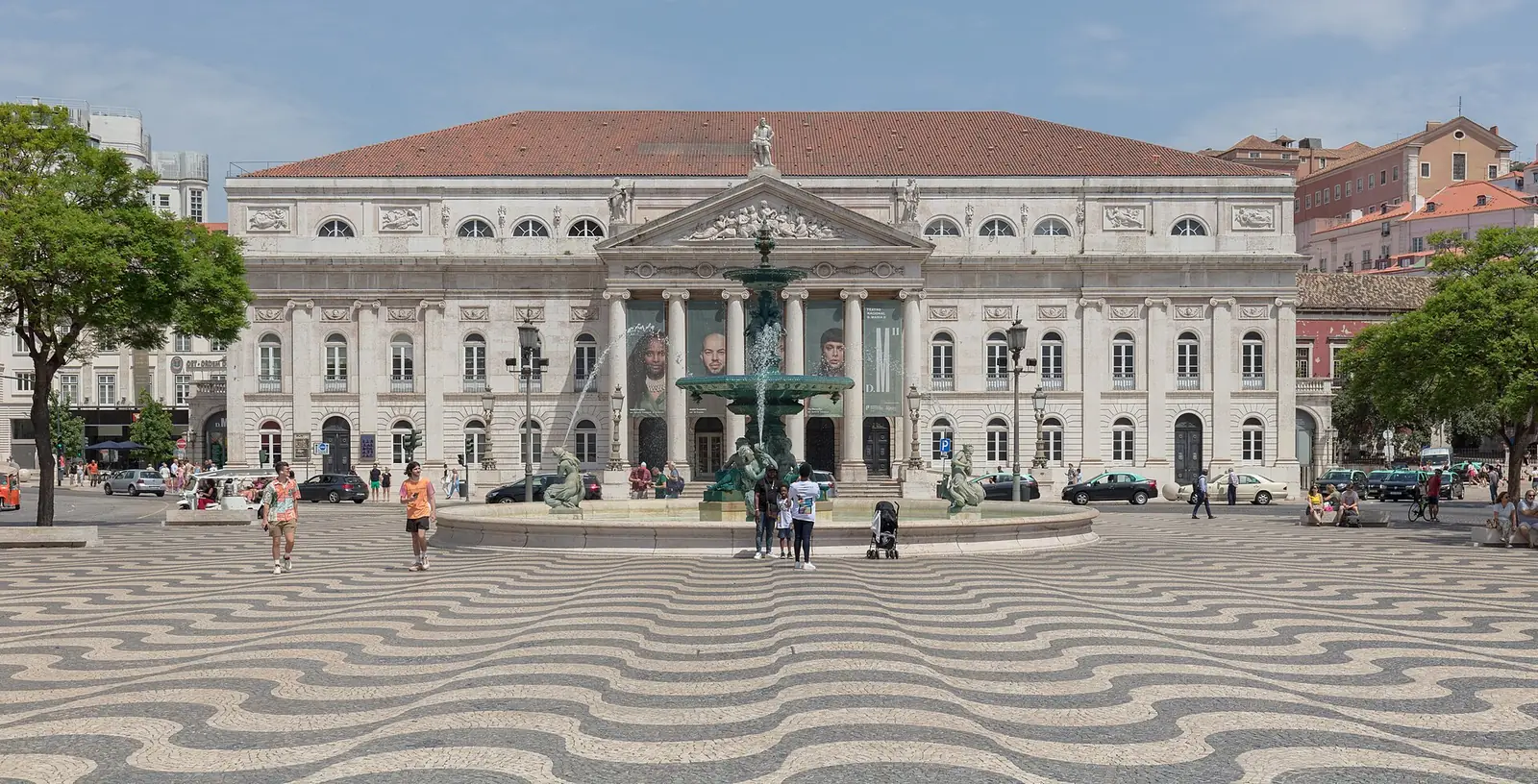
The national theatre, in the Rossio. Maria Barroso made her debut here in 1944 and was José Régio’s “Benilde”; in 1948, an order from the police and the Ministry of Education took her off this stage. The company that ran it worked under censorship until the fire of 1964.
A café on the Rossio where, between 1957 and 1962, the “Café Gelo Group” of dissident poets and painters used to meet; the group was banned from entering it after May Day 1962.
Culture and censorshipOppositionRepression
Notes on the sources5
The day of its founding: Wikipedia gives 30 May 1914; the other sources consulted say only 1914.
The floor: first (NOVA FCSH; Wikipedia) or second (Toponímia de Lisboa, for the surgery; the 1924 brochure of the First Feminist and Education Congress, for the Council’s correspondence). According to NOVA FCSH, between 1920 and 1946 the Portuguese Abolitionist League and the Leagues of Kindness were on the second floor of the same building.
What occupies no. 13 Praça dos Restauradores today, and whether the building is the same (the stop is on the square).
Maria Brazão’s relationship to Adelaide Cabete: niece, according to Toponímia de Lisboa; sister, according to NOVA FCSH and Wikipedia.
The papers by Ilda Pinto de Lima, Regina do Carmo, Julieta Ribeiro de Carvalho and Maria Isabel Correia Manso have only been read in Wikipedia; the 1924 brochure attributes “Bibliotecas infantis” (Children’s libraries) and “Escolas ao ar livre” (Open-air schools), which Wikipedia gives to the first two, to the Women’s Institute of Education and Work.
Do you know more, or do you have a document? Tell us.