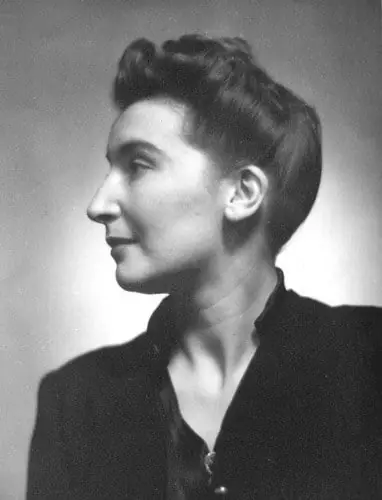
Oppositionteacherfounder and head of the Colégio Fernão de Magalhãesmember of the CNMP and of the Portuguese Women’s Association for Peacefirst woman on the Central Committee of the MUDpolitical prisoner
Born
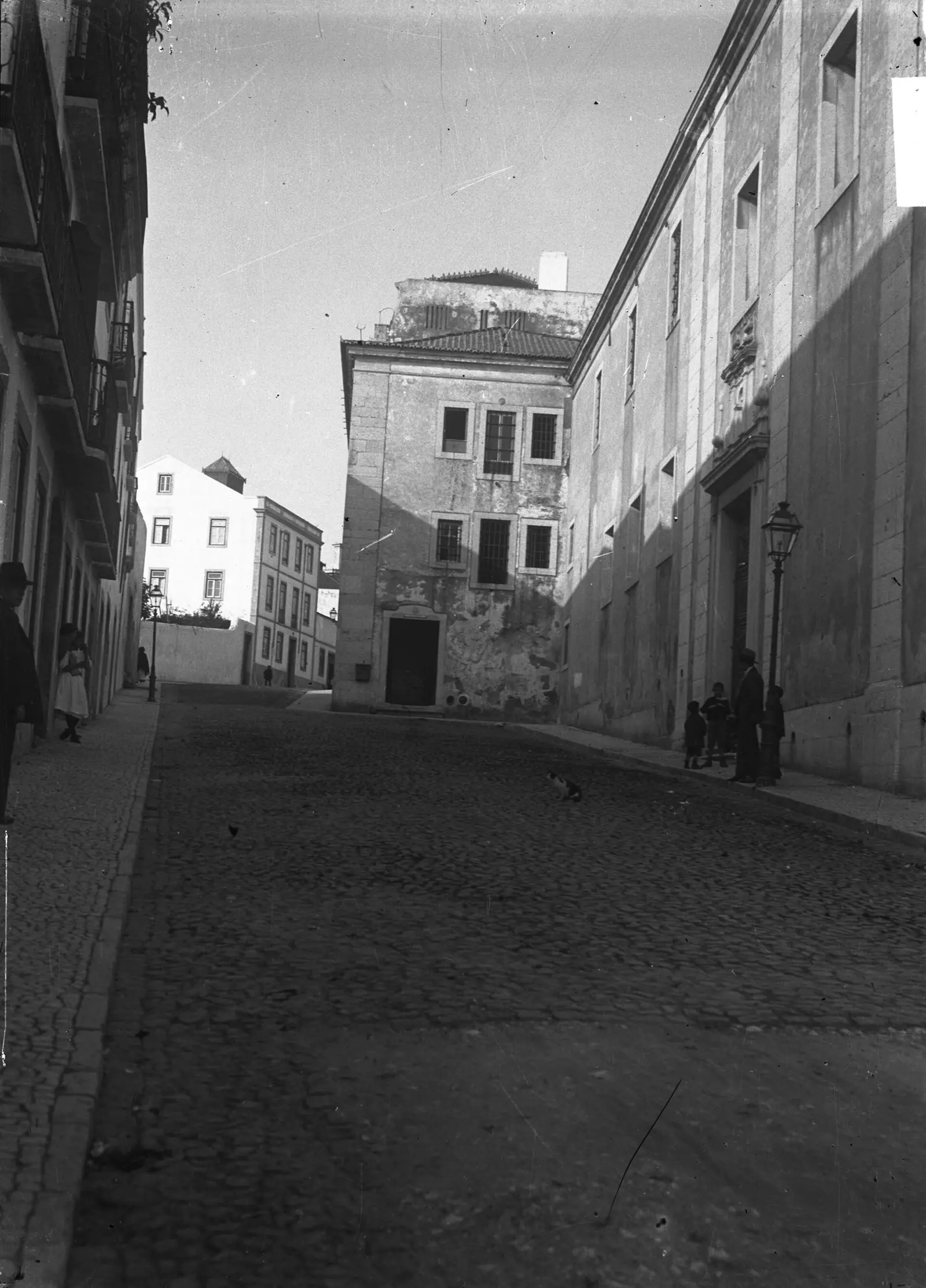
7 January 1902, Lisbon (Rua Nova do Loureiro, Bairro Alto, former parish of Mercês)
Died
7 March 1963, Lisbon (Santa Maria Hospital)
A teacher and feminist, the first woman on the Central Committee of the MUD, whom José Gomes Ferreira called “the Indomitable” (a Indomável). The regime closed her school, barred her from teaching and arrested her several times.
She was born in Lisbon on 7 January 1902. She graduated in Historical and Philosophical Sciences from the Lisbon Faculty of Letters, where she was a teaching assistant, and in 1938 she founded the Colégio Fernão de Magalhães, where she taught and was head.31 A widow from 1942, with five children, she then began to be persecuted: the Minister of Education vetoed her name at the Faculty and, in 1945, she was dismissed for political reasons.7
In the 1930s she became a member of the National Council of Portuguese Women and later also joined the Portuguese Women’s Association for Peace.7 In 1945 she was the first woman on the Central Committee of the Movement of Democratic Unity (MUD).2 She was arrested on 13 December 1946, with other members of the Central Committee, and released the next day; she was arrested again in January 1948, for distributing 1,500 copies of MUD propaganda, and was held for two months.1
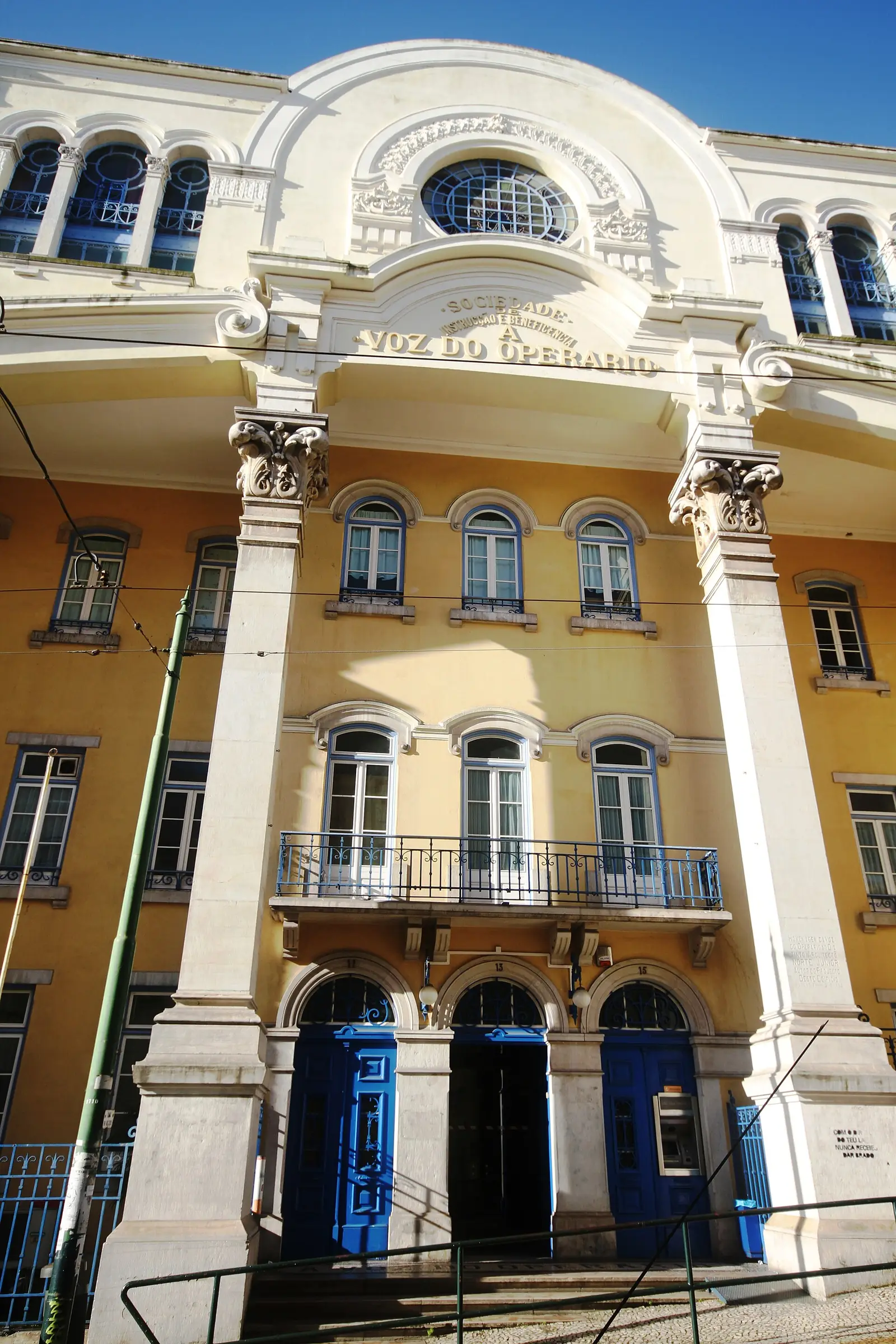
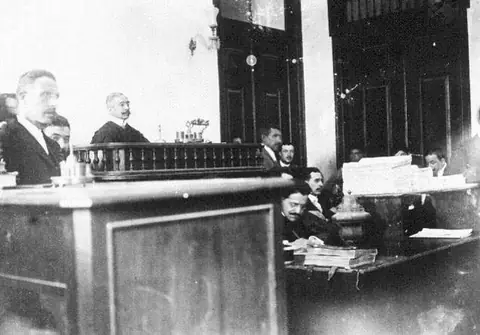
She supported the candidacies of Norton de Matos, Arlindo Vicente and Humberto Delgado; in a 1949 photograph she stands beside Norton de Matos at a rally at A Voz do Operário.4 The school was closed down in February 1949. Forbidden to leave the country to go and teach in Brazil, she opened a dressmaking workshop and gave private lessons. Called as a defence witness to the Plenary Court, she stood up to the judge and was sent for three days to the Mónicas Prison, which she left saying that she had carried out “a sociological study” there. In 1961 she was stripped of her political rights.1
Maria Lamas wrote to her that her example would stand “as a source of pride for all of us women!”. She died on 7 March 1963.13
From the archives
In other archives
These can only be viewed on each archive’s own website.
A journalist and writer, she edited “Modas e Bordados” (Fashions and Embroidery), chaired the National Council of Portuguese Women until the regime closed it down in 1947, and responded with “As Mulheres do Meu País” (The Women of My Country). She was arrested several times and lived in exile in Paris.
An actress, translator and reciter of poetry, she was vice-president of the National Council of Portuguese Women and, in 1947, spoke about Virginia Woolf at the Exhibition of Books Written by Women. Troubled by the exhibition, the regime closed the Council down that same year.
An underground communist activist, she was arrested in 1959 and sentenced to eight years of major imprisonment plus security measures, which she served in Caxias. A deputy from the Constituent Assembly onwards, she chaired the Parliamentary Committee on the Status of Women from 1983 to 1985.
An obstetrician and pioneer of “painless childbirth” in Portugal. She campaigned for Norton de Matos in 1949, on the Central Committee of the National Democratic Women’s Movement, and for that she was imprisoned in Caxias and barred from teaching at the Faculty of Medicine.
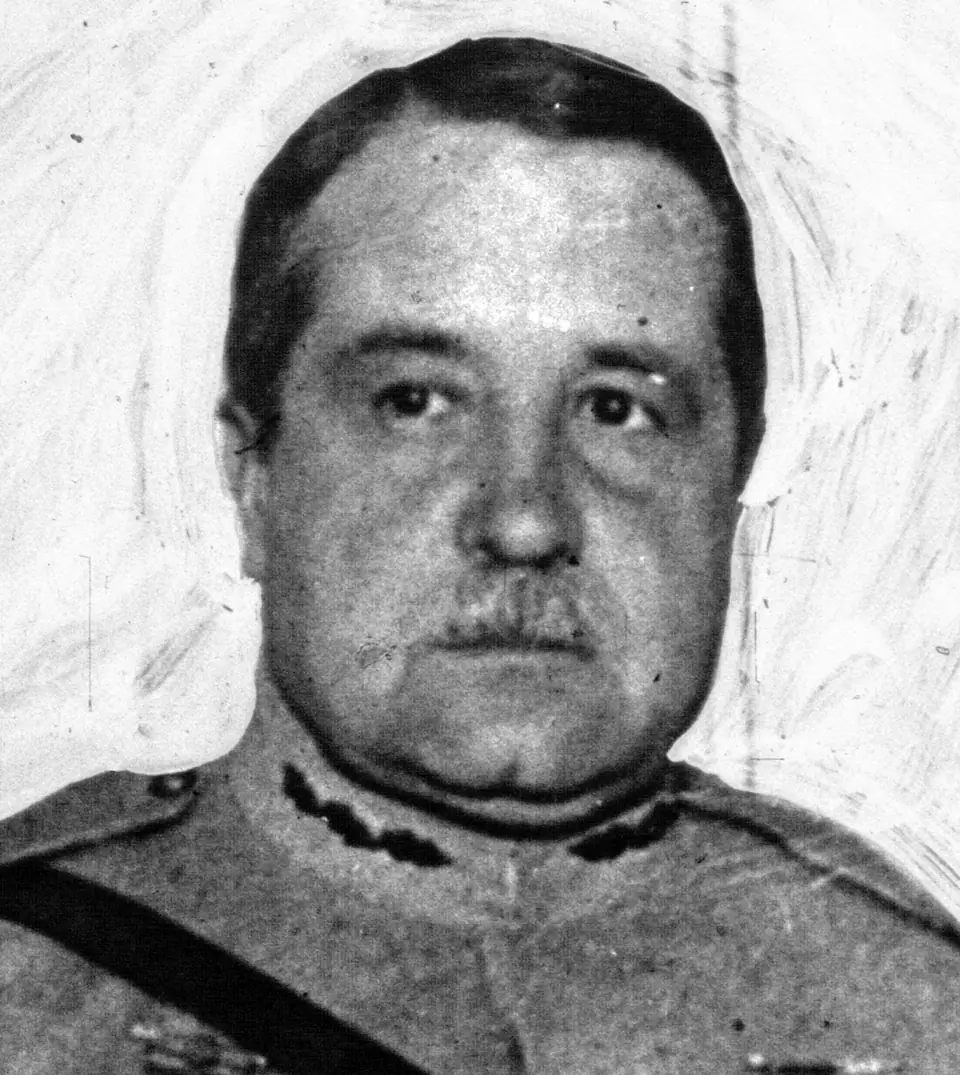
A general of the First Republic, in 1949 he was the united opposition’s candidate for President of the Republic: he held rallies at A Voz do Operário and withdrew on the eve of the election. Like many in the opposition, he advocated a colonialist policy, which he set out in 1953 in “África Nossa” (Our Africa).
A jurist and feminist, a leader of the National Council of Portuguese Women until the Estado Novo (“New State”) closed it down in 1947. A forerunner of “legal feminism”, she championed votes for women, co-education and the rights of working women, and was part of the democratic opposition.
Notes on the sources4
The date of death: 7 March 1963 (Wikipedia, which cites the death register); Wikidata also has 7 March 1953, and a text from the Aljube Museum speaks of “58 years since her death”, which may date from 2021.
The spelling of the surname: “Inglez” (Aljube Museum) or “Inglês” (Wikipedia, Casa Comum).
The year of the episode at the Plenary Court and the Mónicas (1958, according to Wikipedia; the Aljube Museum does not date it).
Whether she was a leader of the National Council of Portuguese Women and of the Portuguese Women’s Association for Peace: the Aljube Museum calls her a “leader” of both (and of the MUD, between 1946 and 1948); the CIG and Wikipedia say she joined the Council as a member, in the 1930s, and later joined the Association.
Do you know more, or do you have a document? Tell us.
Sources
1Isabel Aboim Inglez. Museu do Aljube Resistência e Liberdade (EGEAC) — consulted on 2 October 2026
2Ilegalização do MUD. Museu do Aljube Resistência e Liberdade (EGEAC) — consulted on 2 October 2026