Republicobstetrician and gynaecologistteacher of Hygiene and Childcarefounder and president of the National Council of Portuguese Women (1914–1935)co-founder of the Republican League of Portuguese WomenFreemason
Born
25 January 1867, Elvas (Alcáçova)
Died
14 September 1935, Lisbon (São Sebastião da Pedreira)
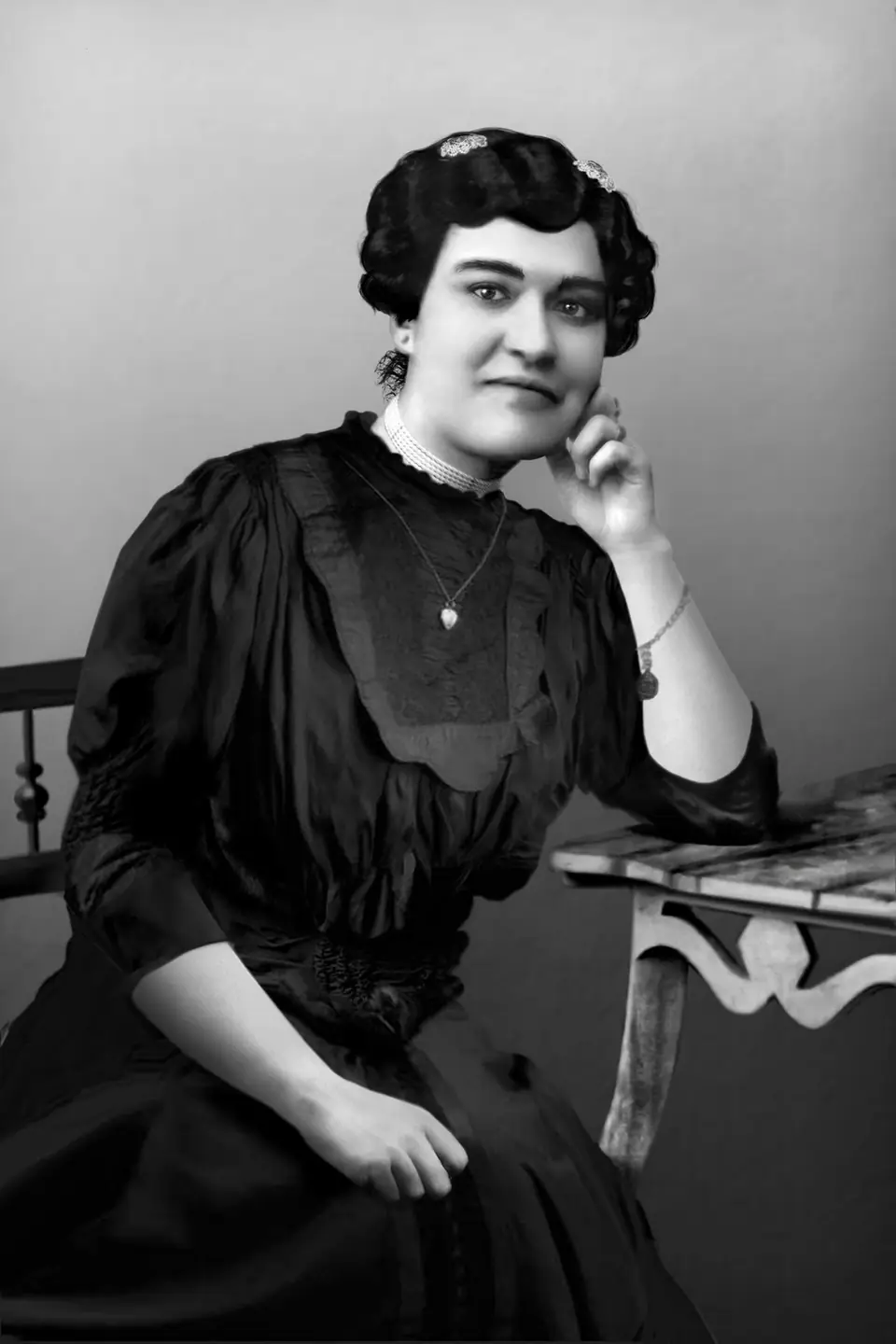
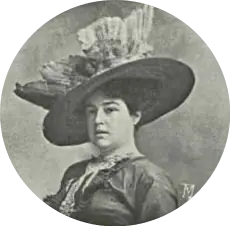
A republican doctor who only began studying after she married, she founded the National Council of Portuguese Women in 1914, chaired it for more than twenty years and made her practice in Restauradores its headquarters.
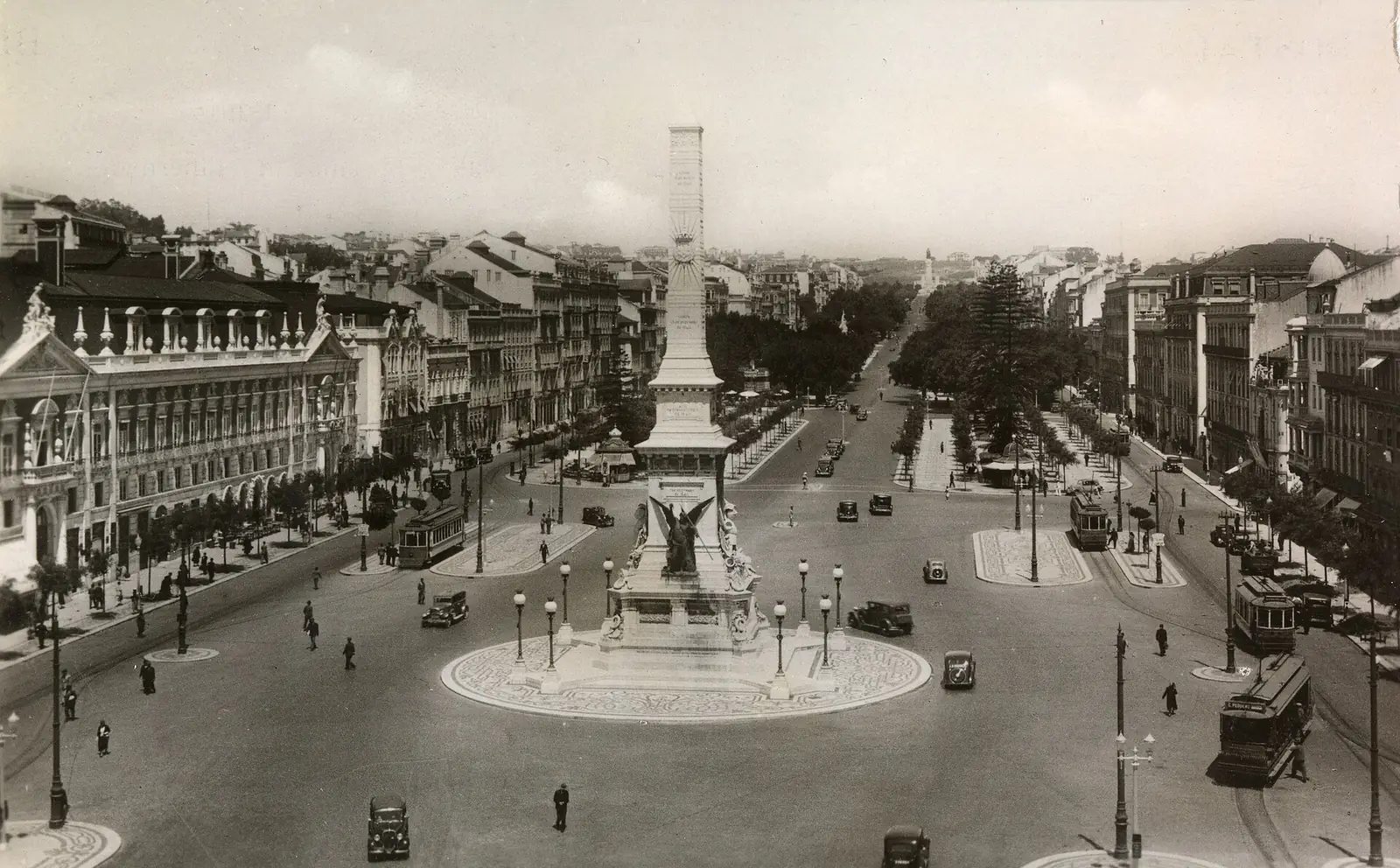
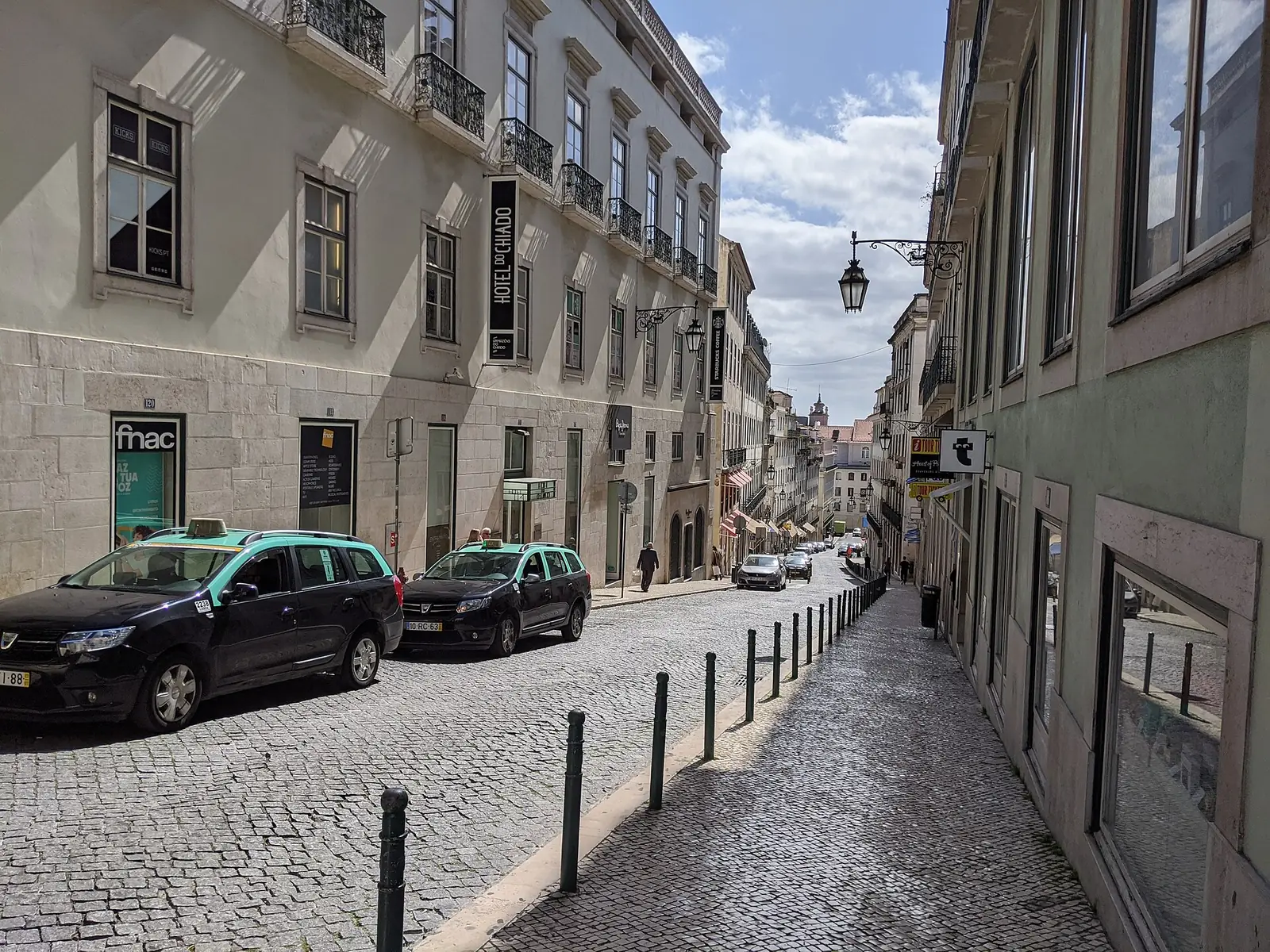
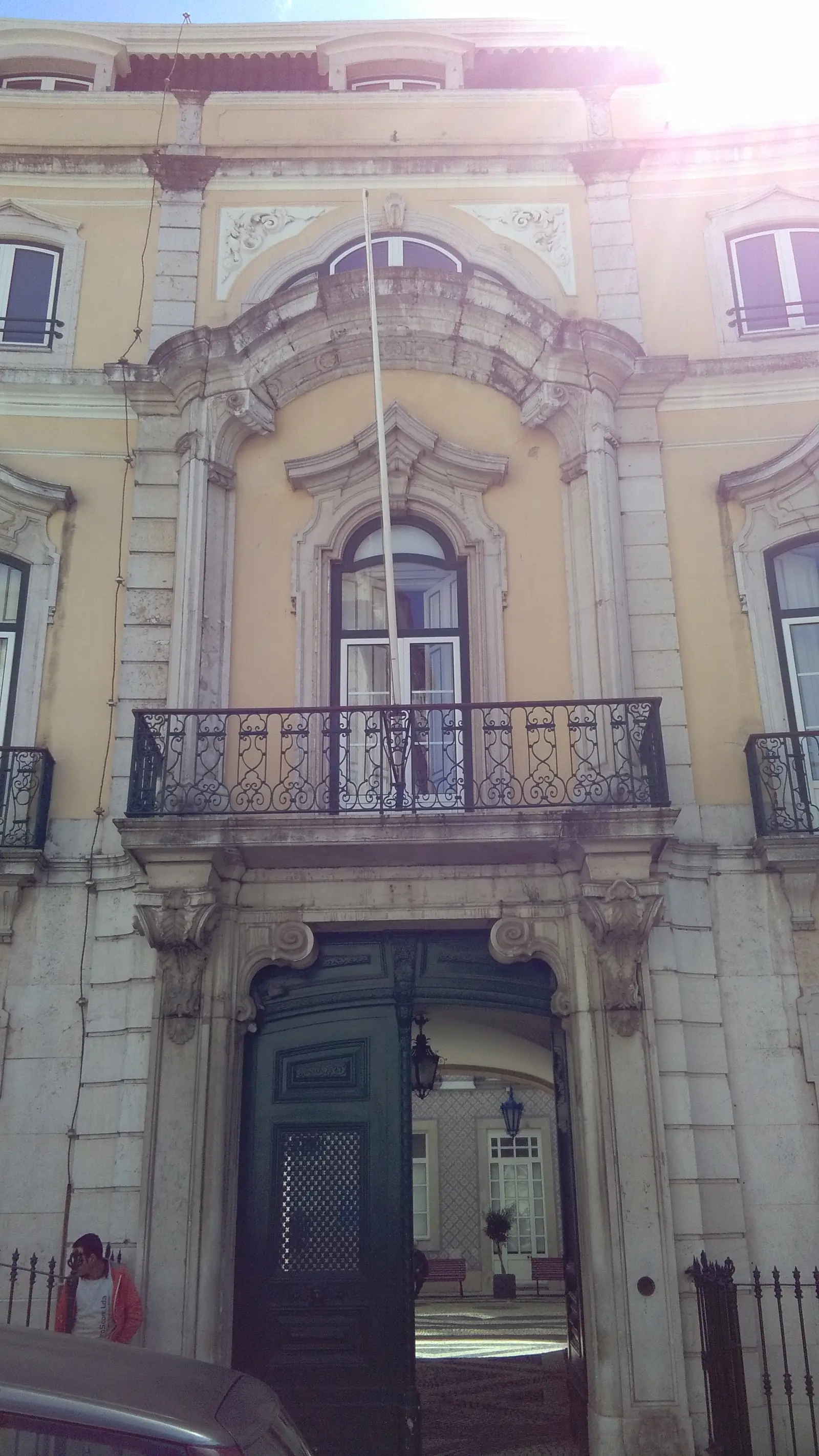
She was born in Elvas on 25 January 1867 and only began studying after marrying the republican Manuel Fernandes Cabete. She qualified in medicine at the age of 33, in 1900, at the Lisbon Medical-Surgical School, with the thesis “Protecção às mulheres grávidas pobres” (Protection for poor pregnant women).1 In 1907 she opened a practice as an obstetrician and gynaecologist in the Baixa, at Rua da Prata, 153; she moved it in 1908 to Rua Áurea, 267, and from 1910 to Praça dos Restauradores, 13, where she gave free consultations to poor women.1
In 1914 she founded the National Council of Portuguese Women, which she chaired until her death and which had its headquarters in her Restauradores practice for 32 years.24 She called for a month’s rest before childbirth for women workers, and for the right of women to vote.1 The Council organised the First Feminist and Education Congress, from 4 to 9 May 1924, at the Lisbon Commercial Employees’ Mutual Aid Association, and a second in 1928; Adelaide Cabete also organised the first abolitionist congresses on prostitution.21 For 17 years she taught Hygiene and Childcare at the Odivelas Women’s Institute.1
In 1929, disillusioned with the dictatorship, she left for Angola with her nephew Arnaldo Brazão; she came back ill in 1934. She died in Lisbon on 14 September 1935 and is buried in the Alto de São João Cemetery.1 In 1946 the Council moved to Amoreiras and, led since 1945 by Maria Lamas, it was closed down by the police on 28 June 1947.2
From the archives
In other archives
These can only be viewed on each archive’s own website.
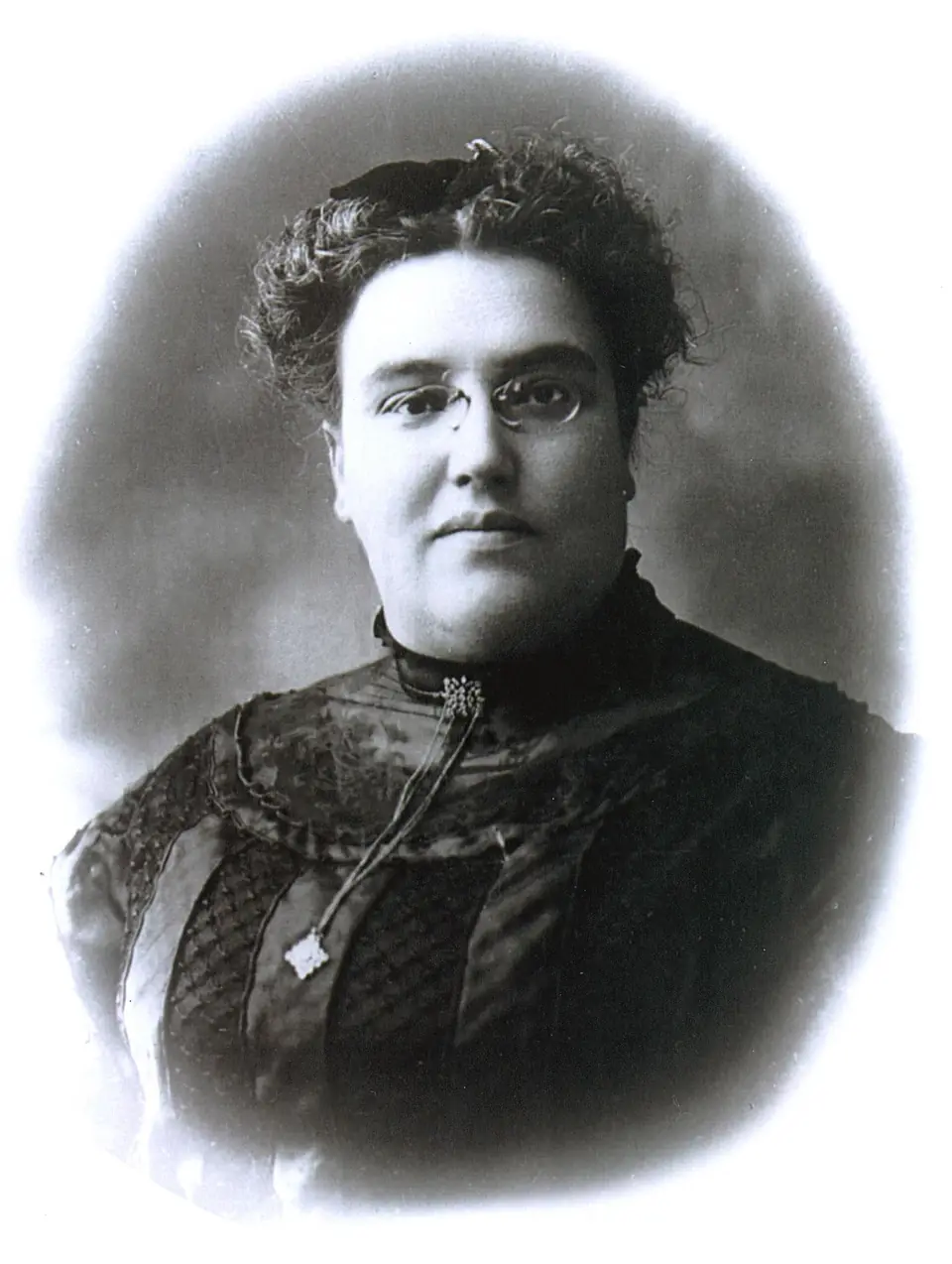
A doctor, the first Portuguese woman surgeon and a suffragist. A widow and “head of household”, she won in court the right to be registered as a voter and, on 28 May 1911, at the Clube Estefânia, became the first woman to vote in Portugal.
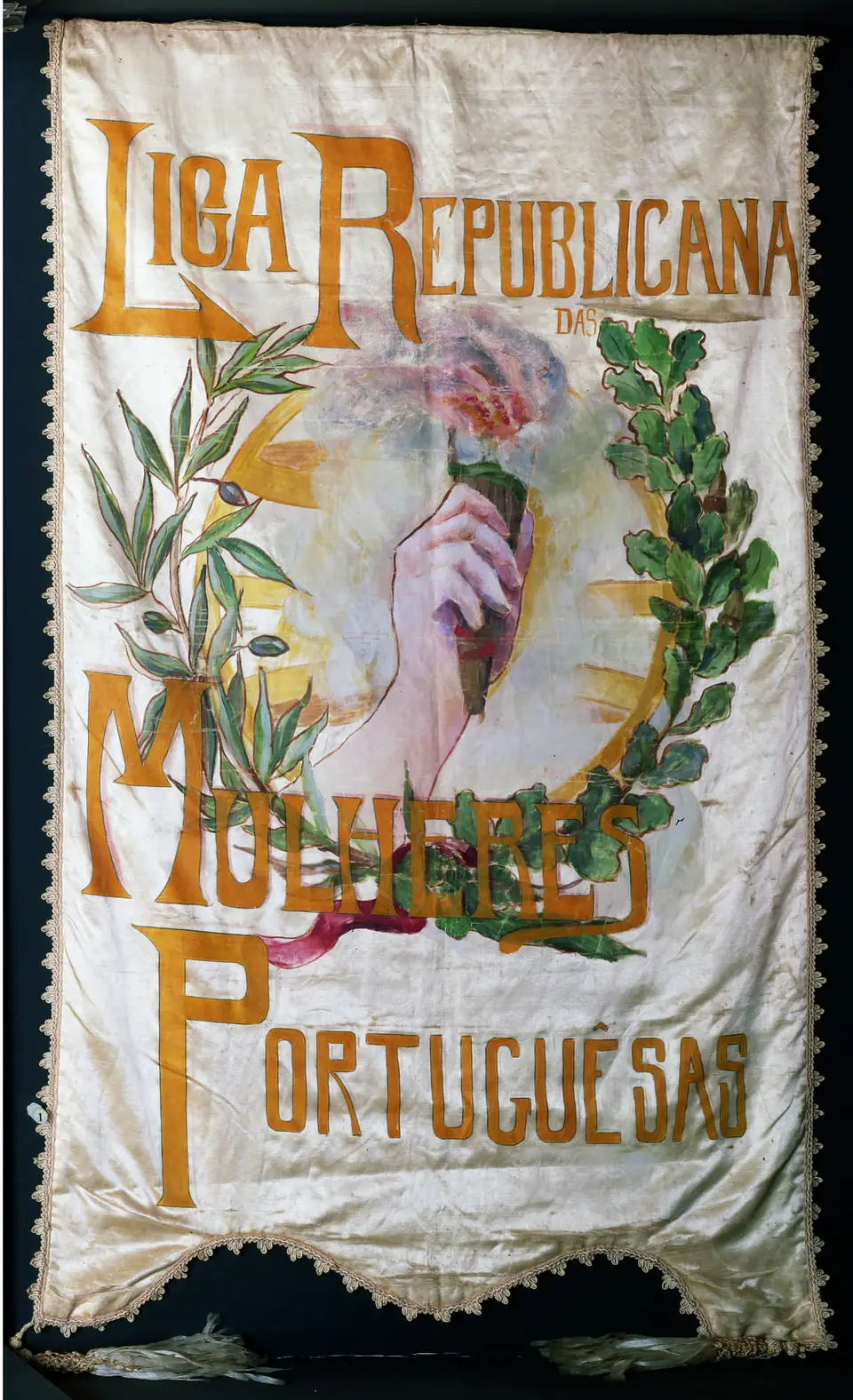
A writer, author of what is considered the first Portuguese feminist manifesto (1905), she launched the Republican League of Portuguese Women and founded, with Carolina Beatriz Ângelo, the Feminist Propaganda Association, which advocated the vote for educated women.
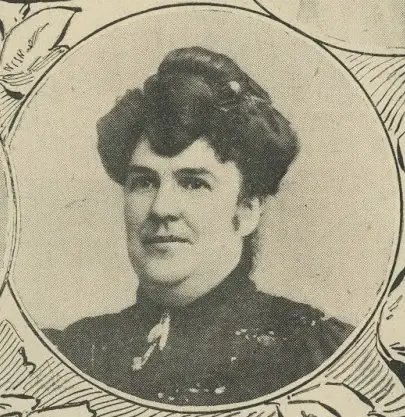
A philanthropist and feminist, she was vice-president of the National Council of Portuguese Women in 1928 and presented papers at both Feminist and Education Congresses, on assistance to women offenders and on the moral action of work.
A primary school teacher and nursery teacher, she taught at Workshop School No. 1, in Graça, a school of libertarian inspiration; she sat on the organising committee of the First Feminist and Education Congress, in 1924, and on the board of the National Council of Portuguese Women.
A republican teacher and journalist, she was active in the Republican League of Portuguese Women and in Freemasonry, and edited the publications of the National Council of Portuguese Women: the “Boletim Oficial” (Official Bulletin), from 1914, and the magazine “Alma Feminina” (Feminine Soul), from 1917.
A Lisbon writer and journalist, she was one of the figures of the National Council of Portuguese Women in the 1920s and took the paper “O voto às mulheres” (Votes for women) to the Second Feminist and Education Congress, in 1928.
Notes on the sources4
The date of the First Feminist and Education Congress: 4 to 9 May 1924 (FCSH+Lisboa, Wikipedia on the Council); Toponímia de Lisboa says 1925 and Wikipedia on Adelaide Cabete says 1921.
Who she shared the Restauradores practice with, and on which floor: with her niece, the dentist Maria Brazão, on the 2nd floor (Toponímia de Lisboa), or with her sister, Maria Brazão, and her nephew Arnaldo Brazão, on the 1st floor (FCSH+Lisboa).
The year the Republican League of Portuguese Women was founded: 1909 (Toponímia de Lisboa) or 1908 (Wikipedia).
Whether she edited the magazine “Alma Feminina”: Toponímia de Lisboa and Wikipedia say she founded it and edited it between 1920 and 1929; the National Library gives Maria Clara Correia Alves as its editor from 1917.
Do you know more, or do you have a document? Tell us.





.png)