Republicnotary, with an office in Alcântarawriter on public affairsauthor of two papers at the First Feminist and Education Congress (1924)
Born
1891, Porto
Died
1931, Valongo
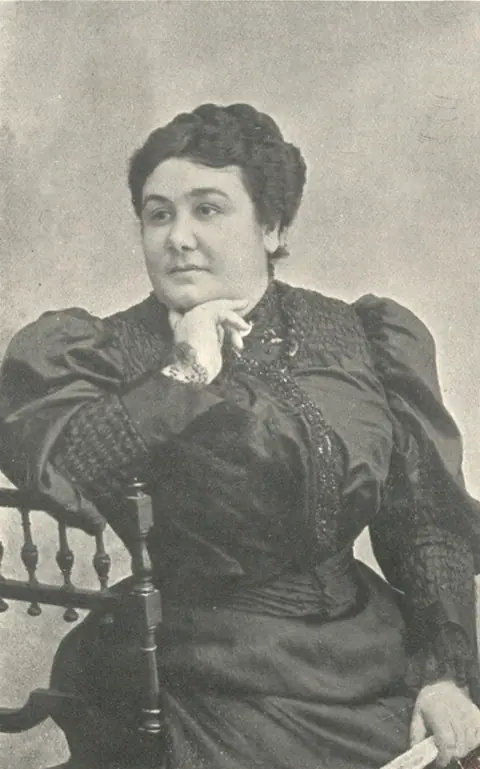
Described as the first Portuguese woman notary, with an office in Alcântara, she presented a paper at the First Feminist and Education Congress, in 1924, that demanded full political equality and the right to vote for Portuguese women.
Aurora Teixeira de Castro e Gouveia was born in Porto in 1891.1 She is described as the first Portuguese woman notary. She had a notary’s office in Alcântara, and her abilities earned her a firm place among Lisbon’s notaries.1
In May 1924, at the First Feminist and Education Congress, she presented two papers: “Reivindicações Sociais e Políticas da Mulher Portuguesa na República” (The Social and Political Demands of Portuguese Women in the Republic) and “Situação da Mulher Casada nas Relações Matrimoniais dos Bens do Casal” (The Position of the Married Woman in the Matrimonial Property Relations of the Couple). One of them, daring for its time, demanded full political equality for Portuguese women, “in the name of the principles of a genuine democracy”, and with it the right to vote.1
Among other works she published Notariado Português – sua História, Evolução e Natureza (The Portuguese Notariat: Its History, Evolution and Nature, 1923), Idades legais da mulher (Women’s Legal Ages, 1926) and Reivindicações feministas (Feminist Demands, 1928), and she wrote for Alma Feminina, of the National Council of Portuguese Women. She died in Valongo in 1931.1 Since 1988, the former Rua 6 in Bairro de Caselas has been called Rua Aurora de Castro, alongside streets named after other women pioneers, such as Carolina Beatriz Ângelo and Virgínia Quaresma.1
A republican doctor who only began studying after she married, she founded the National Council of Portuguese Women in 1914, chaired it for more than twenty years and made her practice in Restauradores its headquarters.
A philanthropist and feminist, she was vice-president of the National Council of Portuguese Women in 1928 and presented papers at both Feminist and Education Congresses, on assistance to women offenders and on the moral action of work.
A primary school teacher and nursery teacher, she taught at Workshop School No. 1, in Graça, a school of libertarian inspiration; she sat on the organising committee of the First Feminist and Education Congress, in 1924, and on the board of the National Council of Portuguese Women.
A Lisbon writer and journalist, she was one of the figures of the National Council of Portuguese Women in the 1920s and took the paper “O voto às mulheres” (Votes for women) to the Second Feminist and Education Congress, in 1928.
One of the first women to graduate in law in Portugal, she was the first to practise as a lawyer, at the Boa-Hora Court, on 14 November 1913 — five years before the law opened the profession to women.
An educationalist and writer, she championed women’s education as a condition for a more democratic society. In 1888, commissioned by the government, she studied women’s secondary education abroad; she chaired the Portuguese Peace League.
Notes on the sources4
Whether she was the first Portuguese woman notary, as Toponímia de Lisboa and Wikipedia say, or whether Regina Quintanilha was, as 24 Notícias says (see Regina Quintanilha).
The full dates of birth and death: Toponímia de Lisboa gives only the years, 1891 and 1931.
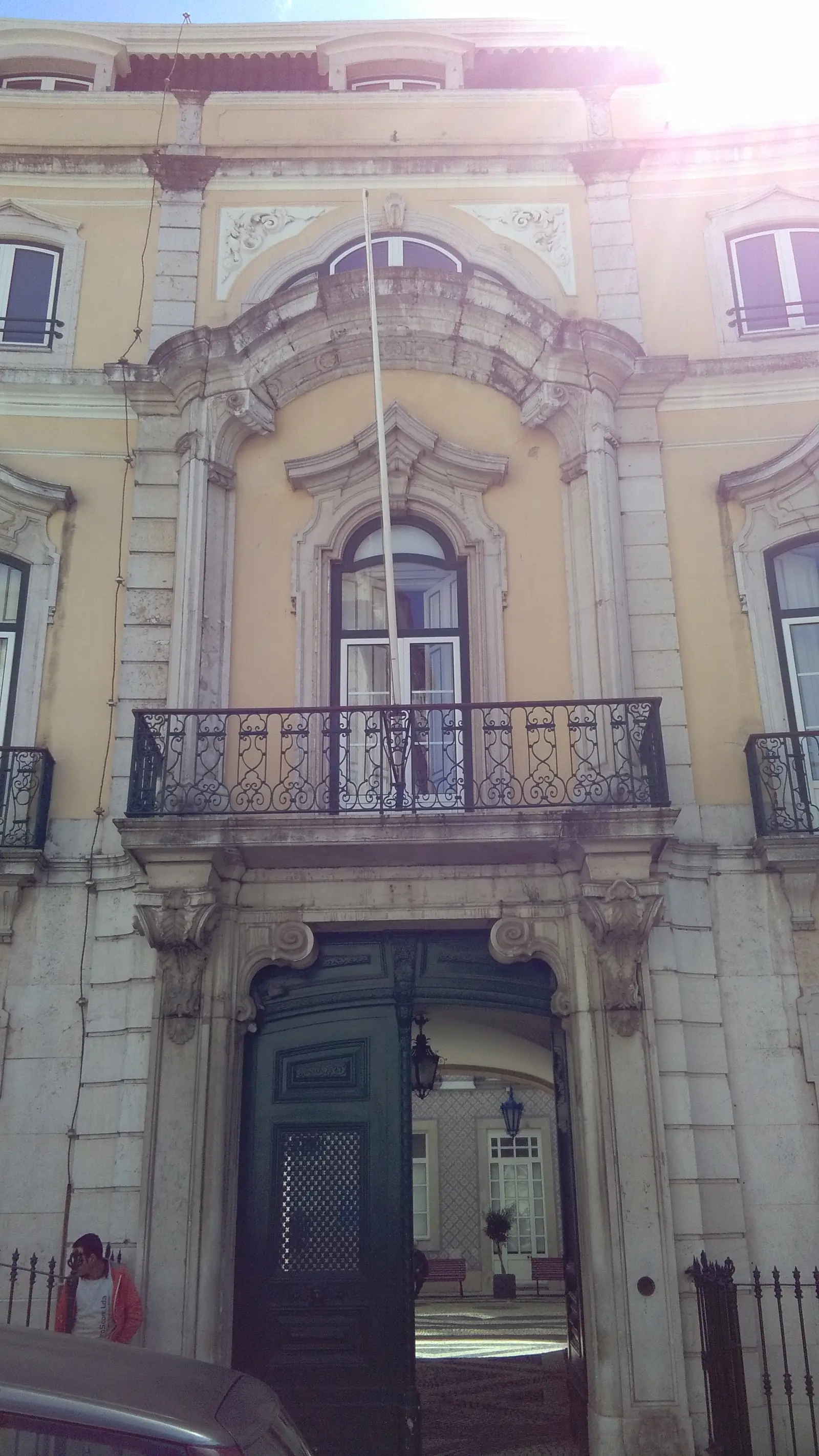
The address of the notary’s office in Alcântara and the date she was appointed notary.
Which of the two 1924 papers called for the vote: the source says only “one of them”.
Do you know more, or do you have a document? Tell us.