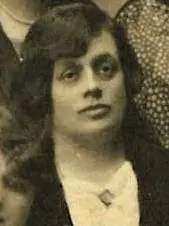
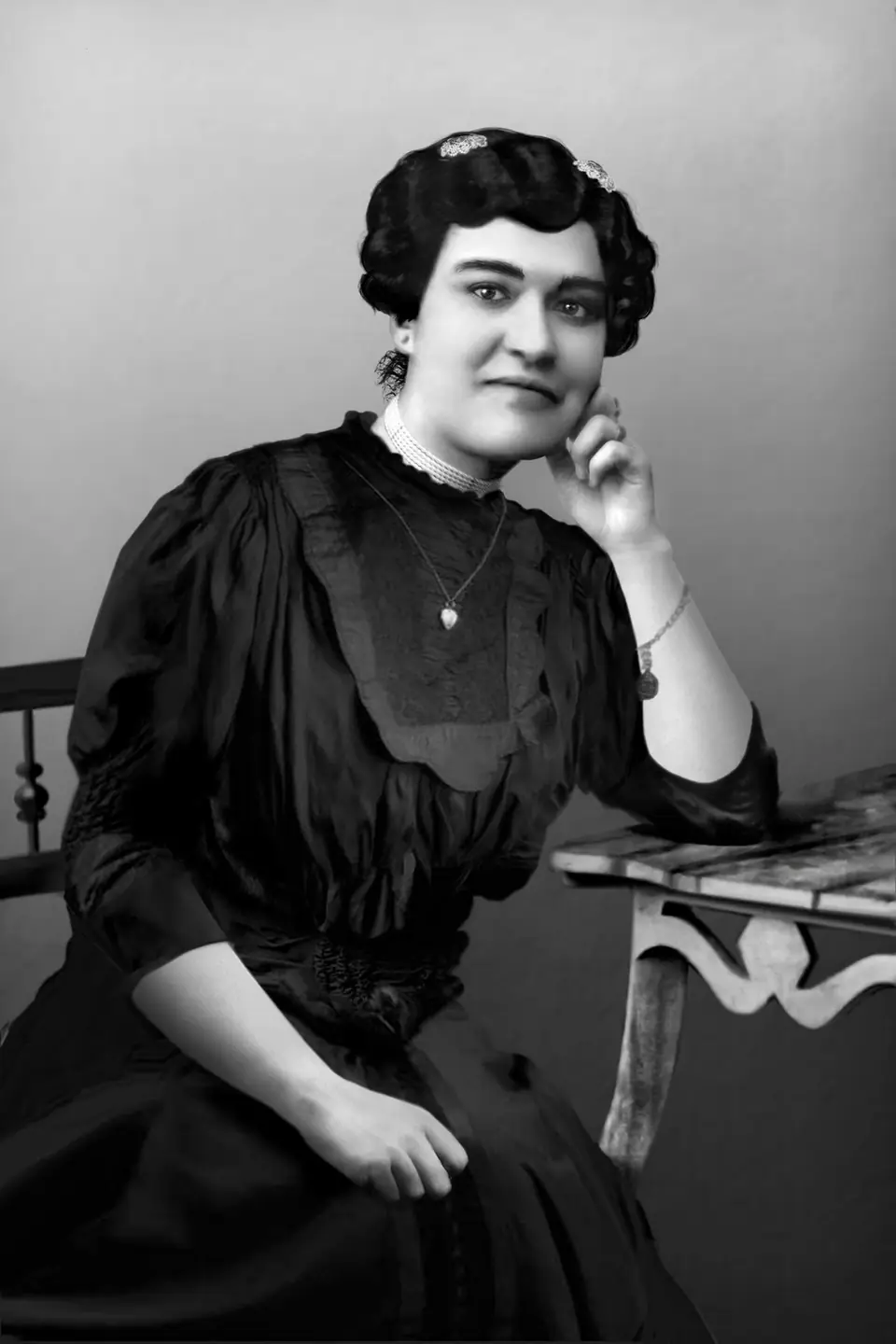
Republicteacherjournalist and editoreditor of the CNMP’s “Boletim Oficial” and “Alma Feminina”freethinker and Freemason
Born
3 May 1869, Montemor-o-Novo (Nossa Senhora do Bispo)
Died
2 February 1948, Lisbon (São Jorge de Arroios)
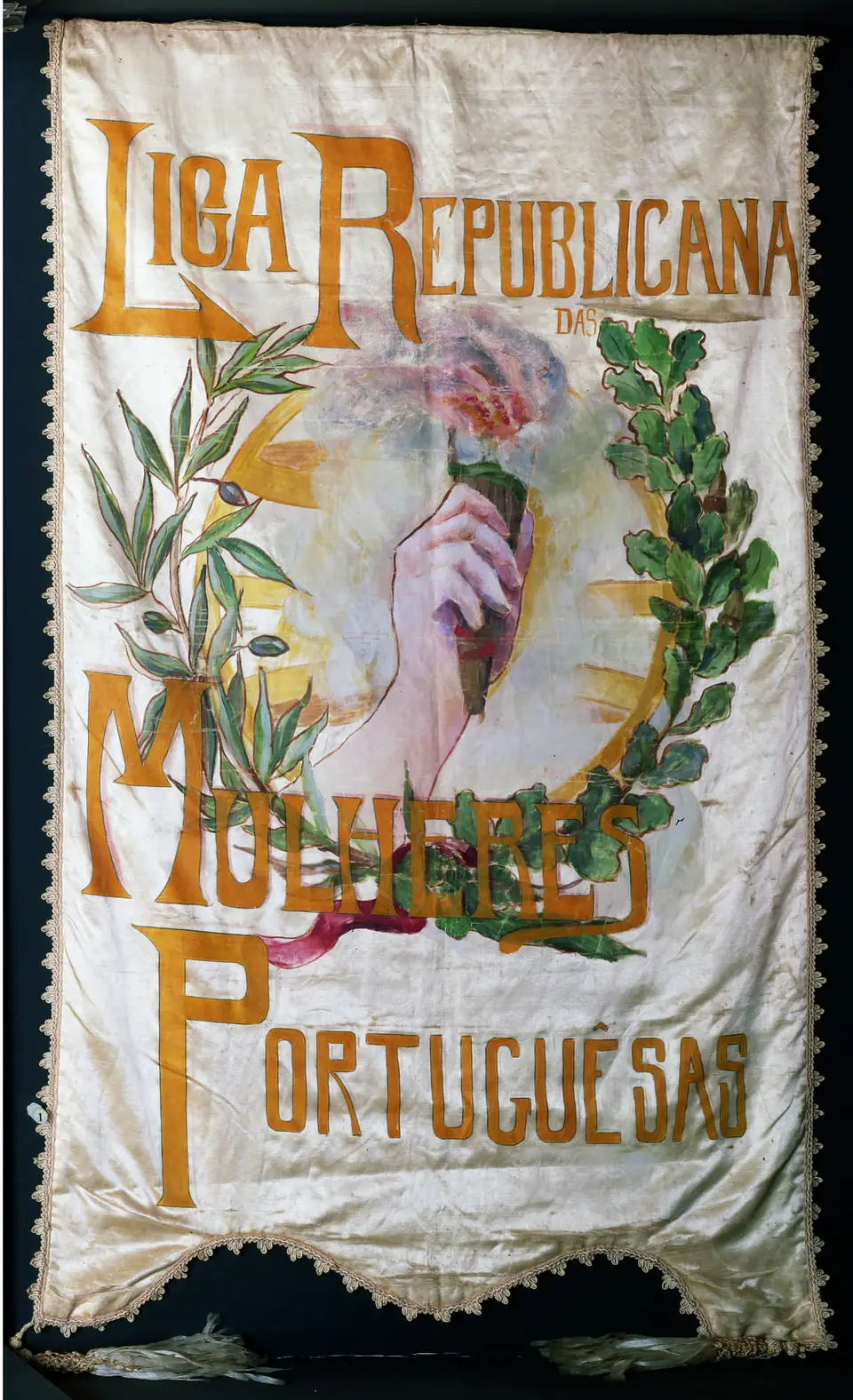
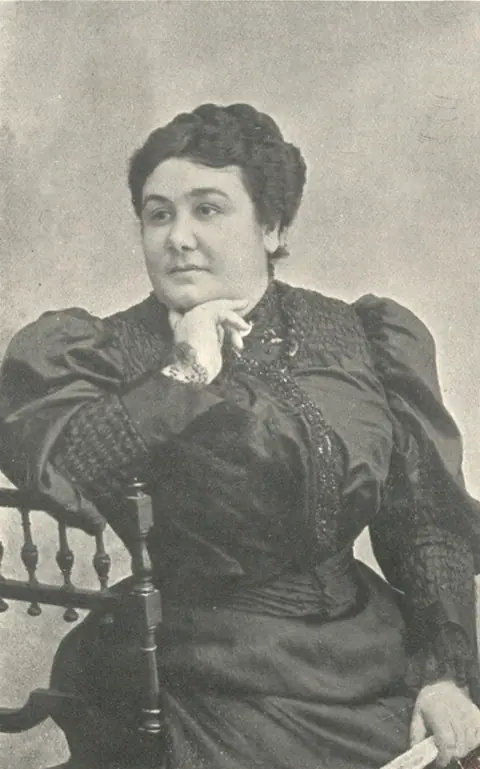
A republican teacher and journalist, she was active in the Republican League of Portuguese Women and in Freemasonry, and edited the publications of the National Council of Portuguese Women: the “Boletim Oficial” (Official Bulletin), from 1914, and the magazine “Alma Feminina” (Feminine Soul), from 1917.
She was born in Montemor-o-Novo in 1869 and settled in Lisbon while still young. She married in 1886, aged 16, in the Church of Santa Catarina, and shortly afterwards began teaching girls on Rua do Poço dos Negros.3 A republican and anticlerical, she joined the Republican League of Portuguese Women before the first decade of the 20th century was out, and worked there with Adelaide Cabete, Carolina Beatriz Ângelo, Maria Veleda, Angélica Viana Porto and Ana de Castro Osório.34 A freethinker, she joined the Portuguese Freethought Federation, where she came across Deolinda Lopes Vieira, and was initiated into Freemasonry in the Humanidade Lodge of the Grande Oriente Lusitano.3
She edited the publications of the National Council of Portuguese Women: the Boletim Oficial (Official Bulletin), whose first issue came out in November 1914, and the magazine Alma Feminina (Feminine Soul), from January 1917.12 In 1920, when the Uruguayan feminist Paulina Luisi was in Lisbon, she spoke at one of the lectures organised in her honour.3
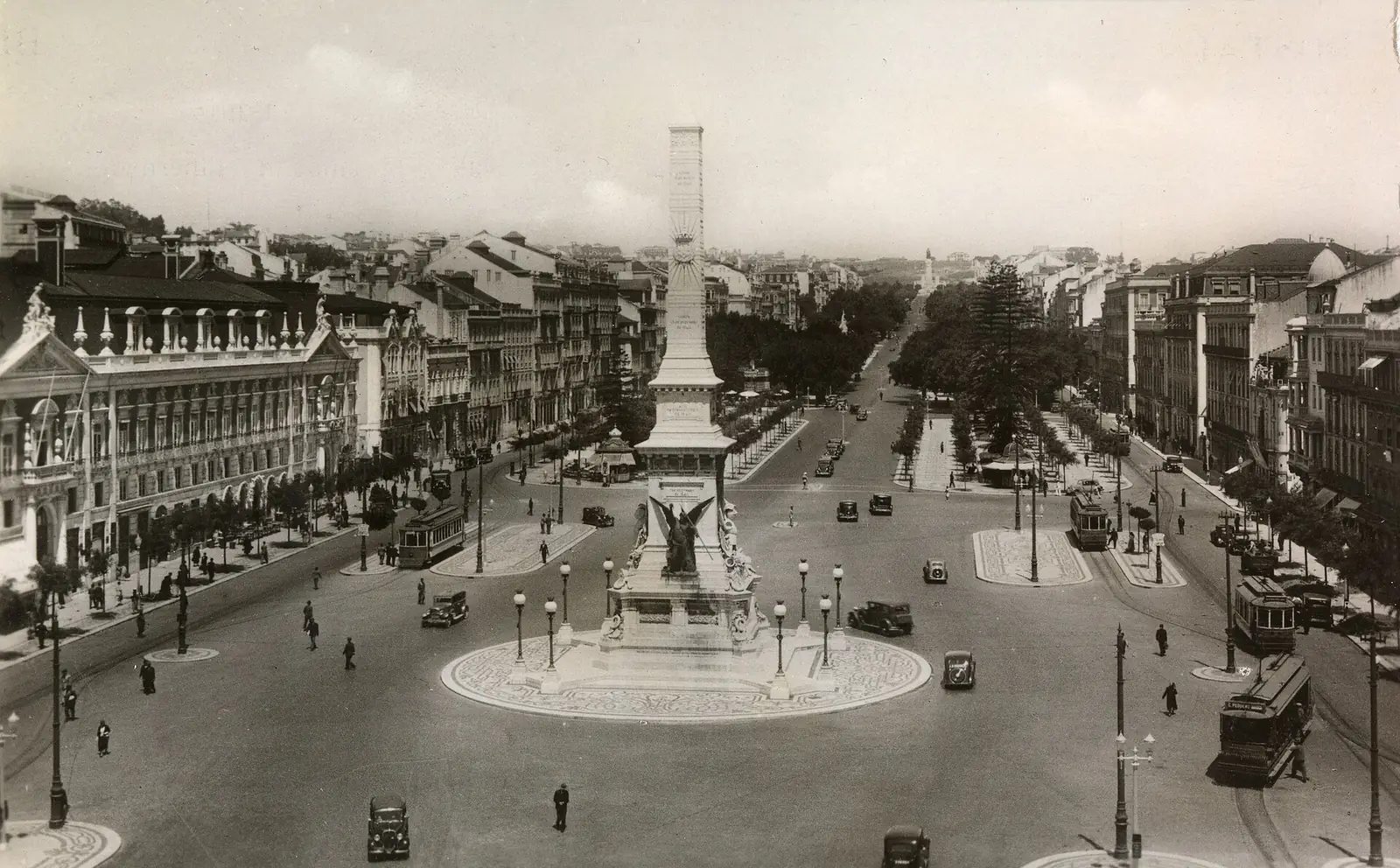
In the 1930s she ran the Municipal Library of Lisbon’s 2nd Bairro (district). She died in 1948, aged 78, at her home at no. 139 Avenida Almirante Reis.3
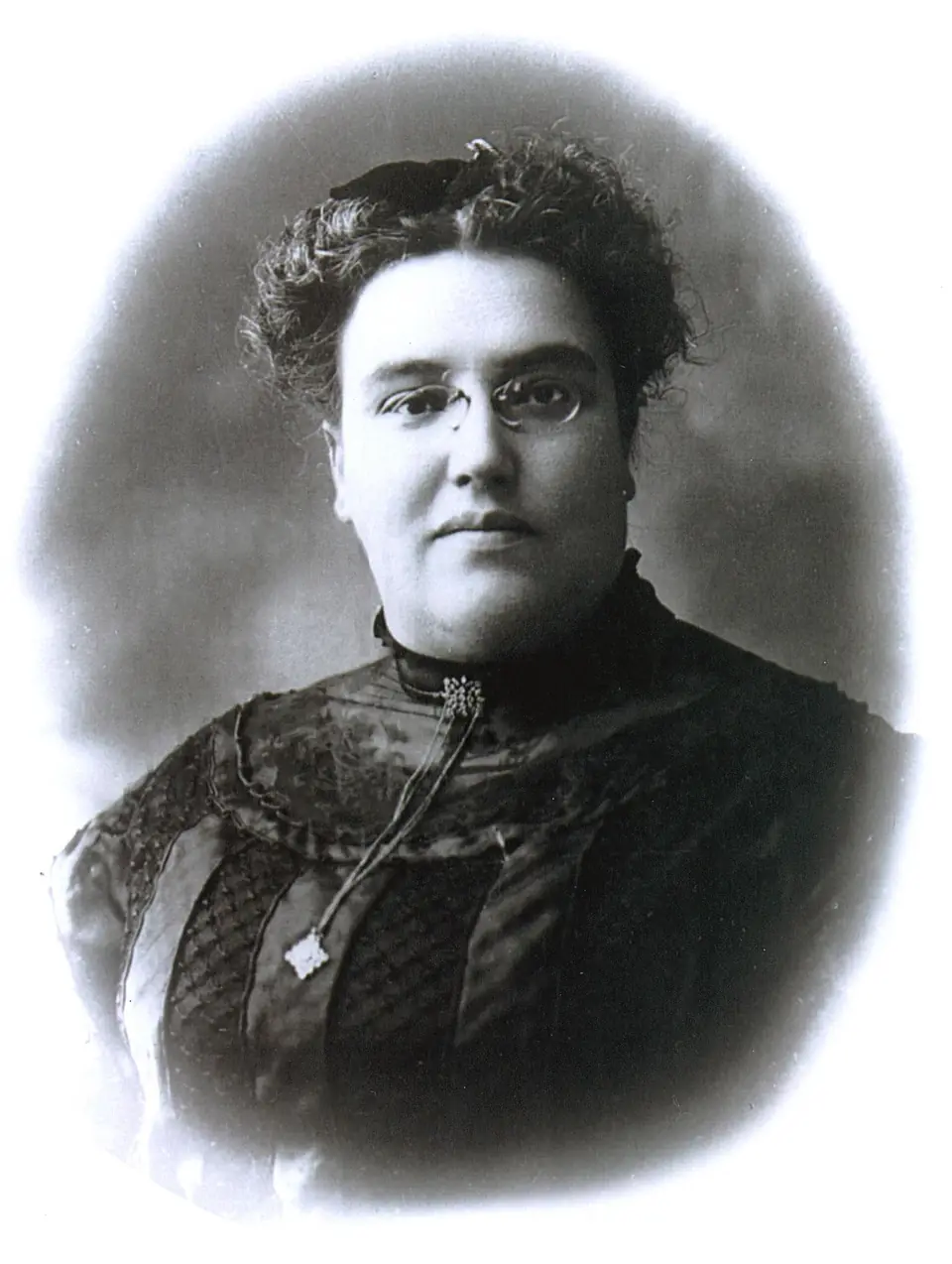
A republican doctor who only began studying after she married, she founded the National Council of Portuguese Women in 1914, chaired it for more than twenty years and made her practice in Restauradores its headquarters.
A jurist and feminist, a leader of the National Council of Portuguese Women until the Estado Novo (“New State”) closed it down in 1947. A forerunner of “legal feminism”, she championed votes for women, co-education and the rights of working women, and was part of the democratic opposition.
A writer, author of what is considered the first Portuguese feminist manifesto (1905), she launched the Republican League of Portuguese Women and founded, with Carolina Beatriz Ângelo, the Feminist Propaganda Association, which advocated the vote for educated women.
A philanthropist and feminist, she was vice-president of the National Council of Portuguese Women in 1928 and presented papers at both Feminist and Education Congresses, on assistance to women offenders and on the moral action of work.
Described as the first Portuguese woman notary, with an office in Alcântara, she presented a paper at the First Feminist and Education Congress, in 1924, that demanded full political equality and the right to vote for Portuguese women.
A doctor, the first Portuguese woman surgeon and a suffragist. A widow and “head of household”, she won in court the right to be registered as a voter and, on 28 May 1911, at the Clube Estefânia, became the first woman to vote in Portugal.
Notes on the sources2
The dates and places of birth, marriage and death come only from Wikipedia, which cites the parish and civil registers.
Until when she edited “Alma Feminina”: until 1920, according to Wikipedia; the National Library’s record, which covers the magazine from 1917 to 1946, lists her as editor, without dates.
Do you know more, or do you have a document? Tell us.