Santa Maria Maior
Café Gelo
A café on the Rossio where, between 1957 and 1962, the “Café Gelo Group” of dissident poets and painters used to meet; the group was banned from entering it after May Day 1962.
Café Gelo, on the Rossio, had a long-standing reputation for conspiracy: according to Wikipedia, it was from here that Alfredo Costa and Manuel Buíça, the regicides, set out on 1 February 1908.
Between 1957 and 1962, the café was the meeting place of a group of writers and artists that at one point had almost thirty members — among them Herberto Helder, António José Forte, Manuel de Lima, Natália Correia, António Gancho, Manuel de Castro, Pedro Oom, Mário Cesariny, Manuel Cargaleiro, Carlos Fernandes and Luiz Pacheco. According to Wikipedia, which cites an interview in Público (2017), the writer Hélder Macedo, who was part of the group, explained that its original core was not surrealist: what they had in common was “an attitude of dissent, of refusing to collude”, in political, social, moral or sexual terms.
The meetings ended in 1962. According to Wikipedia, on May Day that year, during the demonstration that was violently repressed in the Baixa, members of the group are said to have thrown metal sugar bowls at the riot police, who came into the café and beat the people inside; the manager was summoned to the police station and the group was banned from the Gelo, and began meeting instead at the Café Palladium, on Avenida da Liberdade.
The café changed its layout several times; according to the same source, in 2024 it became a seafood restaurant.
On the walks
Where it is
Map showing where Café Gelo is.
Dates
1957
The “Café Gelo Group” begins meeting (until 1962).
1 May 1962
Incident with the riot police during the May Day demonstration; the group is banned from the café.
People connected with this place

Nearby
60 m · 5 min on foot
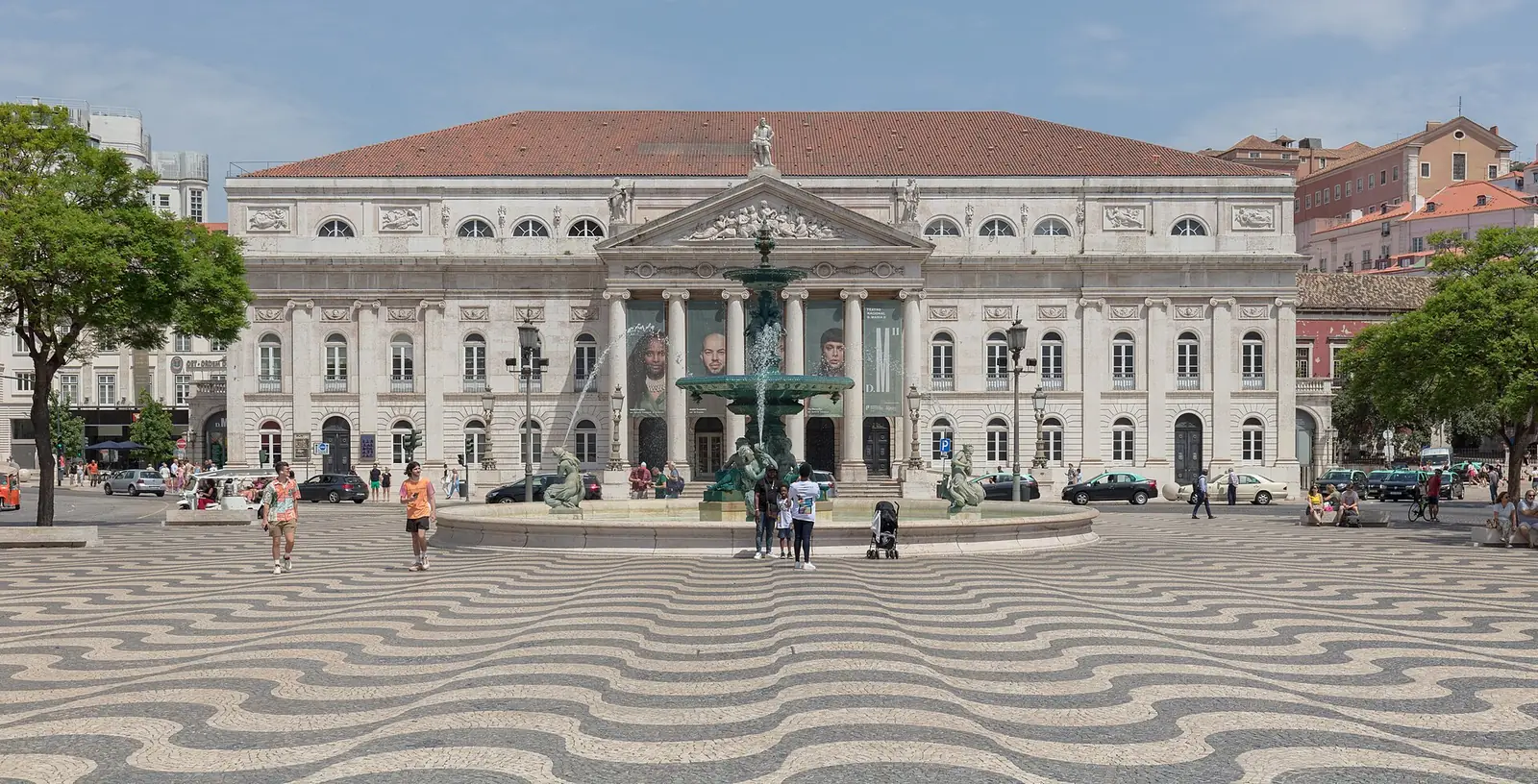
D. Maria II National Theatre
Today: D. Maria II National Theatre
The national theatre, in the Rossio. Maria Barroso made her debut here in 1944 and was José Régio’s “Benilde”; in 1948, an order from the police and the Ministry of Education took her off this stage. The company that ran it worked under censorship until the fire of 1964.
Culture and censorshipWomenRepression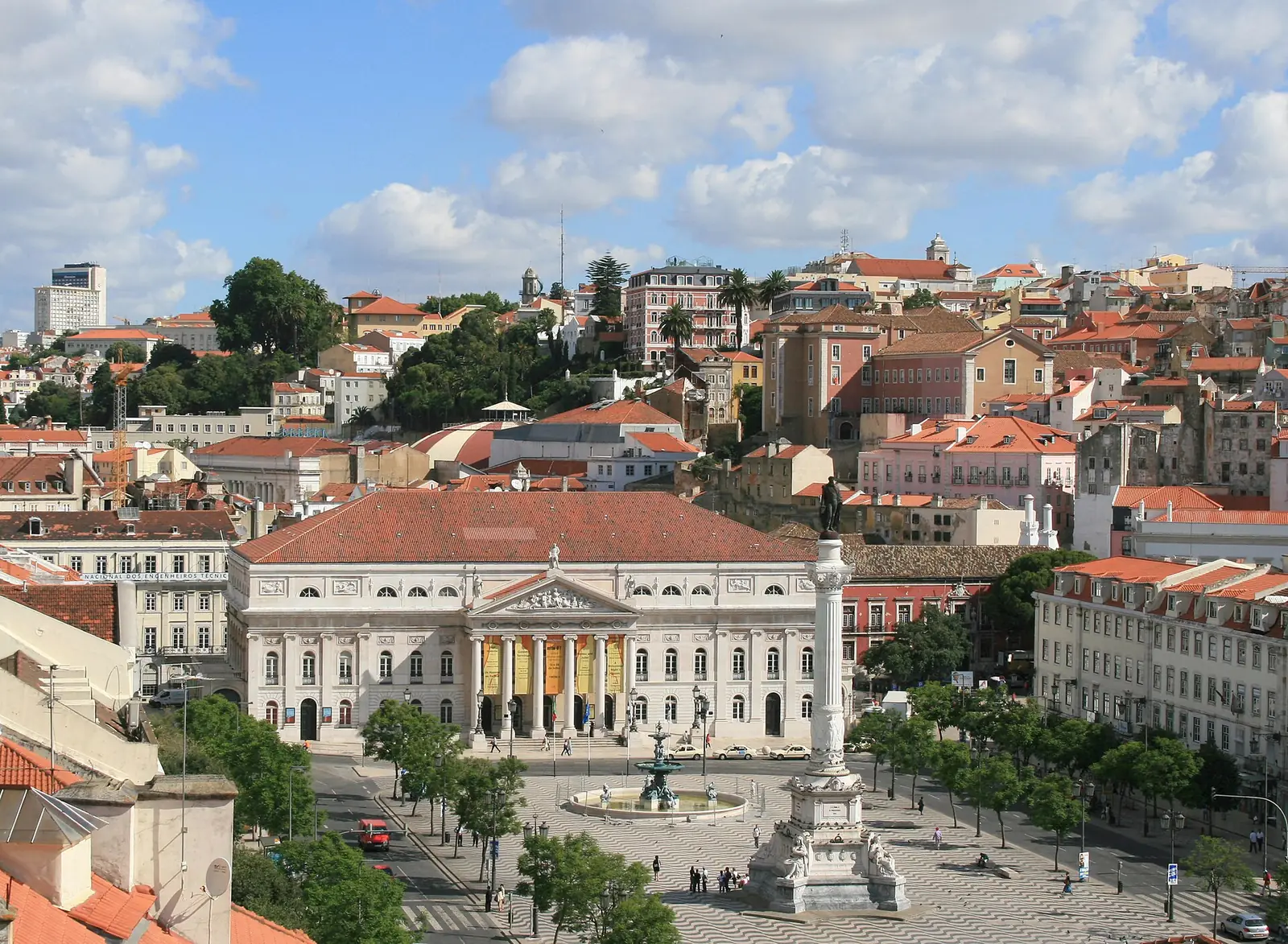
100 m · 5 min on foot
Café Chave d'Ouro
Today: A Caixa Geral de Depósitos bank branch
On the first floor of this café on the Rossio, on 10 May 1958, Humberto Delgado answered “Obviously, I’ll sack him!” (Obviamente, demito-o!) when asked what he would do with Salazar if he were elected.
Opposition100 m · 5 min on foot
Rossio (Praça de D. Pedro IV)
Today: Praça D. Pedro IV
On the Rossio, the GNR charged Humberto Delgado’s supporters in 1958 and the police put down the May Day demonstration of 1962. On 25 April 1974, Salgueiro Maia’s column passed through here, among the crowd, on its way to the Carmo.
OppositionLabourStudents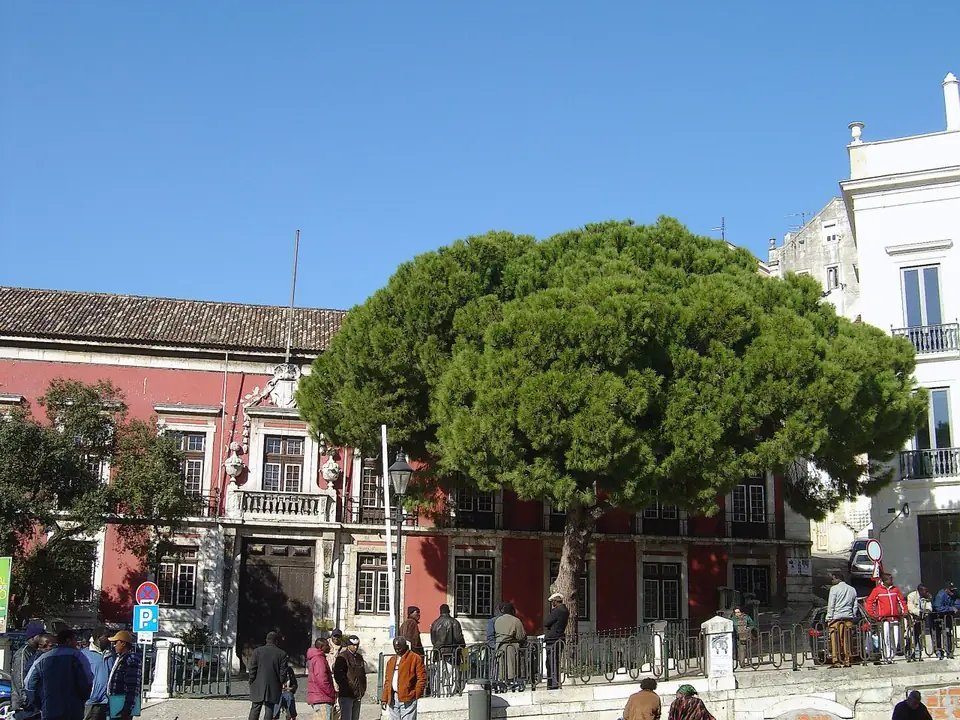
140 m · 5 min on foot
Palácio da Independência – headquarters of the Portuguese Youth (Mocidade Portuguesa)
Today: Palácio da Independência (Historical Society of the Independence of Portugal)
In the palace where the uprising of 1 December 1640 was planned, the Estado Novo set up the headquarters of the Portuguese Youth (Mocidade Portuguesa), the regime’s youth organisation. Abolished on 25 April 1974 itself, it made way for the Association of the Disabled of the Armed Forces.
Repression


Notes on the sources3
- The sugar-bowl episode on May Day 1962 has only been read in Wikipedia (which cites Luiz Pacheco); to be checked in the Observador article “Café Gelo: os 60 anos de um grupo que nunca existiu” (Café Gelo: the 60 years of a group that never existed) or in Público (17 March 2017).
- The text of the plaque by the door.
- The seafood restaurant that now occupies the space (since 2024) is mentioned only by Wikipedia.
Do you know more, or do you have a document? Tell us.
Sources
- 1Café Gelo. Wikipédia — consulted on 2 October 2026
- 2Natália Correia. Museu do Aljube Resistência e Liberdade (EGEAC) — consulted on 2 October 2026
Coordinates: OpenStreetMap (Nominatim), consultado a 2 de outubro de 2026.