Santa Maria Maior
Coliseu dos Recreios
On 29 March 1974, less than a month before the revolution, the 1st Portuguese Song Meeting (I Encontro da Canção Portuguesa) filled the Coliseu. Censorship had cut songs, but the audience sang “Grândola, Vila Morena” in chorus and shouted “Down with repression!” (abaixo a repressão!).
The Coliseu dos Recreios opened on 14 August 1890.1 On 29 March 1974 it was the stage for the 1st Portuguese Song Meeting (I Encontro da Canção Portuguesa), with José Afonso, José Carlos Ary dos Santos, Fernando Tordo, Manuel Freire, Fausto, Adriano Correia de Oliveira, José Jorge Letria and Vitorino, as Carlos Gil’s photographs at the Casa Comum show.2
According to Wikipedia, the censors took a month to examine the lyrics and banned thirty songs and poems. The hall sold out and thousands of people were left in the street; the PIDE/DGS, the censors and the PSP kept watch and took notes.3 The 50 Years Commemorative Commission describes the meeting as a cultural event that was, above all, an act of protest against the dictatorship.4
José Afonso sang “Grândola, Vila Morena” (Grândola, swarthy town), one of the songs that had escaped the “blue pencil”, and the whole hall sang with him; at the end, thousands of people shouted “Down with repression!” (abaixo a repressão!).5 Less than a month later, at 00:20 on 25 April, the same song was played on Rádio Renascença as the signal of the Armed Forces Movement. Wikipedia links the choice to the night at the Coliseu and says there were captains of the Movement in the audience.3
On the walks
From the archives
In other archives
These can only be viewed on each archive’s own website.
Where it is
Map showing where Coliseu dos Recreios is.
Dates
14 August 1890
The Coliseu dos Recreios opens.
29 March 1974
1st Portuguese Song Meeting: the audience sings “Grândola, Vila Morena”.
People connected with this place

Nearby
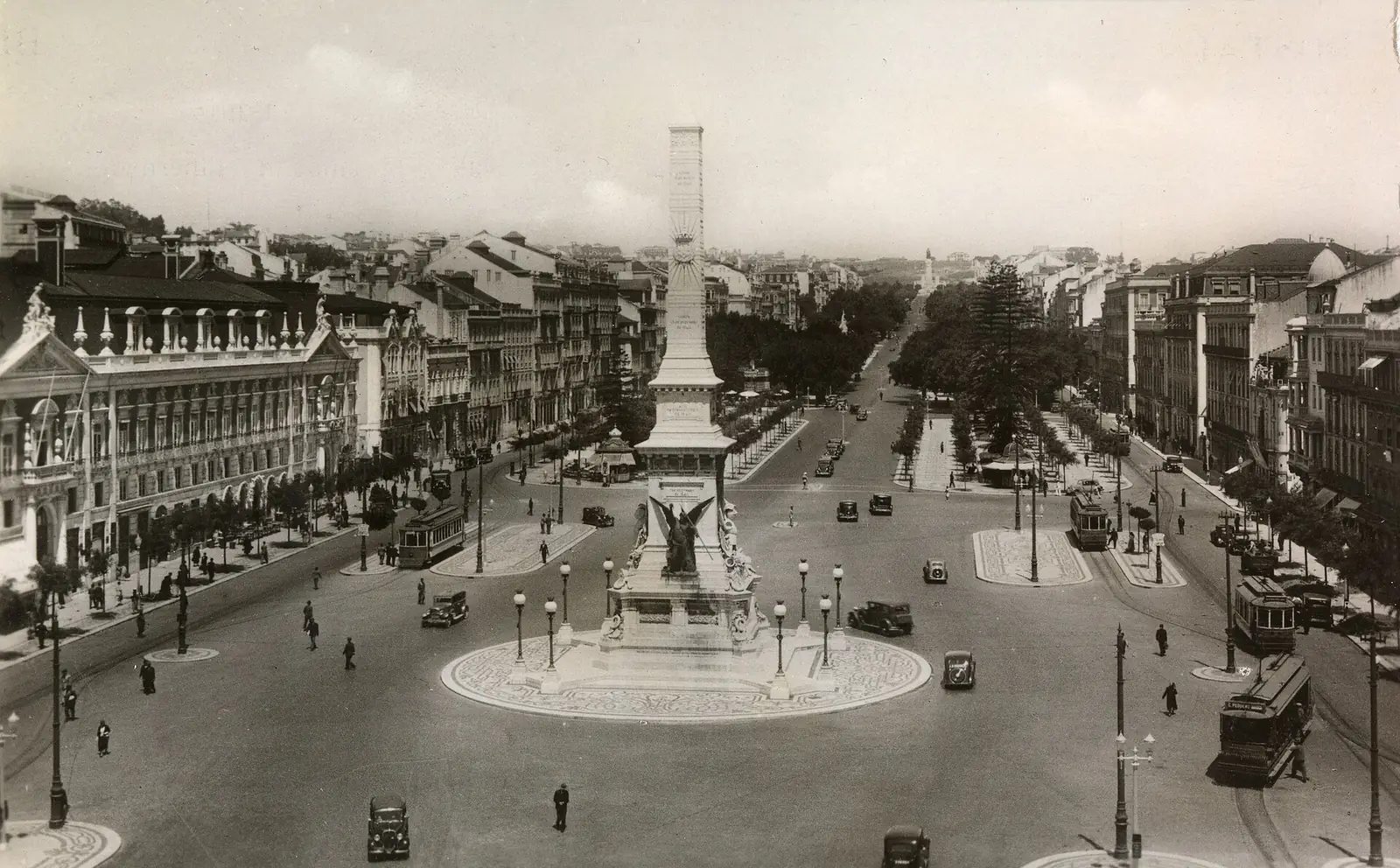
150 m · 5 min on foot
National Council of Portuguese Women
Today: Praça dos Restauradores, 13
In Adelaide Cabete’s surgery, on this square, the National Council of Portuguese Women was born in 1914 — “the most important and longest-lasting Portuguese feminist association of the first half of the 20th century”. It had its headquarters here for 32 years.
WomenRepublicOpposition160 m · 5 min on foot
Palácio Camarido – FNAT headquarters
Today: Headquarters of the INATEL Foundation
In 1946 this former palace on Calçada de Sant'Ana became the headquarters of the FNAT, the National Foundation for Joy at Work, through which the corporative State filled workers’ free time. It is still the headquarters of the INATEL Foundation, which succeeded it.
LabourRepression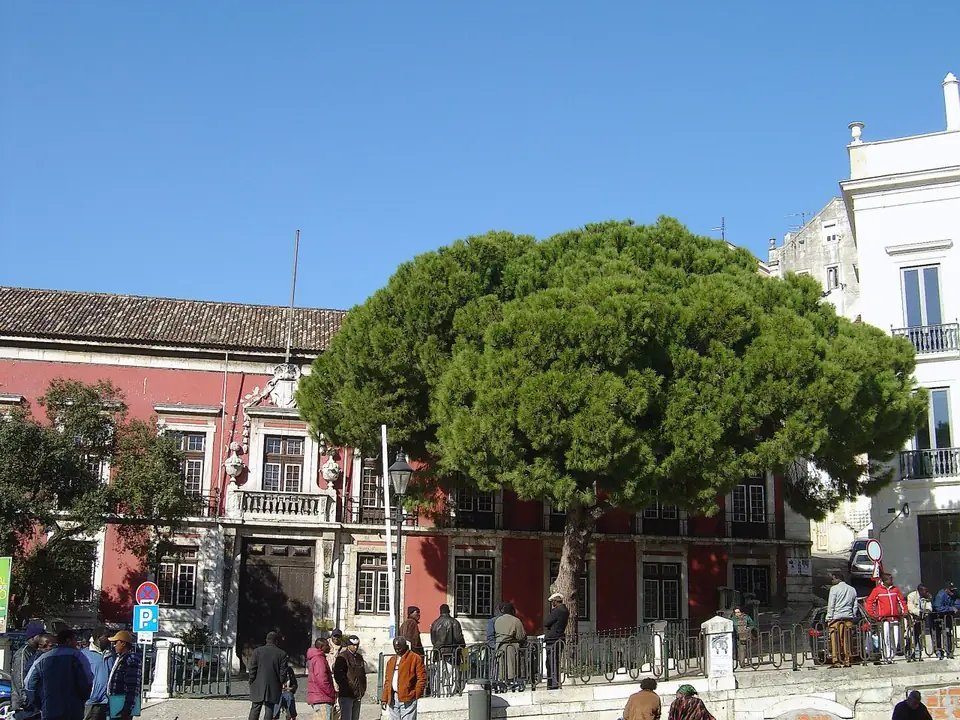
180 m · 5 min on foot
Palácio da Independência – headquarters of the Portuguese Youth (Mocidade Portuguesa)
Today: Palácio da Independência (Historical Society of the Independence of Portugal)
In the palace where the uprising of 1 December 1640 was planned, the Estado Novo set up the headquarters of the Portuguese Youth (Mocidade Portuguesa), the regime’s youth organisation. Abolished on 25 April 1974 itself, it made way for the Association of the Disabled of the Armed Forces.
Repression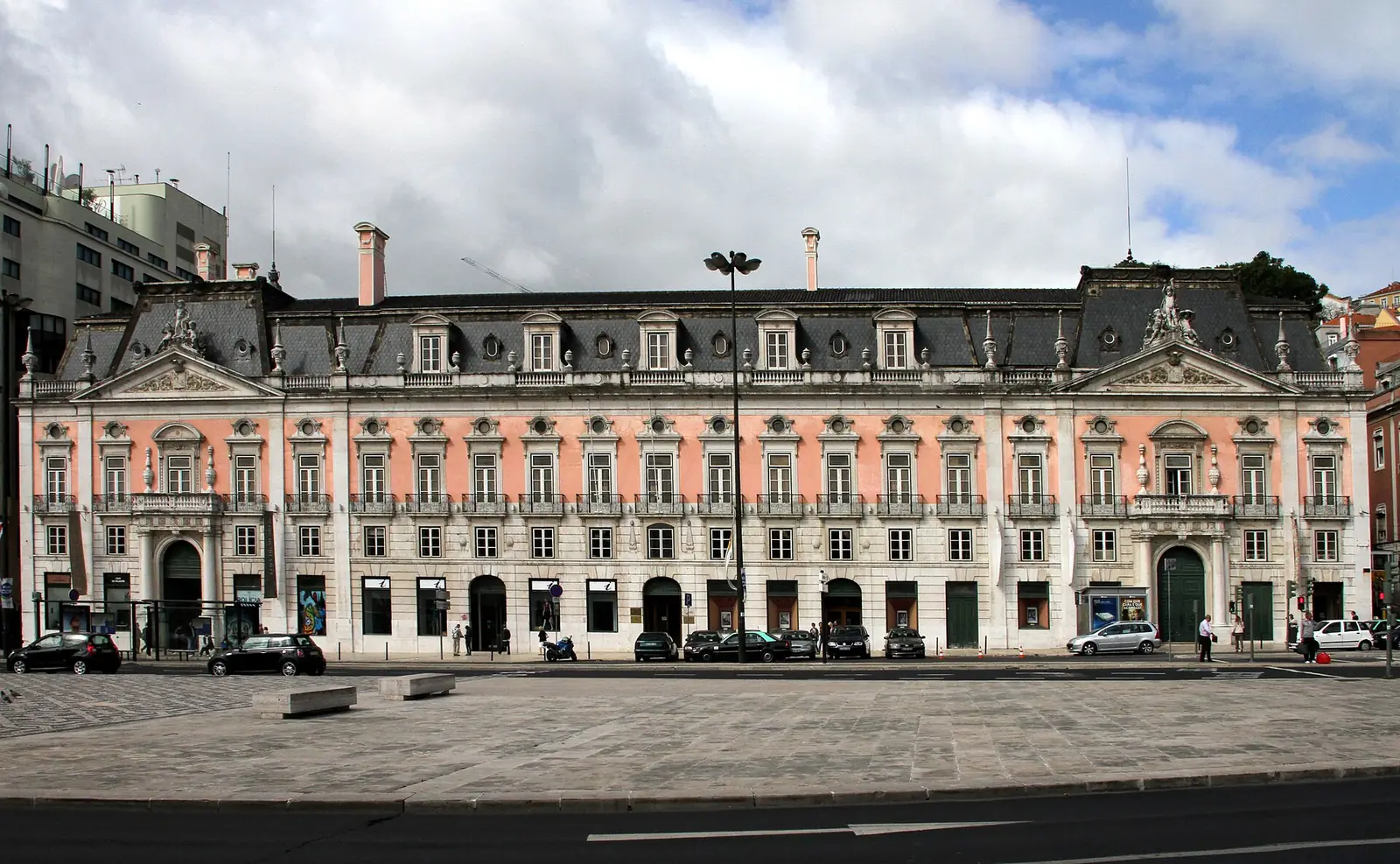
210 m · 5 min on foot
Palácio Foz – National Propaganda Secretariat / National Information Secretariat (SPN/SNI)
Today: Palácio Foz: public services and the National Sports Museum
A palace on Restauradores bought by the State in 1940 for the regime’s propaganda machine (the SPN, later the SNI), headed by António Ferro. Press censorship worked in the same building, with its entrance on Calçada da Glória, between 1947/48 and 1961.
RepressionCulture and censorship


Notes on the sources2
- The date: 29 March 1974 (Wikipedia, which cites Madeira, 2015; dated photographs at the Casa Comum) or 28 March (chronology of the 25 April Association).
- The number of banned songs (thirty), the crowd in the street and the presence of MFA captains in the audience have only been read in Wikipedia.
Do you know more, or do you have a document? Tell us.
Sources
- 1Coliseu dos Recreios. Wikipédia — consulted on 2 October 2026
- 2I Encontro da Canção Portuguesa – José Afonso no Coliseu dos Recreios (fotografia de Carlos Gil, cota 07337.004.005). Casa Comum – Fundação Mário Soares e Maria Barroso — consulted on 2 October 2026
- 3Grândola, Vila Morena. Wikipédia — consulted on 2 October 2026
- 4Operação Viragem Histórica. Comissão Comemorativa 50 Anos 25 de Abril — consulted on 2 October 2026
- 5Canção Intervenção, 28/03/1974 (cronologia). Associação 25 de Abril — consulted on 2 October 2026
- 6Grândola: a música da revolução. RTP Ensina — consulted on 2 October 2026
- 740 anos do concerto do Coliseu. Associação José Afonso — consulted on 2 October 2026
- 8Período pré-revolução (01-01-1973 a 24-04-1974) – cronologia. Associação 25 de Abril — consulted on 2 October 2026
Coordinates: OpenStreetMap (Nominatim), consultado a 2 de outubro de 2026.