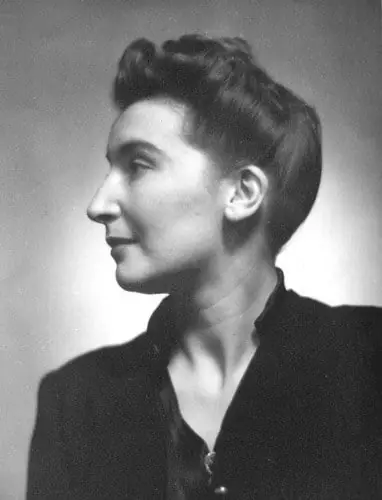
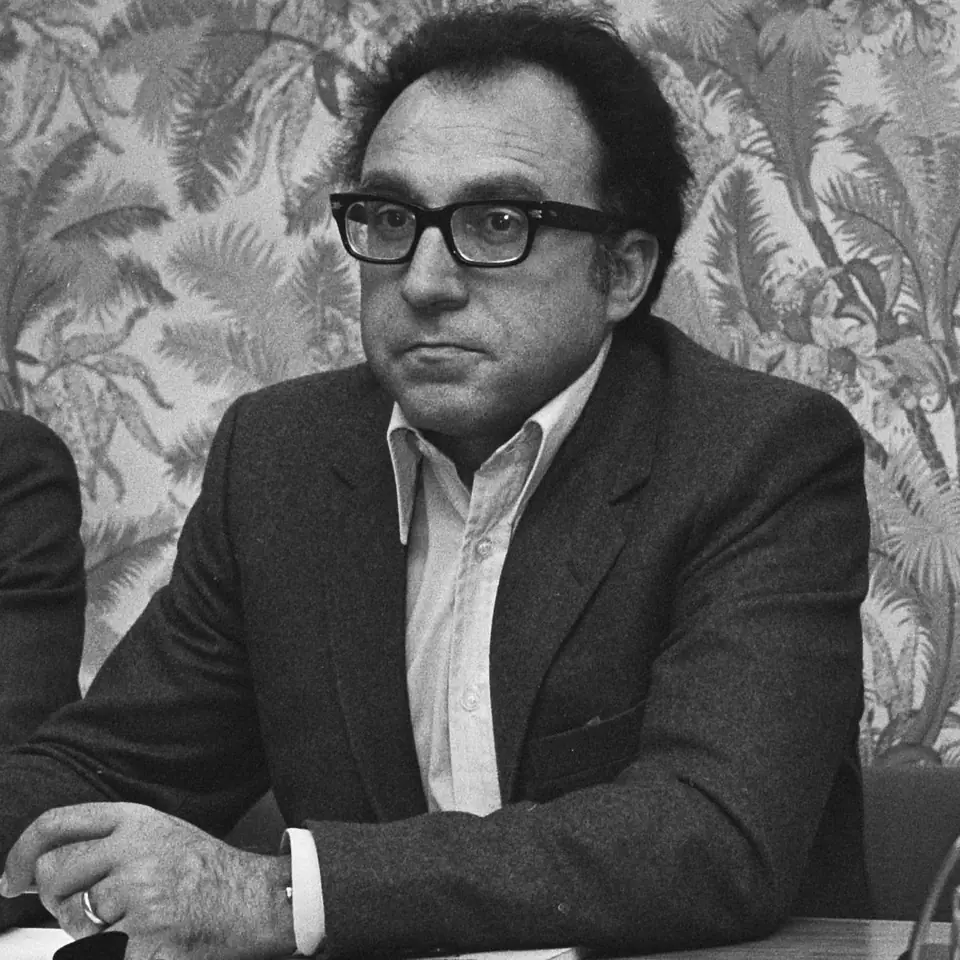
Maria Stella Bicker Correia Ribeiro Piteira Santos
Repressionfeminist and anti-fascist activistpolitical prisonerexile in Algeriaannouncer on Rádio Voz da Liberdade
Born
1 June 1917, Portimão
Died
22 January 2009, Lisbon
One of the first members of the Portuguese Women’s Association for Peace, she helped Jewish refugees during the war. Arrested and tortured by the PIDE in 1962, she went into exile in Algeria and was, in Algiers, the first female voice of Rádio Voz da Liberdade (Voice of Freedom Radio).
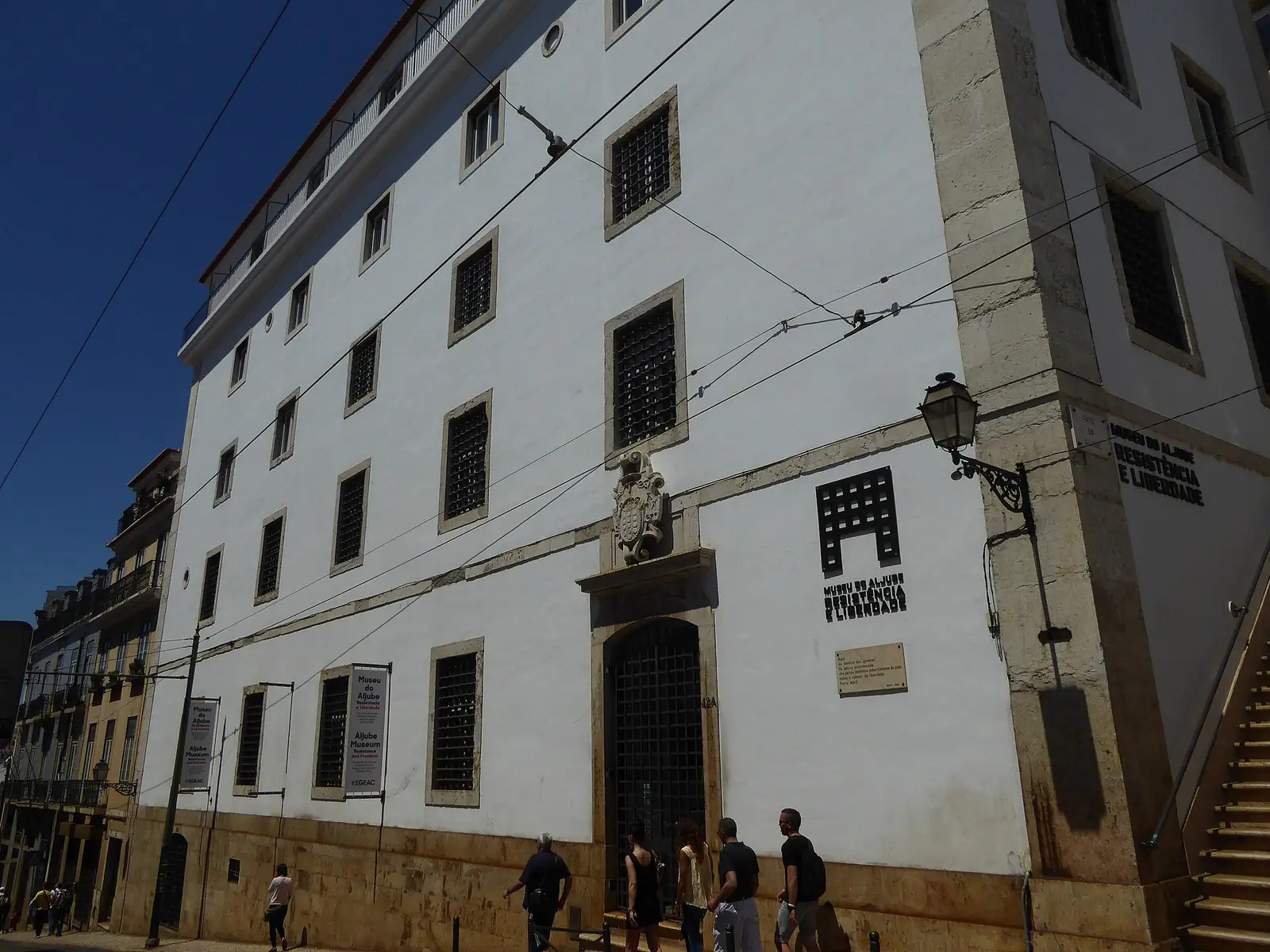
She was born in Portimão in 1917.2 She began her political activity in 1934, helping friends in the PCP: she typed up minutes and carried texts to the clandestine press.1 That year, aged 17, she married Inácio Fiadeiro, a law student and communist activist; they had two children, António and Maria Antónia Fiadeiro.2 In May 1938, with her husband and other PCP activists, she helped organise the escape of the communist leader Francisco de Paula Oliveira, “Pavel”, from the infirmary of Aljube Prison, where he was being treated, gravely ill; afterwards, the couple hid him in their home.2
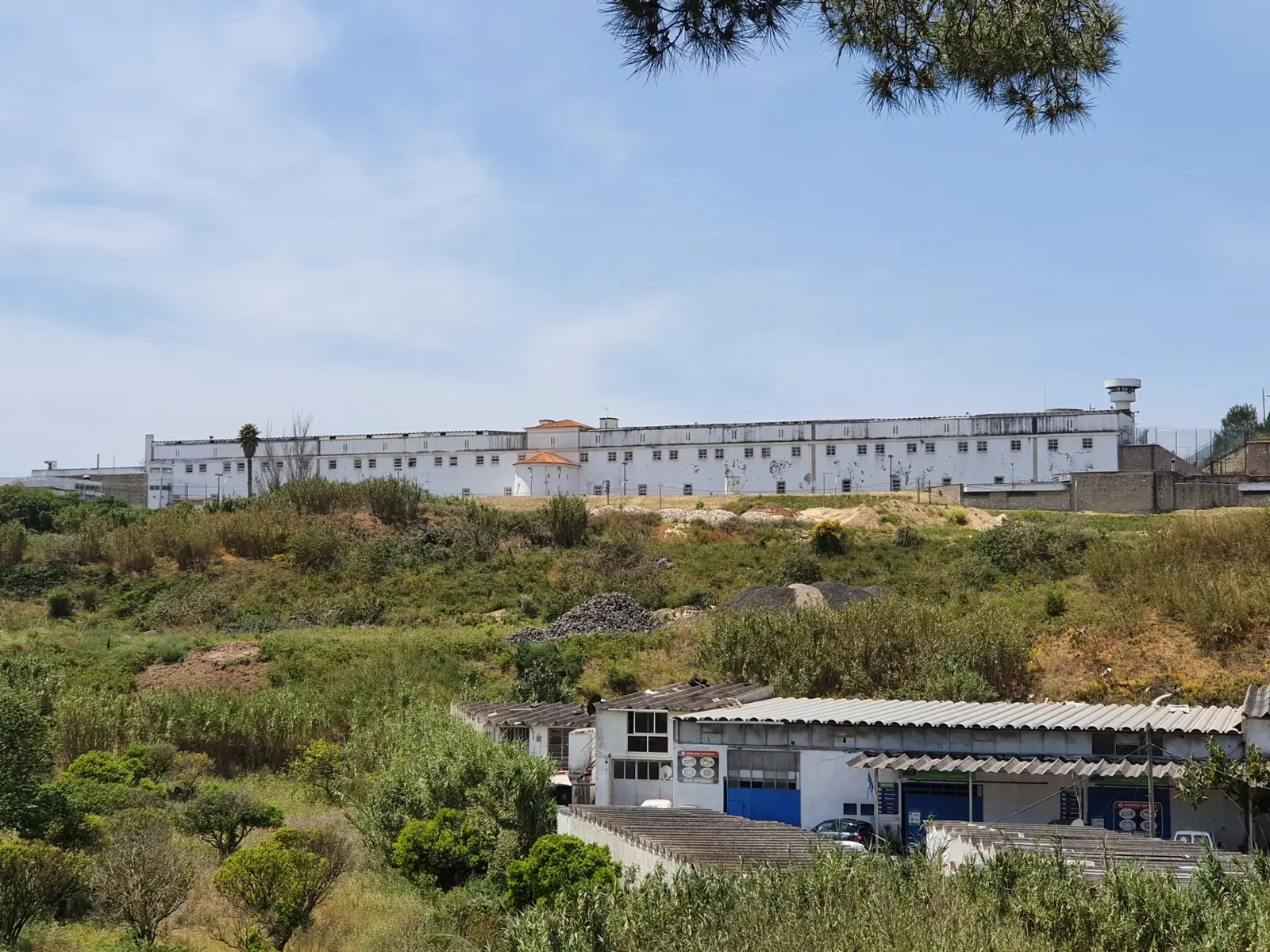
The PIDE arrested her on 15 February 1962. She spent almost two months in Caxias, where she was tortured, in a cell with Alda Nogueira, Sofia Ferreira and Cândida Ventura.21 She then went into exile in Algeria with her second husband, Fernando Piteira Santos, whom she had married in 1948.12 In Algiers she was the first woman announcer on Rádio Voz da Liberdade (Voice of Freedom Radio), created in 1963, and she worked there until 1974.2 It was her voice that opened the broadcasts: “Friends, companions and comrades, this is Rádio Voz da Liberdade, speaking on behalf of the Patriotic Front for National Liberation”.1
She returned to Portugal on 2 May 1974.2 She died in Lisbon in 2009.12
From the archives
In other archives
These can only be viewed on each archive’s own website.
An underground communist activist, she was arrested in 1959 and sentenced to eight years of major imprisonment plus security measures, which she served in Caxias. A deputy from the Constituent Assembly onwards, she chaired the Parliamentary Committee on the Status of Women from 1983 to 1985.
A journalist and writer, she edited “Modas e Bordados” (Fashions and Embroidery), chaired the National Council of Portuguese Women until the regime closed it down in 1947, and responded with “As Mulheres do Meu País” (The Women of My Country). She was arrested several times and lived in exile in Paris.
An actress, translator and reciter of poetry, she was vice-president of the National Council of Portuguese Women and, in 1947, spoke about Virginia Woolf at the Exhibition of Books Written by Women. Troubled by the exhibition, the regime closed the Council down that same year.
A teacher and feminist, the first woman on the Central Committee of the MUD, whom José Gomes Ferreira called “the Indomitable” (a Indomável). The regime closed her school, barred her from teaching and arrested her several times.
The daughter of farm labourers from Alhandra, she was arrested with Álvaro Cunhal and Militão Ribeiro in 1949 and again in 1959, and spent more than thirteen years in the dictatorship’s prisons.
A communist leader, he was one of the eight prisoners who escaped from Caxias in Salazar’s armoured car, in 1961. Arrested in 1959 and again in 1965, he withstood PIDE torture without talking.
Notes on the sources2
These come only from Wikipedia: her help in the escape of “Pavel” from the Aljube (May 1938), the date of her arrest (15 February 1962), her time in Caxias, the detail that she was the first woman announcer on Rádio Voz da Liberdade, and the day she returned to Portugal (2 May 1974). The CIG says only that she was arrested and tortured “in Lisbon” and that she was the voice of the radio station.
At which headquarters of the National Council of Portuguese Women she was active: the one in Restauradores or the one in Amoreiras, where the Council moved in 1946. Wikipedia places her joining after July 1946; the CIG gives no date.
Do you know more, or do you have a document? Tell us.