O Panteão Nacional (Igreja de Santa Engrácia), onde está sepultado Humberto Delgado, ao fim da tarde, em novembro de 2024.David Stanley, CC BY 4.0
São Vicente
Church of Santa Engrácia – National Pantheon
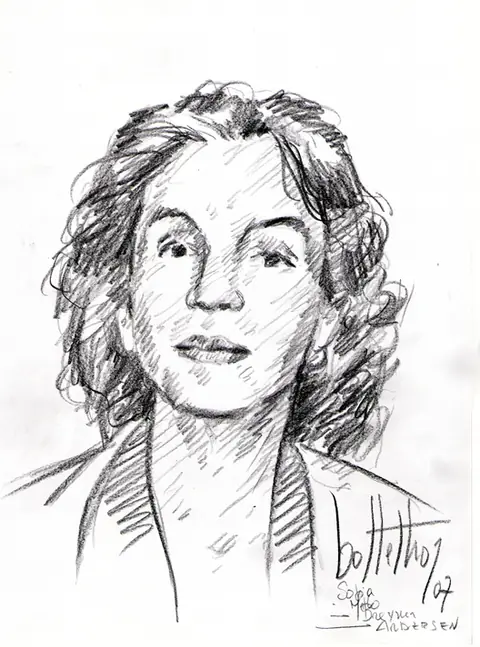
Since 1990 the remains of Humberto Delgado have rested here — the “Fearless General” (General sem Medo), murdered by the PIDE in 1965 together with his secretary, Arajaryr Campos — and, since 2014, those of the poet Sophia de Mello Breyner Andresen.
Today: National PantheonThere is a marker at the site
Law no. 520 of 29 April 1916, promulgated by Bernardino Machado, designated “the old and unfinished church of Santa Engrácia” as the National Pantheon. Listed as a national monument in 1910, it remained unfinished for decades and served as a depot for war materiel and as a shoe workshop. Only in 1956 was it decided to finish it; the work ended in 1966, and in December that year the Pantheon was inaugurated with the transfer of the remains of Almeida Garrett, João de Deus and Guerra Junqueiro and of Presidents Teófilo Braga, Sidónio Pais and Óscar Carmona.3
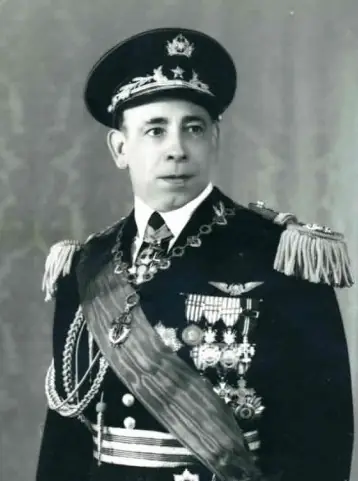
In 1988 the Assembly of the Republic granted the honours of the Pantheon to Humberto Delgado, the “Fearless General” (General sem Medo), the opposition candidate in the presidential election of 1958, which he lost through proven electoral fraud.35 On 13 February 1965, in a PIDE ambush near Badajoz — “Operation Autumn” (Operação Outono) — Delgado was murdered together with his secretary, the Brazilian Arajaryr Campos, who had been with him since his exile in Brazil and was 34. The bodies were only found in April, beside a track known as “Los Malos Pasos”, near the Portuguese border.65
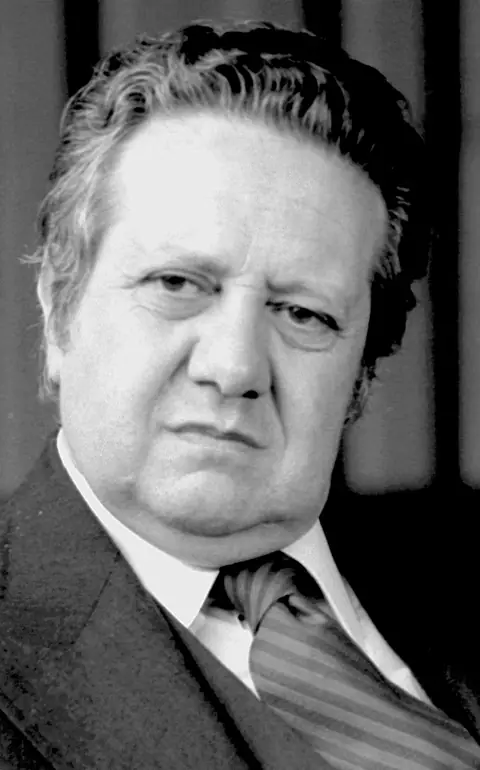
Buried in Spain, the general was moved to Lisbon in 1975 and to the Pantheon on 5 October 1990.13 The ceremony was attended by the President of the Republic, Mário Soares, with Maria Barroso, the Prime Minister, Cavaco Silva, and the President of the Assembly of the Republic, Vítor Crespo; the anti-fascist Emídio Guerreiro gave the eulogy for the general.4
On 2 July 2014, ten years after her death, the poet Sophia de Mello Breyner Andresen was moved to the Pantheon; she had supported Delgado’s candidacy, signed the Manifesto of the 101 against the colonial war, and been a member of the Constituent Assembly.83
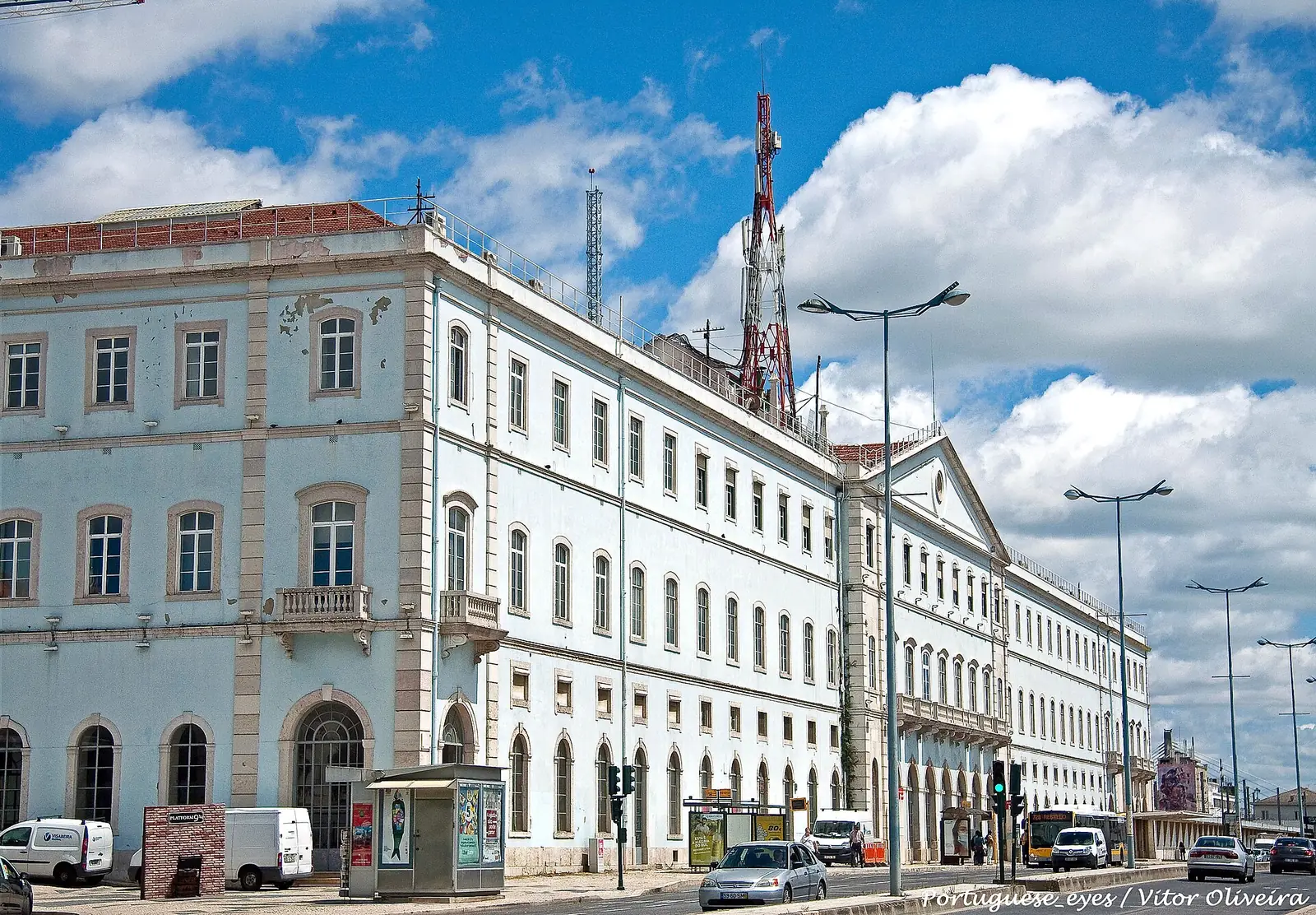
The station of homecomings. In 1958, a crowd waited here for Humberto Delgado, and the GNR charged it. On 28 April 1974, Mário Soares and Maria Barroso arrived back from exile, to a jubilant welcome.
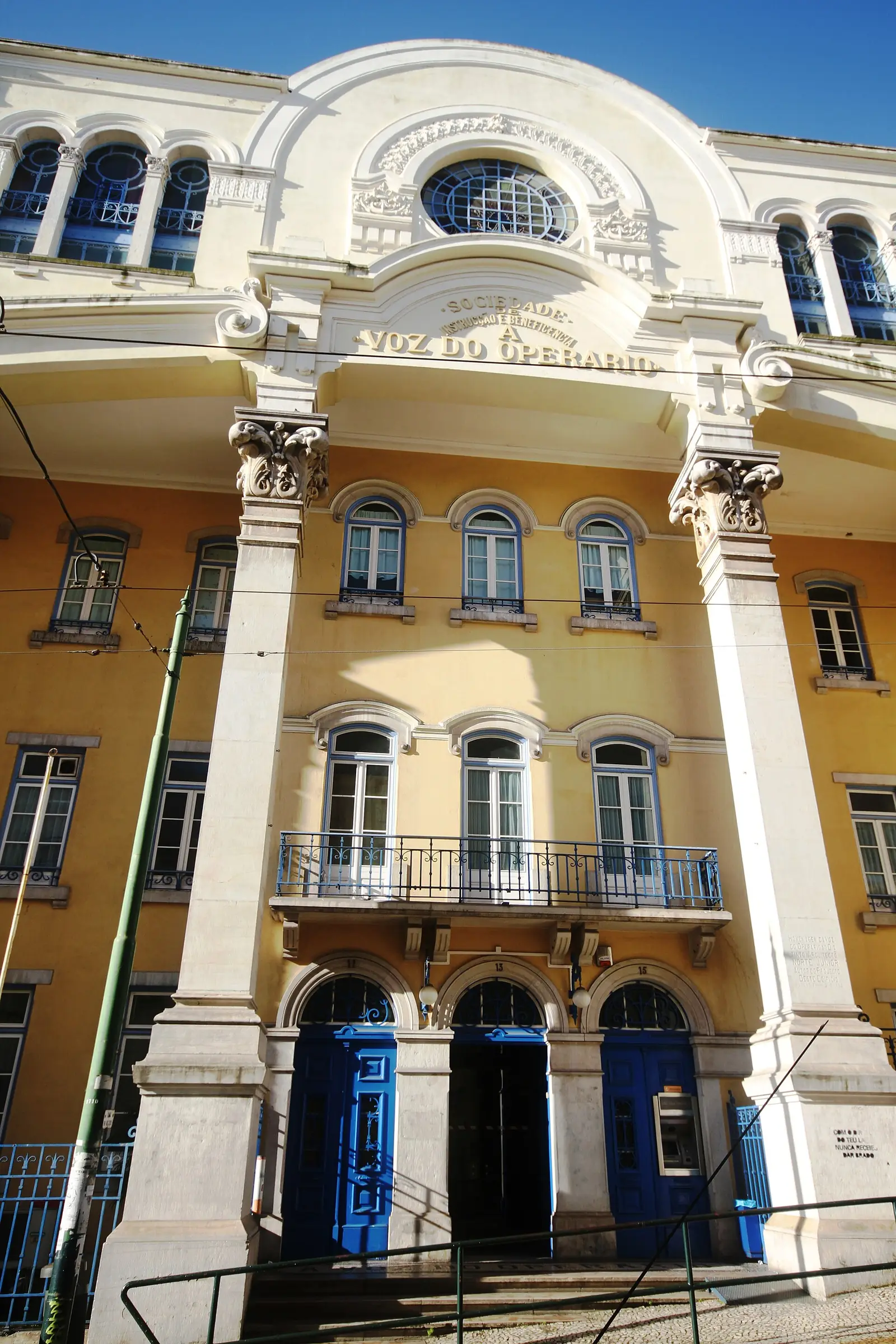
Today: A Voz do Operário Education and Welfare Society
It was born in 1879 as the newspaper of the tobacco workers and became the largest people’s school in Lisbon. In 1949, the opposition held rallies here for the candidacy of Norton de Matos, with Maria Lamas, Isabel Aboim Inglez and Cesina Bermudes.
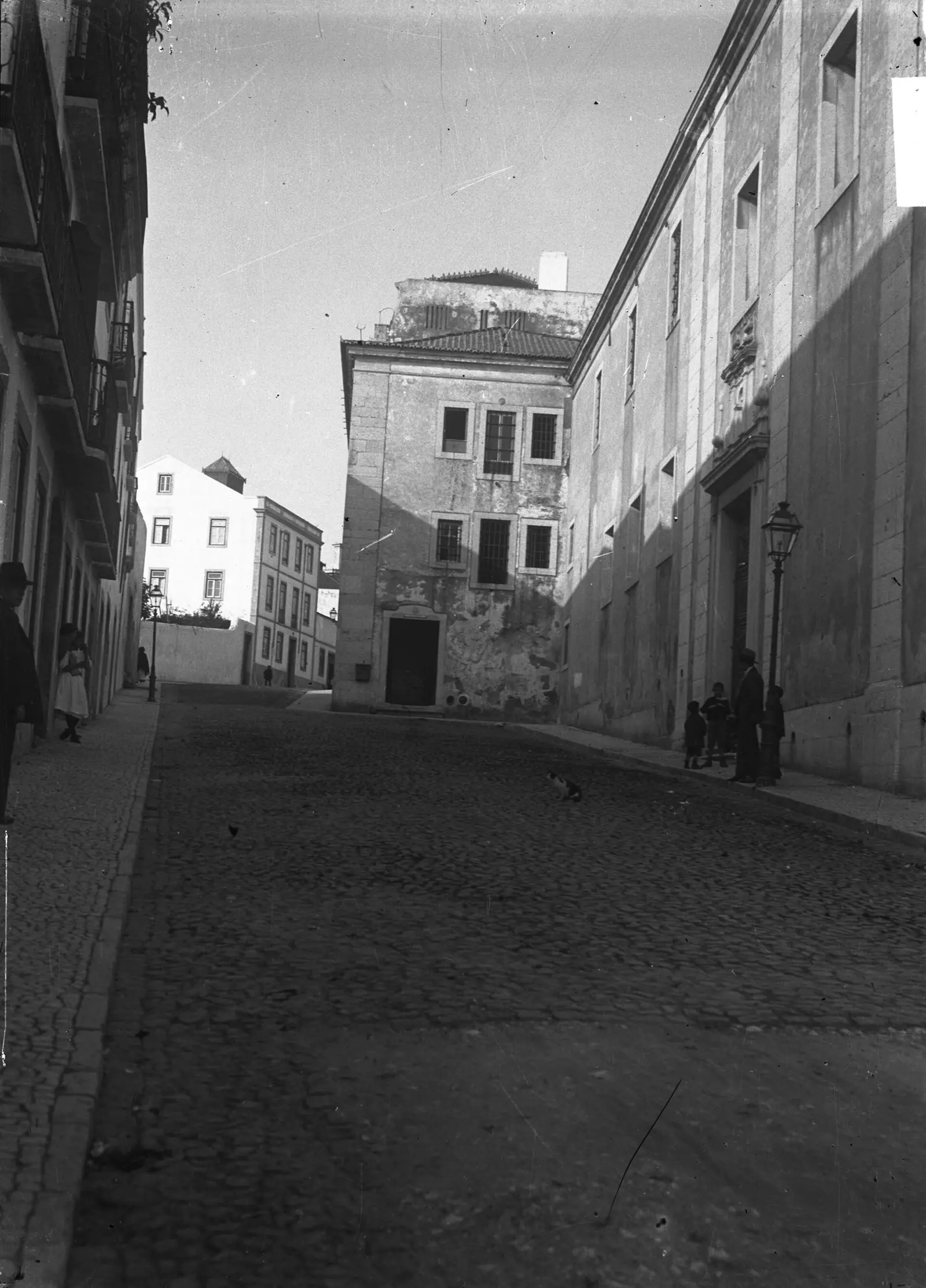
A 16th-century convent turned into a women’s prison. It was mainly a prison for common crimes, but it took in women political prisoners — and served as a punishment for women of the opposition, such as Isabel Aboim Inglez, sent here by the Plenary Court.
Sophia de Mello Breyner Andresen lived on the first floor of no. 57 from 1951 until her death in 2004. A home with its doors open to the opposition, with one side facing the river and the other the lane of the Mónicas women’s prison.
Culture and censorshipOppositionWomen
Notes on the sources3
Where Humberto Delgado was buried in Lisbon between 1975 and 1990.
The whereabouts of Arajaryr Campos’s remains.
The scene of the crime: near Badajoz, with the bodies found at Villanueva del Fresno (Aljube Museum), or near Olivença (National Pantheon).
Do you know more, or do you have a document? Tell us.





.jpg)