People
Manuel Serra
- Born
- 23 July 1931, Lisbon
- Died
- 31 January 2010, Lisbon
A former leader of the Catholic Workers’ Youth, he was the “civilian soul” of the “Revolta da Sé” (Cathedral Revolt), in 1959, and the civilian leader of the Beja revolt, in 1962. He spent 11 years in prison and was tortured.
He was born in Lisbon on 23 July 1931. A Merchant Navy officer and founder of the magazine Náutica, at 17 he joined the Catholic Workers’ Youth (Juventude Operária Católica), of which he became a leader, and he took part in Humberto Delgado’s campaign in 1958.2
He was, in the words of Mário Soares, the “civilian soul” of the cathedral conspiracy, a Catholic-inspired movement that was due to go into action on the night of 11 to 12 March 1959.13 He headed a civilian militia and was the link with the Military Junta. On the night of the 11th, in the cloisters of the cathedral, he was handing out badges, ropes and uniforms when the order came to disperse: the government knew about the coup. He then set off by car with Major Pastor Fernandes and Lieutenant Vasco da Costa Santos for Calçada da Ajuda, where they managed to stop Fernando Oneto from collecting at Lanceiros 2 the weapons intended for the civilian groups.1 The PIDE arrested 44 people; Manuel Serra was the first, at nightfall on 13 March.1 He spent six months in isolation in the Aljube and managed to escape.2 When the trial began, he had taken asylum in a Latin American embassy.1
He was later the civilian leader of the Beja revolt, in January 1962. The trial that followed, with 86 defendants, was the largest of the Estado Novo (“New State”). Arrested again, he was subjected to sleep torture: in 44 days he slept eight hours. In all, he spent 11 years in prison.2
After 25 April he founded the Popular Socialist Movement, which joined the PS as a left-wing tendency, and, once outside the party, the Popular Socialist Front. He died in Lisbon on 31 January 2010.2
Places


In the timeline
They crossed paths with him
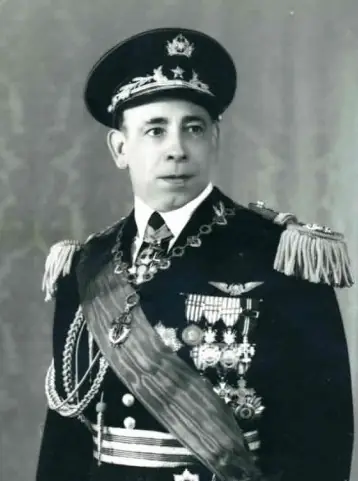
Humberto Delgado
1906–1965
The “Fearless General” (general sem medo): a man of the regime who went over to the opposition, he stood for the Presidency in 1958, answered “Obviously, I’ll sack him!” (Obviamente, demito-o!) when asked what he would do with Salazar, and drew crowds. The PIDE murdered him in 1965.
Arajaryr Campos
1930–1965
A Brazilian, Humberto Delgado’s secretary and companion in exile, she was murdered with him by a PIDE squad near Badajoz on 13 February 1965, at the age of 34.
Eurico de Figueiredo
1939–2025
A charismatic leader of the medical students, he proposed the hunger strike of May 1962; while he was held in the Aljube, demonstrations demanding his release were put down by the police.
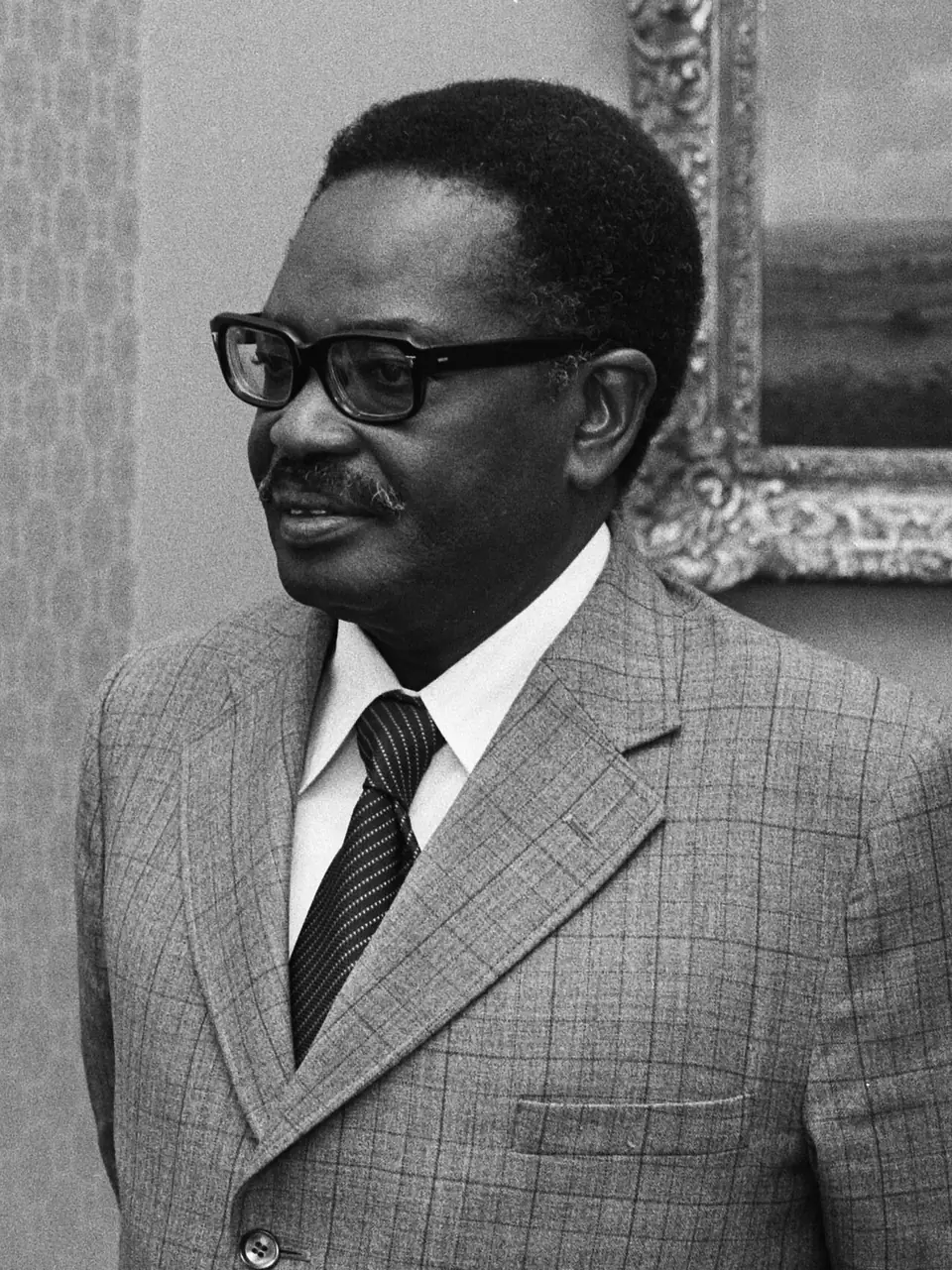
Agostinho Neto
1922–1979
A medical student in Lisbon from 1948, he was active in the House of the Students of the Empire, the MUD Juvenil and the Centre for African Studies. Arrested several times by the PIDE in Lisbon, he was the first president of independent Angola.
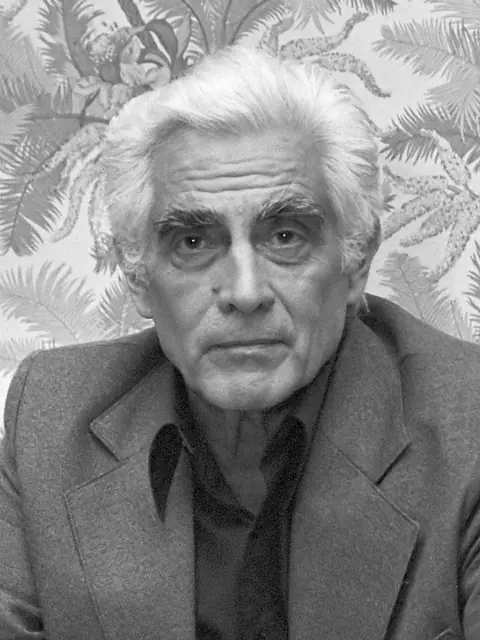
Álvaro Cunhal
1913–2005
A communist leader, he was arrested in 1949 and escaped from Peniche Fortress in 1960. General secretary of the PCP, he returned from exile on 30 April 1974 and addressed the crowd at the airport from the top of a Chaimite armoured car.
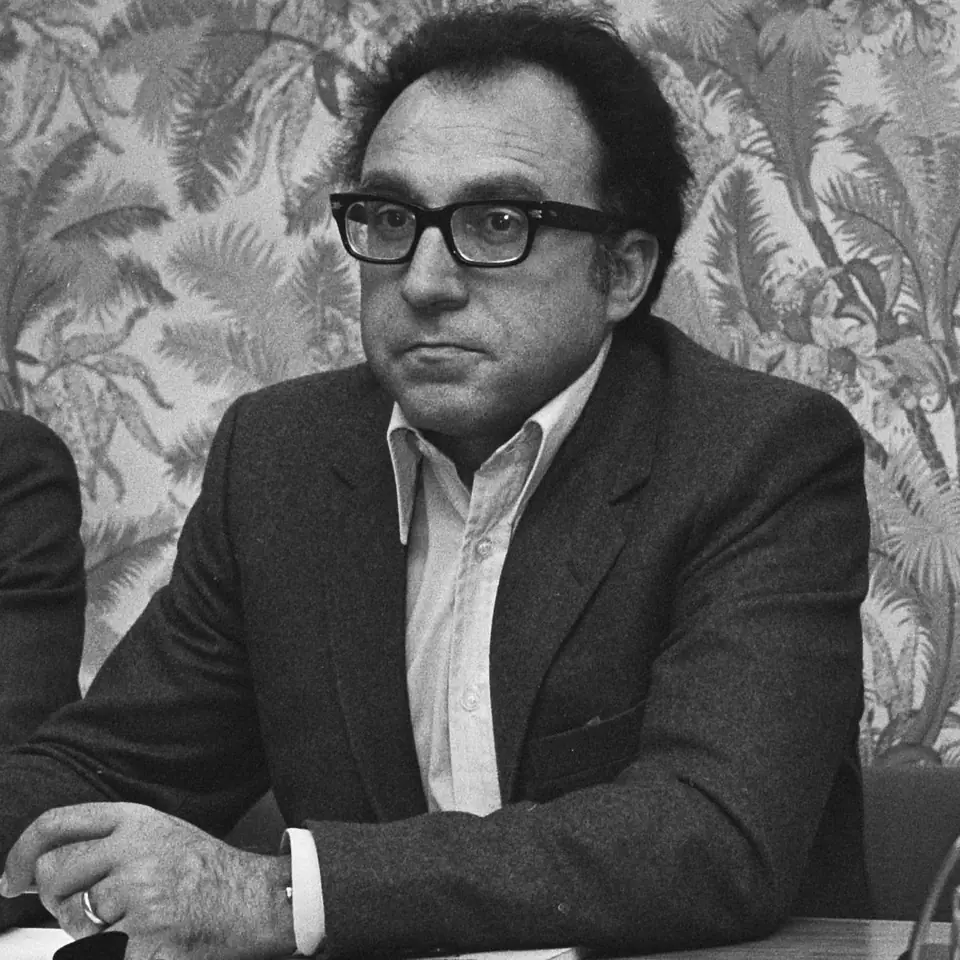
Domingos Abrantes
b. 1936
A communist leader, he was one of the eight prisoners who escaped from Caxias in Salazar’s armoured car, in 1961. Arrested in 1959 and again in 1965, he withstood PIDE torture without talking.


Notes on the sources1
- The escape from the Aljube and the details of the torture appear only in Wikipedia, which cites “Público” of 2010.
Do you know more, or do you have a document? Tell us.
Sources
- 1O «golpe da Sé» (Irene Flunser Pimentel). Caminhos da Memória (blogue) — consulted on 2 October 2026
- 2Manuel Serra. Wikipédia — consulted on 2 October 2026
- 3«Revolta da Sé» – 60 anos (Dossiê do Mês). Museu do Aljube Resistência e Liberdade — consulted on 2 October 2026