Women of the resistance
Arajaryr Campos
Arajaryr Canto Moreira Campos
- Born
- 25 August 1930, Rio de Janeiro (Brazil)
- Died
- 13 February 1965, near Badajoz (Spain)
A Brazilian, Humberto Delgado’s secretary and companion in exile, she was murdered with him by a PIDE squad near Badajoz on 13 February 1965, at the age of 34.
She was born in Rio de Janeiro on 25 August 1930. About a year after the electoral fraud of 1958 she began working as secretary to Humberto Delgado, then in exile in Brazil.1 When Delgado left to try to overthrow the dictatorship, he gave her a power of attorney to represent him in Brazil, but she ended up going with him. They entered Portugal clandestinely in the last days of 1961, on the eve of the Beja revolt, and left again after the coup failed.1
Then came Prague, where Delgado underwent treatment, and Algeria, where they settled when the Patriotic Front for National Liberation was created.1 The PIDE set a trap for them, “Operation Autumn” (Operação Outono): on the pretext of a meeting with opposition officers, who were in fact agents of the political police, Delgado and Arajaryr were lured to Spain, near Badajoz. They were murdered on 13 February 1965 by Ernesto Lopes Ramos, António Rosa Casaco, Agostinho Tienza and Casimiro Monteiro; she was 34.12 The bodies were only found in April, beside a track known as “Los Malos Pasos”, near the Portuguese border.1
Places

In the timeline
1 Jan 1962
The Beja revolt13 Feb 1965
The PIDE murders Humberto Delgado and Arajaryr Campos
They crossed paths with her
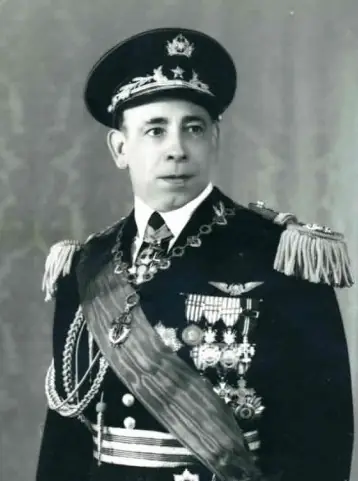
Humberto Delgado
1906–1965
The “Fearless General” (general sem medo): a man of the regime who went over to the opposition, he stood for the Presidency in 1958, answered “Obviously, I’ll sack him!” (Obviamente, demito-o!) when asked what he would do with Salazar, and drew crowds. The PIDE murdered him in 1965.
Manuel Serra
1931–2010
A former leader of the Catholic Workers’ Youth, he was the “civilian soul” of the “Revolta da Sé” (Cathedral Revolt), in 1959, and the civilian leader of the Beja revolt, in 1962. He spent 11 years in prison and was tortured.
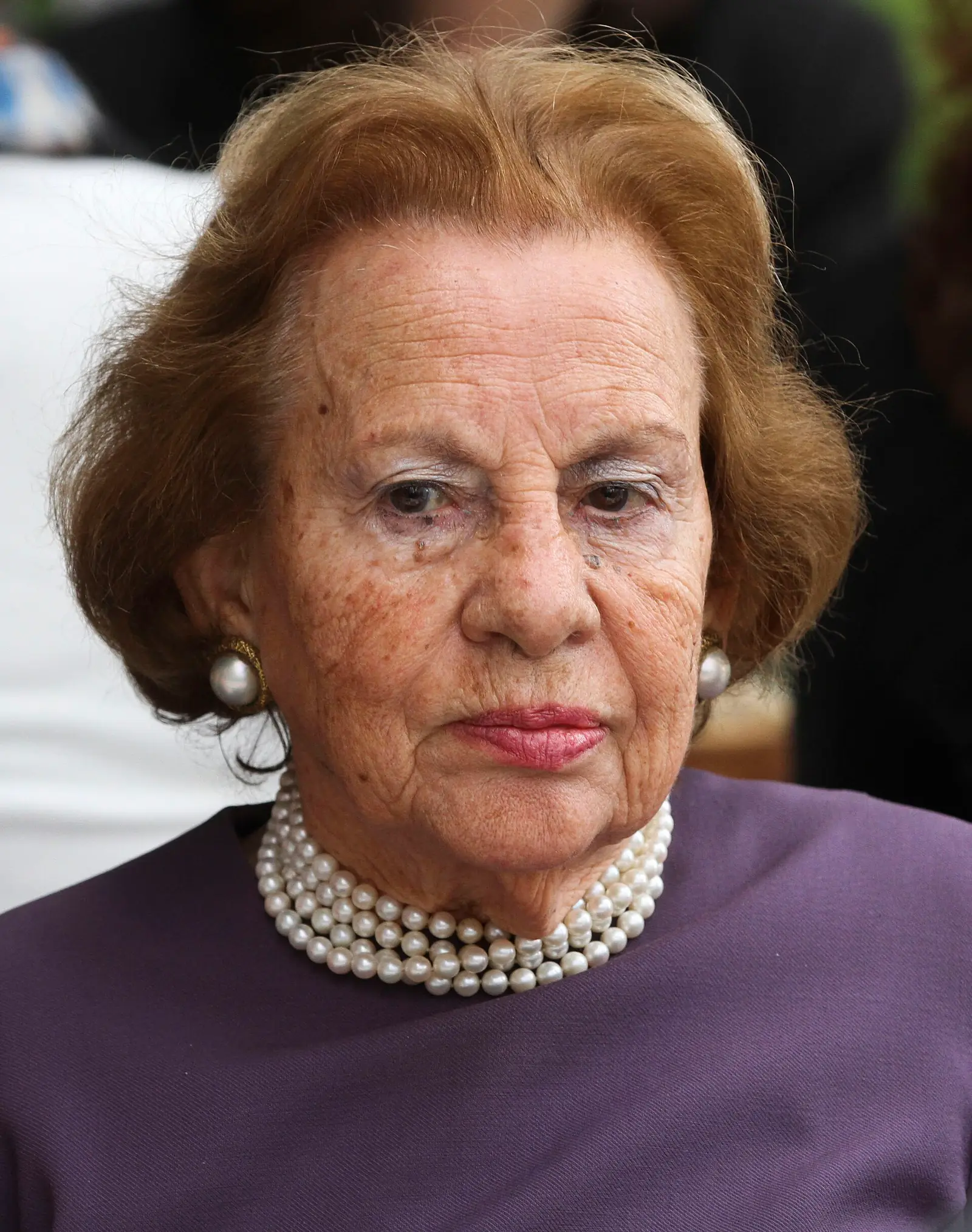
Maria Barroso
1925–2015
An actress who recited poetry against the regime, she was an opposition candidate in 1969 and the only woman to speak at the opening of the Aveiro Congress, in 1973. She was at the founding of the Socialist Party and, on 28 April 1974, accompanied Mário Soares on the train that brought him back from exile to Santa Apolónia.
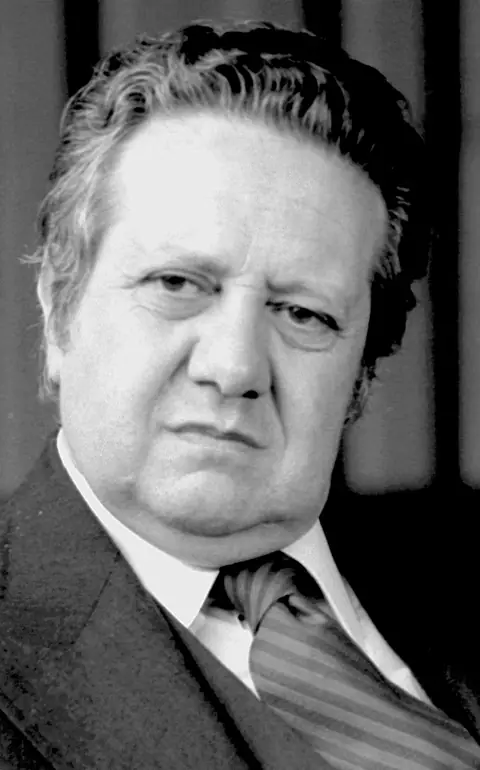
Mário Soares
1924–2017
General secretary of the PS, he returned from exile on 28 April 1974 and was greeted by a crowd at Santa Apolónia. In 1975 he took on the PCP in the República affair and at the Fonte Luminosa rally; in 1976 he headed the First Constitutional Government.
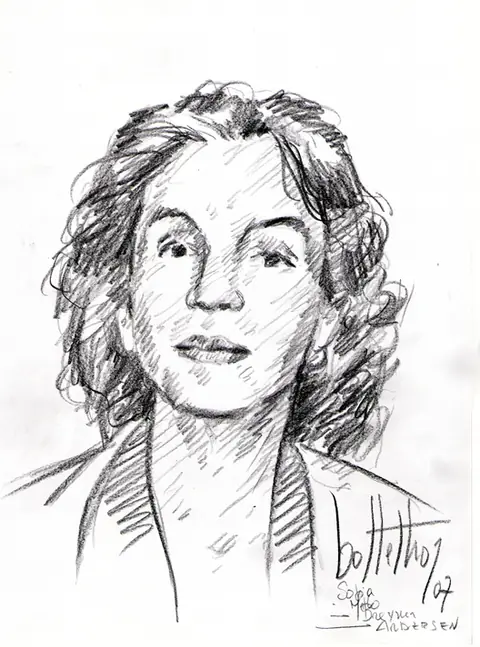
Sophia de Mello Breyner Andresen
1919–2004
A poet. She lived in Graça from 1951 until her death, wrote the “Cantata da Paz” (Cantata of Peace) for the São Domingos vigil, helped found the committee for aid to political prisoners and was a deputy in the Constituent Assembly. “This is the dawn I was waiting for” (Esta é a madrugada que eu esperava) is hers.


Notes on the sources2
- The exact place of the ambush: near Badajoz, according to the Aljube Museum; near Olivença, according to the National Pantheon (see Humberto Delgado).
- Where her remains are today: the sources give only the transfer of Humberto Delgado’s remains, to Lisbon in 1975 and to the National Pantheon in 1990.
Do you know more, or do you have a document? Tell us.
Sources
- 1Arajaryr Canto Moreira Campos (biografia). Museu do Aljube Resistência e Liberdade — consulted on 2 October 2026
- 2Humberto da Silva Delgado (biografia). Museu do Aljube Resistência e Liberdade — consulted on 2 October 2026
- 3Consulta SPARQL de identificadores e datas (P569/P570) de pessoas. Wikidata Query Service — consulted on 2 October 2026