Santa Maria Maior
Palácio da Independência – headquarters of the Portuguese Youth (Mocidade Portuguesa)
In the palace where the uprising of 1 December 1640 was planned, the Estado Novo set up the headquarters of the Portuguese Youth (Mocidade Portuguesa), the regime’s youth organisation. Abolished on 25 April 1974 itself, it made way for the Association of the Disabled of the Armed Forces.
The palace of the Counts of Almada, in Largo de São Domingos, next to the Rossio, is a national monument. It is called the Palace of Independence or of the Restoration because it was in this house that D. Antão de Almada and the conspirators planned the uprising of 1 December 1640.1
A decree of 30 May 1939 authorised the purchase of the palace, to house the headquarters of the Portuguese Youth (Mocidade Portuguesa), the Museum of the Restoration and the Historical Society of the Independence of Portugal; on 24 November 1940 it passed into the care of the Historical Society. Until 1974 the Portuguese Youth, its League of Former Graduates and other associations of the Estado Novo (“New State”) had their headquarters here.1 The Portuguese Youth and the Women’s Portuguese Youth (Mocidade Portuguesa Feminina) had been created by a law of 11 April 1936.4 Humberto Delgado held senior posts in the Mocidade, as he did in the Portuguese Legion; from the 1940s he gradually drew away from the regime until, in 1958, he emerged as “the Fearless General” (o general sem medo).2
On 25 April 1974 itself, the National Salvation Junta’s Decree-Law no. 171/74 abolished the Portuguese Youth and the Women’s Portuguese Youth, along with the DGS and the Portuguese Legion.4 The palace was then occupied, at the insistence of the Armed Forces Movement, to house the Association of the Disabled of the Armed Forces. Only in 1983 did it return in full to the Historical Society, and the association stayed on here, in part, until 1993.1
On the walks
From the archives
In other archives
These can only be viewed on each archive’s own website.
Where it is
Map showing where Palácio da Independência – headquarters of the Portuguese Youth (Mocidade Portuguesa) is.
Dates
30 May 1939
A decree authorises the purchase of the palace, to house, among others, the headquarters of the Portuguese Youth.
24 November 1940
The palace passes into the care of the Historical Society of the Independence of Portugal.
25 April 1974
Decree-Law no. 171/74 abolishes the Portuguese Youth and the Women’s Portuguese Youth.
1983
The palace returns in full to the Historical Society.
11 Apr 1936
Law No. 1941 creates the Portuguese Youth (Mocidade Portuguesa)
People connected with this place

Nearby
80 m · 5 min on foot
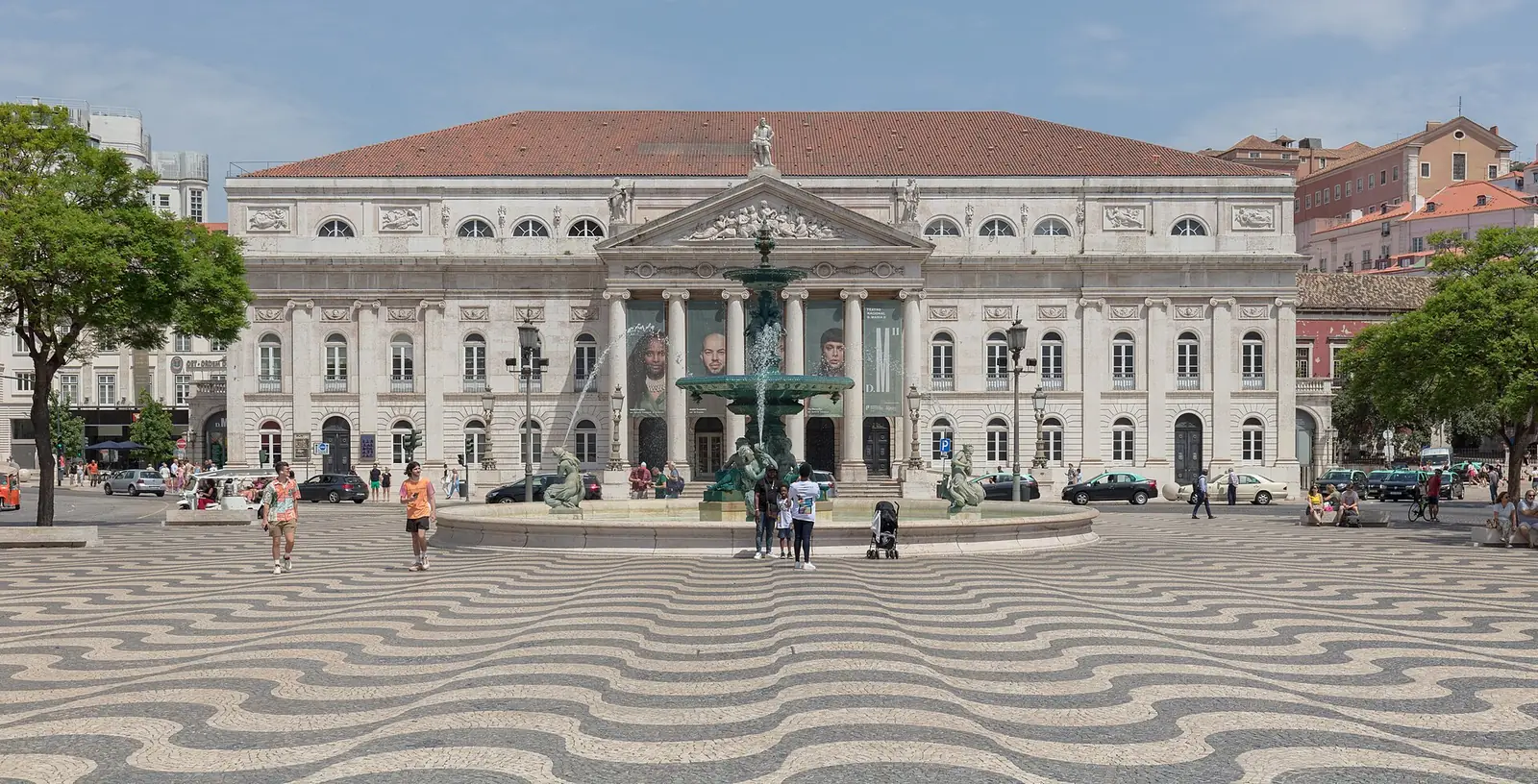
D. Maria II National Theatre
Today: D. Maria II National Theatre
The national theatre, in the Rossio. Maria Barroso made her debut here in 1944 and was José Régio’s “Benilde”; in 1948, an order from the police and the Ministry of Education took her off this stage. The company that ran it worked under censorship until the fire of 1964.
Culture and censorshipWomenRepression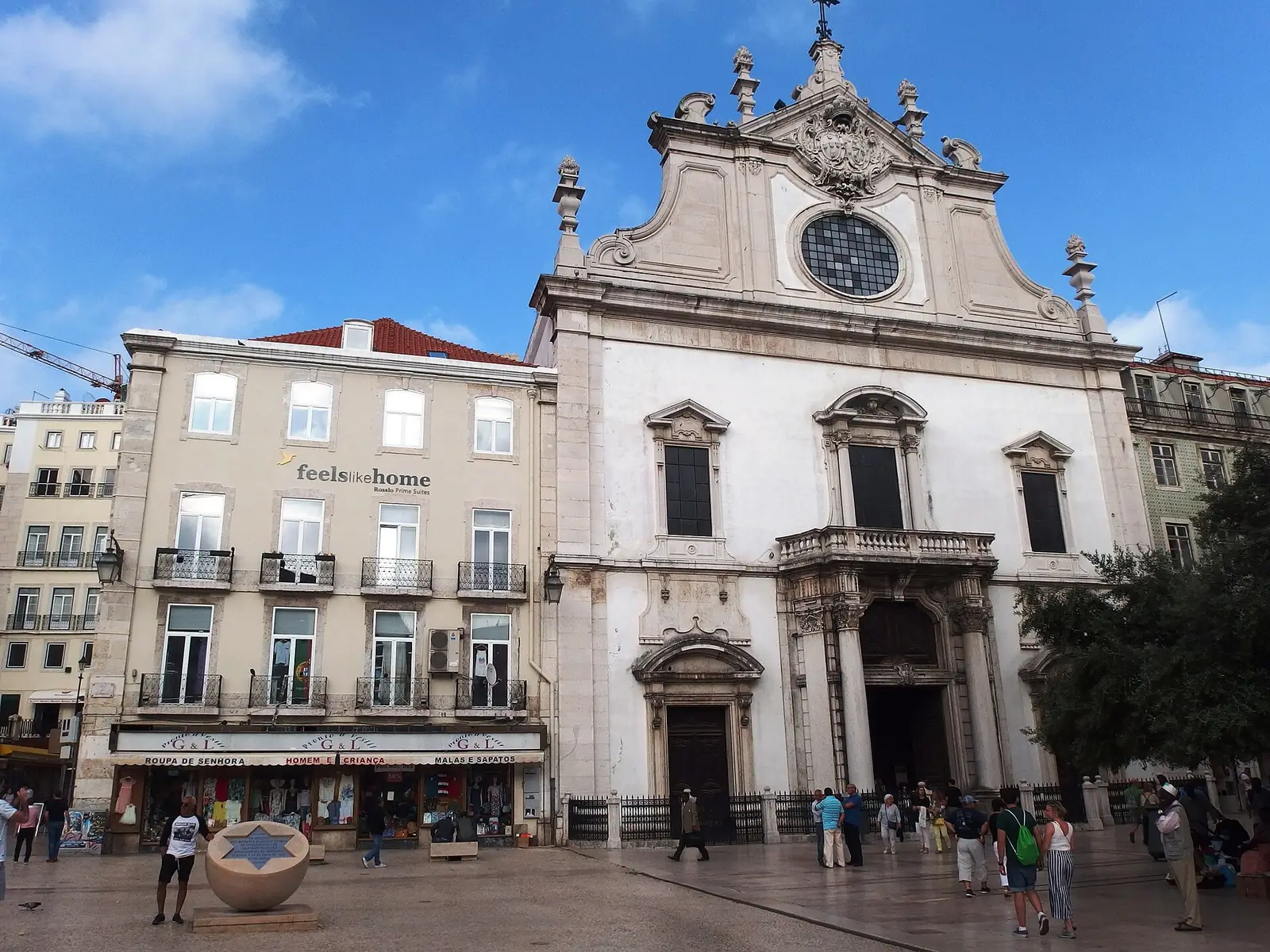
100 m · 5 min on foot
Church of São Domingos
Today: Church of São Domingos
As 1968 turned into 1969, more than a hundred Catholics kept a vigil here against the colonial war. For that night, Sophia de Mello Breyner Andresen wrote the “Cantata da Paz” (Cantata of Peace): “We see, we hear and we read / We cannot ignore” (Vemos, ouvimos e lemos / Não podemos ignorar).
OppositionColonialismCulture and censorship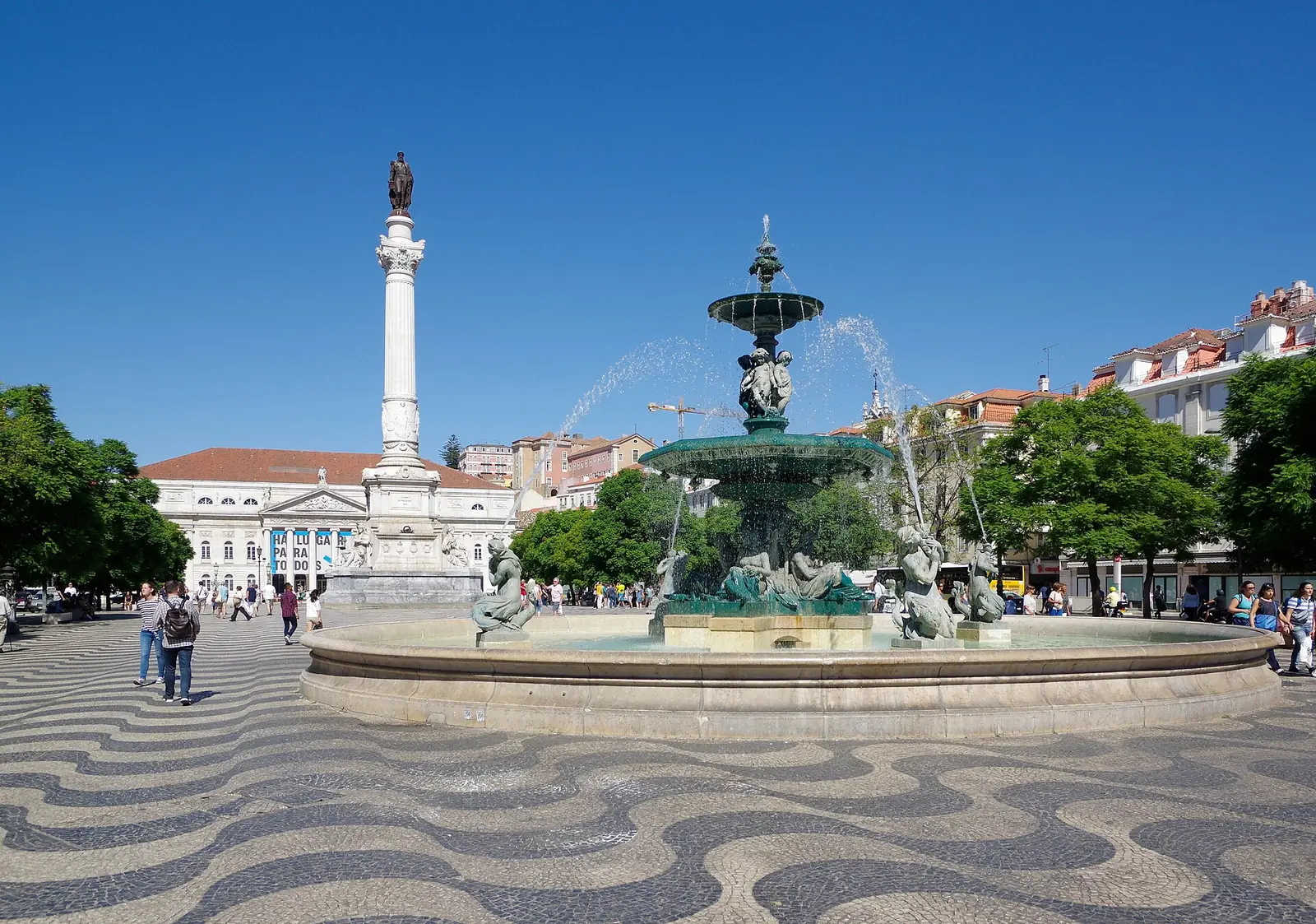
140 m · 5 min on foot
Café Gelo
Today: Gelo, a seafood restaurant since 2024
A café on the Rossio where, between 1957 and 1962, the “Café Gelo Group” of dissident poets and painters used to meet; the group was banned from entering it after May Day 1962.
Culture and censorshipOppositionRepression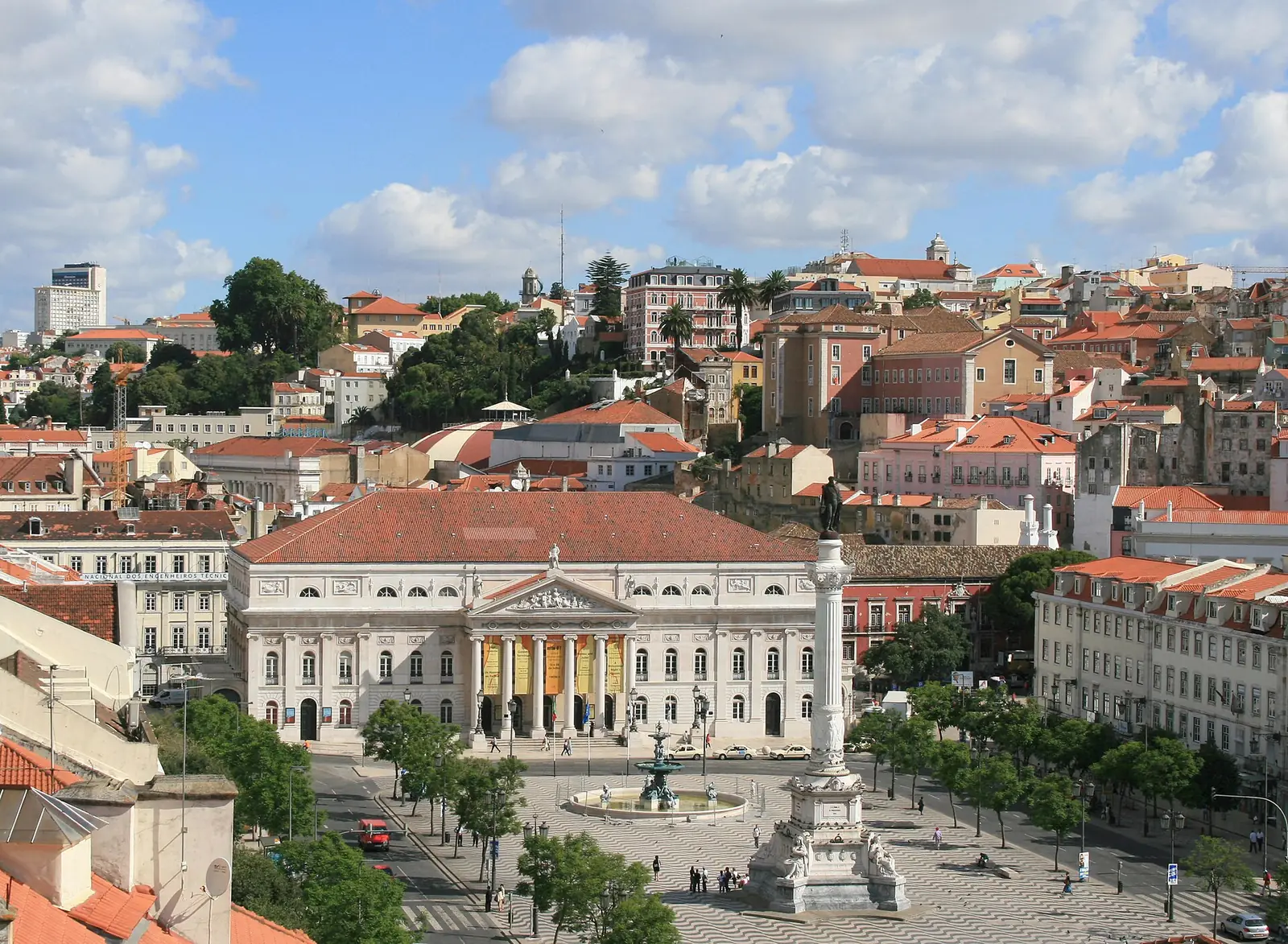
170 m · 5 min on foot
Café Chave d'Ouro
Today: A Caixa Geral de Depósitos bank branch
On the first floor of this café on the Rossio, on 10 May 1958, Humberto Delgado answered “Obviously, I’ll sack him!” (Obviamente, demito-o!) when asked what he would do with Salazar if he were elected.
Opposition


.jpg)
Notes on the sources3
- The palace’s 20th-century history comes from Wikipedia, which cites the Diário da República and the inventory of architectural heritage (SIPA); it still needs to be confirmed in those sources.
- Since when the Portuguese Youth had its headquarters here: the decree of 30 May 1939 provided for it, but a decree of 5 June of the same year ordered the palace to be handed over to the State “for no other purpose”.
- Whether the Women’s Portuguese Youth also had premises in the palace.
Do you know more, or do you have a document? Tell us.
Sources
- 1Palácio da Independência. Wikipédia (ponto de partida) — consulted on 2 October 2026
- 2Humberto da Silva Delgado (biografia). Museu do Aljube Resistência e Liberdade — consulted on 2 October 2026
- 3Nominatim – OpenStreetMap (geocodificação). OpenStreetMap contributors (ODbL) — consulted on 2 October 2026
- 4Legislação 25A – Extinção da DGS, LP e MP (Dec.-Lei 171/74 de 25 de Abril). Centro de Documentação 25 de Abril, Universidade de Coimbra — consulted on 2 October 2026
Coordinates: OpenStreetMap (Nominatim), consultado a 2 de outubro de 2026.