Repressionarchitectprogressive Catholicorganiser of the Capela do Rato vigilpolitical prisoner
Born
30 January 1922, Lisbon
Died
20 January 2016, Lisbon
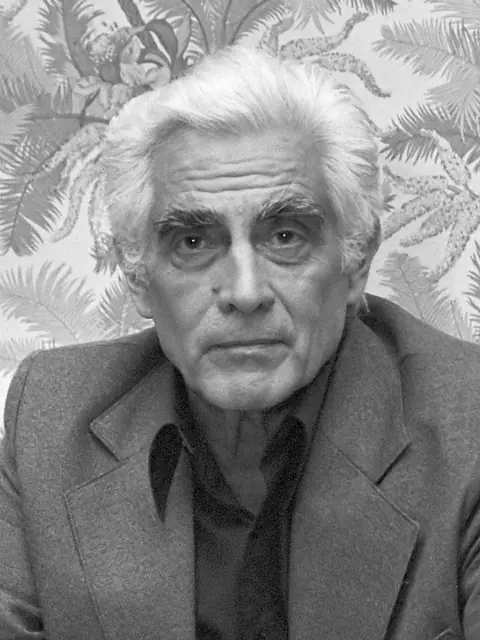
An architect and a figure among the progressive Catholics, he took part in the peace vigil at São Domingos (1968–1969) and was one of the organisers of the Capela do Rato vigil (1972). Arrested by the DGS in 1970, after the Rato vigil and at the end of 1973, he only left Caxias with 25 April.
He was born in Lisbon in 1922 and qualified in Architecture at the Lisbon School of Fine Arts. His works include the Bloco das Águas Livres and the Franjinhas Building, on Rua Braamcamp.1 From the early 1960s until 25 April he was one of the leading figures among the so-called progressive Catholics. He took part in founding the Pragma cooperative, in 1964, and was involved in the GEDOC booklets (1969), the National Commission for Aid to Political Prisoners (1970) and the Boletim Anti-Colonial (Anti-Colonial Bulletin, 1972).1
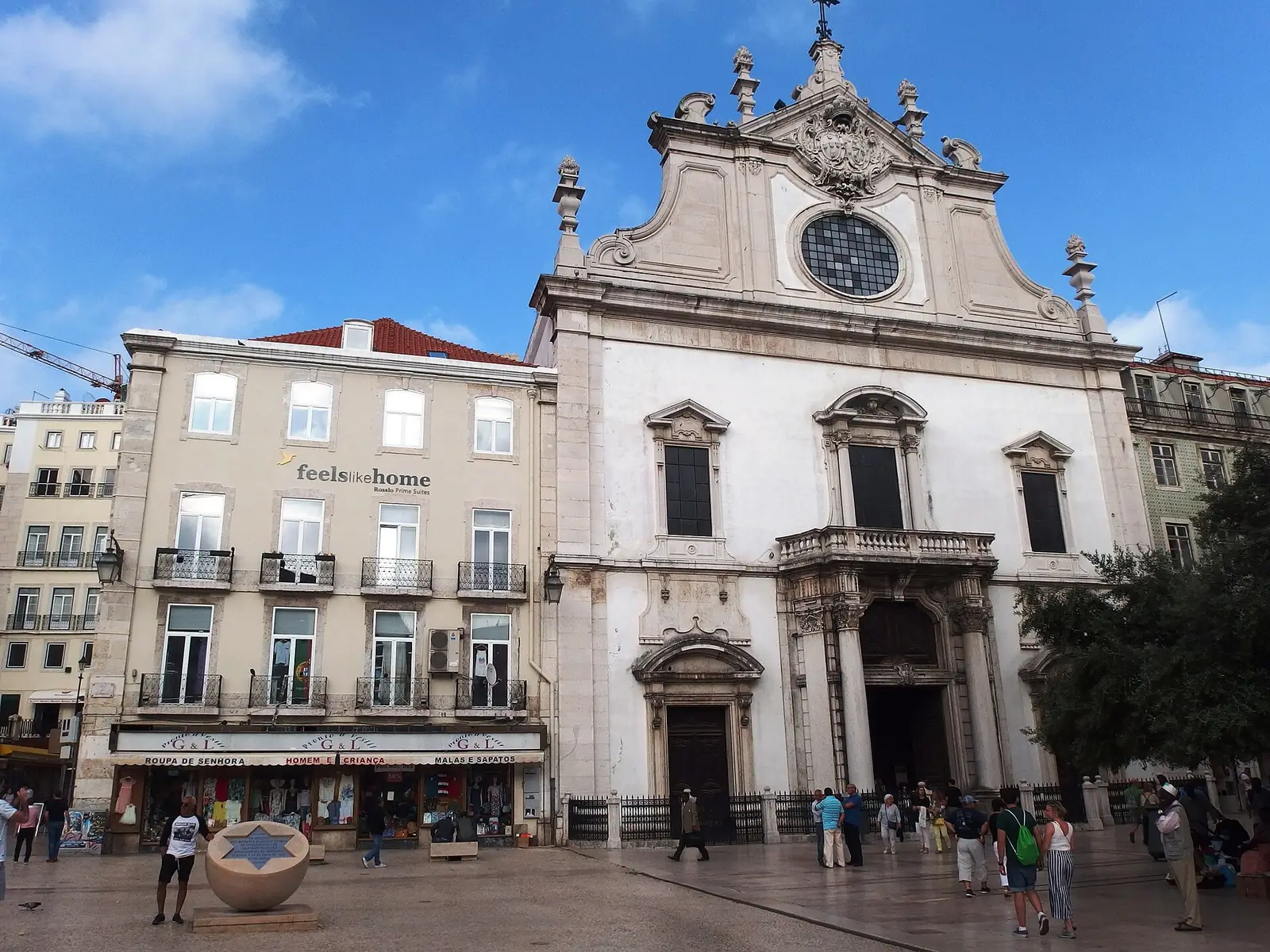
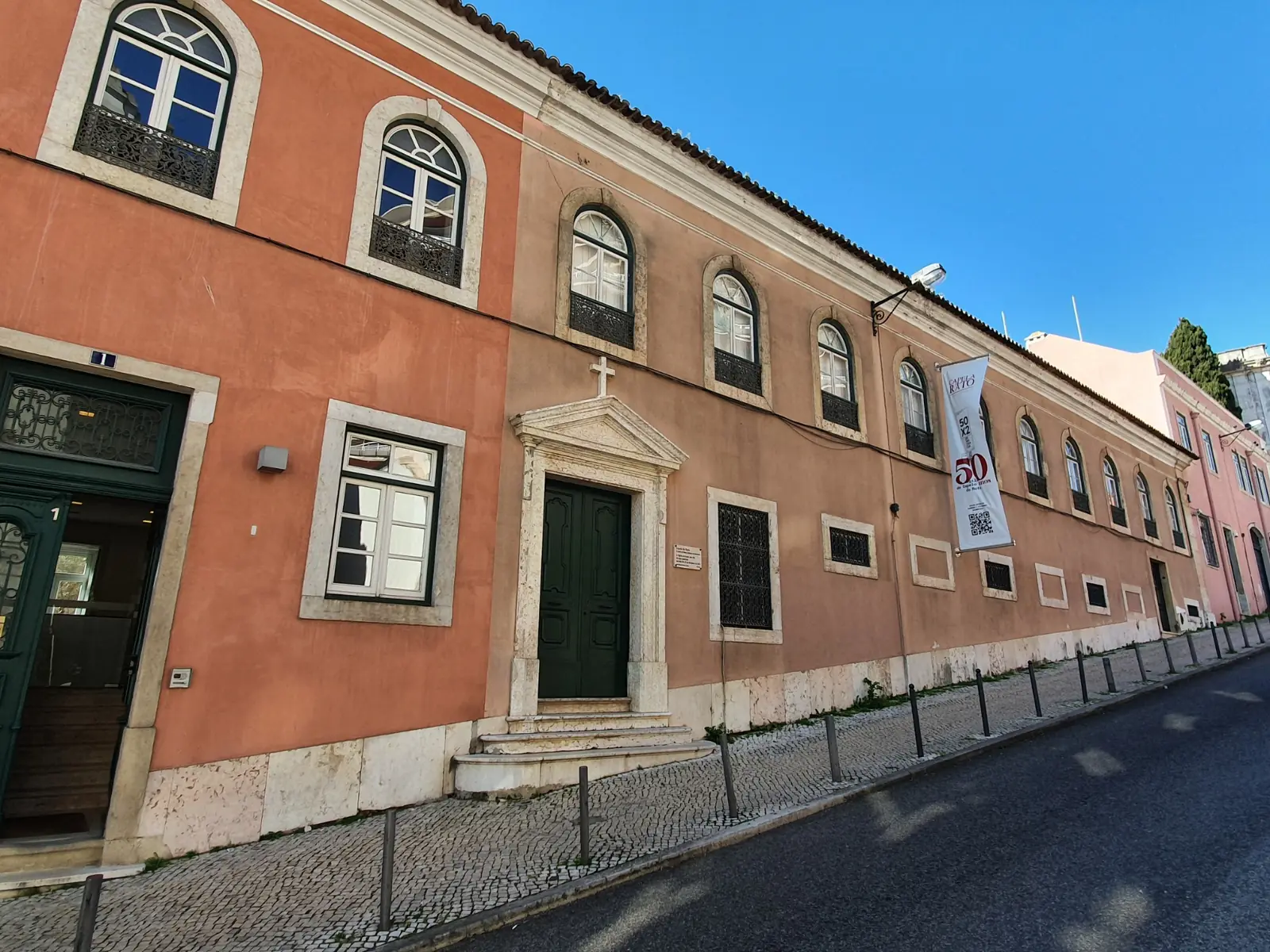
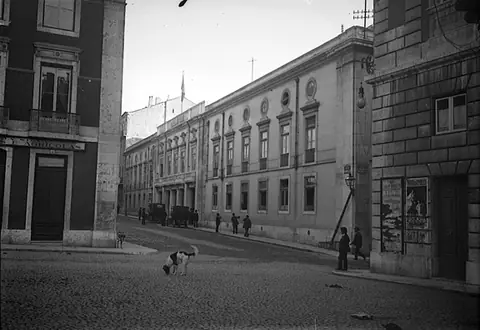
Over the turn of 1968 into 1969 he took part in the peace vigil at the Church of São Domingos, and as a result had to give a statement to the PIDE.23 He was detained by the DGS in May 1970.1 In December 1972 he was one of the organisers of the vigil at the Capela do Rato, prepared by Catholics linked to the Boletim Anti-Colonial — he himself, Maria da Conceição Moita, Isabel Pimentel and Luís Moita — and by a group of students.3 When the police broke it up, he was one of the fourteen participants singled out as leaders, who were taken to the cells of the Civil Government and then to Caxias; the Architects’ Union protested against his imprisonment.34
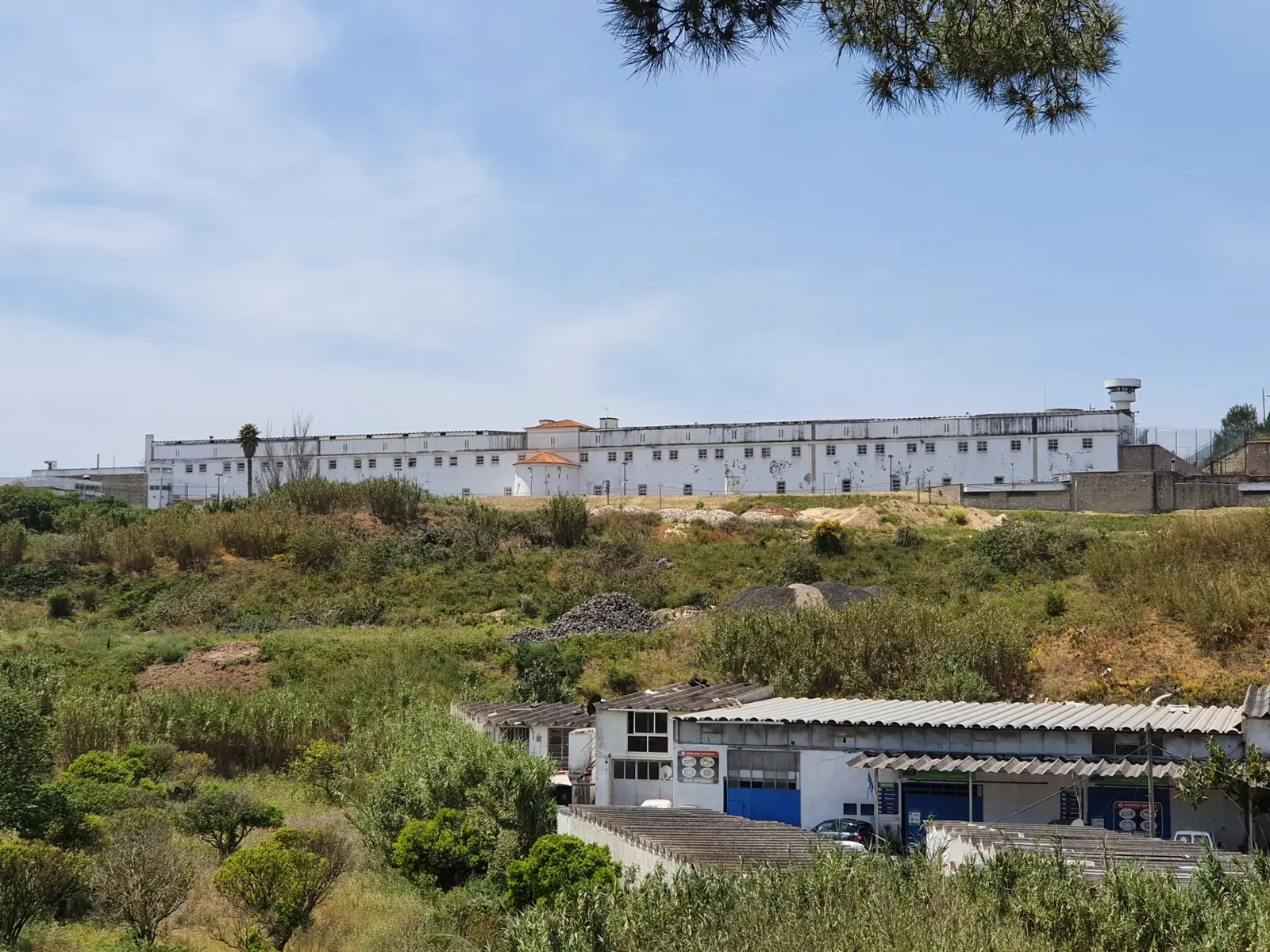
He was arrested again at the end of 1973 and stayed in Caxias until 25 April. He was one of the speakers at the 1974 May Day rally in Lisbon.1 He died in Lisbon in 2016.1
From the archives
In other archives
These can only be viewed on each archive’s own website.
An educator and progressive Catholic, she was the one who, at the microphone of the Capela do Rato, announced the vigil of 30 December 1972 against the colonial war. Arrested by the PIDE/DGS in December 1973 and tortured, she did not leave Caxias until 26 April 1974.
A poet. She lived in Graça from 1951 until her death, wrote the “Cantata da Paz” (Cantata of Peace) for the São Domingos vigil, helped found the committee for aid to political prisoners and was a deputy in the Constituent Assembly. “This is the dawn I was waiting for” (Esta é a madrugada que eu esperava) is hers.
A medical student, she was the first woman to speak at a general assembly in the 1962 academic crisis; she later founded the Revolutionary Brigades, which attacked the machinery of the colonial war. A doctor and professor, she is the author of the first study on obesity in Portugal.
A communist leader, he was arrested in 1949 and escaped from Peniche Fortress in 1960. General secretary of the PCP, he returned from exile on 30 April 1974 and addressed the crowd at the airport from the top of a Chaimite armoured car.
A 26-year-old law student, shot dead by a PIDE/DGS agent at a “meeting against repression” at the ISCEF, on 12 October 1972. His funeral was one of the largest demonstrations against the dictatorship in its final phase.
A writer and researcher, one of the “Three Marias”. Tried over “Novas Cartas Portuguesas” (New Portuguese Letters) and acquitted on 7 May 1974, she saw the greatest consequence of the case in the Constitution: equality for all, “without distinction of race, sex or religion”.