Repressionlaw studentstudent association leaderFEML (MRPP) activistmurdered by the PIDE/DGS
Born
19 March 1946, Lisbon
Died
12 October 1972, Lisbon (Santa Maria Hospital)
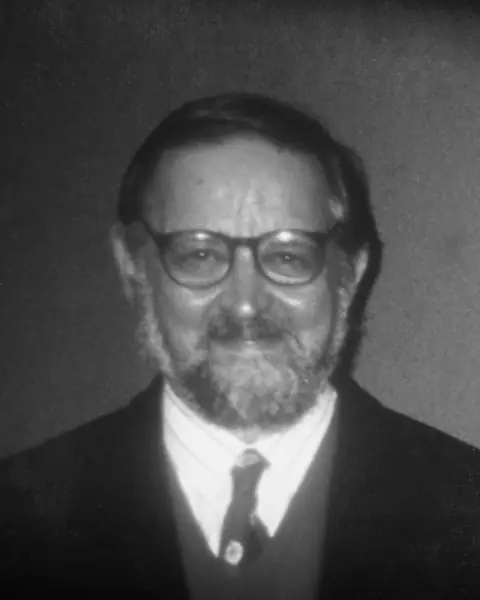
A 26-year-old law student, shot dead by a PIDE/DGS agent at a “meeting against repression” at the ISCEF, on 12 October 1972. His funeral was one of the largest demonstrations against the dictatorship in its final phase.
He was born in Lisbon on 19 March 1946, the son of Maria Antónia Leitão Ribeiro Santos and Vasco Artur Ribeiro Santos, and began taking part in student struggles at the Liceu Pedro Nunes. In 1965 he entered the Lisbon Faculty of Law, where he was a member of the Propaganda Section, vice-president for Internal Relations, chair of the General Assembly and 4th-year class delegate.1 The PIDE opened a file on him in 1967, when he took part in the relief effort for the victims of that year’s floods; in 1969 he was suspended for interrupting the exams of twenty “fura-greves” (strike-breakers).2
He was active in the “Ousar Lutar, Ousar Vencer” (Dare to Struggle, Dare to Win) movement and in the Federation of Marxist-Leninist Students, both linked to the MRPP.1 On 12 October 1972, during a “meeting against repression” at the ISCEF, the DGS agent António Gomes da Rocha fired several shots, which hit him and José Lamego.1 Taken by medical students to the Santa Maria Hospital, he died while still in the observation room, aged 26.53
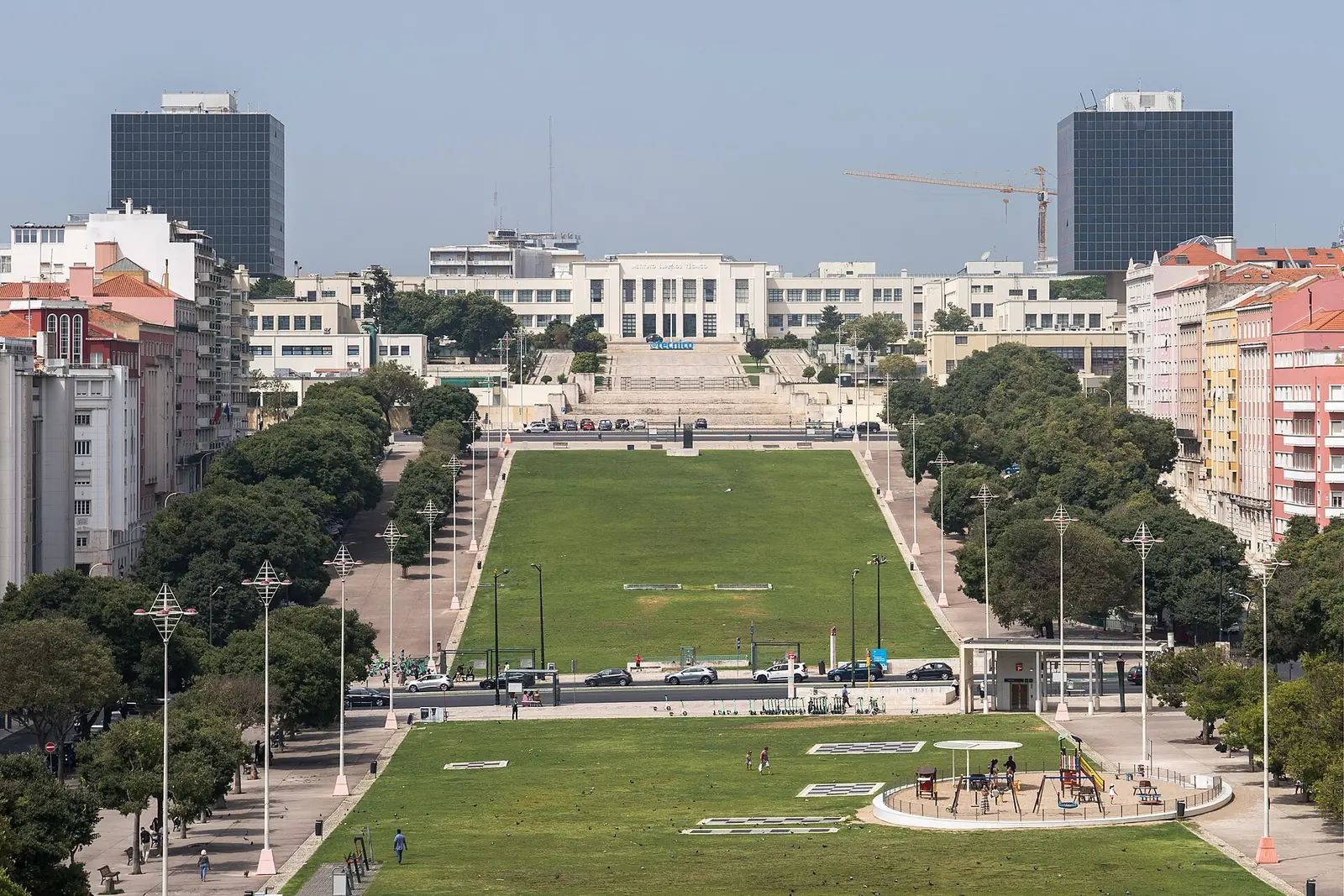
That night, 300 students meeting at the Instituto Superior Técnico decided to bring the university to a standstill and to go en masse to the funeral.3 The procession set out on 14 October from the house where he had lived, near Largo de Santos, and there were police charges along the way and at the Ajuda Cemetery.14 It was one of the most important demonstrations against the dictatorship in its final phase, and “Let us avenge Ribeiro Santos” (Vinguemos Ribeiro Santos) remained a slogan until 25 April.13
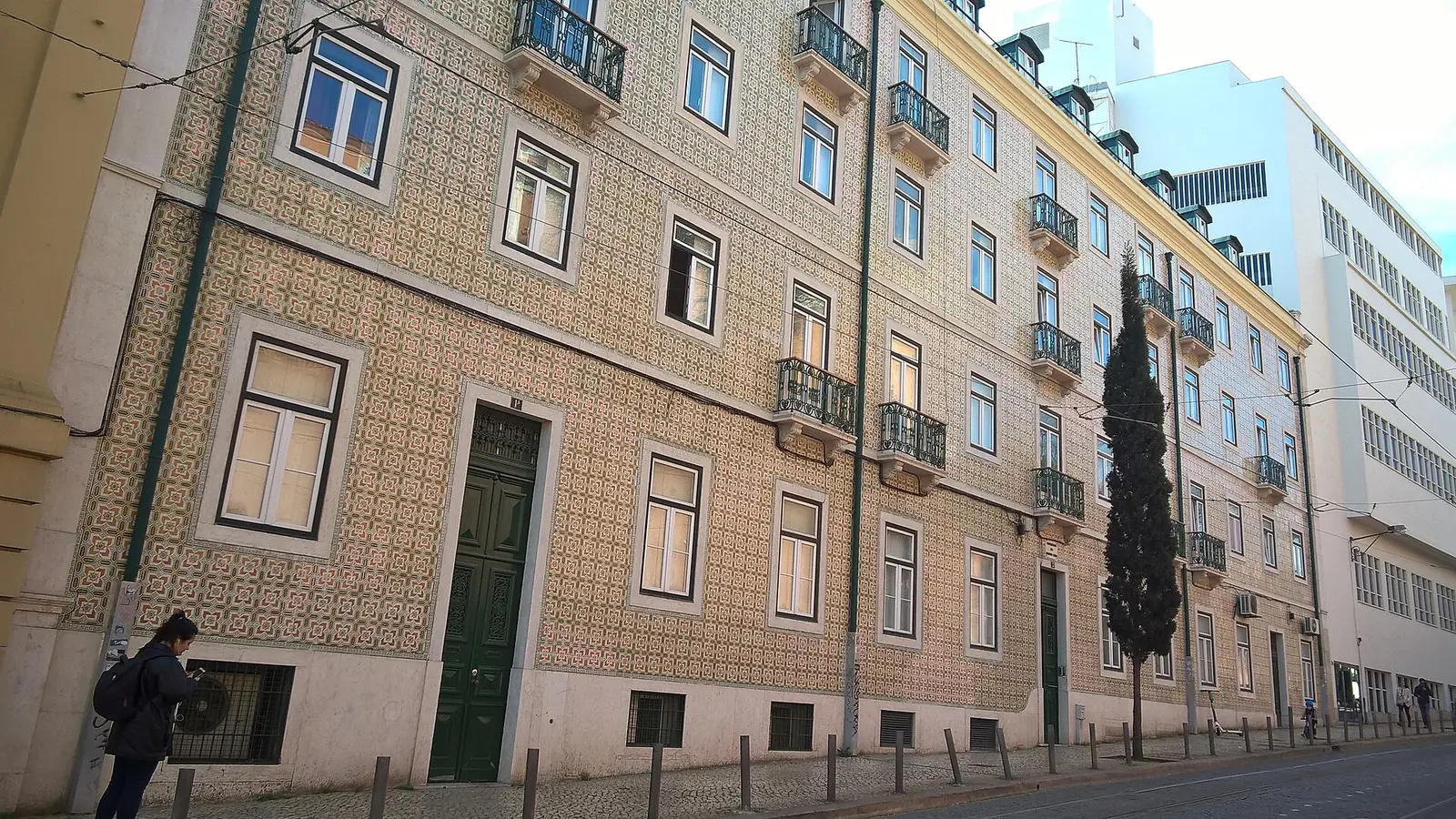
The agent who killed him was never tried: held in Alcoentre after the revolution, he escaped from prison on 29 June 1975.56 By the first street-naming edict after 25 April, dated 30 December 1974, Calçada de Santos, where he had lived, was renamed Calçada Ribeiro Santos.4
From the archives
In other archives
These can only be viewed on each archive’s own website.
A law student, she witnessed the murder of Ribeiro Santos in 1972. Arrested in 1973, she was one of the women students most savagely tortured by the political police in Caxias, and she never talked.
A medical student, she was the first woman to speak at a general assembly in the 1962 academic crisis; she later founded the Revolutionary Brigades, which attacked the machinery of the colonial war. A doctor and professor, she is the author of the first study on obesity in Portugal.
An architect and a figure among the progressive Catholics, he took part in the peace vigil at São Domingos (1968–1969) and was one of the organisers of the Capela do Rato vigil (1972). Arrested by the DGS in 1970, after the Rato vigil and at the end of 1973, he only left Caxias with 25 April.
A charismatic leader of the medical students, he proposed the hunger strike of May 1962; while he was held in the Aljube, demonstrations demanding his release were put down by the police.
An engineer and progressive Catholic, from 1970 she prepared what would become the Commission on the Status of Women, was Minister of Social Affairs in 1974–1975 and the only woman to have headed a government in Portugal (1979–1980).
Notes on the sources1
Where he died: in the observation room of the Santa Maria Hospital (Memória Comum, the Commemorative Commission for the 50th Anniversary of 25 April and the Aljube Museum’s page on the murder) or already dead on arrival at the hospital (the biography at the same museum).
Do you know more, or do you have a document? Tell us.