Culture and censorshipwriterresearcherco-author of “Novas Cartas Portuguesas” (New Portuguese Letters)co-founder of the Women’s Liberation Movement
Born
10 July 1939, Lisbon
Died
3 September 2016
A writer and researcher, one of the “Three Marias”. Tried over “Novas Cartas Portuguesas” (New Portuguese Letters) and acquitted on 7 May 1974, she saw the greatest consequence of the case in the Constitution: equality for all, “without distinction of race, sex or religion”.
She was born in Lisbon on 10 July 1939, the daughter of a merchant navy captain and a housewife. She graduated in Historical and Philosophical Sciences from the Faculty of Letters in 1962 and was a researcher at the National Institute for Industrial Research, where she got to know the world of work and saw women “pushed into invisibility”. A cleaner in the department where she worked died while having her twenty-fourth home abortion.8
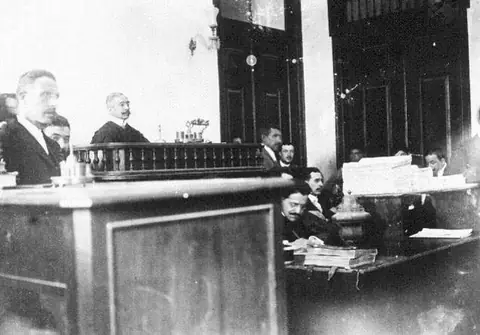
In 1970 she published Os Outros Legítimos Superiores (The Other Legitimate Superiors), in which she denounced the symbolic silence imposed on women.9 With Maria Teresa Horta and Maria Velho da Costa she wrote Novas Cartas Portuguesas (New Portuguese Letters), which Estúdios Cor published in April 1972 and the censors seized a few days later.5 The three were tried at the Boa-Hora Court from 25 October 1973, together with the publisher Romeu de Melo; Maria Lamas was a defence witness for Barreno.7 On 7 May 1974 they were acquitted, and their lawyer, Duarte Vidal, told the Diário de Lisboa that the judiciary had been “dignified” by the verdict.4
Of 25 April, she remembered “being freed of a weight that was crushing us”. And for her the most important consequence of the trial, and of the international attention it brought, lay in the new Constitution: equal rights for all citizens, “without distinction of race, sex or religion”.8 She took part in founding the Women’s Liberation Movement, in 1974.6
She published novels, short stories and essays — A Morte da Mãe (The Mother’s Death), begun before the Novas Cartas, and Crónica do Tempo (Chronicle of Time), winner of the Fernando Namora Prize — and was managing editor of the magazine Marie Claire from 1990 to 1993.8 She died on 3 September 2016, aged 77.1
From the archives
In other archives
These can only be viewed on each archive’s own website.
A poet and journalist, one of the “Three Marias”. The PIDE seized her “Minha Senhora de Mim” (My Lady of Myself) and three men beat her up in the street; with Maria Isabel Barreno and Maria Velho da Costa she wrote “Novas Cartas Portuguesas” (New Portuguese Letters), which took them to court — and to acquittal, on 7 May 1974.
The novelist of “Maina Mendes” and “Casas Pardas”, she was the one who put to the other two Marias the question that gave rise to “Novas Cartas Portuguesas” (New Portuguese Letters). She received the Camões Prize in 2002.
A journalist and writer, she edited “Modas e Bordados” (Fashions and Embroidery), chaired the National Council of Portuguese Women until the regime closed it down in 1947, and responded with “As Mulheres do Meu País” (The Women of My Country). She was arrested several times and lived in exile in Paris.
A poet and publisher, she was the Portuguese writer with the most works censored. Tried at the Plenary Court over the “Antologia de Poesia Portuguesa Erótica e Satírica” (Anthology of Portuguese Erotic and Satirical Poetry), she published “Novas Cartas Portuguesas” (New Portuguese Letters) and opened the Botequim in Graça, where she celebrated 25 April. She later became a deputy.
A novelist, she was the only woman on the jury of the Portuguese Society of Writers that gave a prize to “Luuanda”, by Luandino Vieira, in 1965 — the prize that led to the dissolution of the society and the imprisonment of three of the jurors.
A medical student, she was the first woman to speak at a general assembly in the 1962 academic crisis; she later founded the Revolutionary Brigades, which attacked the machinery of the colonial war. A doctor and professor, she is the author of the first study on obesity in Portugal.
Notes on the sources3
The date of birth: 10 July 1939 (MDM, Wikipedia, Wikidata) or 7 October 1939 (Commemorative Commission for the 50th Anniversary of 25 April).
The place of death: Observador mentions the cremation at the Olivais cemetery, without saying where she died.
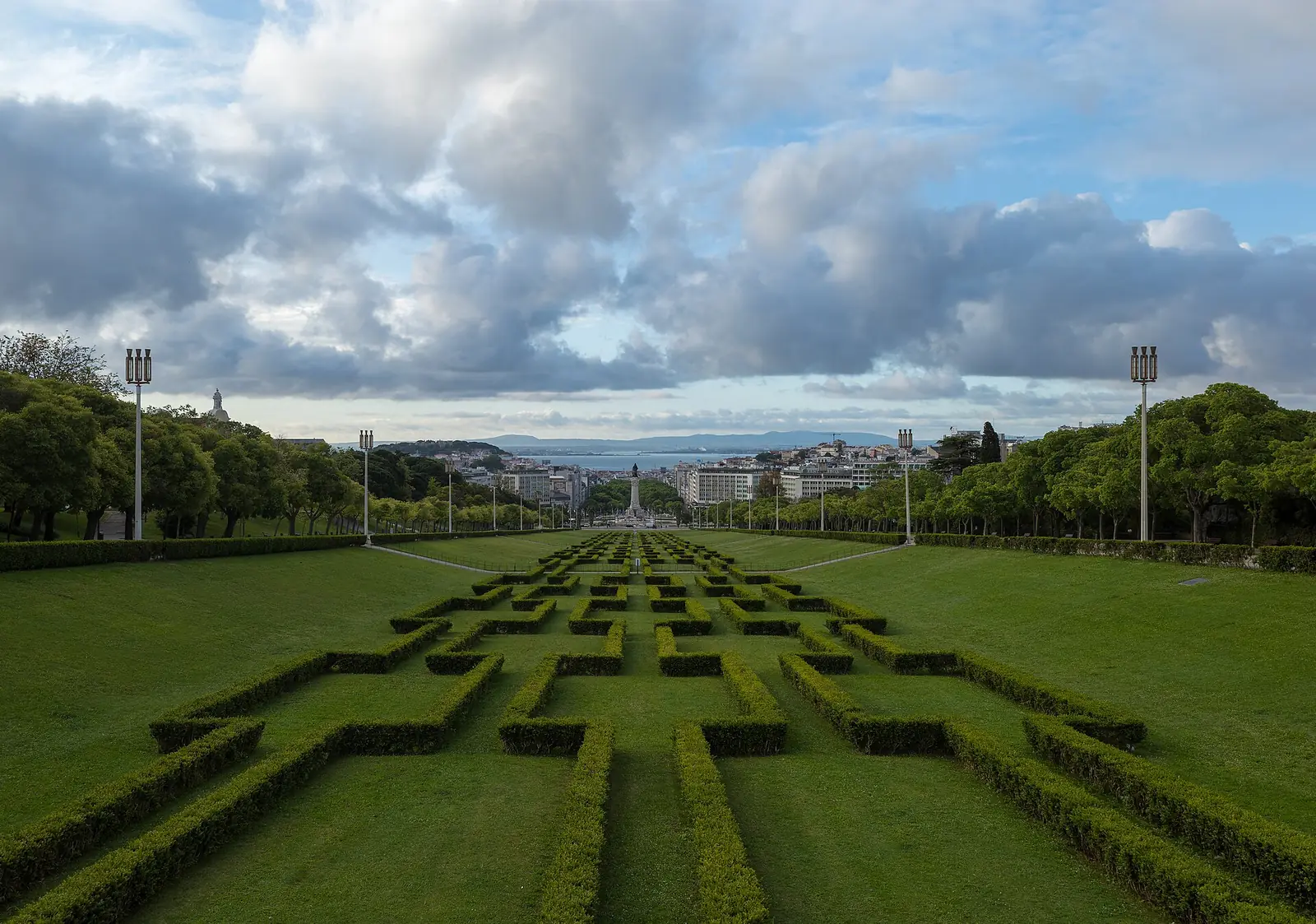
Whether she was at the MLM demonstration in Parque Eduardo VII on 13 January 1975 (the sources consulted name her as a founder of the movement, not as a demonstrator that day).
Do you know more, or do you have a document? Tell us.