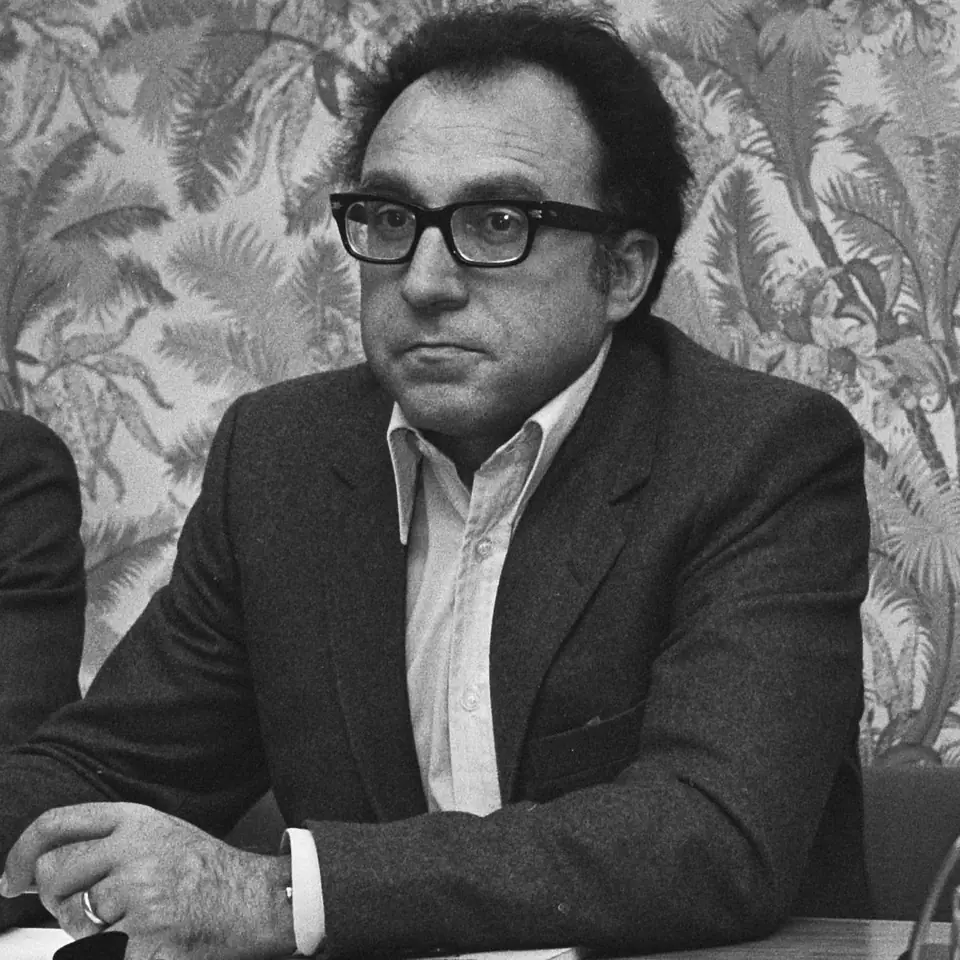
Repressionjournalistfeministpolitical prisonermanaging editor of “Mulher – Modas e Bordados”biographer of Maria Lamas
Born
1942, Lisbon
Died
31 March 2023
A journalist, the daughter of Stella Piteira Santos, arrested by the PIDE in 1962 and in 1972. After 25 April, as managing editor, she gave “Modas e Bordados” a feminist line and invited Maria Lamas to be its honorary editor; in 1984 she wrote “Aborto – O Crime Está na Lei” (Abortion – The Crime Is in the Law).
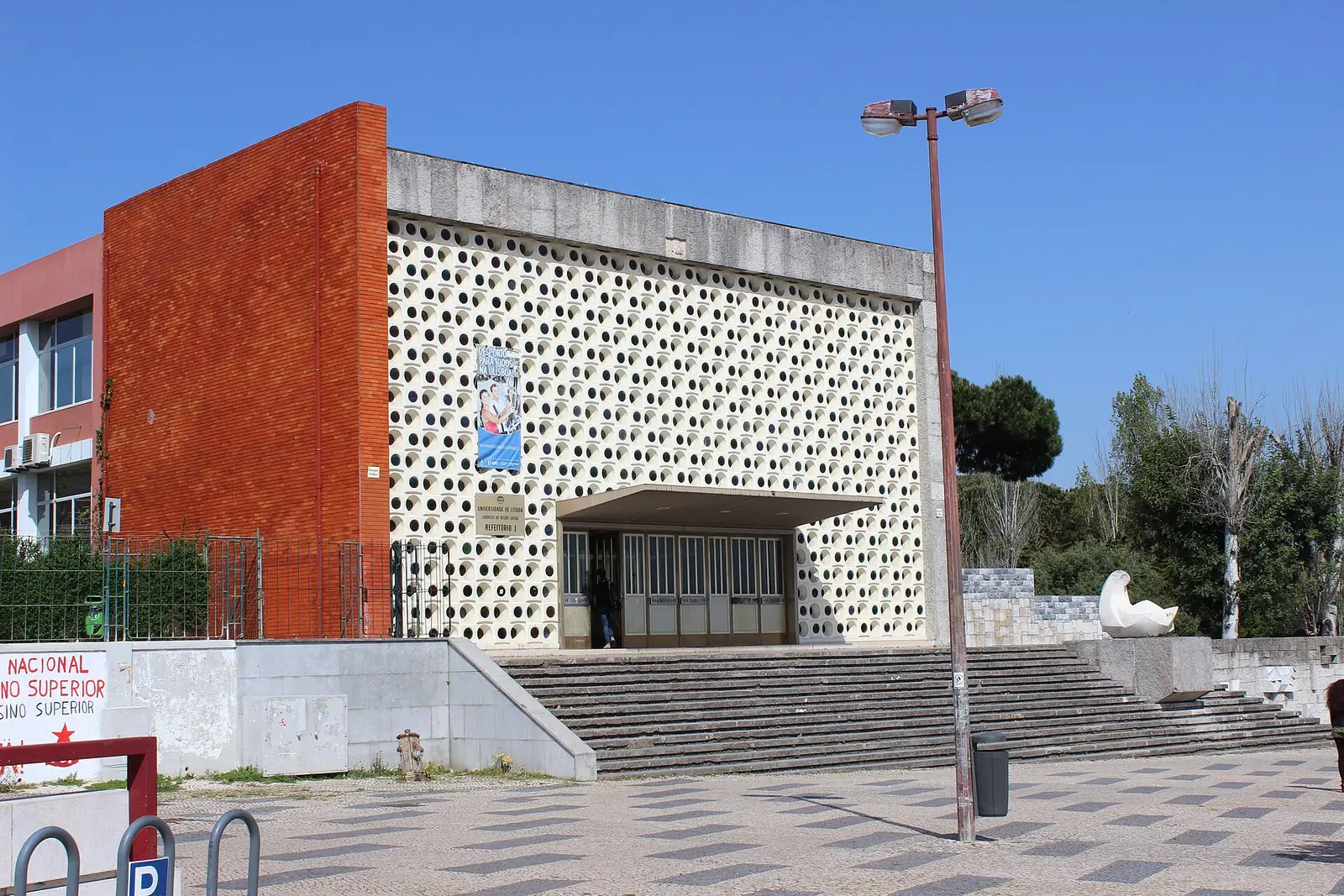
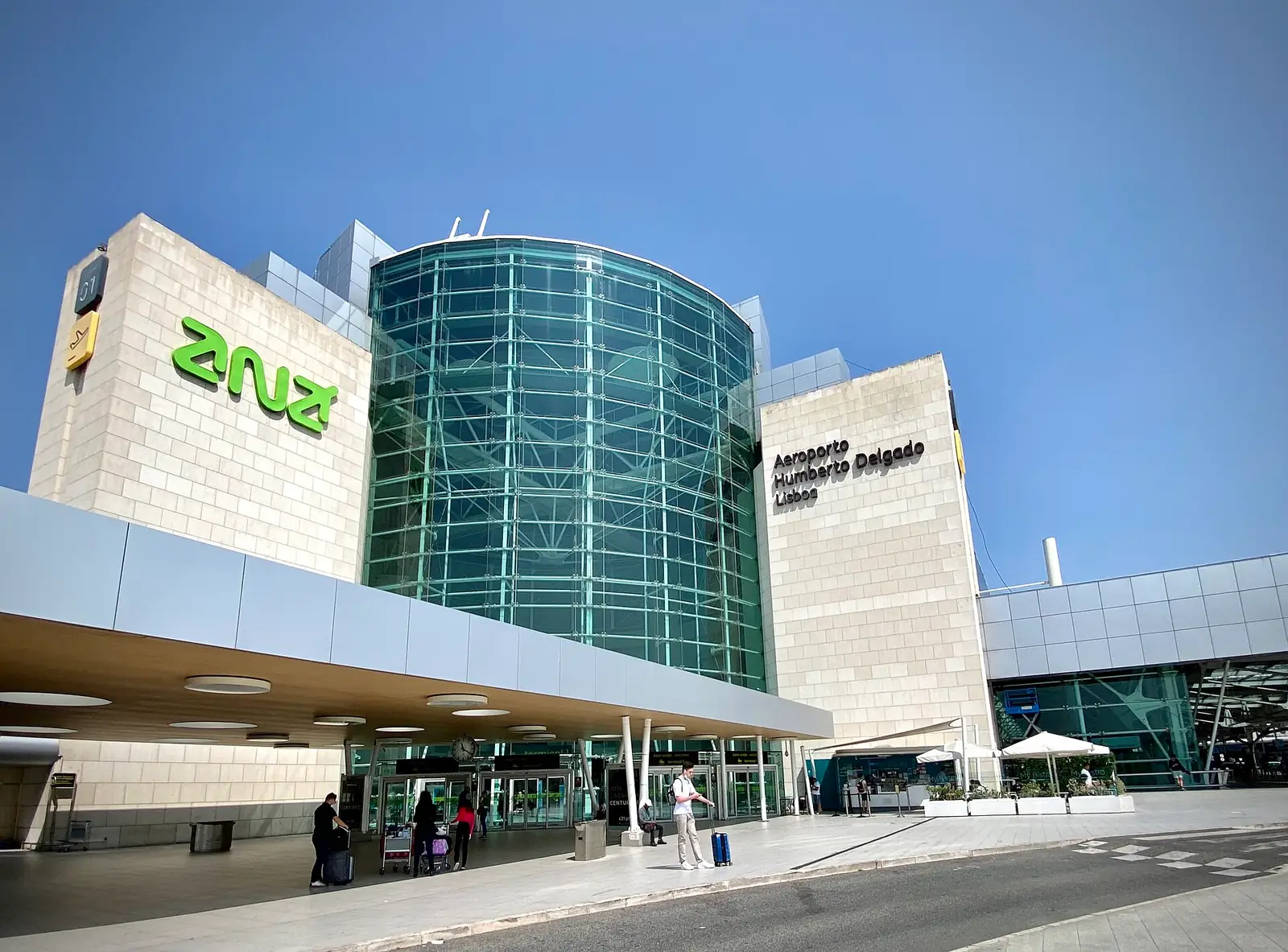
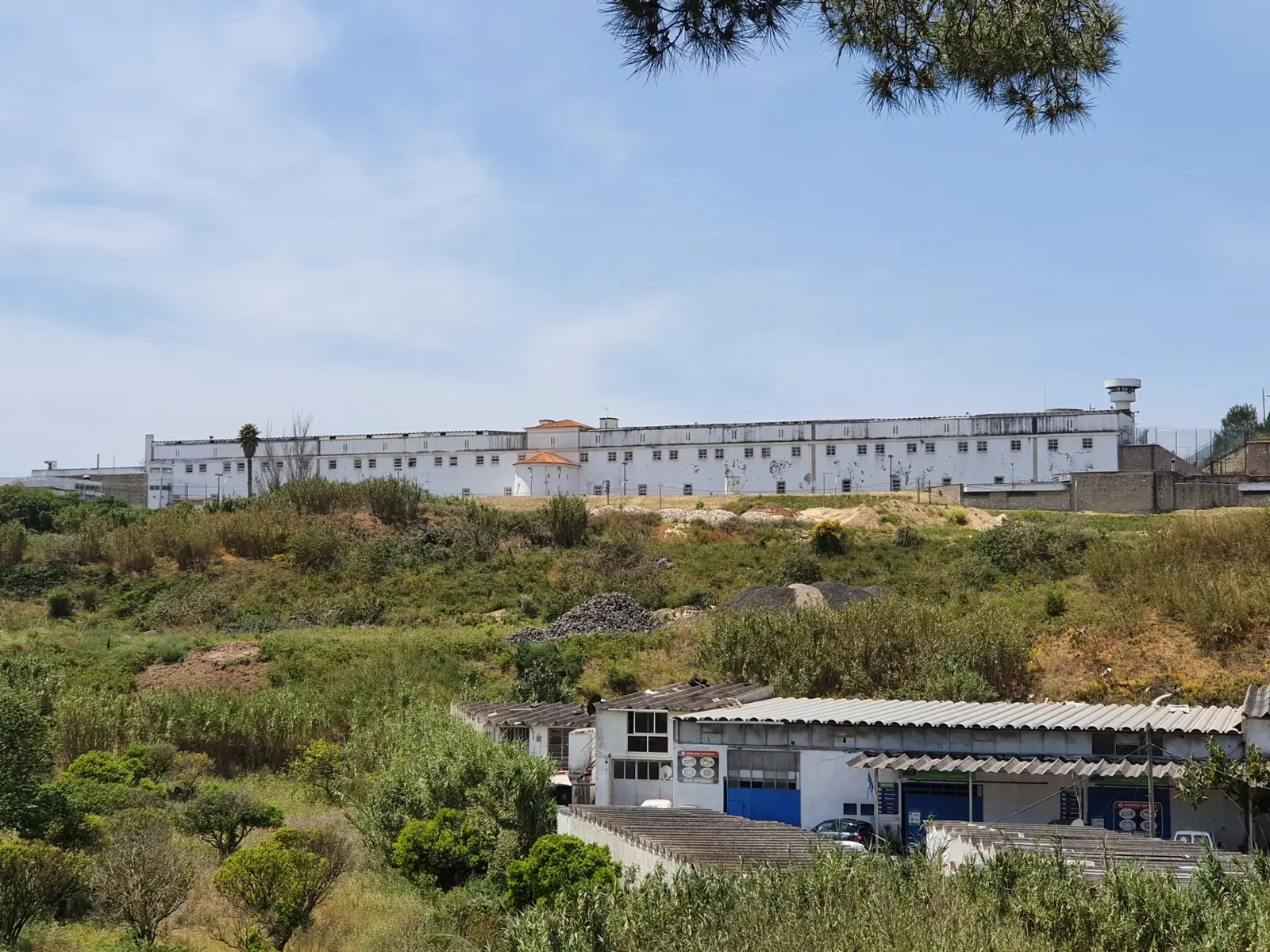
She was born in Lisbon in 1942, the daughter of Stella Piteira Santos and Inácio Fiadeiro, both anti-fascists.2 She was studying Philosophy at the Faculty of Letters when, in the 1962 academic crisis, she supported the students on hunger strike in the Cidade Universitária canteen; it was for this that the PIDE arrested her for the first time.21 She was arrested again in 1972, on her return from Brazil, where she had been living in exile.1 That time, on 26 November, she was detained at the airport and spent a month in Caxias.23
In 1974 she began writing for Modas e Bordados (Fashions and Embroidery), the supplement of O Século. As managing editor, she offered Maria Lamas the post of honorary editor, and the magazine was renamed Mulher – Modas e Bordados (Woman – Fashions and Embroidery), with a feminist editorial line. She also wrote for the “Mulher” (Woman) supplement of the Diário de Notícias and for the Diário de Lisboa, and was a member of the board of the Journalists’ Union in 1977–1978.1
She was a co-founder of the League for Women’s Rights and sat on the national board of the Family Planning Association. She advocated the decriminalisation of abortion and, in 1984, wrote Aborto – O Crime Está na Lei (Abortion – The Crime Is in the Law). In her thesis she recovered the biography of Maria Lamas, which was later published.1 She died on 31 March 2023.2
A journalist and writer, she edited “Modas e Bordados” (Fashions and Embroidery), chaired the National Council of Portuguese Women until the regime closed it down in 1947, and responded with “As Mulheres do Meu País” (The Women of My Country). She was arrested several times and lived in exile in Paris.
A communist activist arrested in 1965 and in 1968, she suffered at the PIDE headquarters some of the cruellest and most humiliating torture methods used on a woman, and never talked. Decades later, she spoke about it publicly to denounce the political police.
A communist leader, he was one of the eight prisoners who escaped from Caxias in Salazar’s armoured car, in 1961. Arrested in 1959 and again in 1965, he withstood PIDE torture without talking.
One of the founders of the Women’s Liberation Movement, in May 1974. She fought for divorce and for the decriminalisation of abortion and worked at the Commission on the Status of Women, whose library now bears her name.
A chemical engineer and underground PCP activist, she was in charge of the Eastern Zone of the Lisbon Local Committee, “the most important working-class zone of the capital”. Arrested by the PIDE in 1957, she was, in Caxias, one of the authors of the letters of the Caxias Manifesto.
A communist activist arrested in 1961 with her two small children, whom she kept with her in Caxias. She spent six years and seven months in prison and took her own life in 1970, her nervous system weakened by the years in jail.
Notes on the sources6
The place of birth (Lisbon) and the day of death (31 March 2023) appear only in Wikipedia; the CIG gives only the years, 1942–2023.
The year she became the magazine’s managing editor: 1975, according to Wikipedia; the CIG does not say.
The year of “Aborto – O Crime Está na Lei”: 1984, according to the CIG and the list of works in Wikipedia; the introduction of the same Wikipedia article says 1978.
Whether the newsroom of “Mulher – Modas e Bordados” was in the “O Século” building in 1974–1975.
Whether she was arrested in 1962: the CIG and Wikipedia say that the PIDE arrested her during the academic crisis, for supporting the hunger strike in the canteen; Memória Comum, which records political prisoners, gives 26 November 1972 as the date of her first arrest.
That she was arrested at Lisbon airport: Wikipedia says only “at the airport”, and the CIG says she was arrested in 1972, on her return from Brazil.
Do you know more, or do you have a document? Tell us.